

Understanding a Deep Plane Facelift vs the Mini Facelift
Far beyond correcting static and dynamic aging, the differences between the mini lifts and deep plane facelift lie in the facial plastic surgeon’s preferences based on the patient’s age, skin laxity, degree of aging, and aesthetic goals!
- Did you know people in their 40s can undergo a deep plane facelift to achieve subtle, natural-looking results before advanced aging occurs?
- Did you know that the right candidates for a mini facelift are individuals in their 30s to early 40s with sufficient skin elasticity, mild to moderate signs of aging, and who are not yet ready for a full facelift?
- Did you know that a mini facelift can be paired perfectly with other cosmetic procedures, such as an eyelid lift, brow lift, laser treatment, or filler, for a more comprehensive rejuvenation?
- A deep-plane facelift may be the right choice if your primary concern is addressing the deeper layers of the face and you have sagging cheeks, deep nasolabial folds, jowls, and deep wrinkles.
Just as no two faces are the same, each person has a unique anatomical and physiological profile, with variations in aging patterns. However, there are various techniques for performing facelift surgery, a highly customized procedure, that should be chosen wisely with utmost artistic intelligence and precision.
Contents
Mini Facelift | SMAS Lift Overview
A mini facelift is the best option for those who notice early signs of aging, have mild sagging, loose (but not droopy) facial skin, and good skin elasticity.
The procedure helps correct early jowls or loss of jawline definition, addressing the early signs of aging in the lower face.
Note: A mini facelift addresses the lower face relying on pulling on the skin. In addition, it does not target the midface or deeper facial tissues.
Mini Deep Plane Facelift
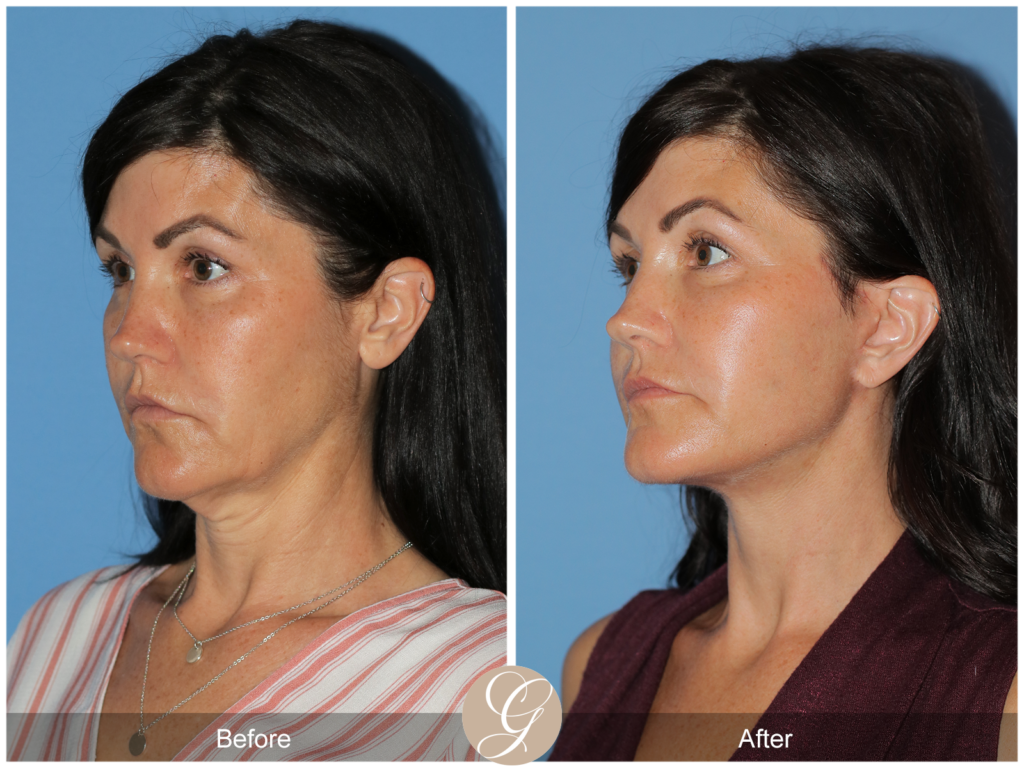
A mini deep plane facelift is the best option when you start noticing signs of aging around your jawline and neck, but are not ready for a full facelift. It involves lifting deeper structures vertically and avoiding skin stretching—a cutting-edge version of the mini facelift—achieving the utmost aesthetic effect with longer-lasting results, as it addresses below the SMAS and deep structures through smaller incisions. The downtime is shorter, recovery is faster, and results are natural and youthful.
View Dr. Sadati’s Mini Deep Plane Facelift Gallery


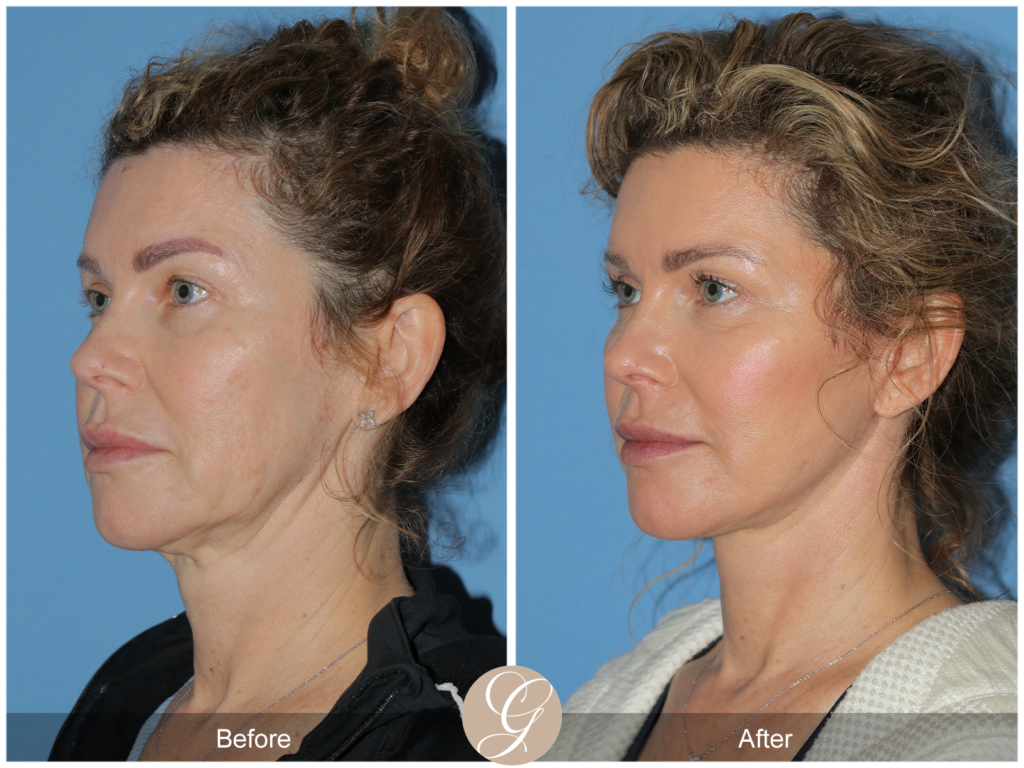
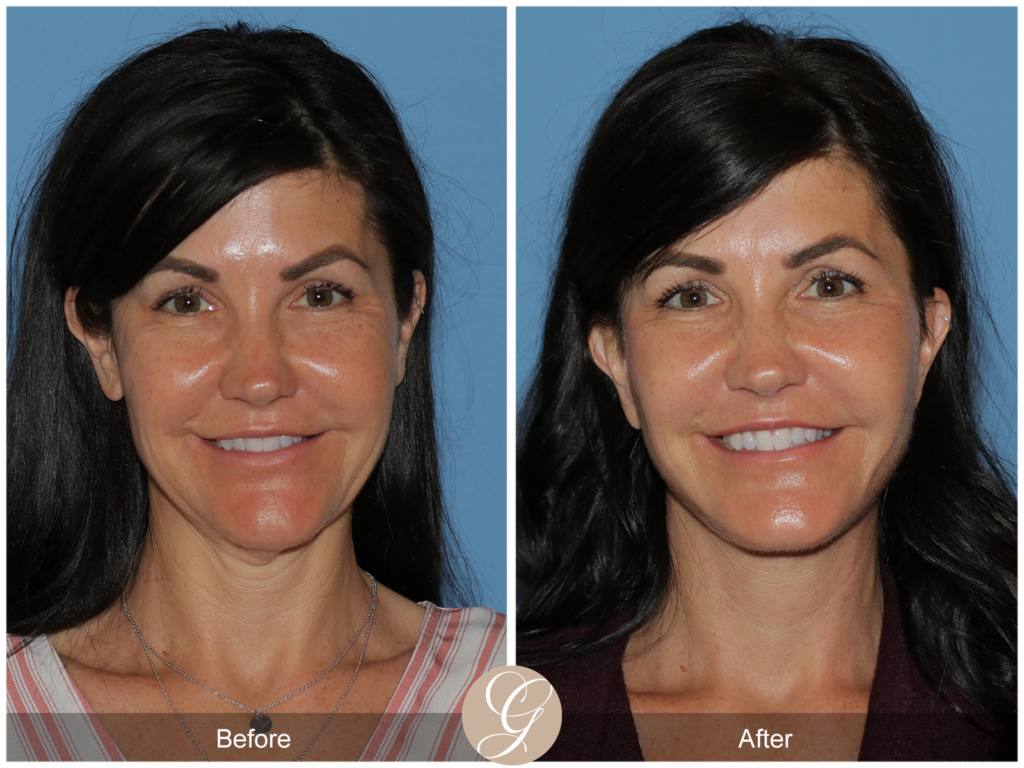
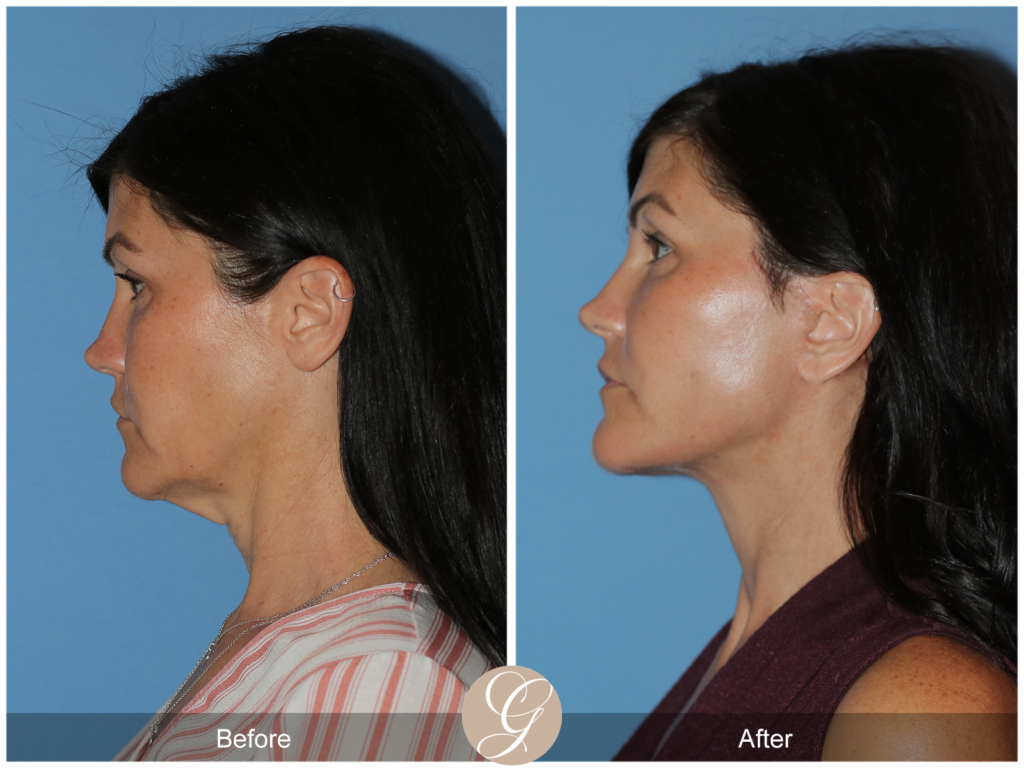
Deep Plane Facelift | Preservation Deep Plane Facelift
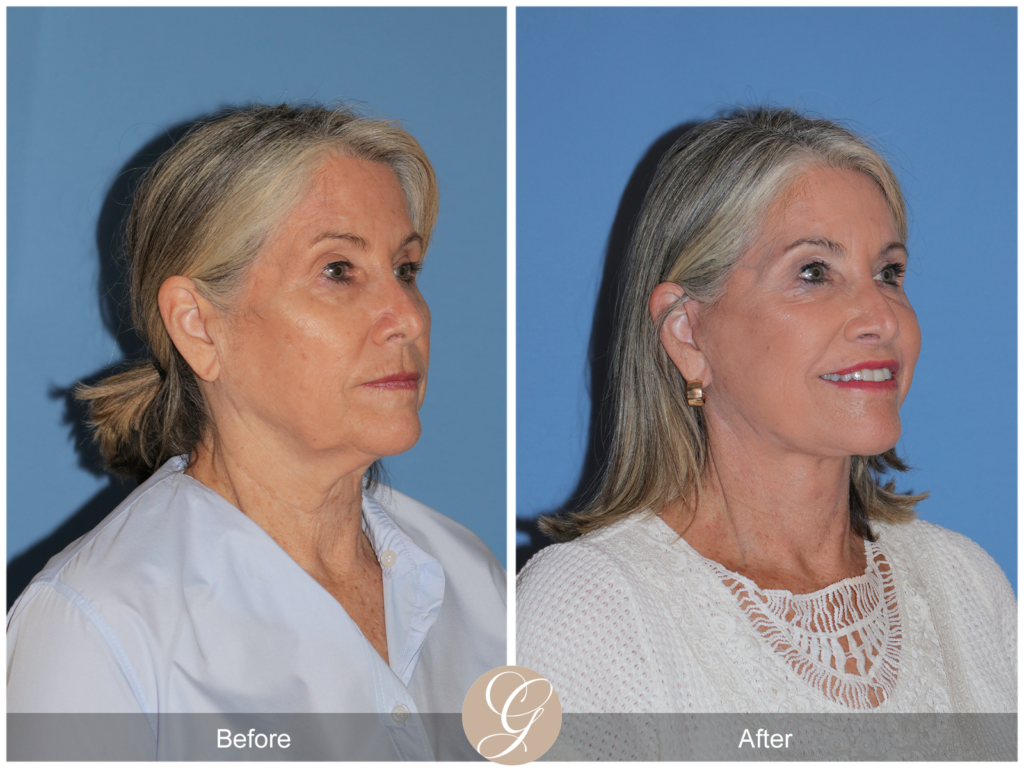
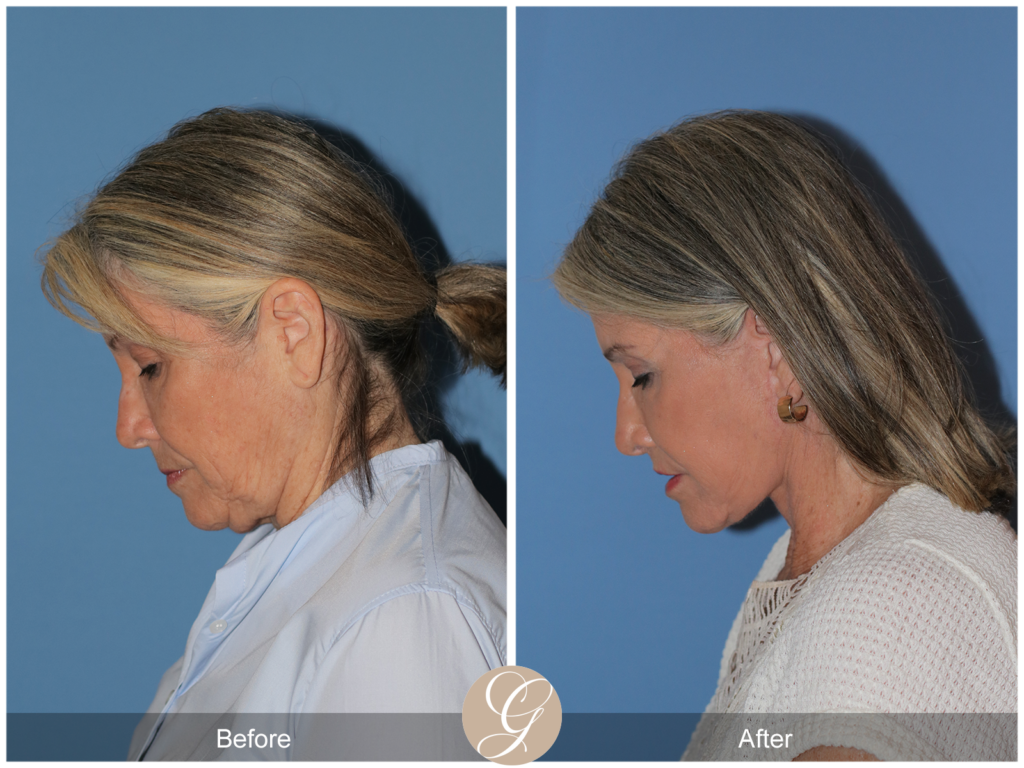
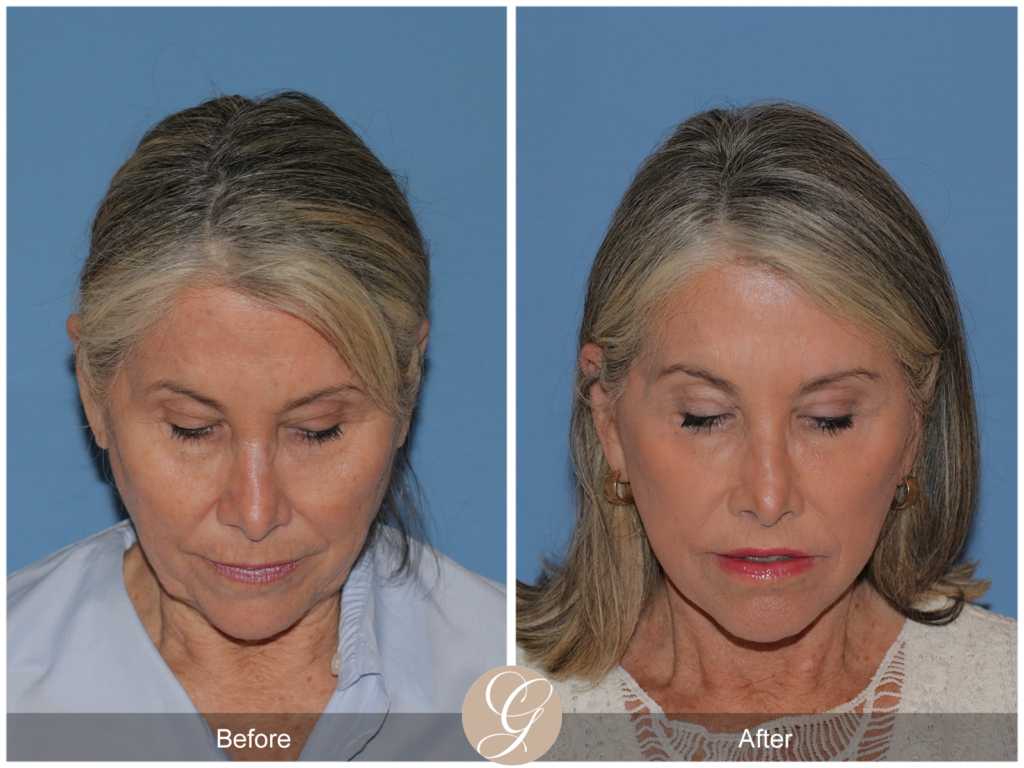
Most importantly, a deep-plane facelift works below the SMAS (superficial musculoaponeurotic system) by releasing the retaining ligaments, lifting the deeper tissues in a vertical direction without stretching the skin. In addition, a deep plane is not limited only to the skin; it addresses aging at its root, which is the mobile SMAS, yielding the most natural-looking results and restoring a youthful, defined facial contour. A preservation deep plane facelift is a redefined version / the next generation of extended deep plane facelifts—a step ahead in achieving desired aesthetic outcomes while preserving the natural appearance. It minimizes skin elevation, reduces skin tension, and shortens recovery time. Dr. Sadati’s expertise in advanced facelift techniques enables him to avoid over-resecting soft tissue and skin, thereby undermining and effectively addressing the deeper facial muscle layer. He has published his unique preservation facelift technique in the prestigious Plastic & Reconstructive Surgery journal. In his publication, limited skin dissection and anatomical preservation were emphasized, using innovative maneuvers like a rotating pedicled SMAS flap and platysma hammock with purse-string sutures. These strategies have been shown to improve jawline definition and neck contour without aggressive deep tissue resection. A retrospective study of patients published in PRS showed shorter drainage times and fewer complications in the Preservation Deep Plane Facelift group compared to Extended deep-plane facelifts. The findings highlight its safety and effectiveness.
It addresses static aging concerns for:
- Midface,
- Lower face,
- Improving jowls,
- Deep nasolabial folds,
- Sagging cheeks and neck laxity (in a single, comprehensive lift with no overly tight appearance).
Note: The ideal candidates for a deep-plane facelift are typically those in their 40s to 70s, but age is no barrier to consideration. One who experiences premature aging due to genetics, massive weight loss, or early skin laxity can also consider this procedure.
View Dr. Sadati’s Preservation Deep Plane Facelift Gallery
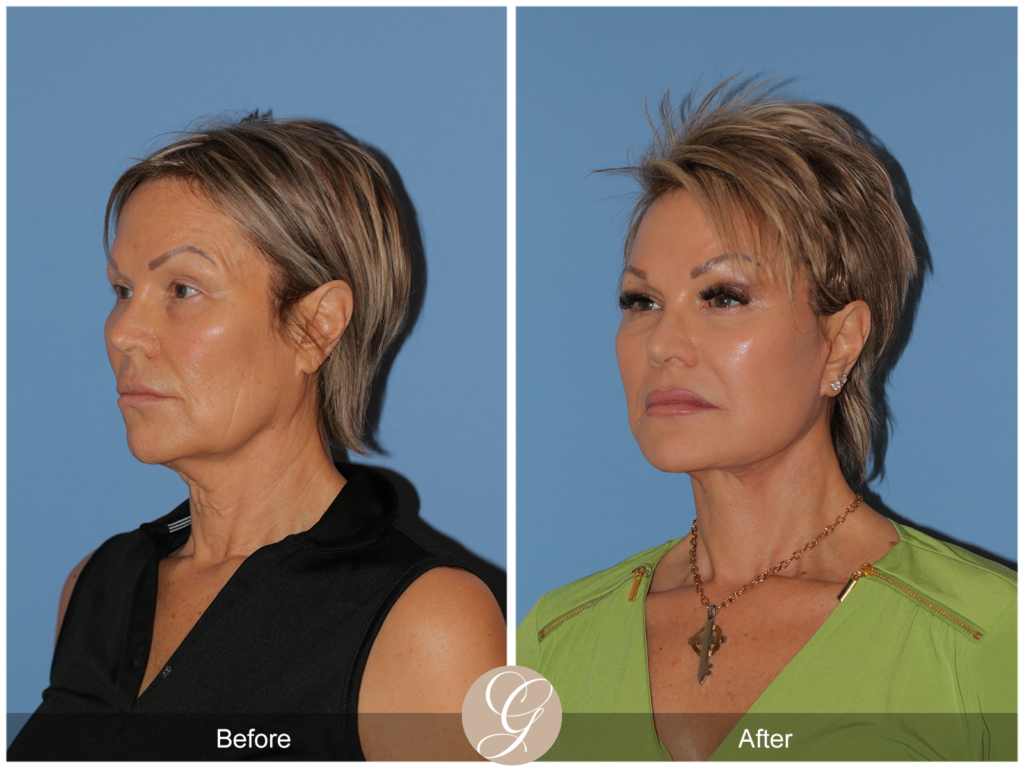
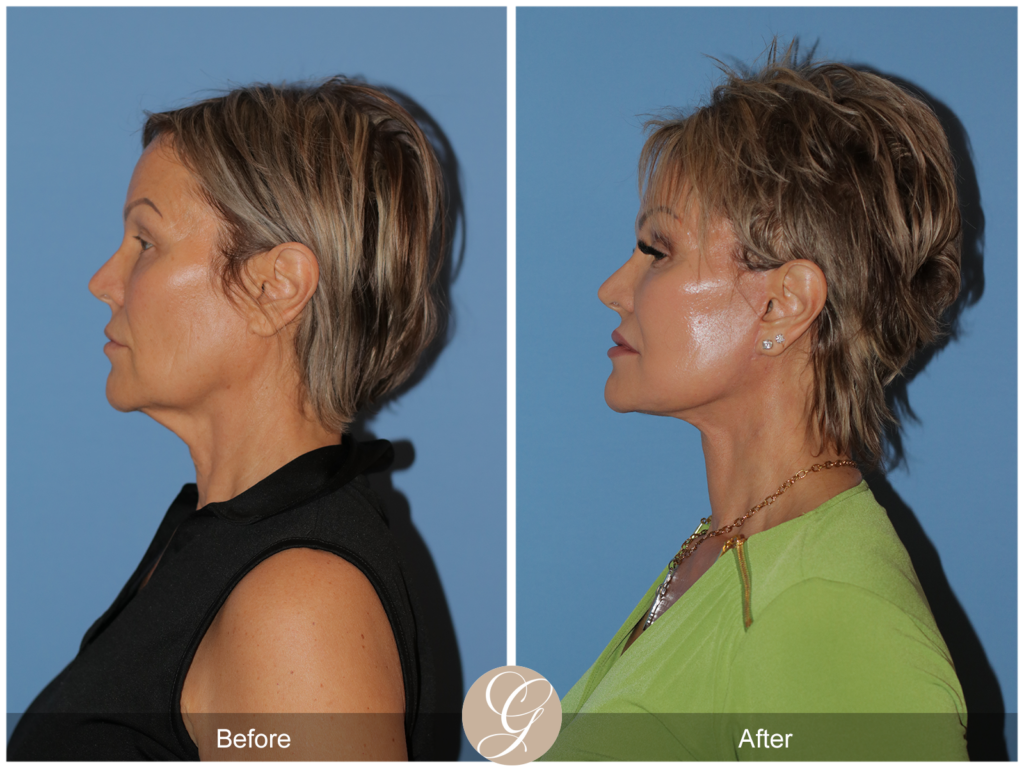
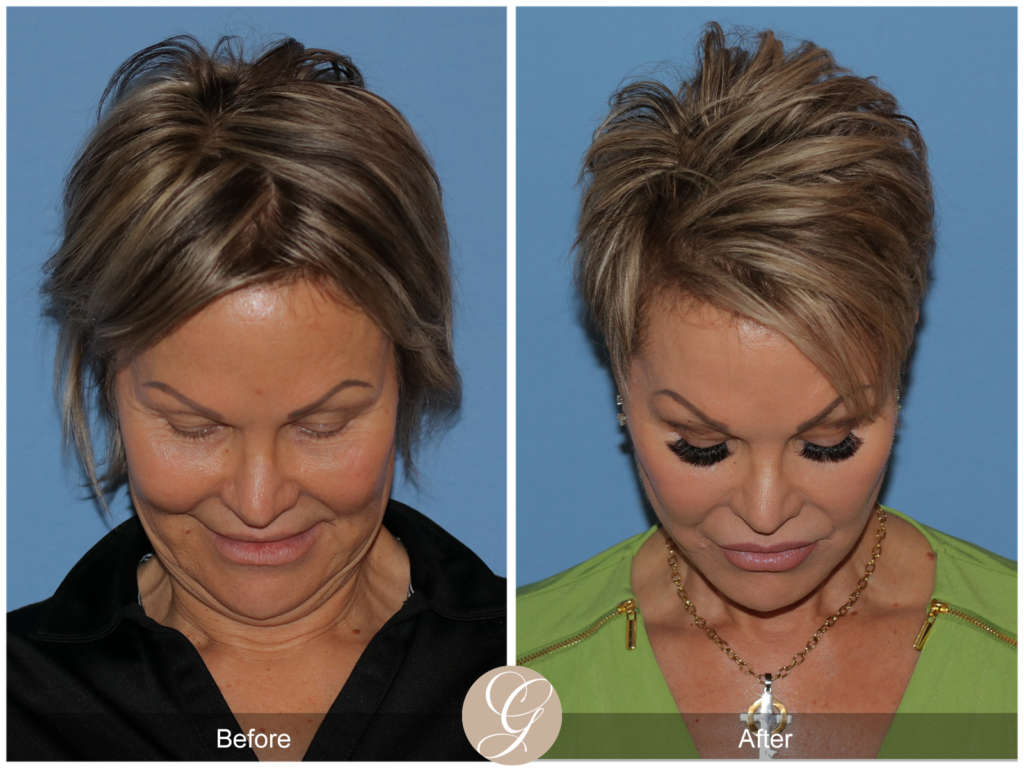
Deep Plane Facelift vs the Mini Facelift
Tissue Depth and Lifting Technique
A deep-plane facelift is a comprehensive facial rejuvenation technique that works below the SMAS by releasing retaining ligaments of the face, lifting and repositioning the deeper tissues, facial muscles, and underlying structures. This allows for true midface, lower face, and neck elevation all at once, resulting in more natural-looking outcomes.
There are two types of mini facelift: i.e., the SMAS mini facelift, which lifts superficial layers addressing only the jowls laxity. The deep plane mini facelift, which lifts the deeper facial layers, addresses the lower face and neck laxity together. Most interestingly, a deep plane mini facelift offers longer-lasting results, as it repositions deeper facial structures rather than being limited to the surface.
Type of Incision and Anesthesia
Dr. Sadati performs all deep plane facelifts under twilight IV sedation, avoiding general anaesthesia for a safer and smoother recovery, reduced post-operative nausea and vomiting with maximum comfort. A preservation facelift involves discreet incisions, often around the ears or under the chin. These incisions heal very well since there is no tension on the skin.
A mini deep plane facelift involves making small incisions discreetly around the hairline and the ear, allowing for the precise elevation and repositioning of deeper tissues to restore a youthful facial contour. It is performed as an outpatient procedure at the Gallery of Cosmetic Surgery in Newport Beach, CA, under local anesthesia with twilight sedation, resulting in a speedy recovery with minimal risks and complications.
Results and Longevity
A deep plane facelift may last 10-15 years, while a mini facelift typically lasts 3-5 years, and the mini deep plane facelift will last 5-7 years. The lasting results of any procedure depend on individual genetics and lifestyle.
Dr. Kevin Sadati, a board-certified facial plastic surgeon, gives primary focus on achieving natural-looking results. Over the past two decades, he has performed more than 5,000 facelifts. Dr. Sadati has also published several original facelift techniques, demonstrating his ongoing commitment to perfection and improvement. He offers a specialized facelift procedure tailored to each patient’s unique aging concerns, rejuvenation goals, and skin type. Patients from around the world visit Dr. Sadati’s state-of-the-art clinic in Newport Beach for facial rejuvenation under his expert care.
To learn more or schedule a consultation with Dr. Kevin Sadati, call us at (949) 706-7776 today.
SCHEDULE A
CONSULTATION
Call (949) 706-7776 or fill out our online form to schedule your consultation with us. Conveniently located near Fashion Island, the airport and the beach. Please visit us while you are out in the beautiful area of Newport Beach.
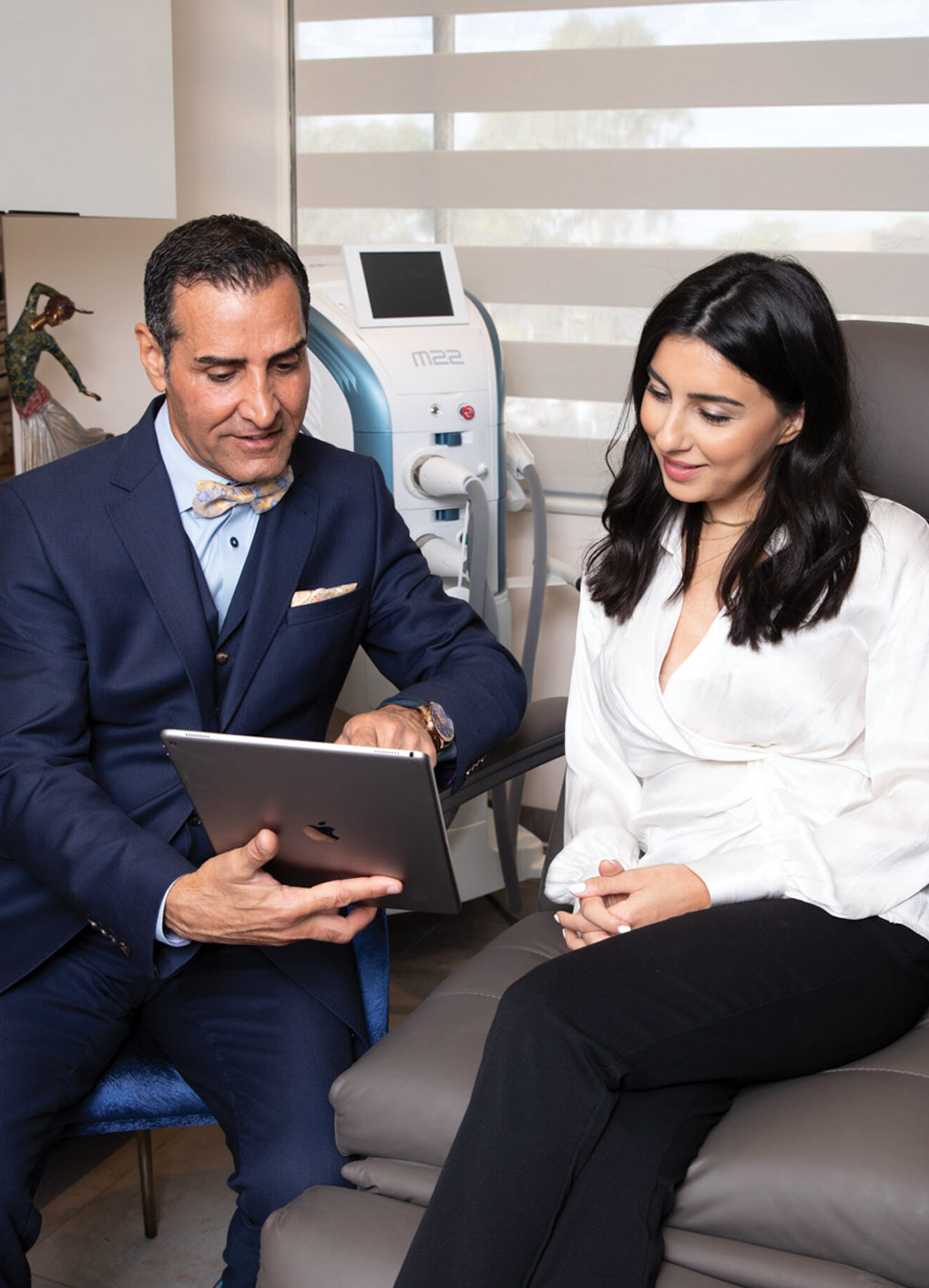
 Dr. Kevin Sadati is a world-renowned cosmetic and reconstructive facial plastic surgeon specializing in
facial and nasal procedures including facelift, neck lift, facial fat transfer, and rhinoplasty among many more. Known best for the natural results he provides his patients, Dr. Sadati is not just a plastic surgeon but also an artist. He uses this natural talent to create an individualized treatment
plan to address each patient’s unique concerns. If you are interested in learning about your treatment
options, we invite you to contact our office and speak with a member of our staff to schedule your consultation with Dr. Kevin Sadati, today. A new and refreshed you is only a phone call
away!
Dr. Kevin Sadati is a world-renowned cosmetic and reconstructive facial plastic surgeon specializing in
facial and nasal procedures including facelift, neck lift, facial fat transfer, and rhinoplasty among many more. Known best for the natural results he provides his patients, Dr. Sadati is not just a plastic surgeon but also an artist. He uses this natural talent to create an individualized treatment
plan to address each patient’s unique concerns. If you are interested in learning about your treatment
options, we invite you to contact our office and speak with a member of our staff to schedule your consultation with Dr. Kevin Sadati, today. A new and refreshed you is only a phone call
away! 


