Gallery of Cosmetic Surgery
 Aesthetic Lounge


Procedures:
Preservation Deep Plane Facelift,
-
Surgeon:
-
Post Op Timeline:
3 Months
-
Anesthesia:
Local / Twlight
-
Gender:
Female
-
Age:
50-59
-
Ethnicity:
NA
Procedure Description:
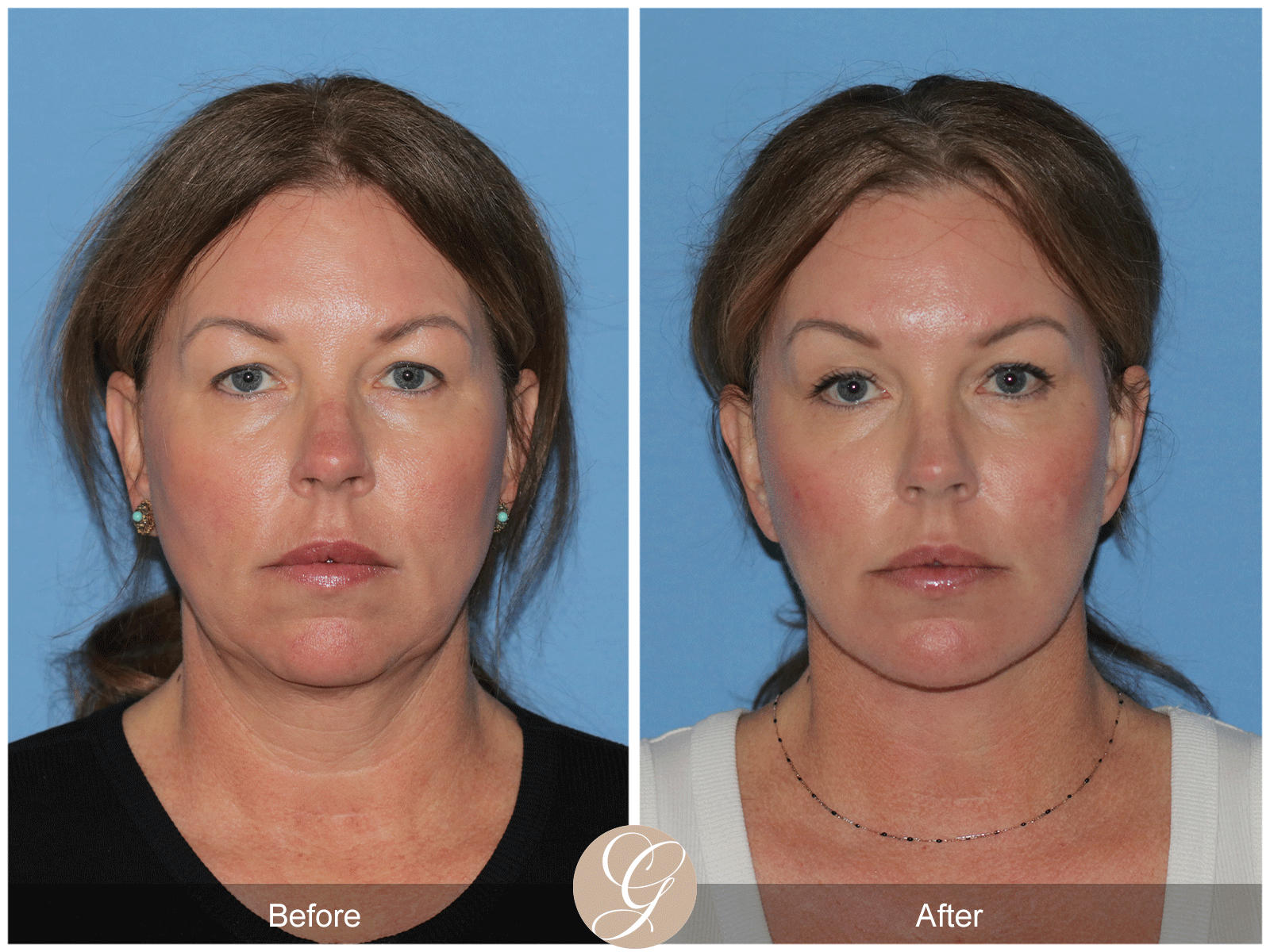
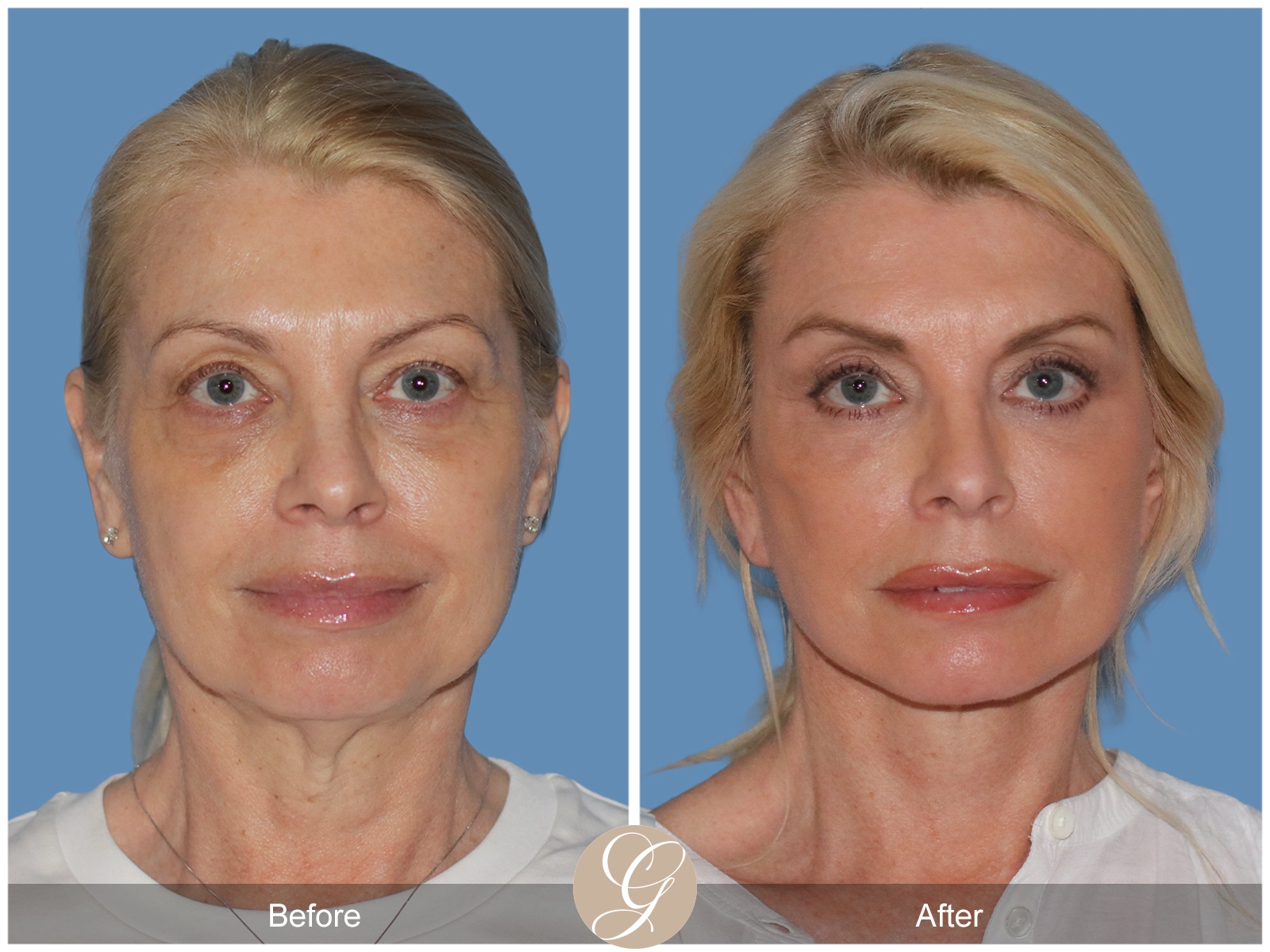
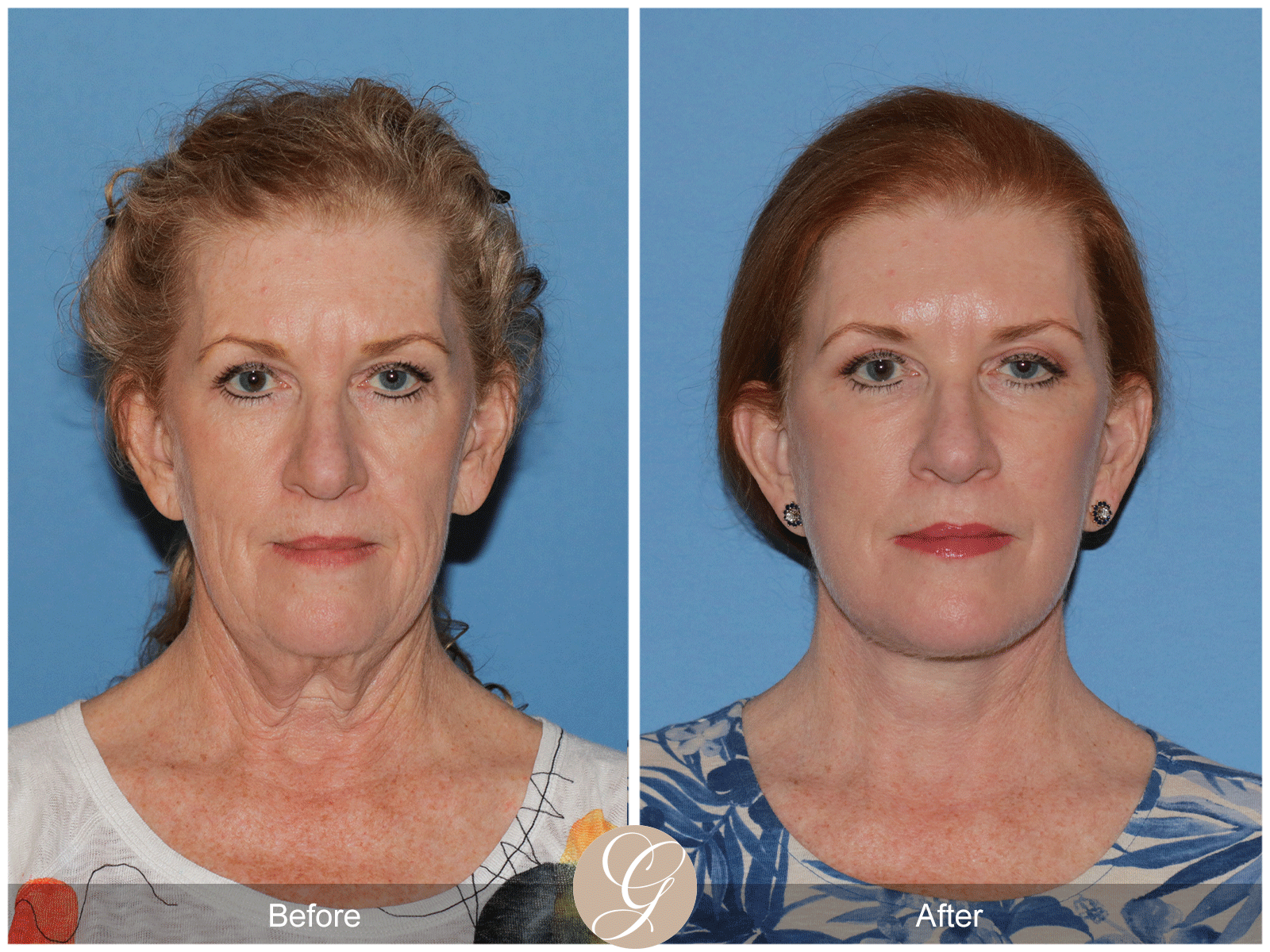
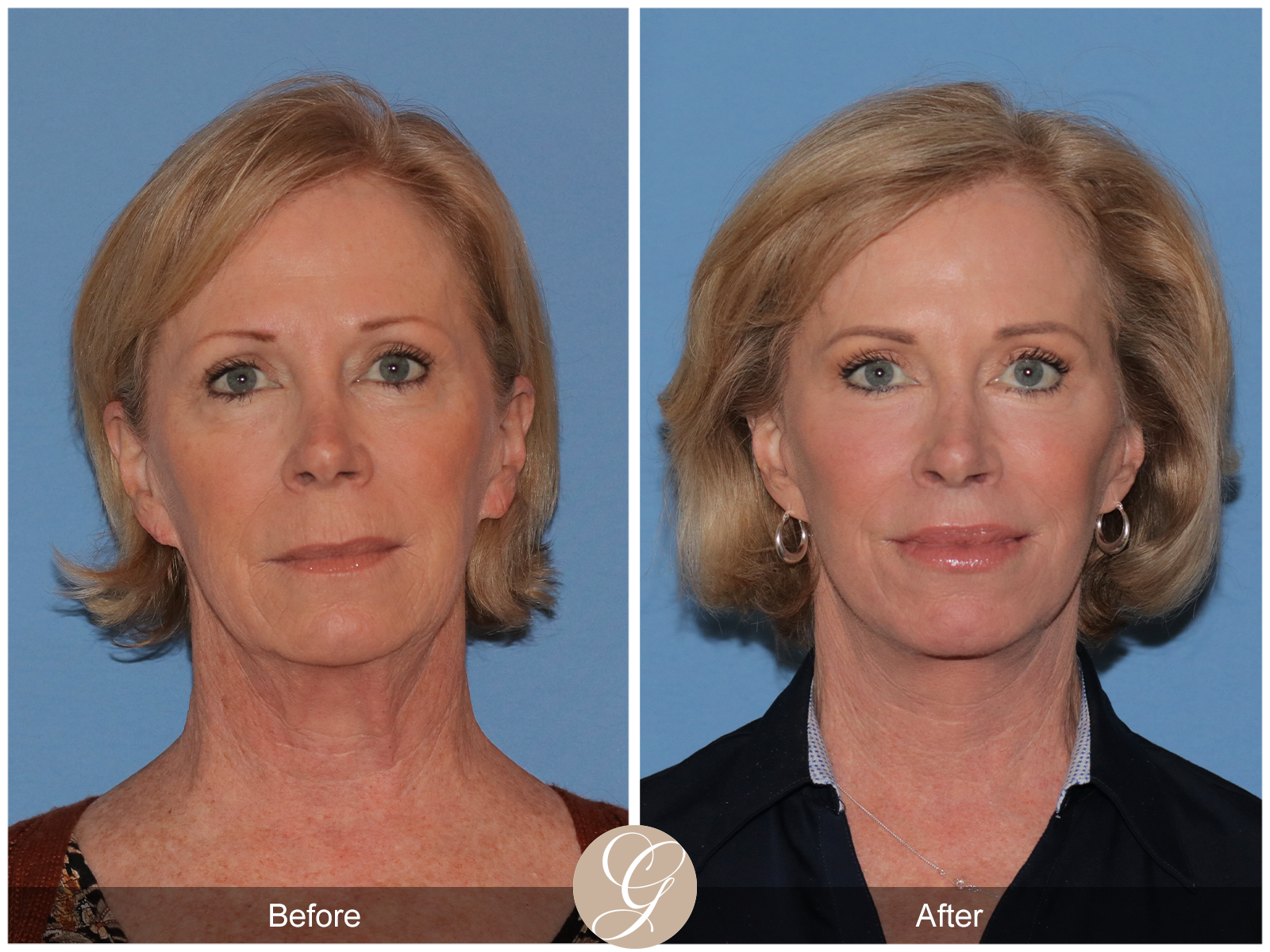
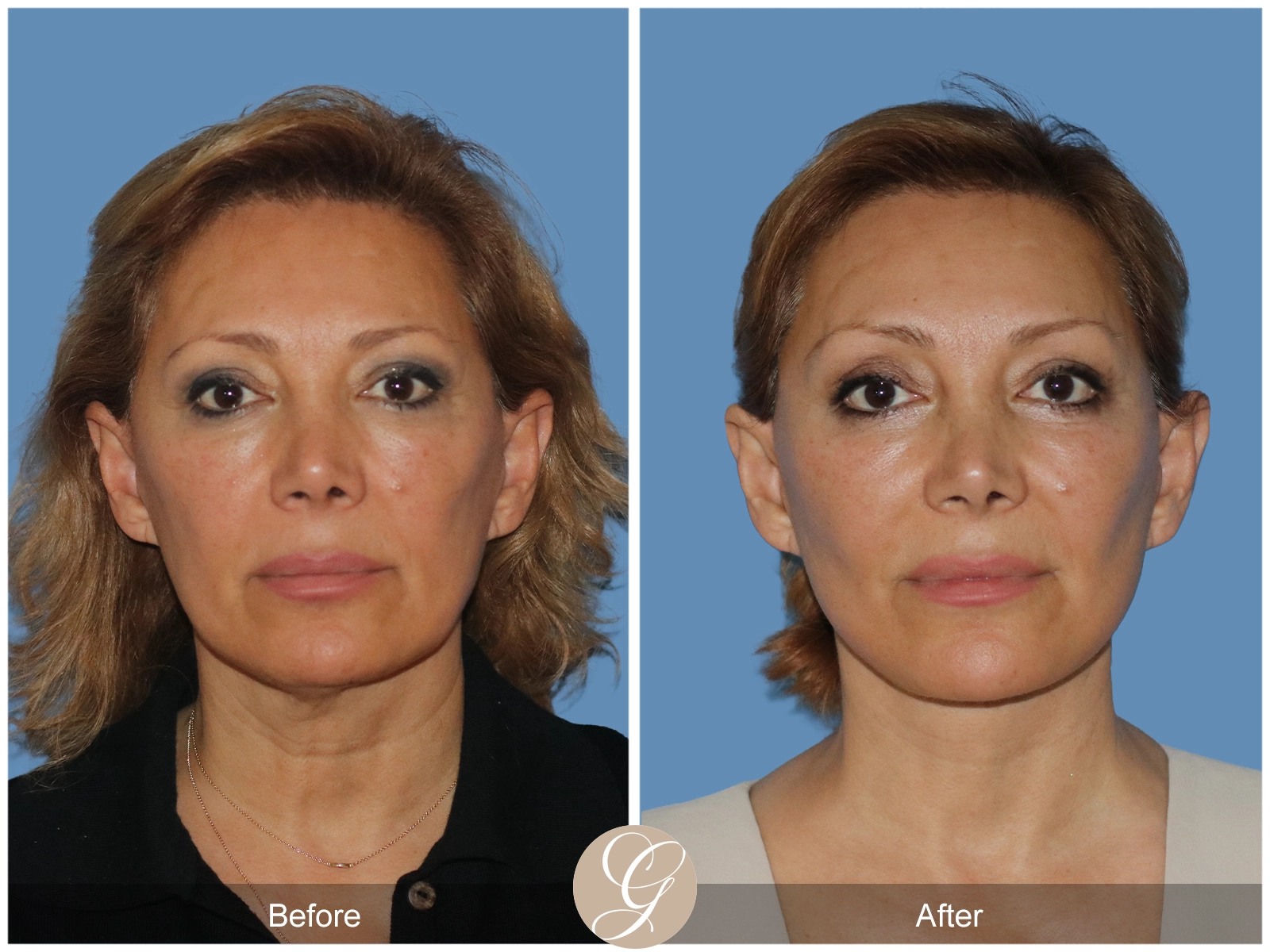
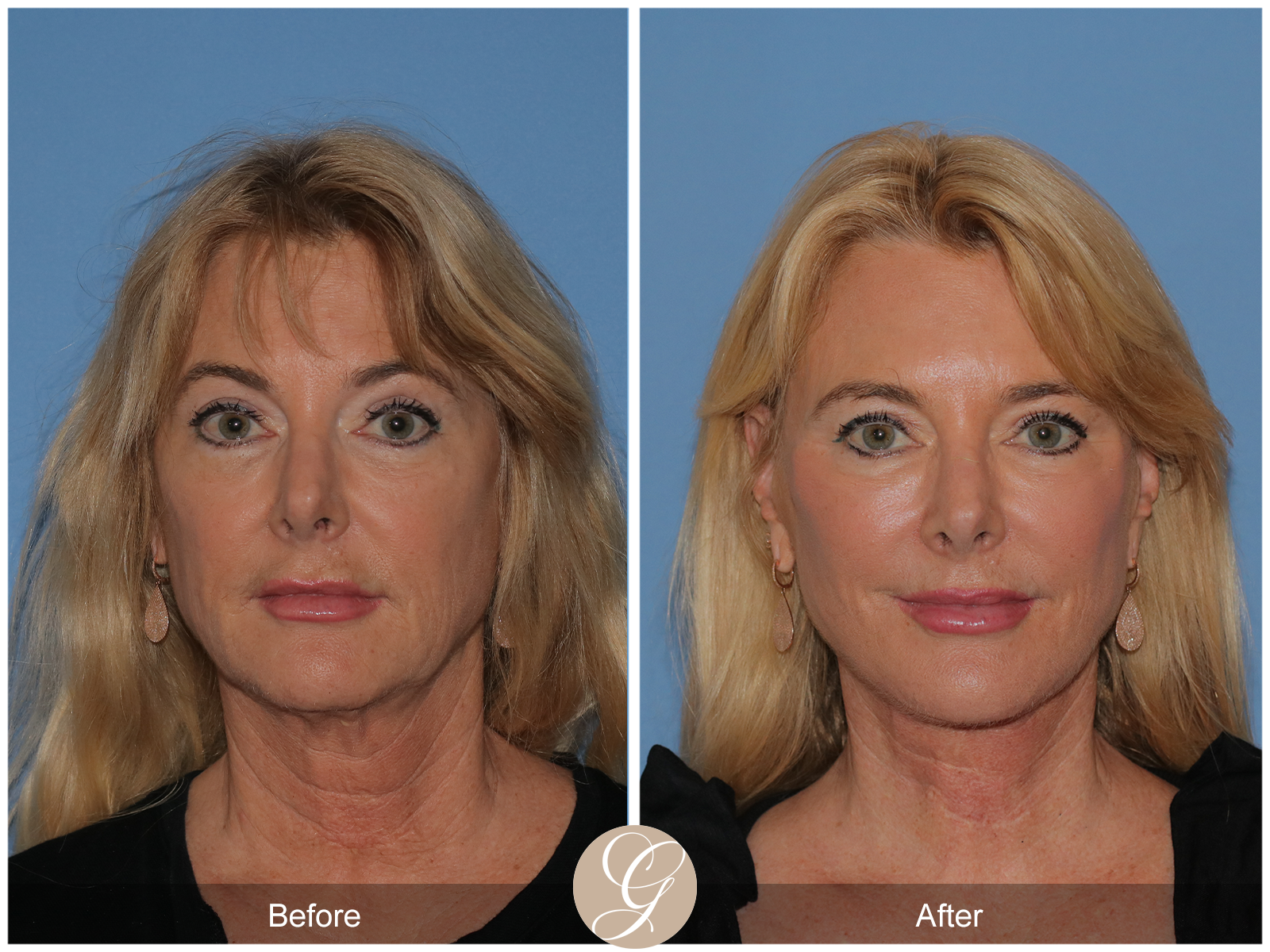
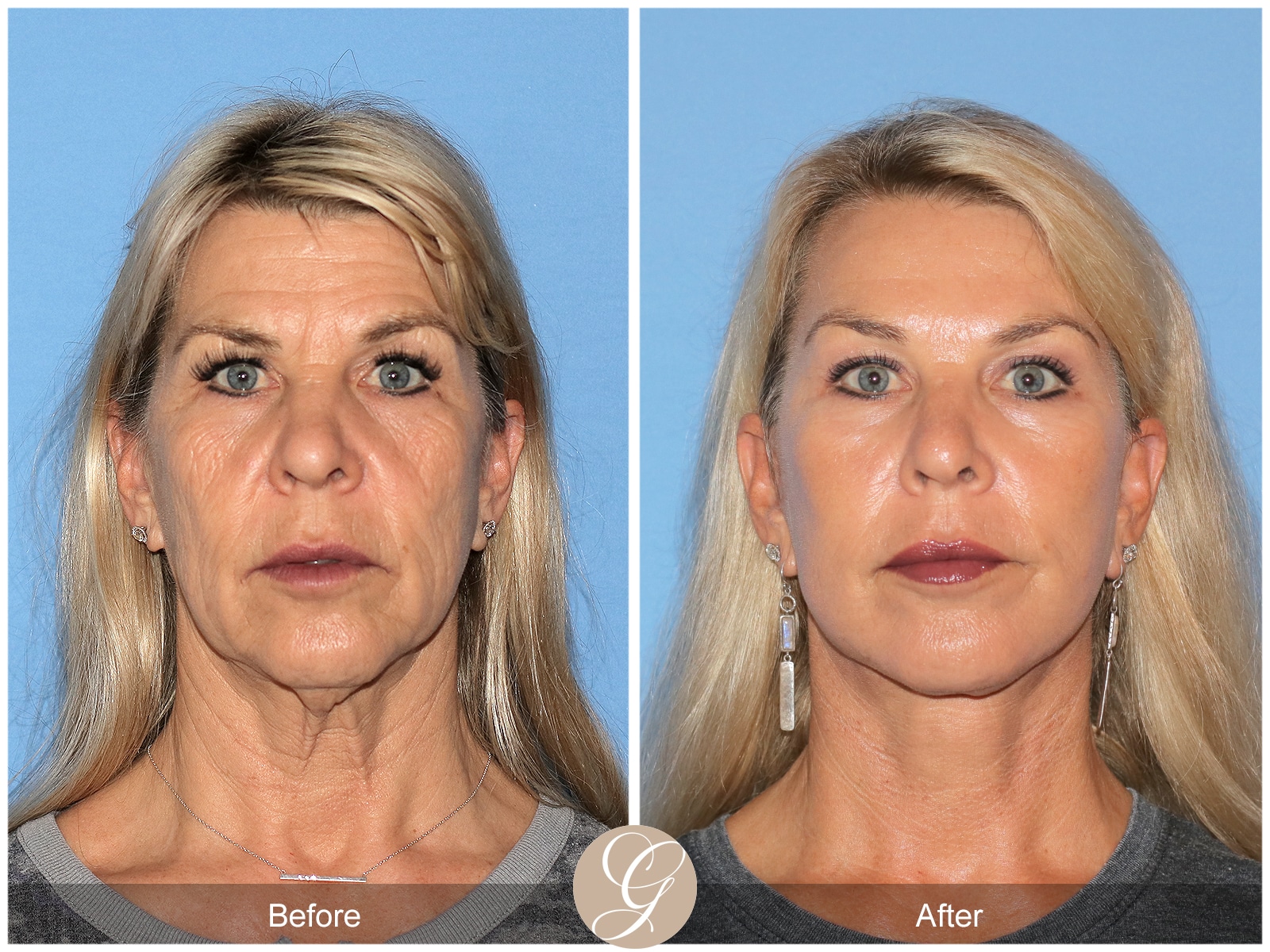
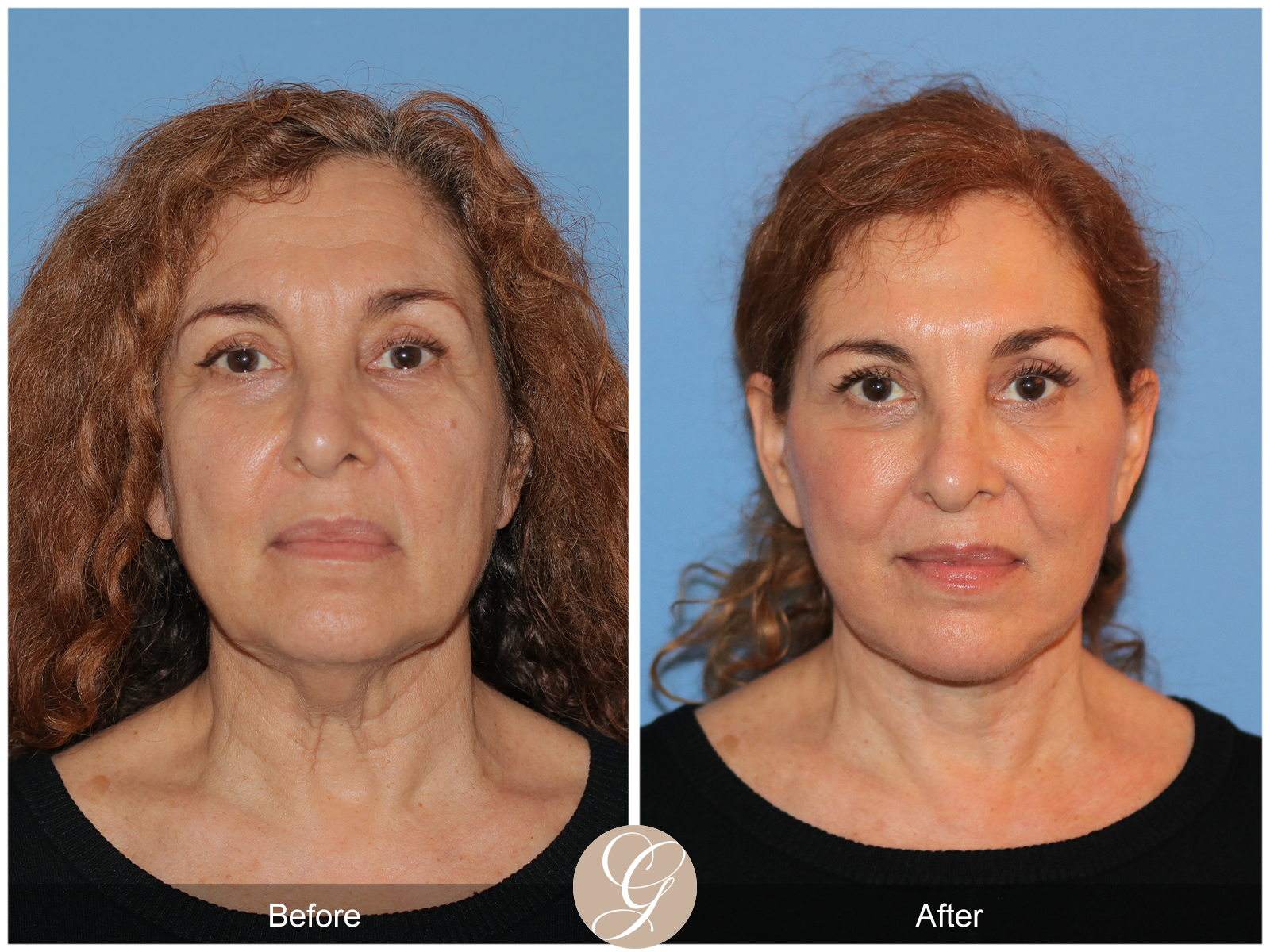
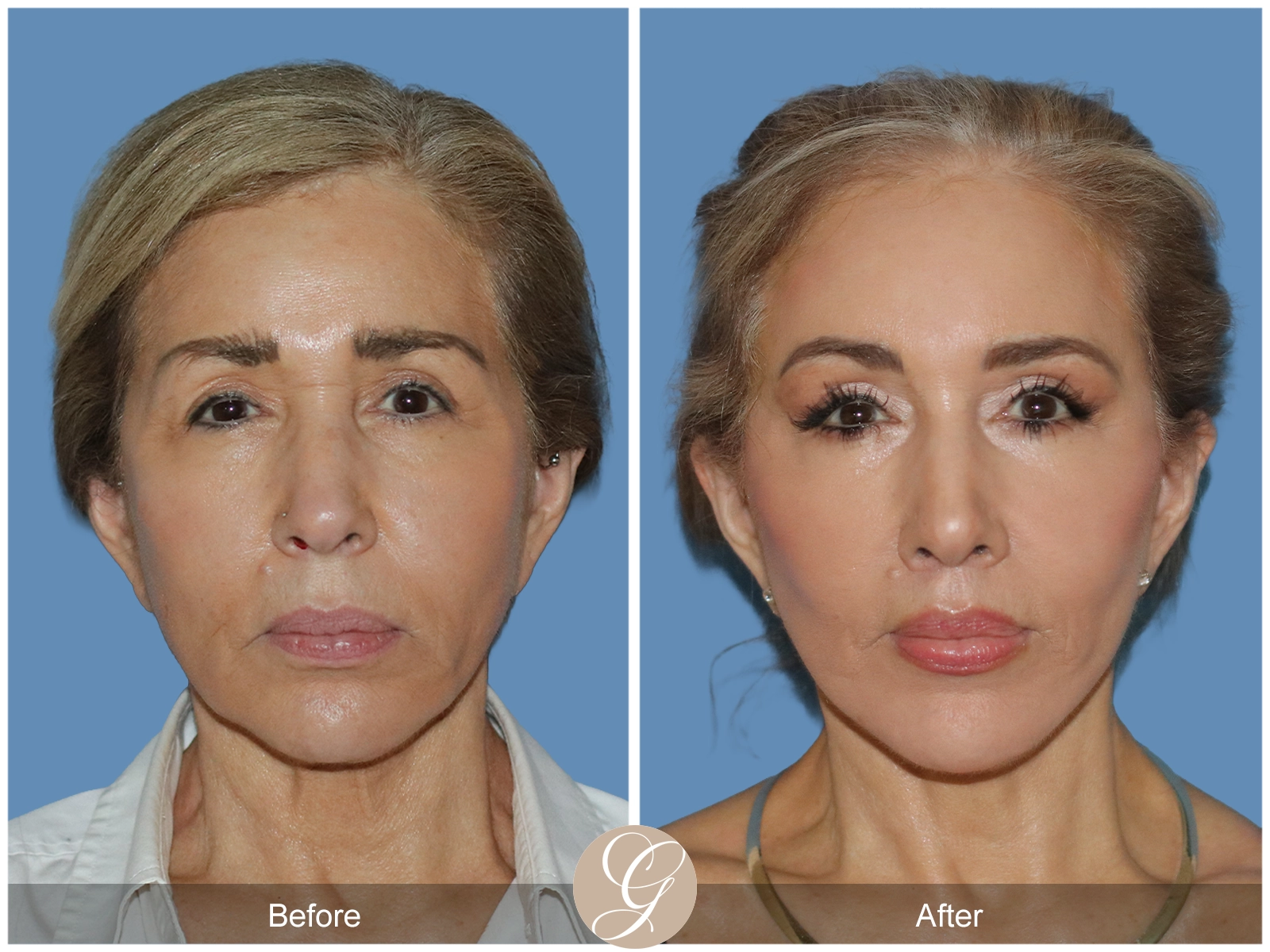
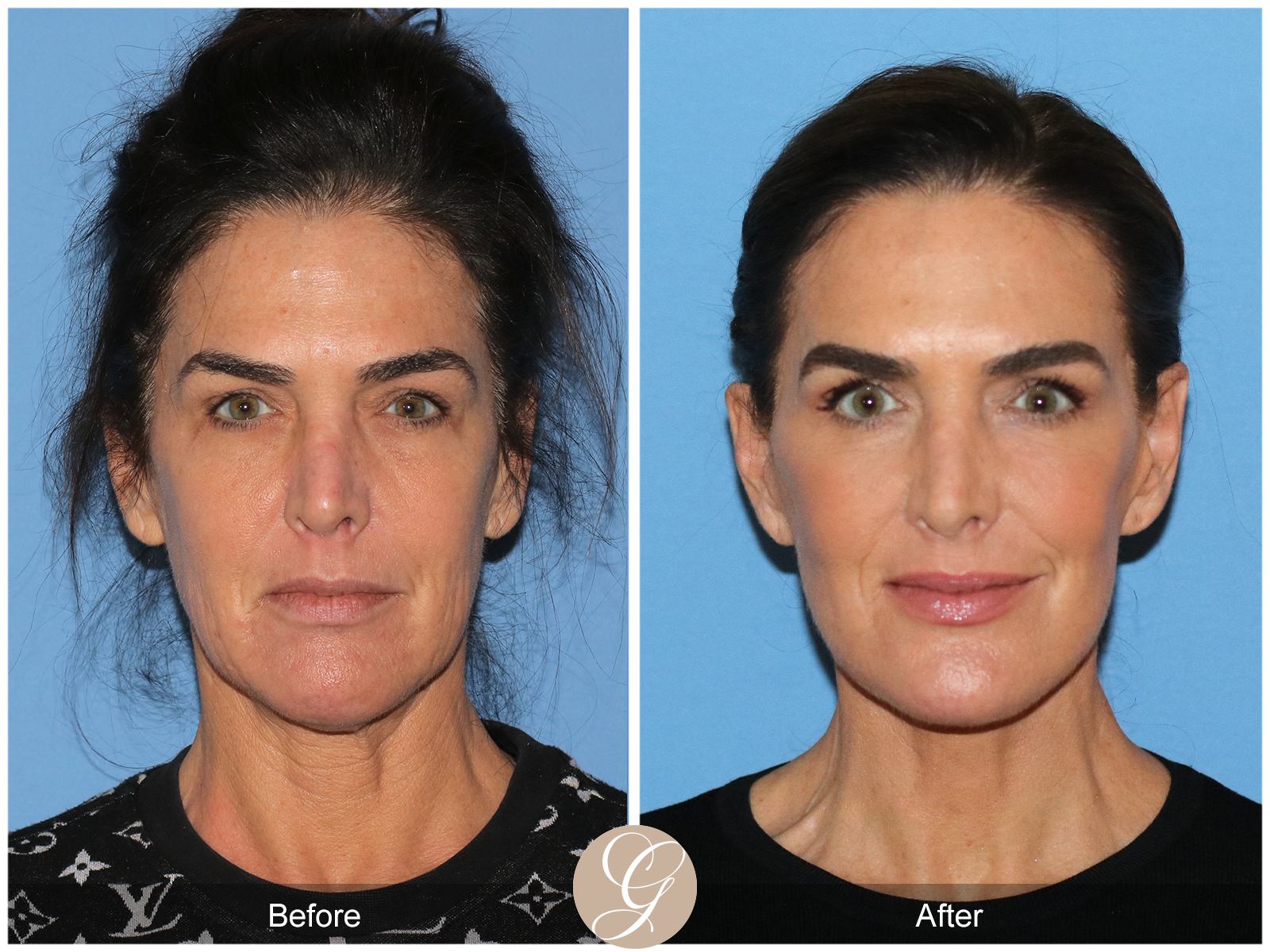
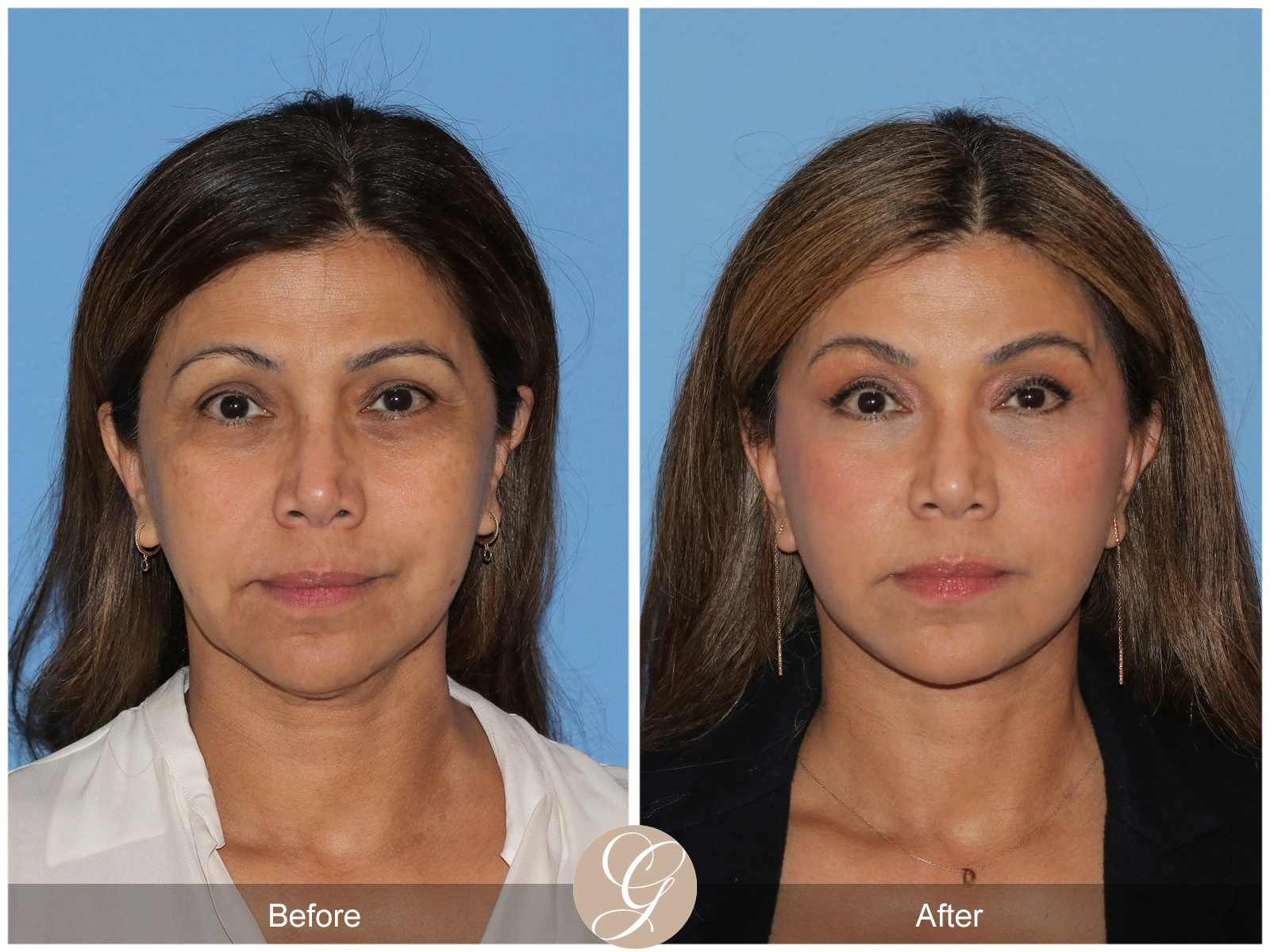
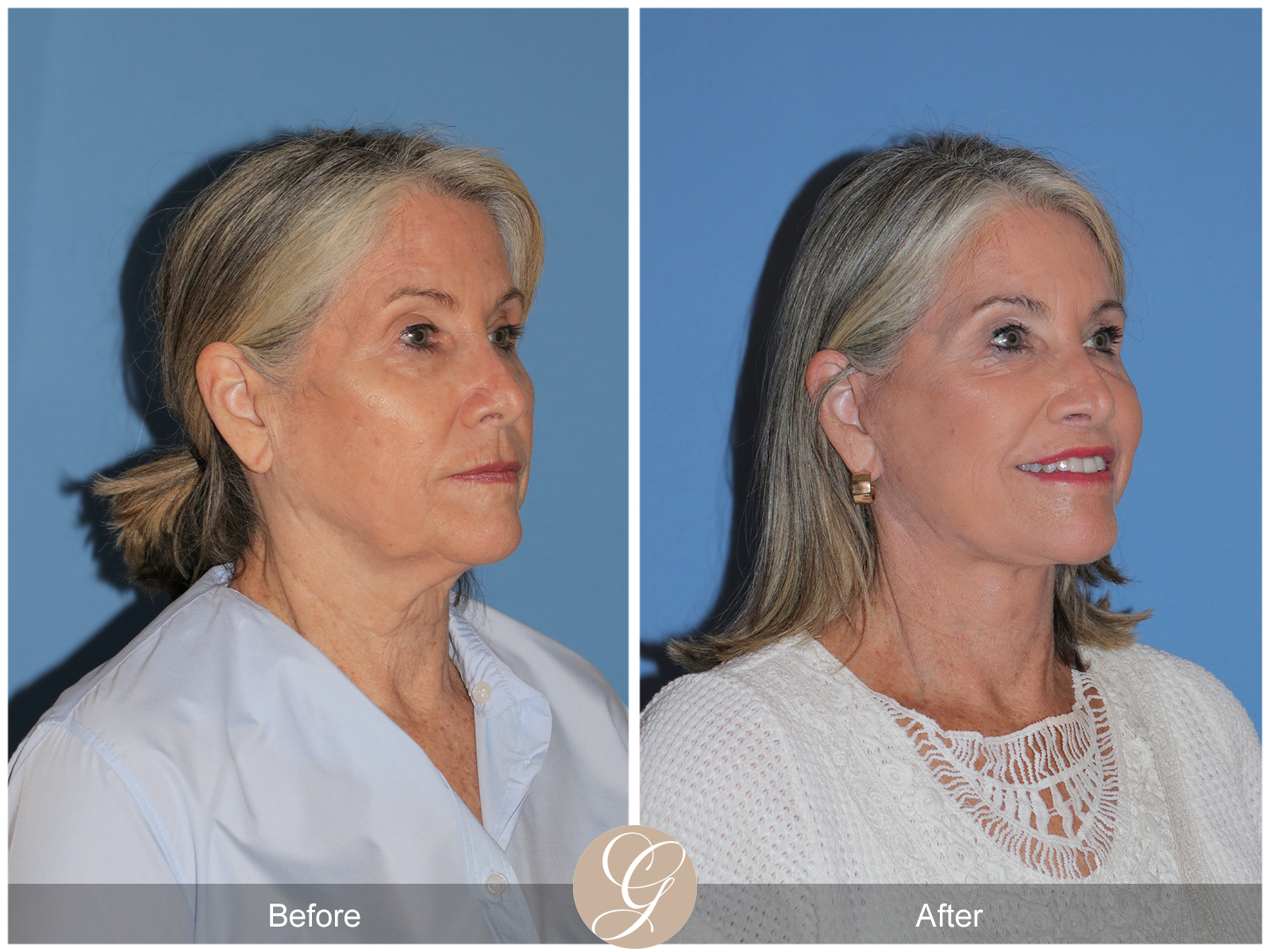
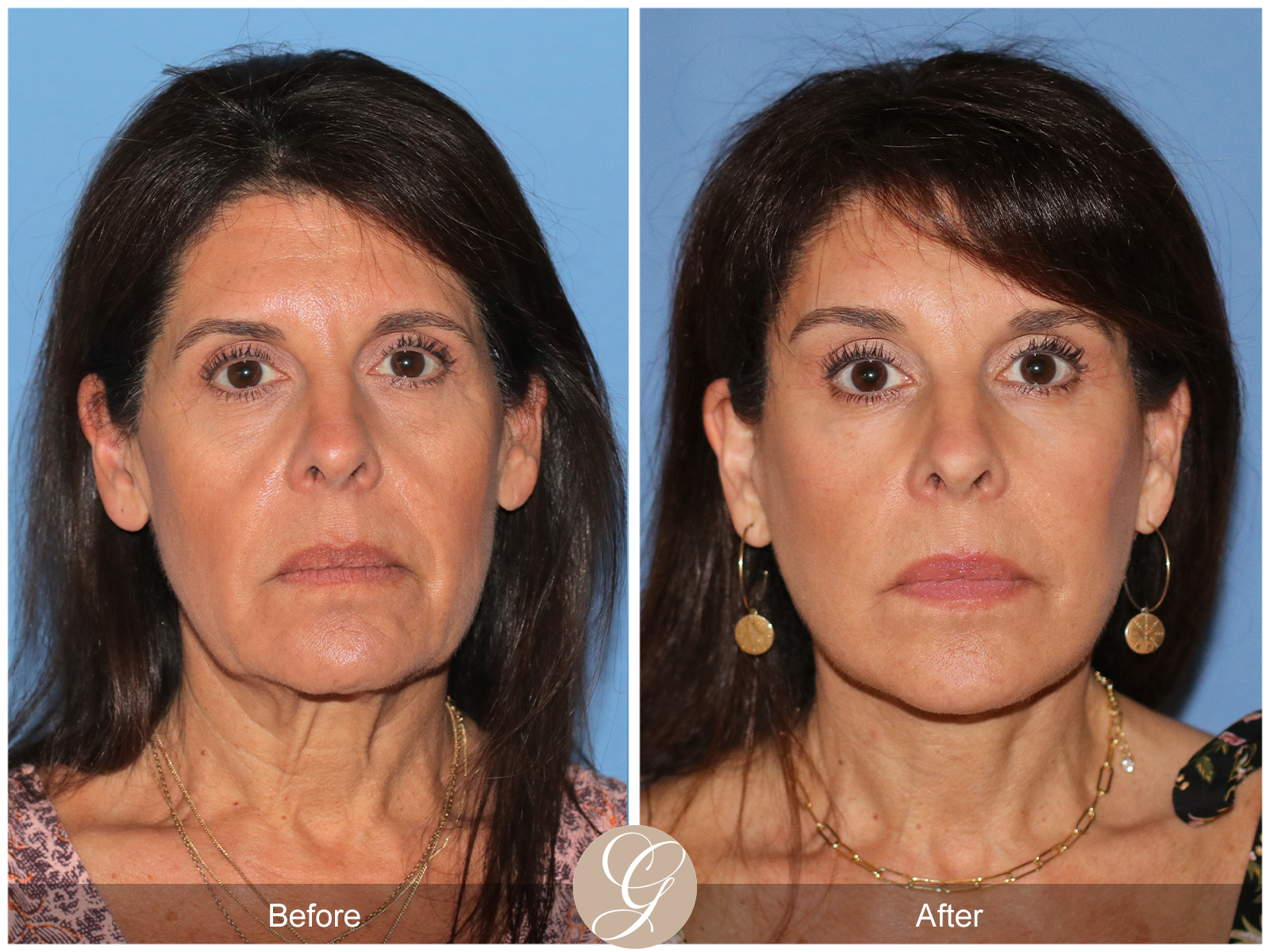
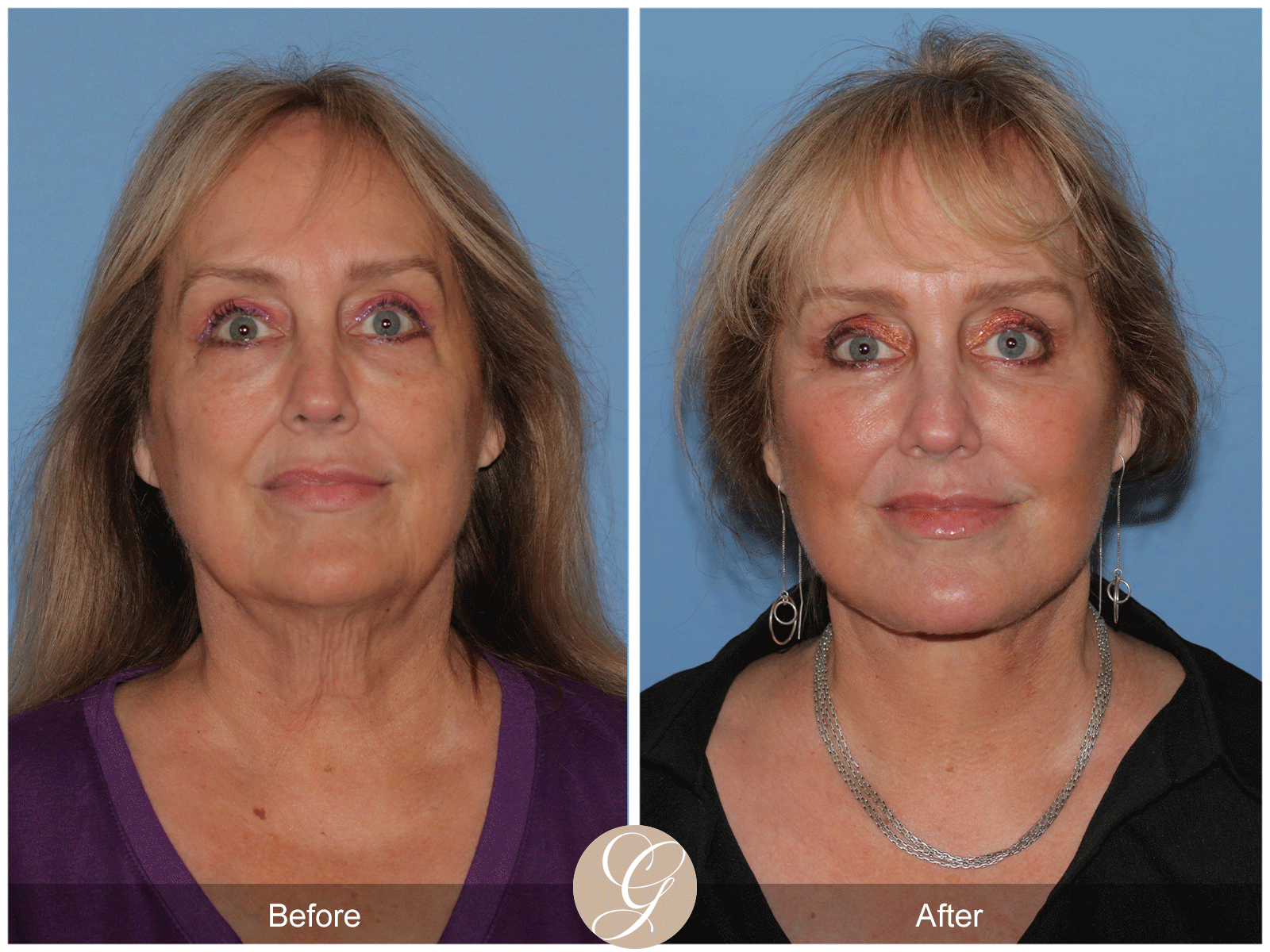
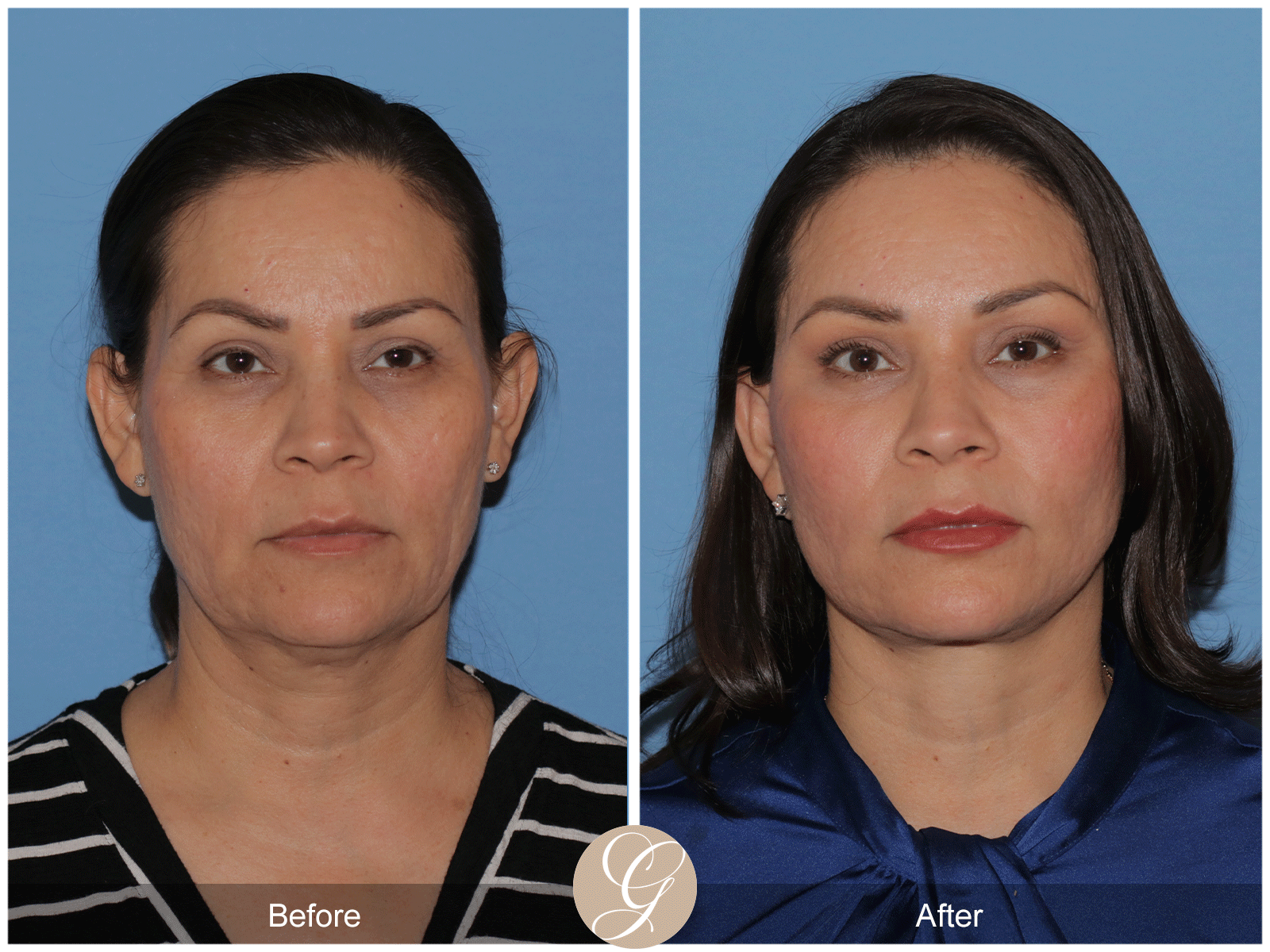
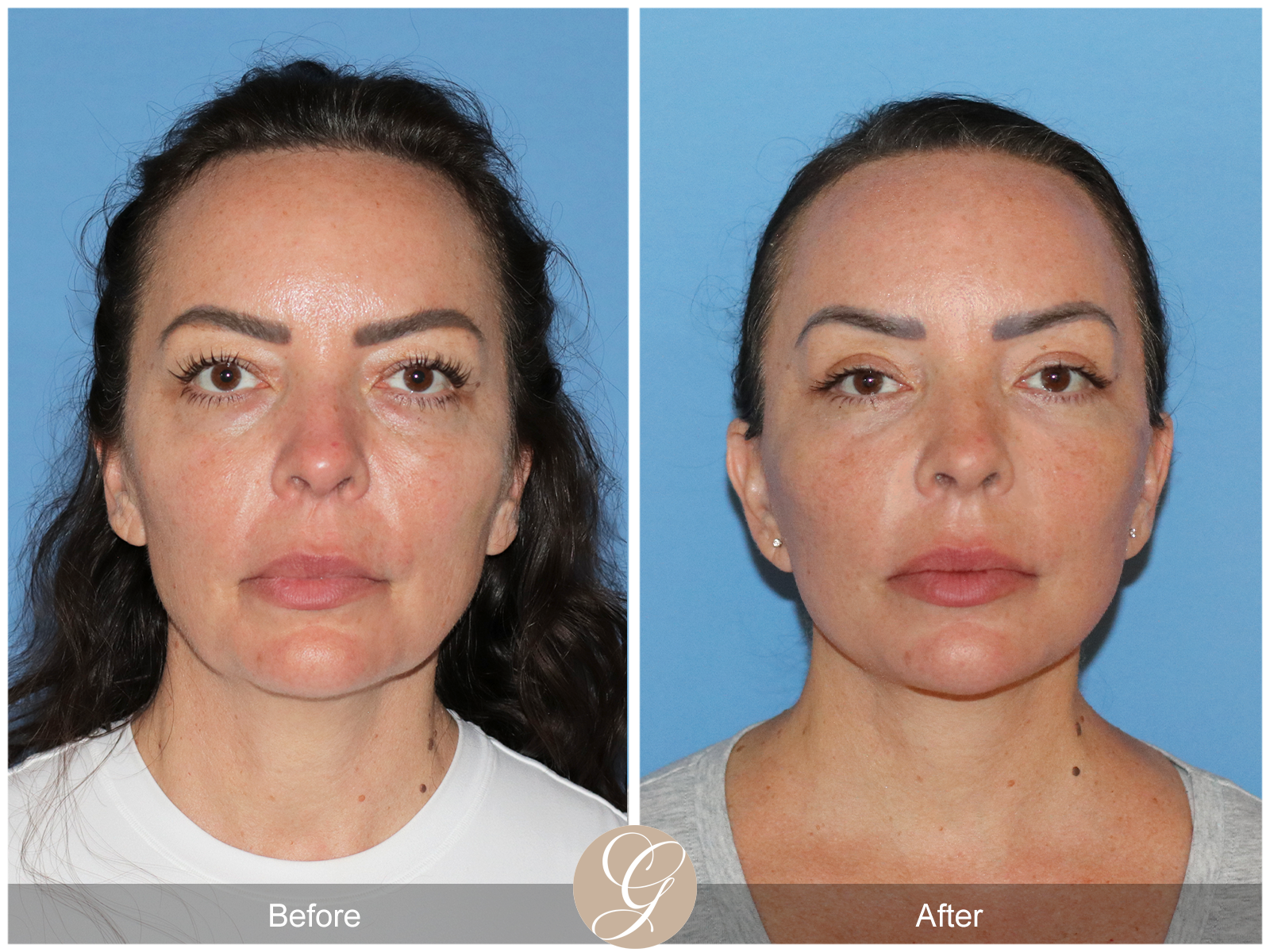
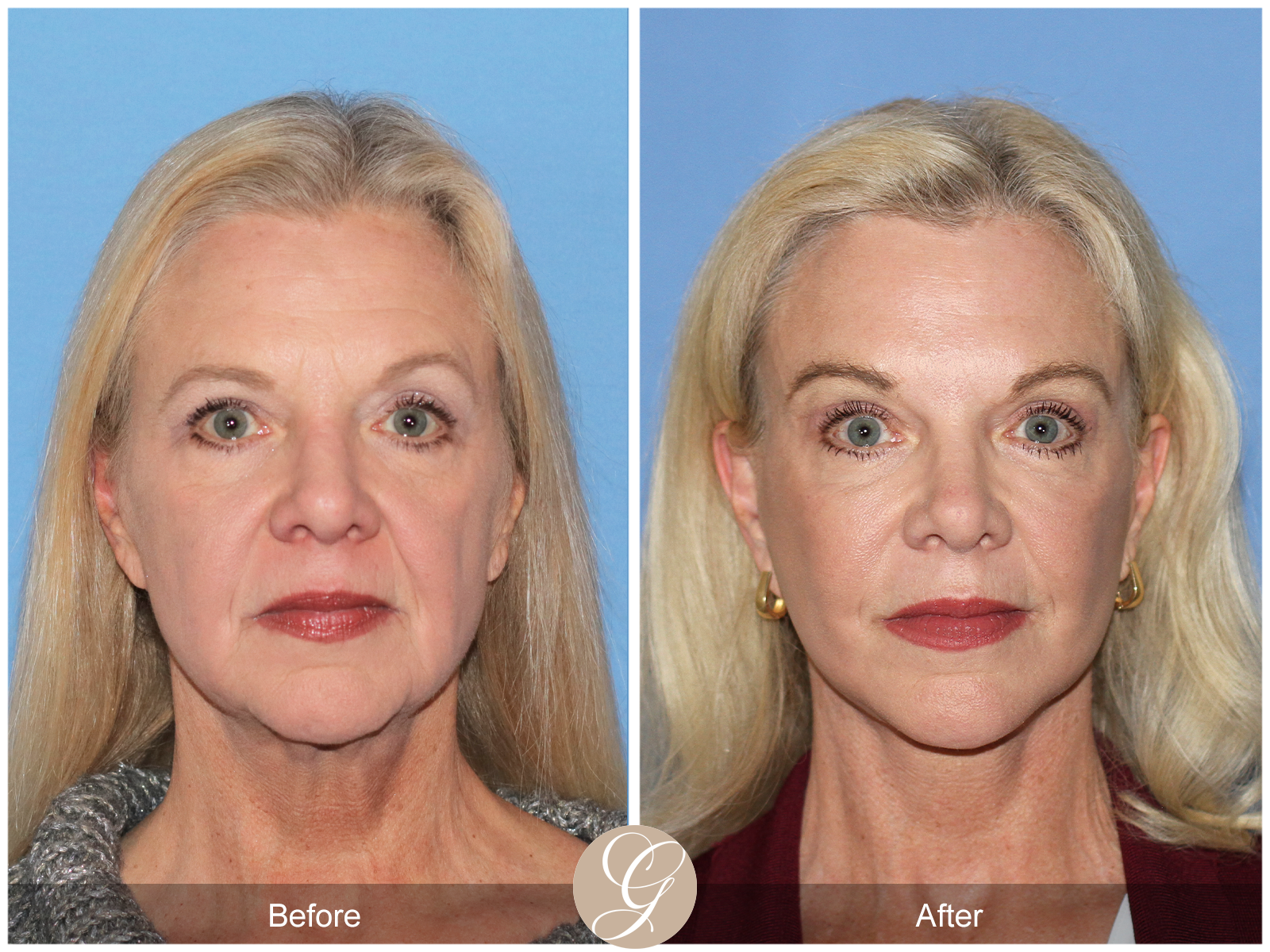
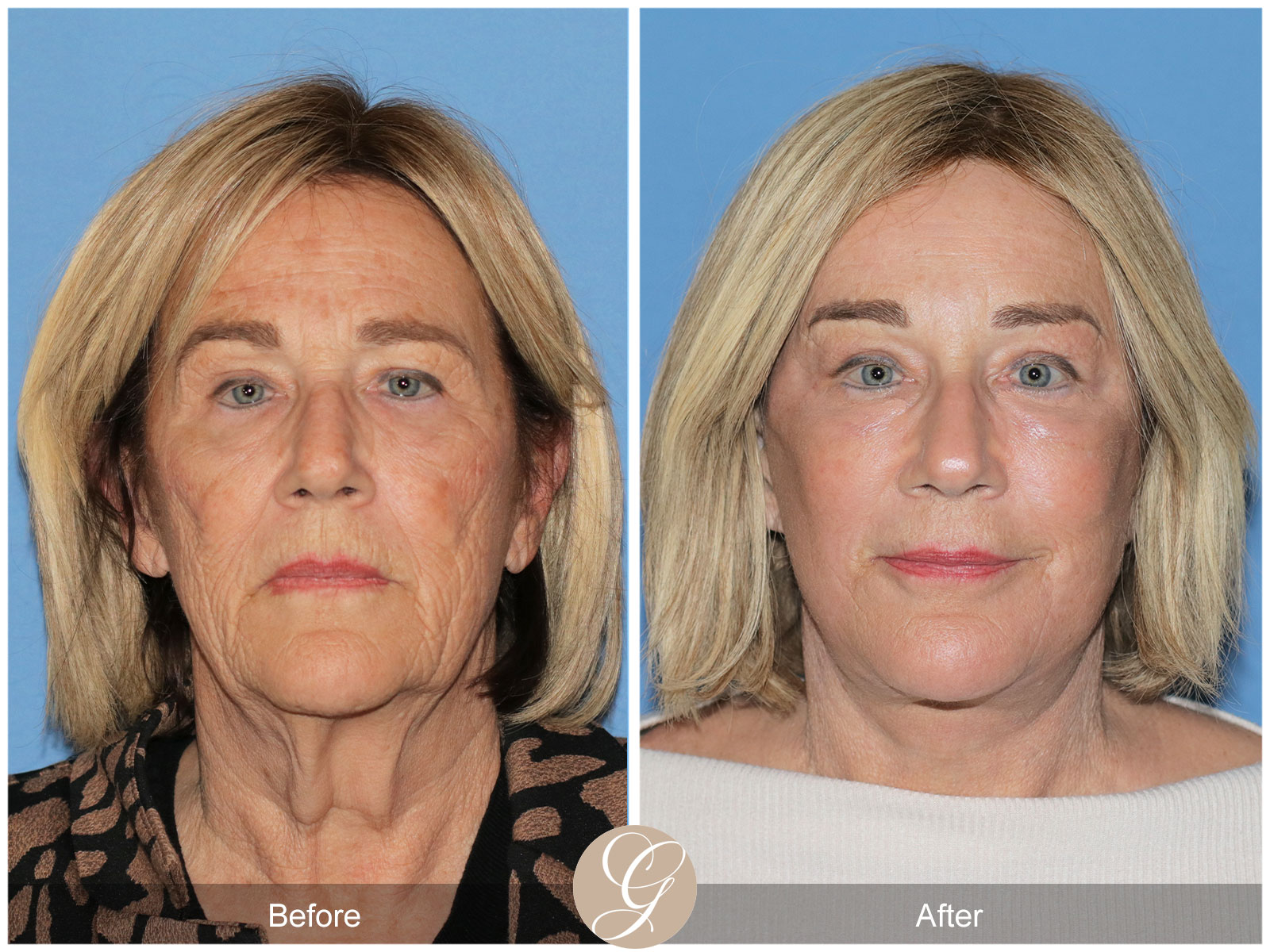
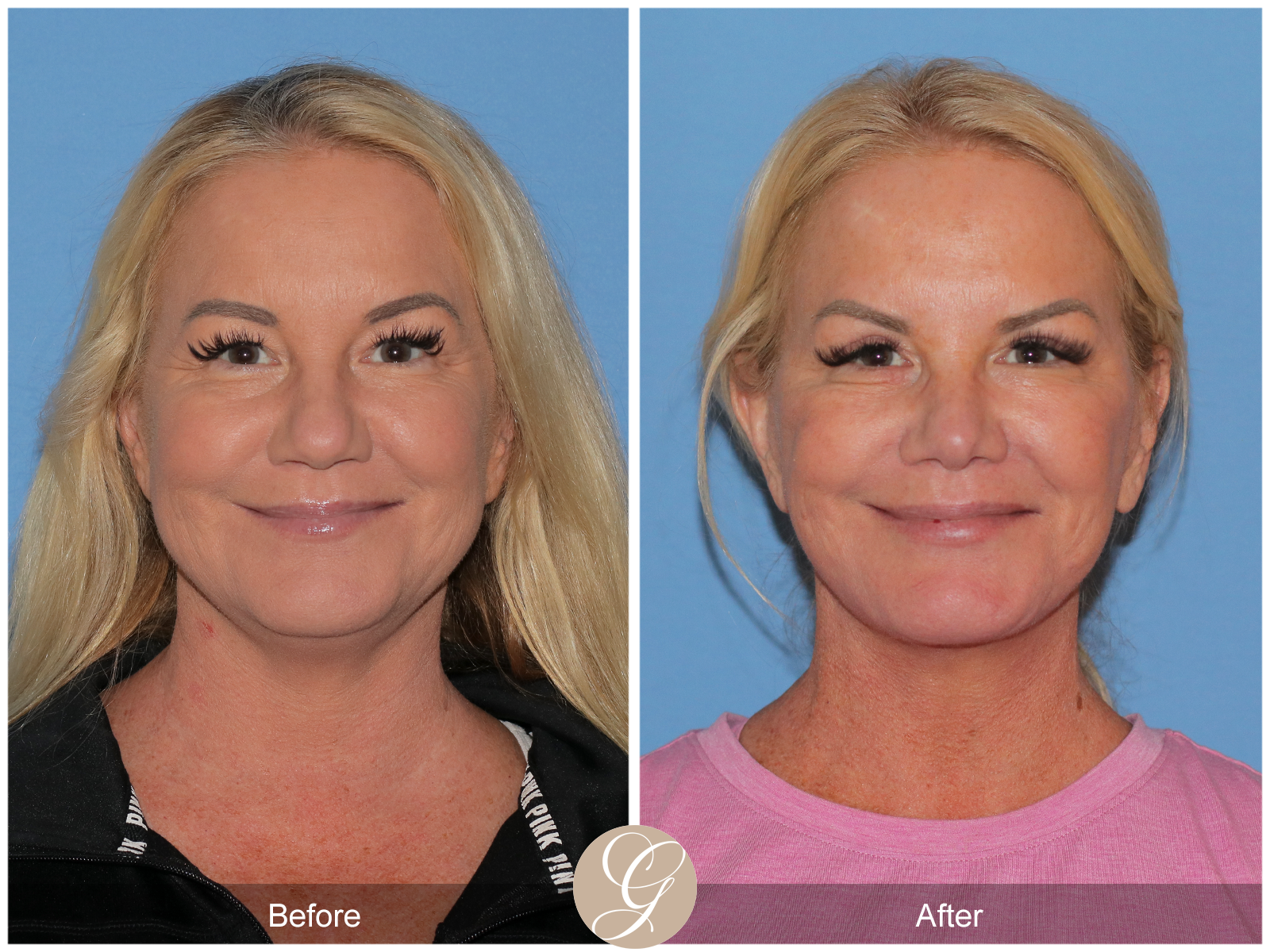
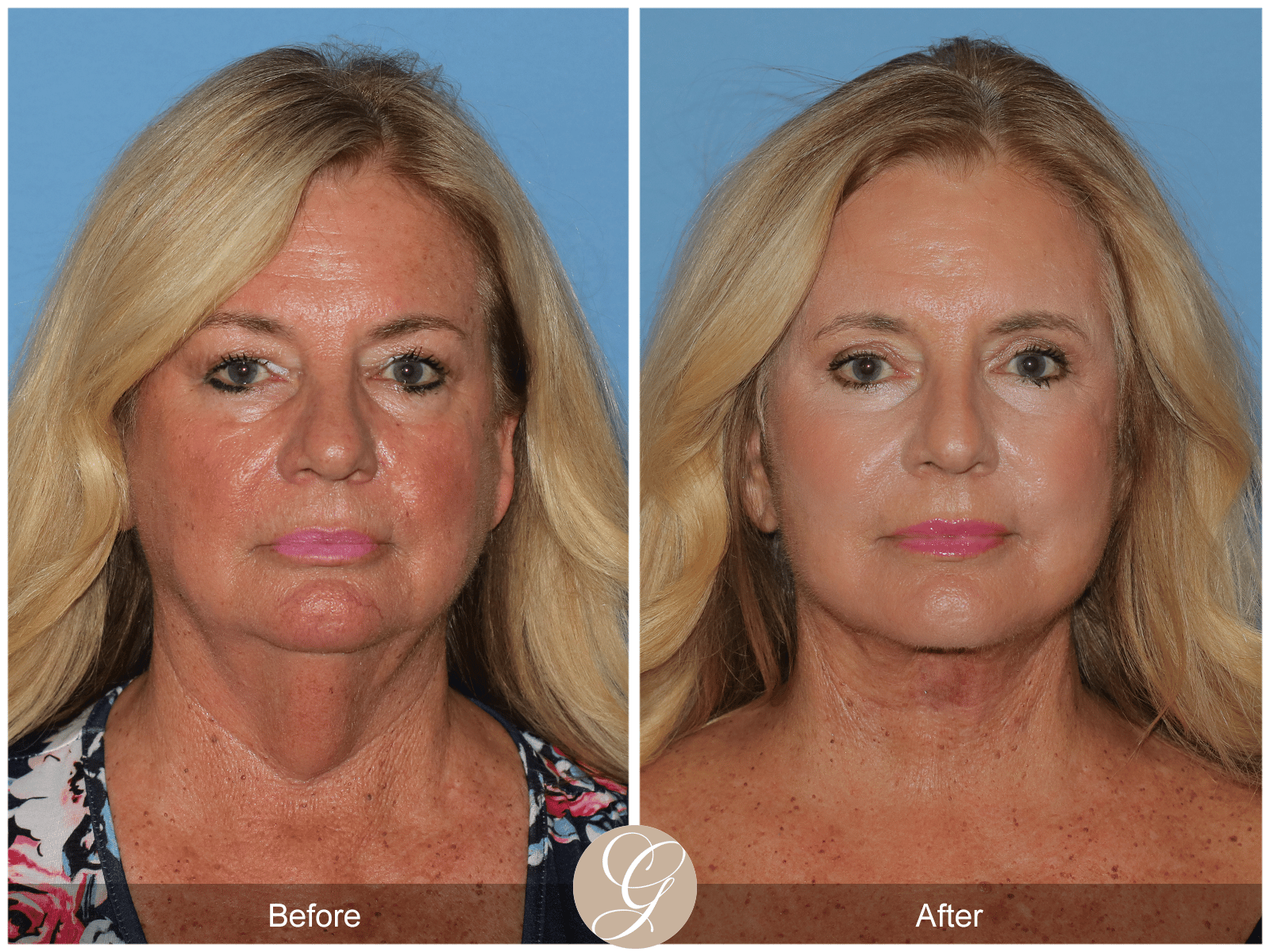
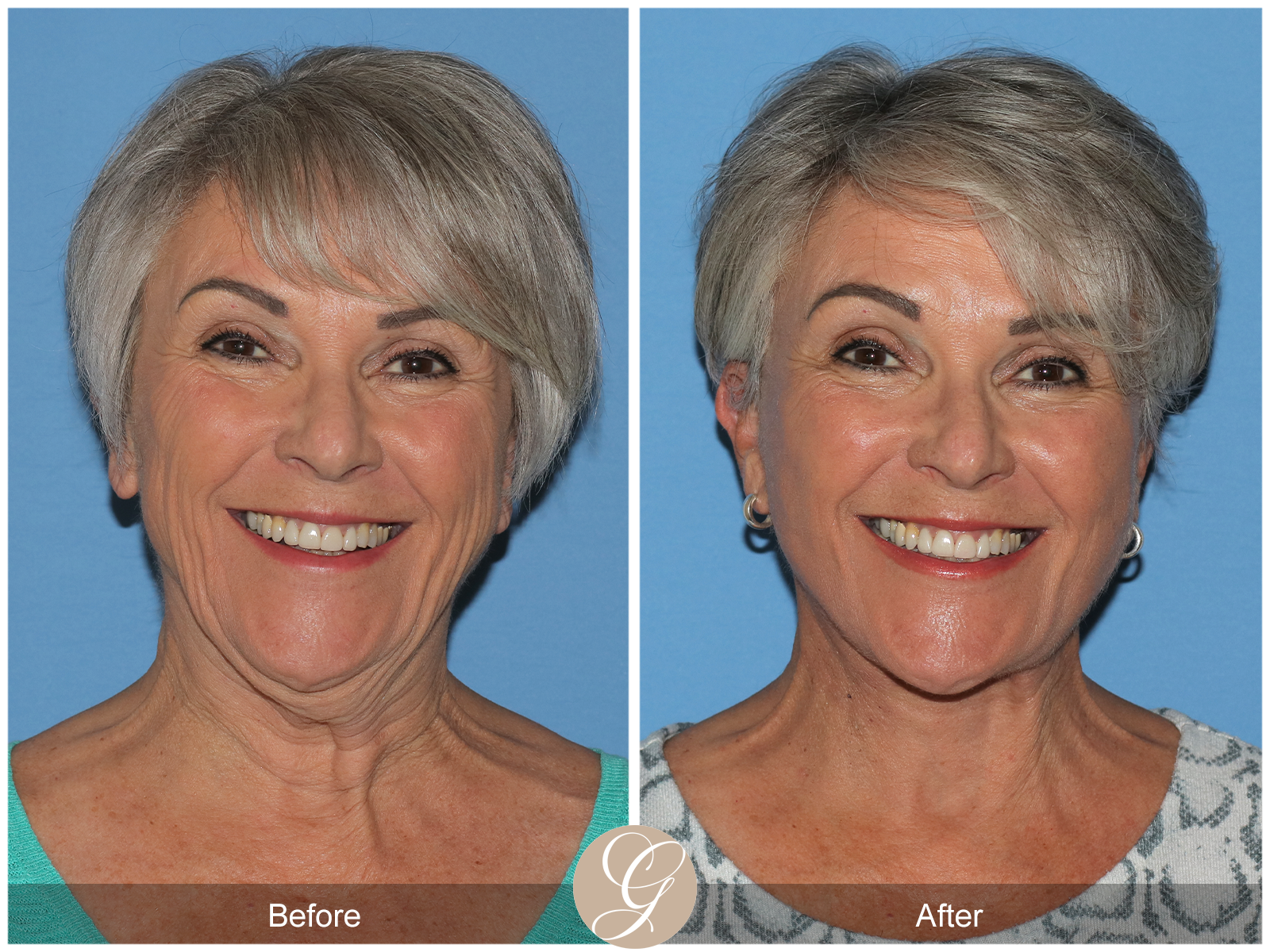
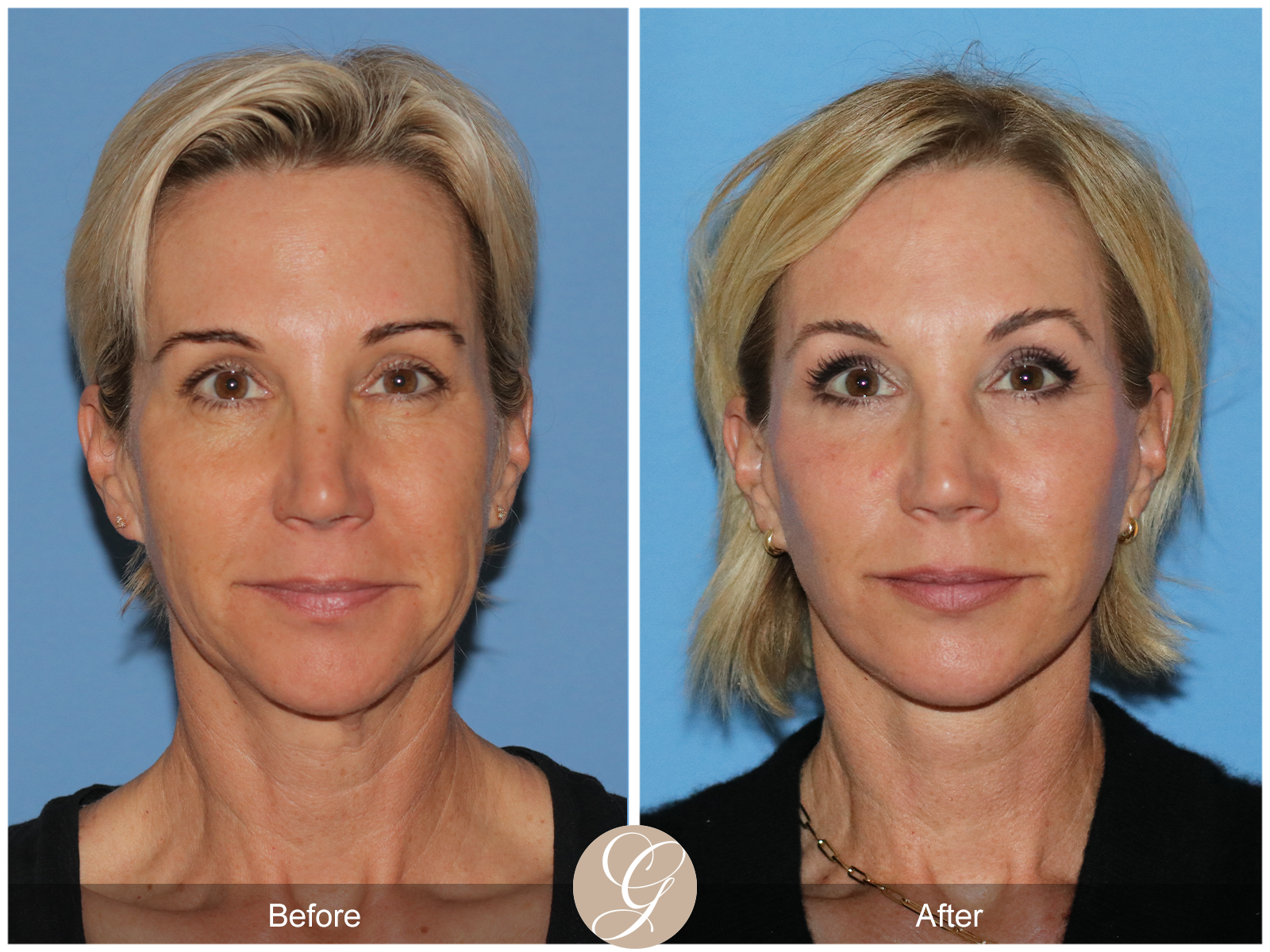
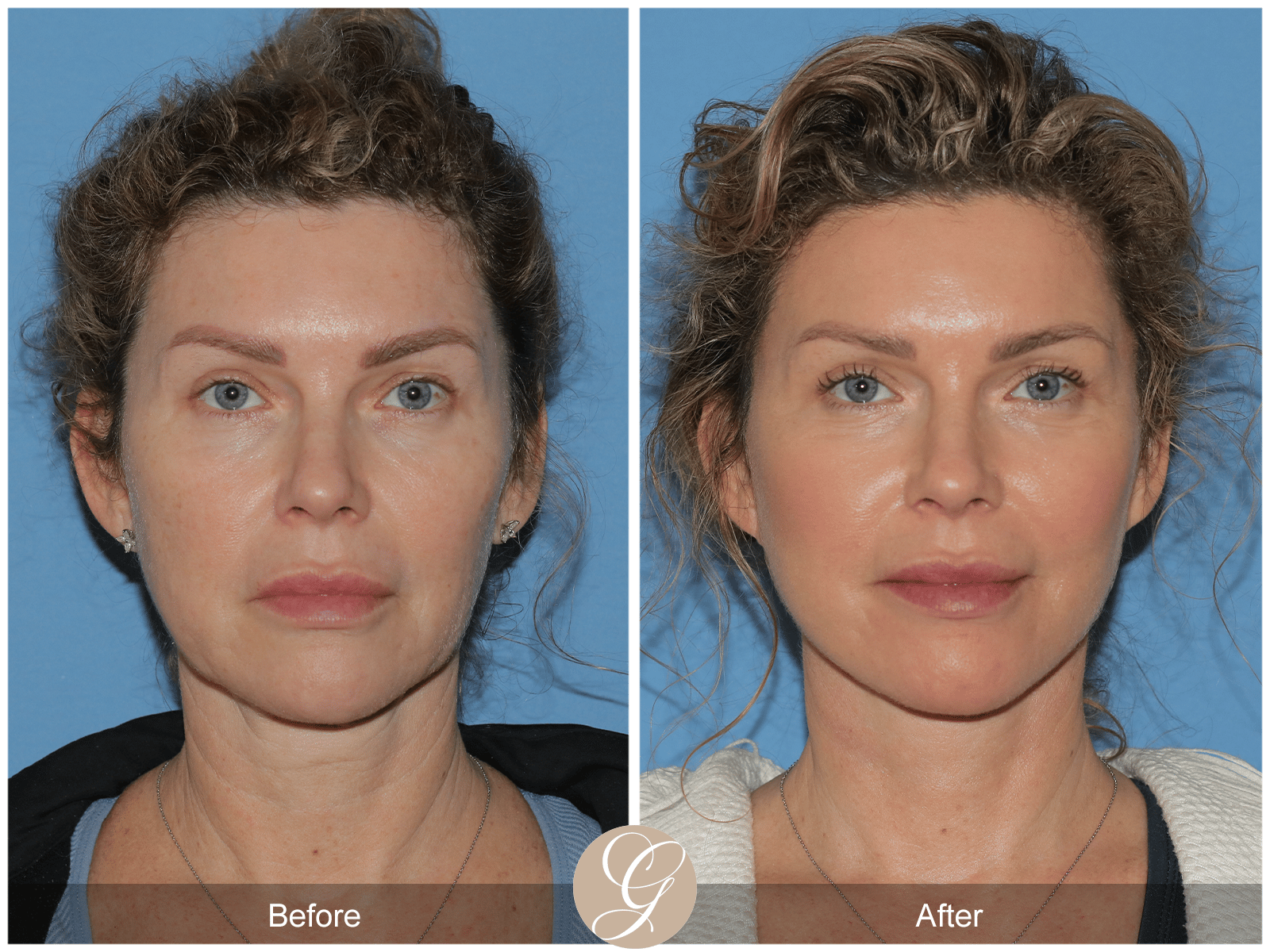
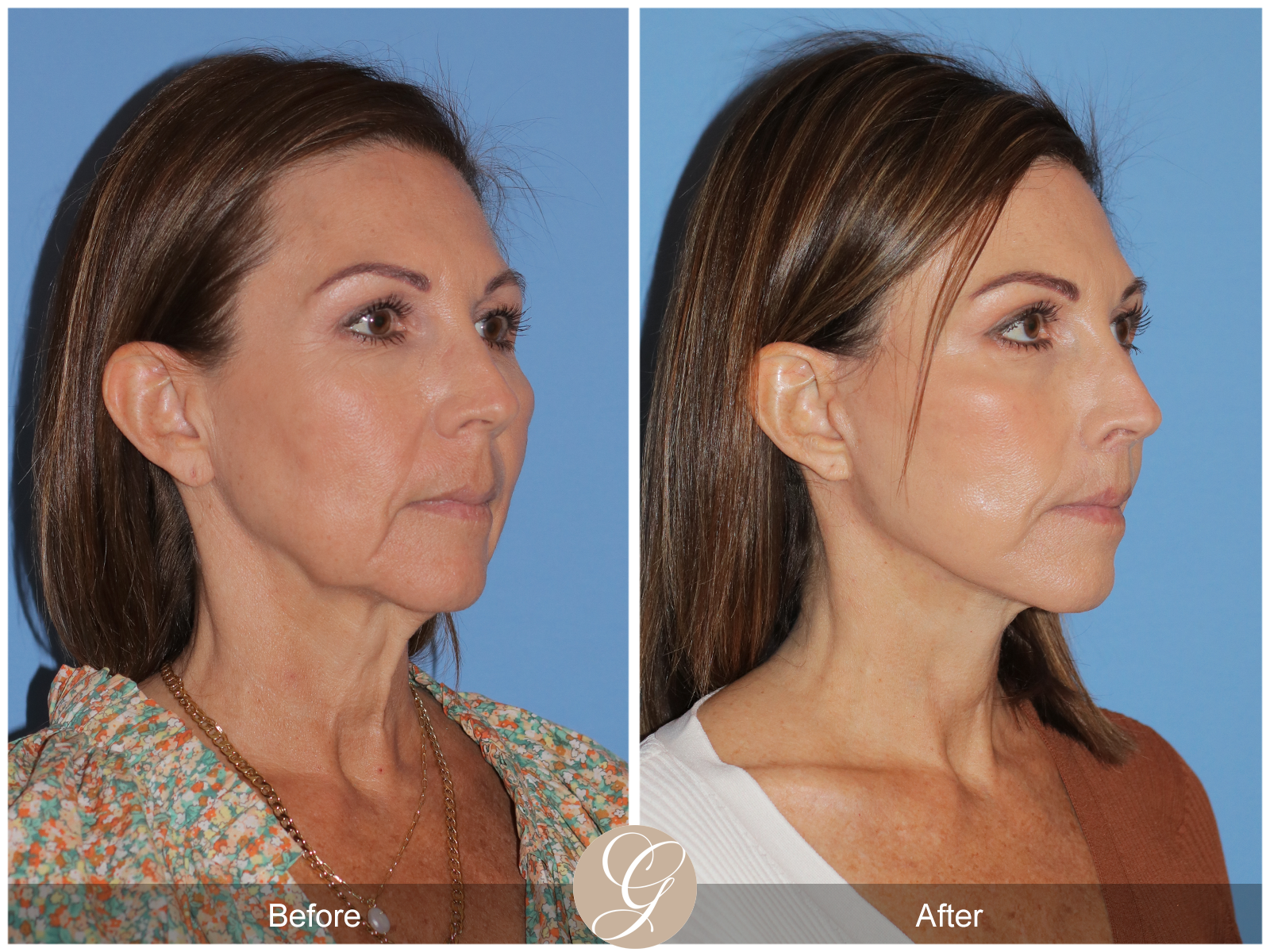
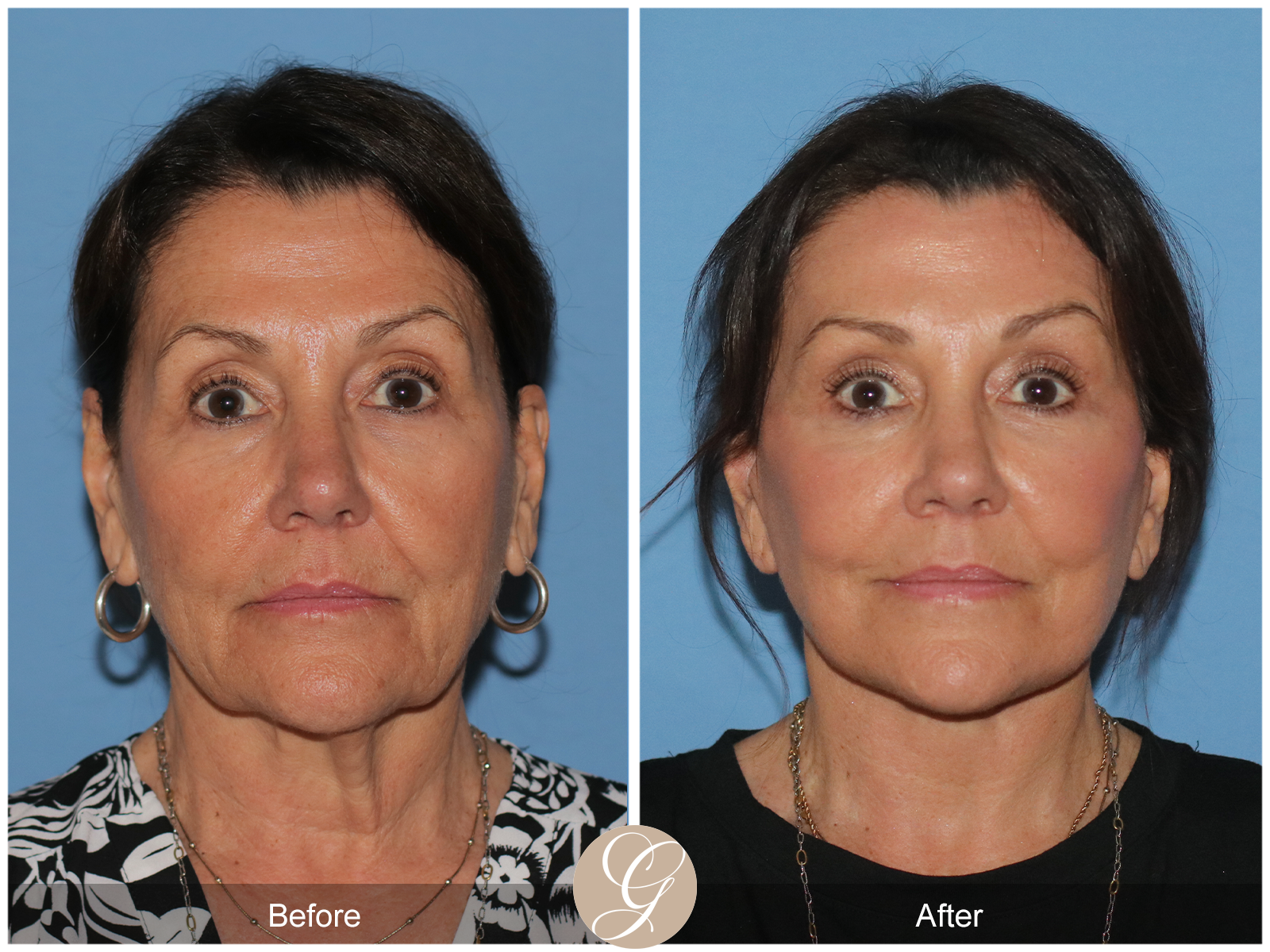
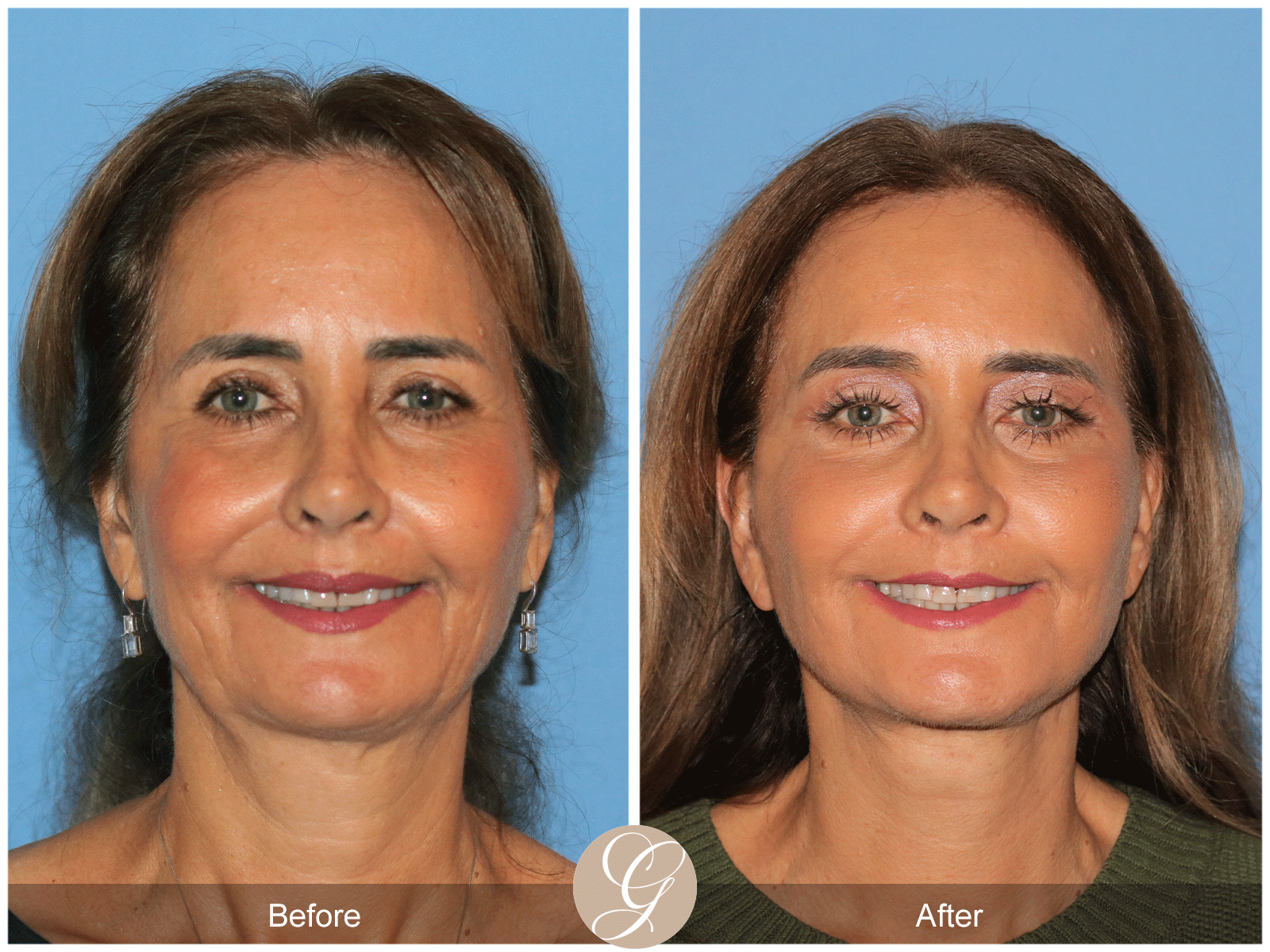
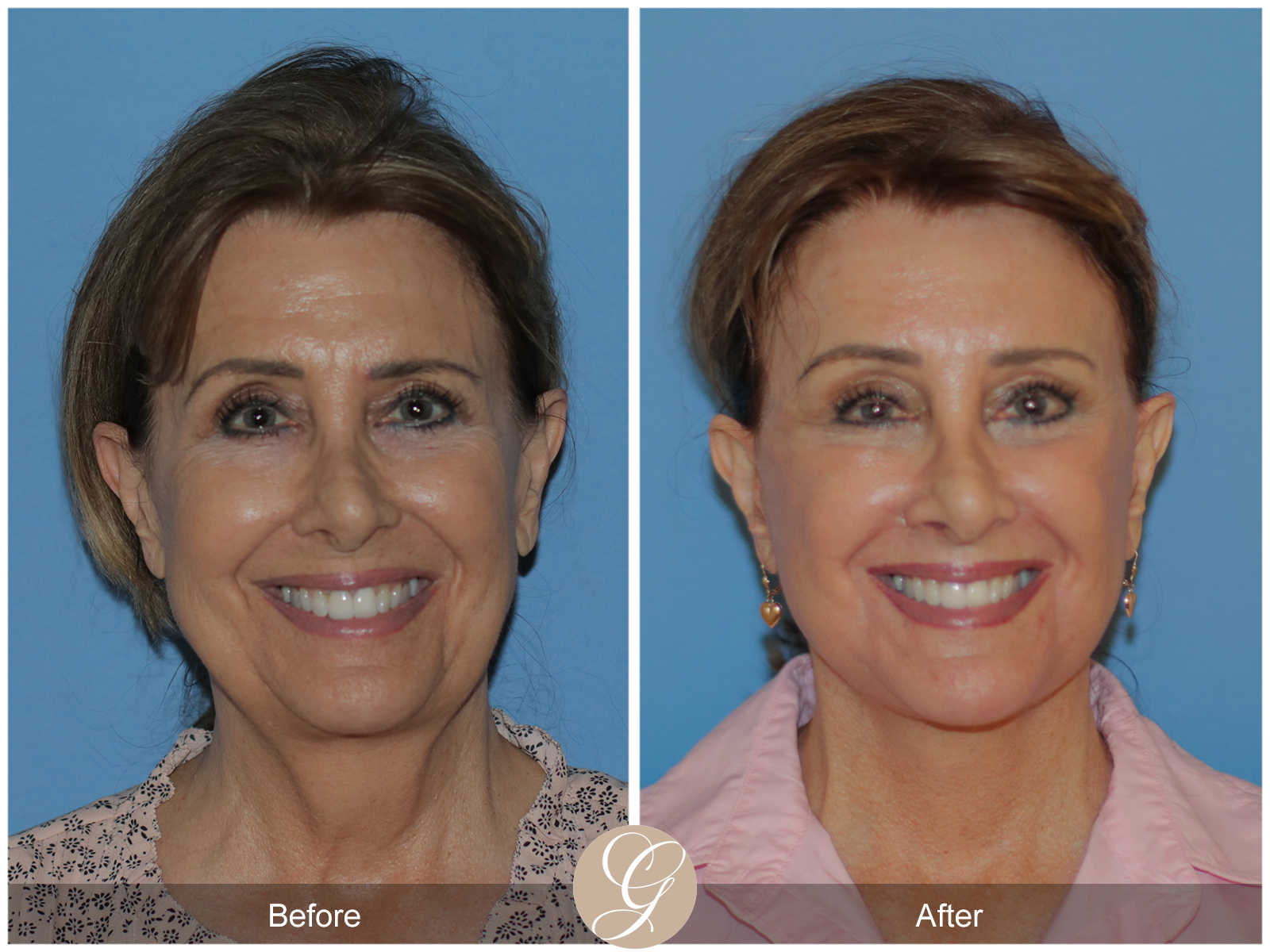
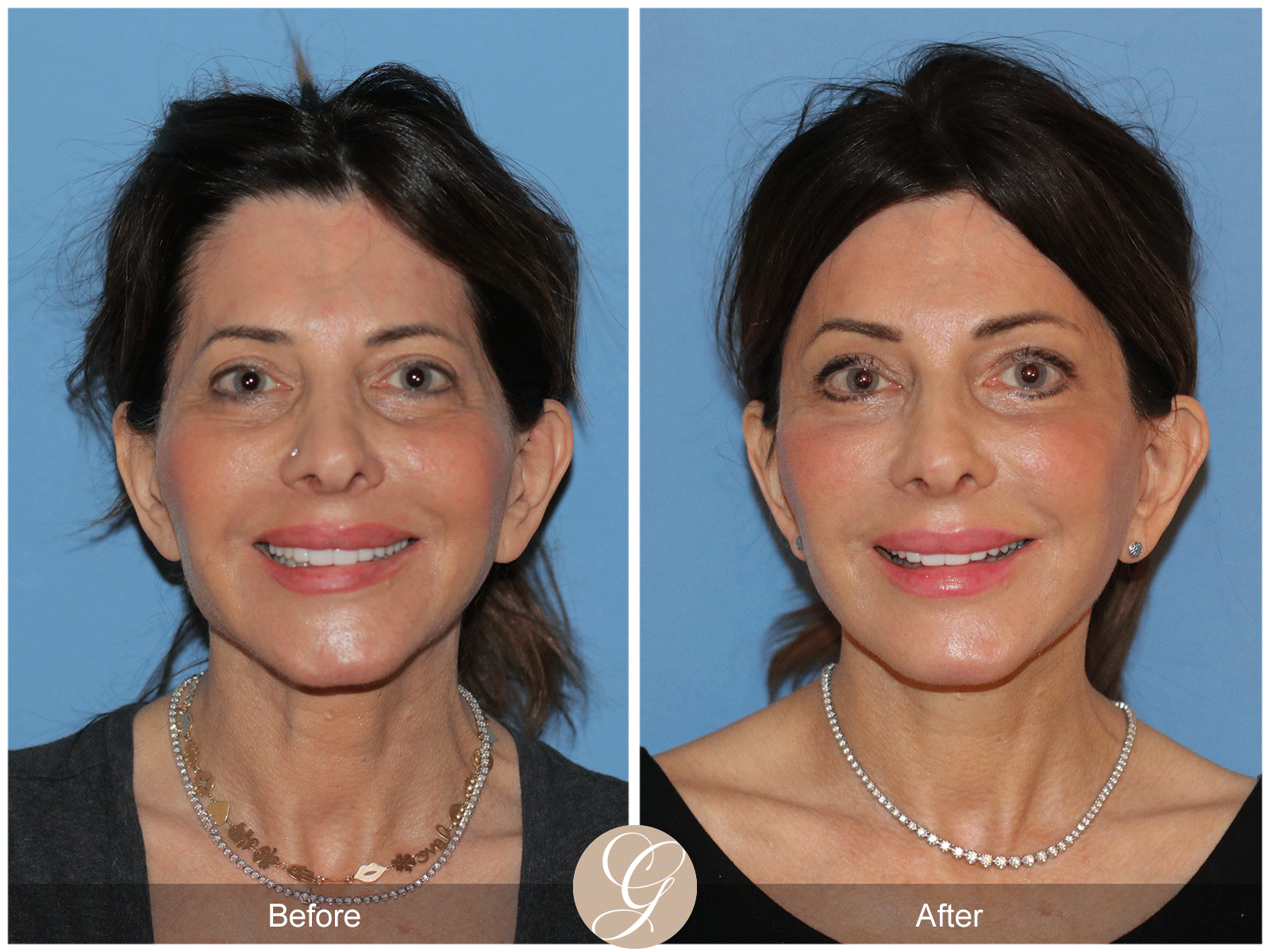
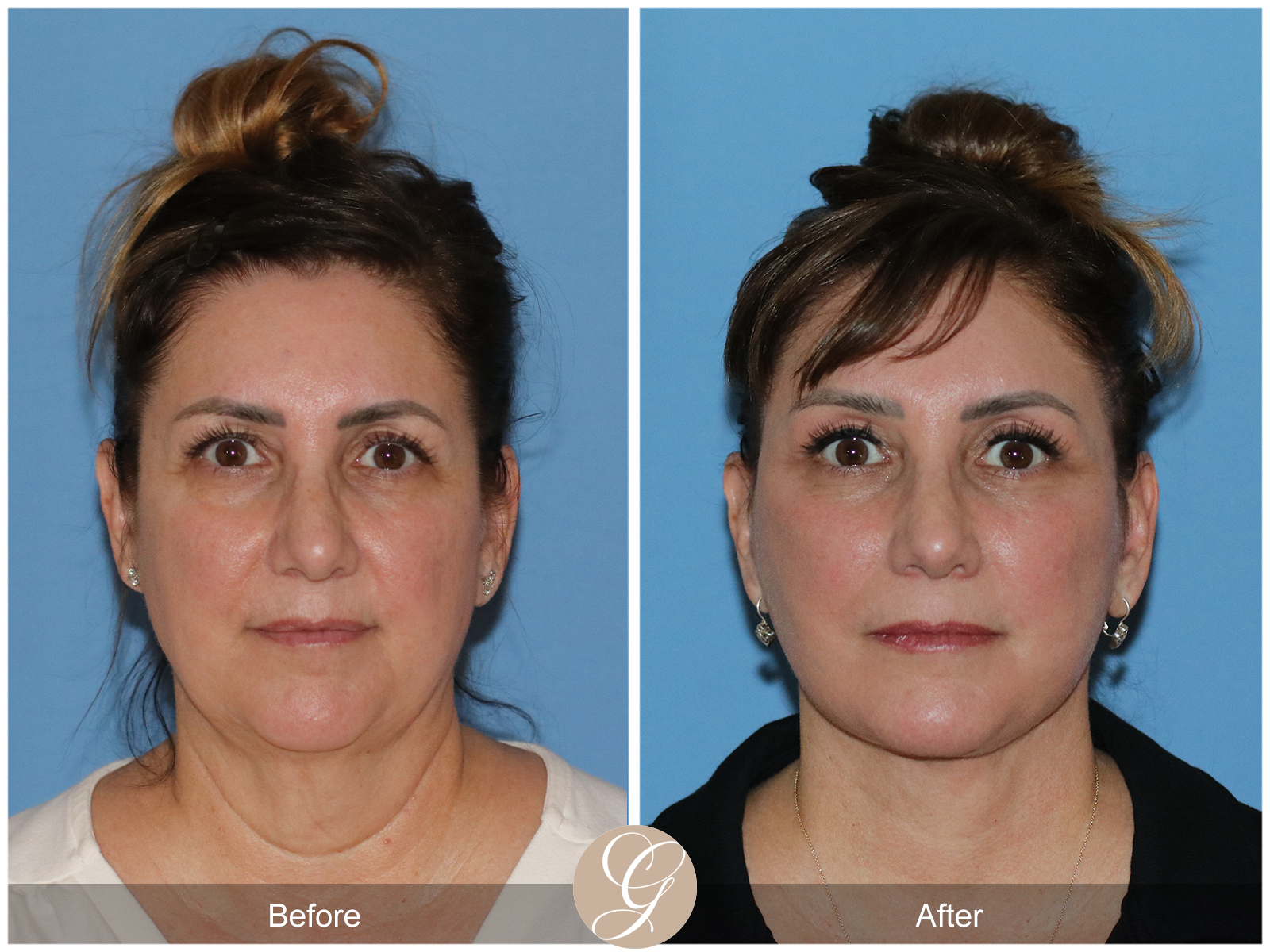
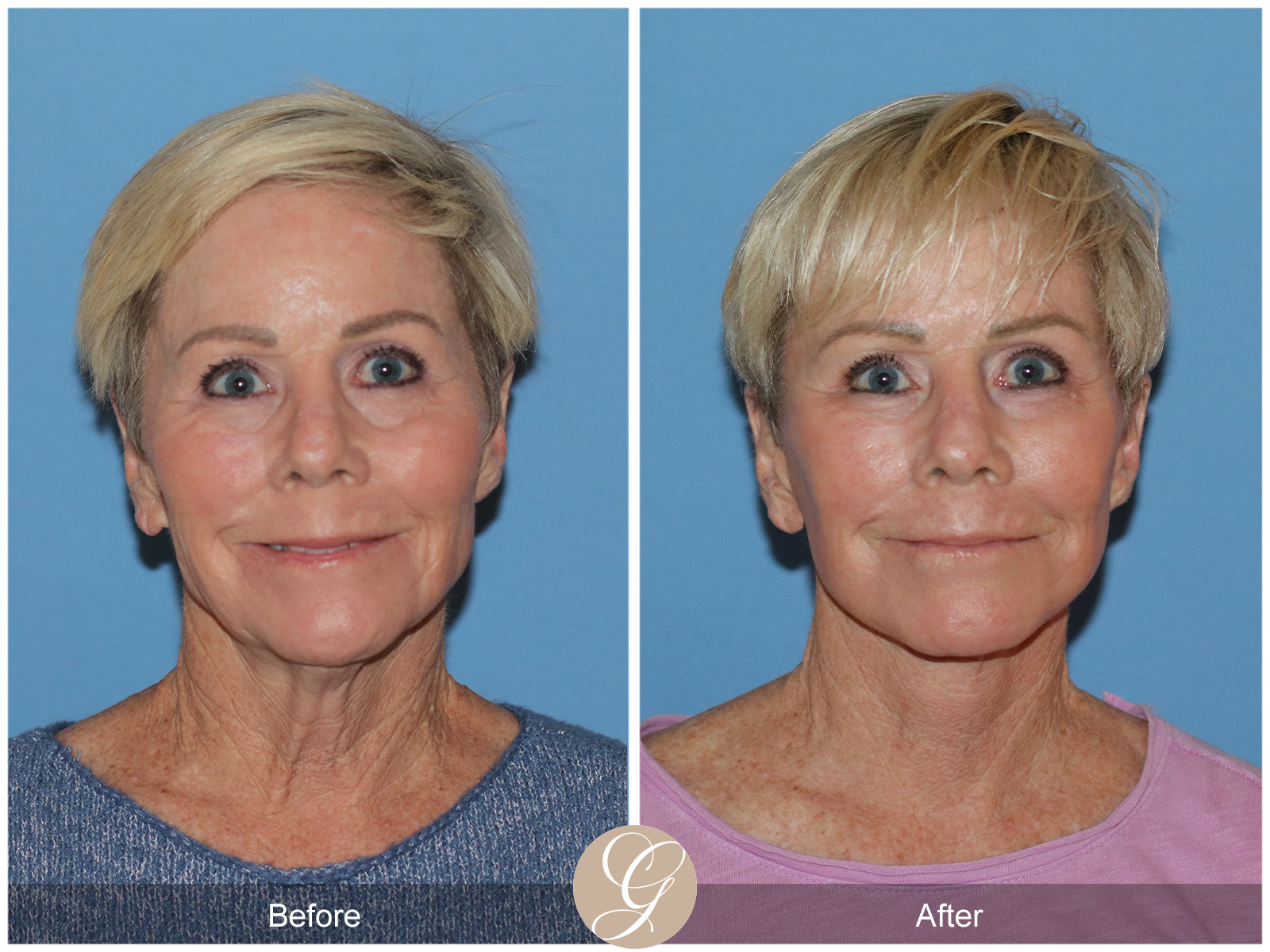
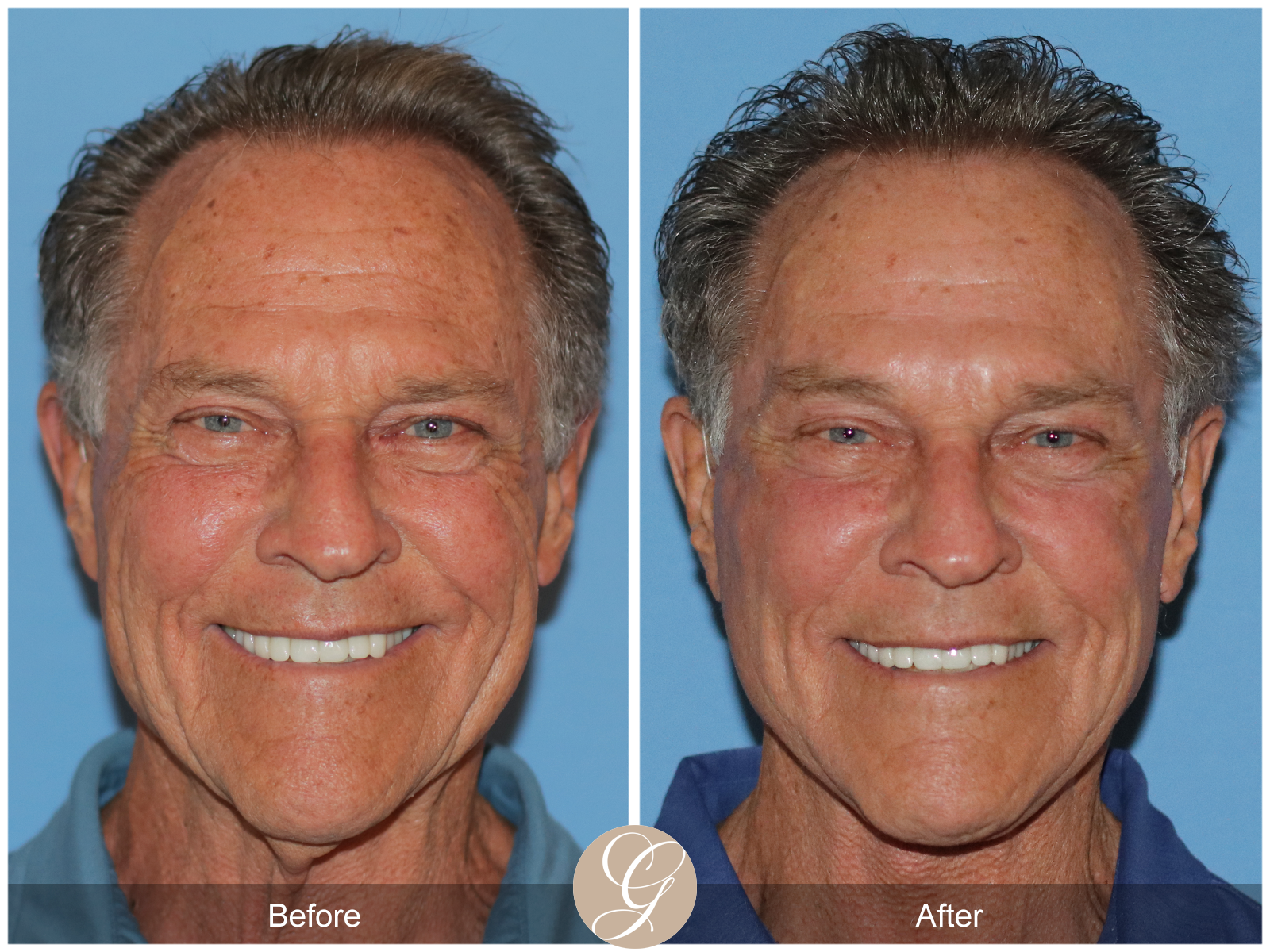
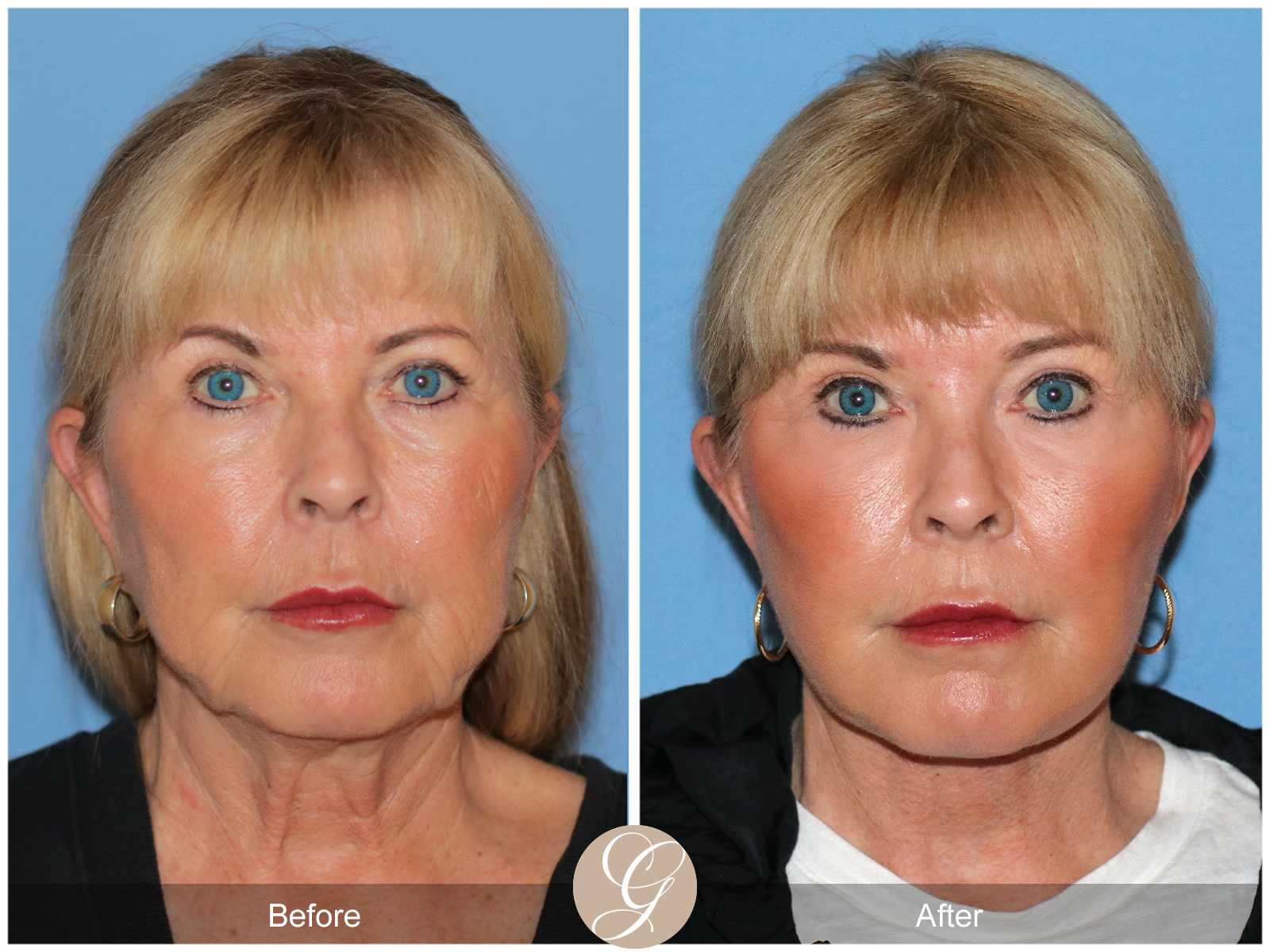
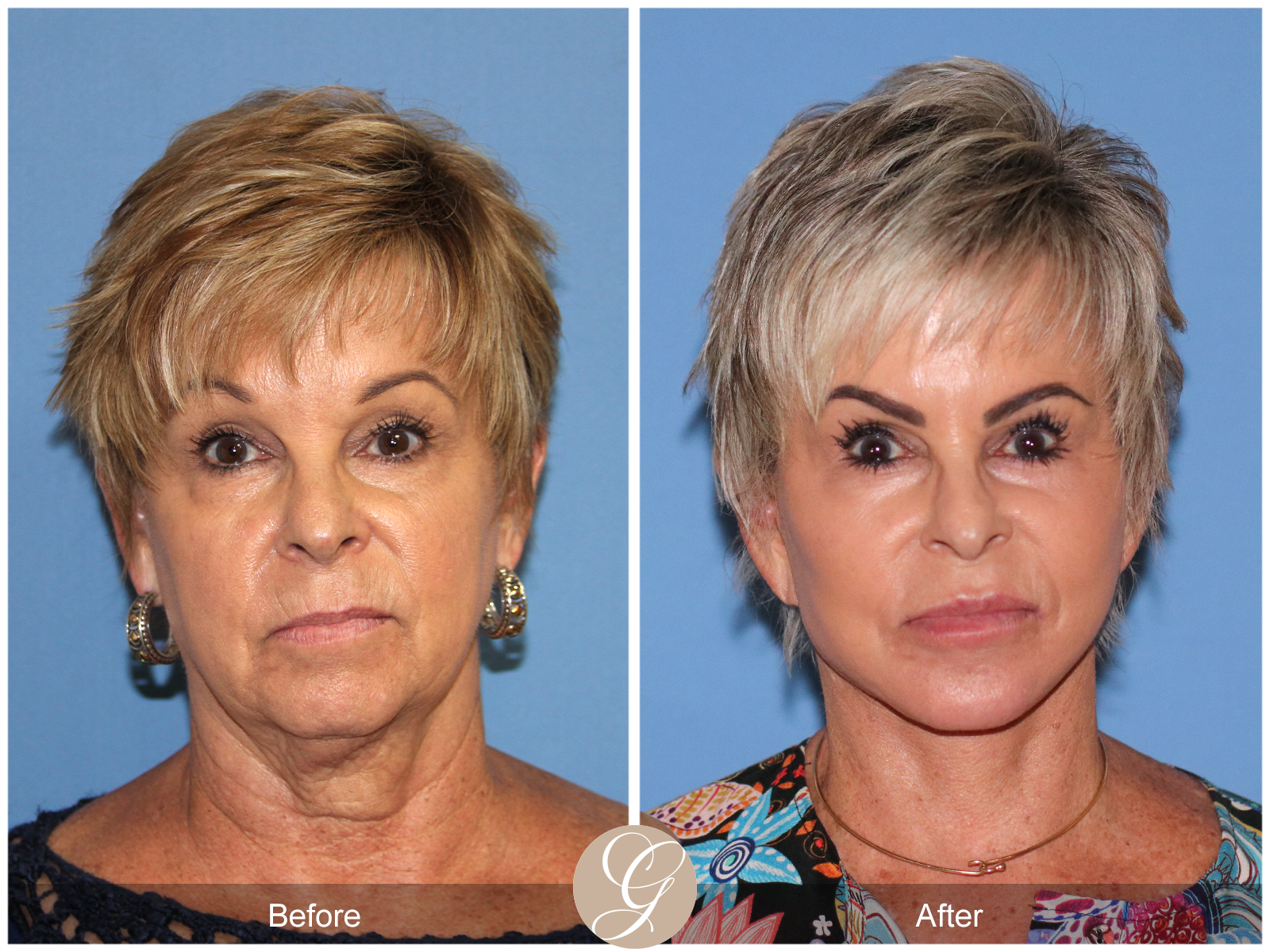
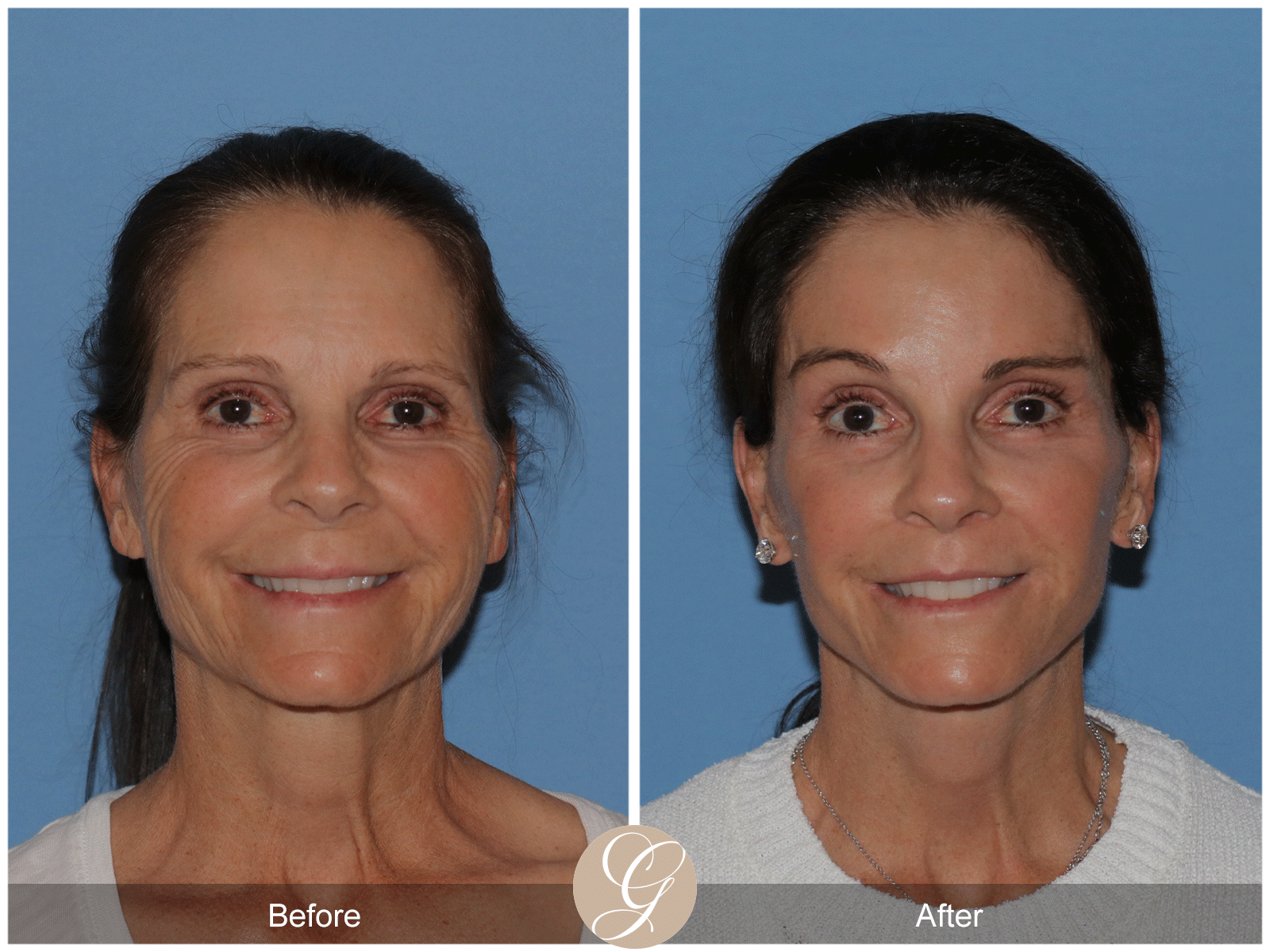
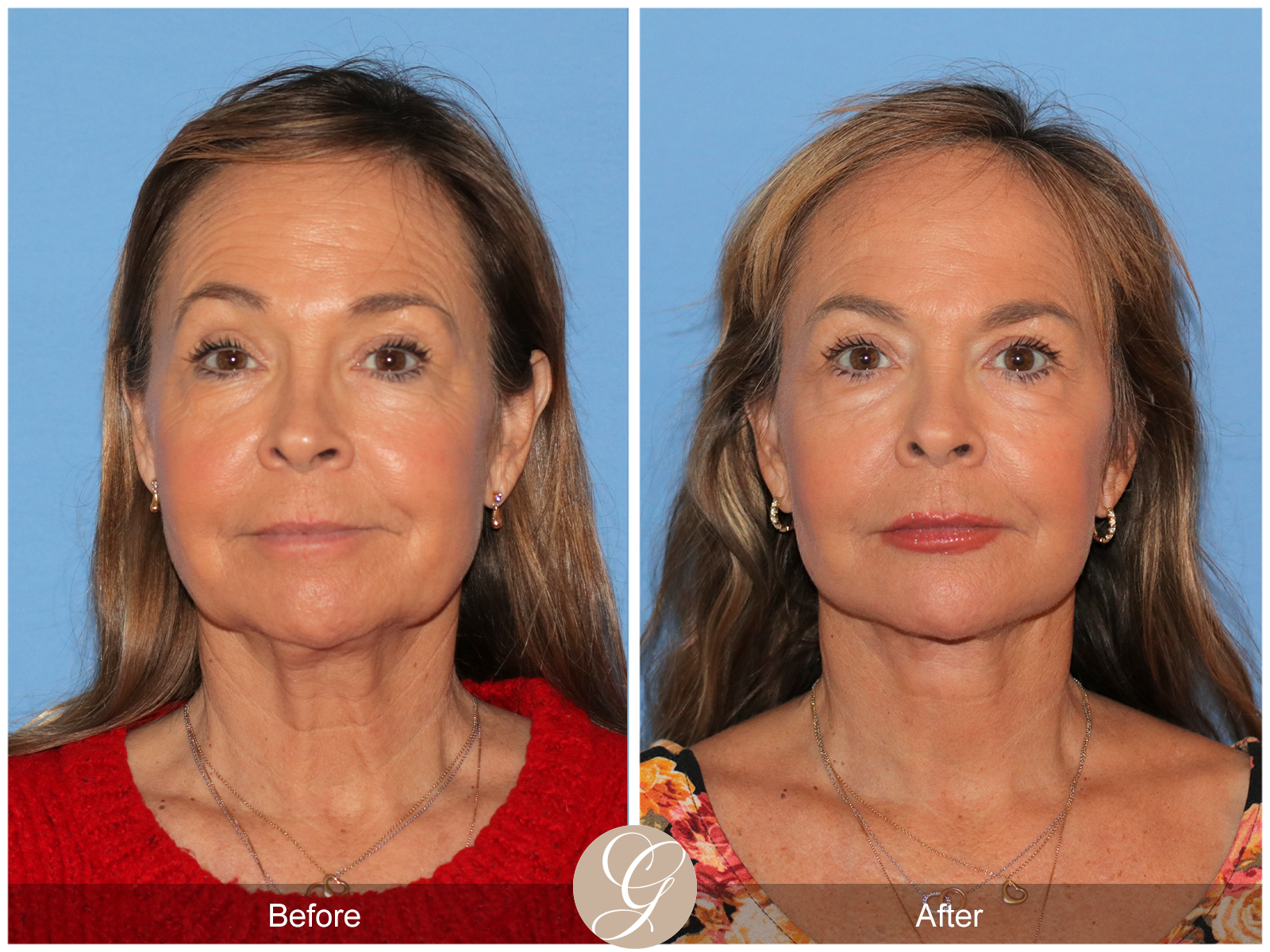
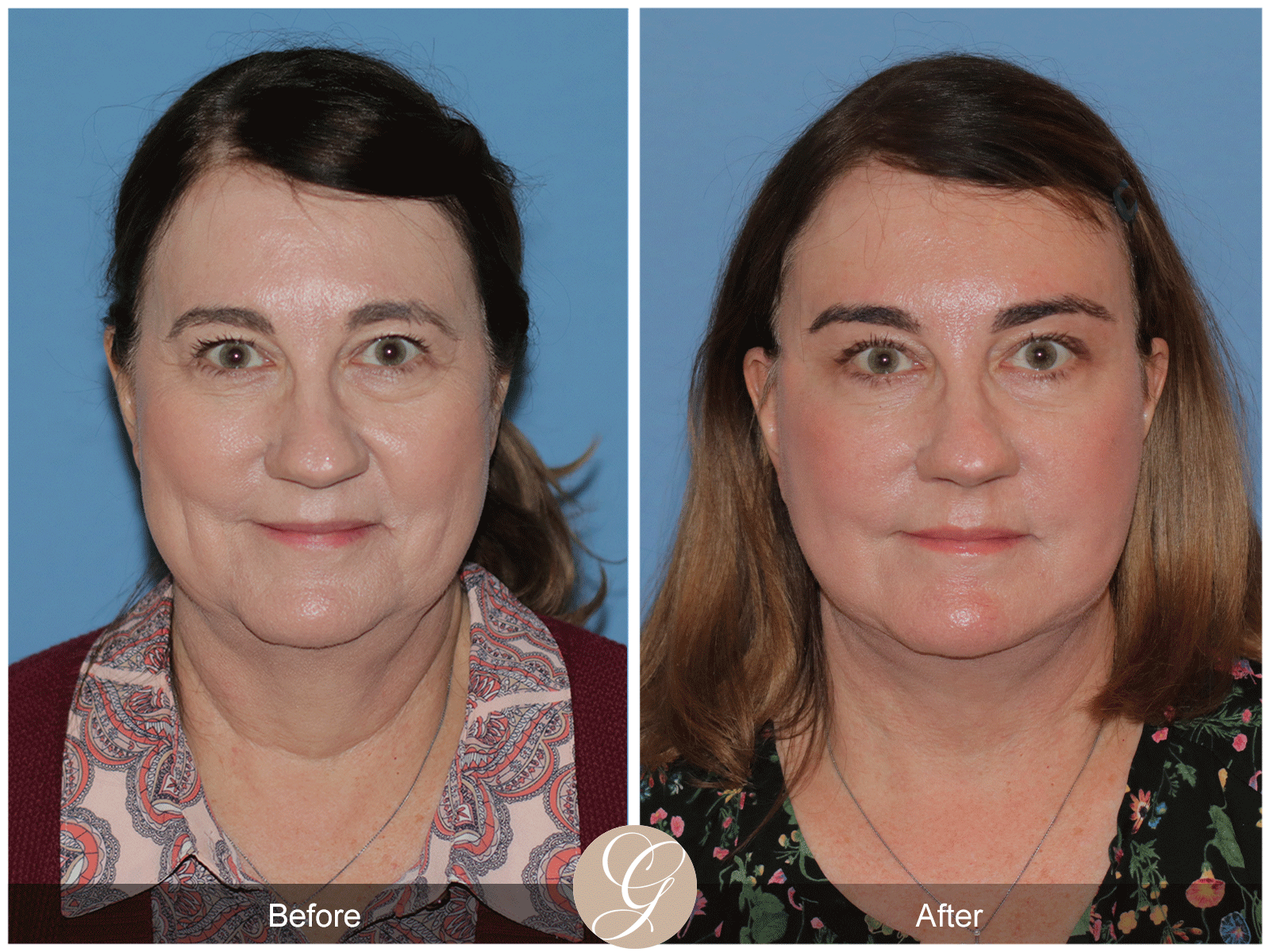
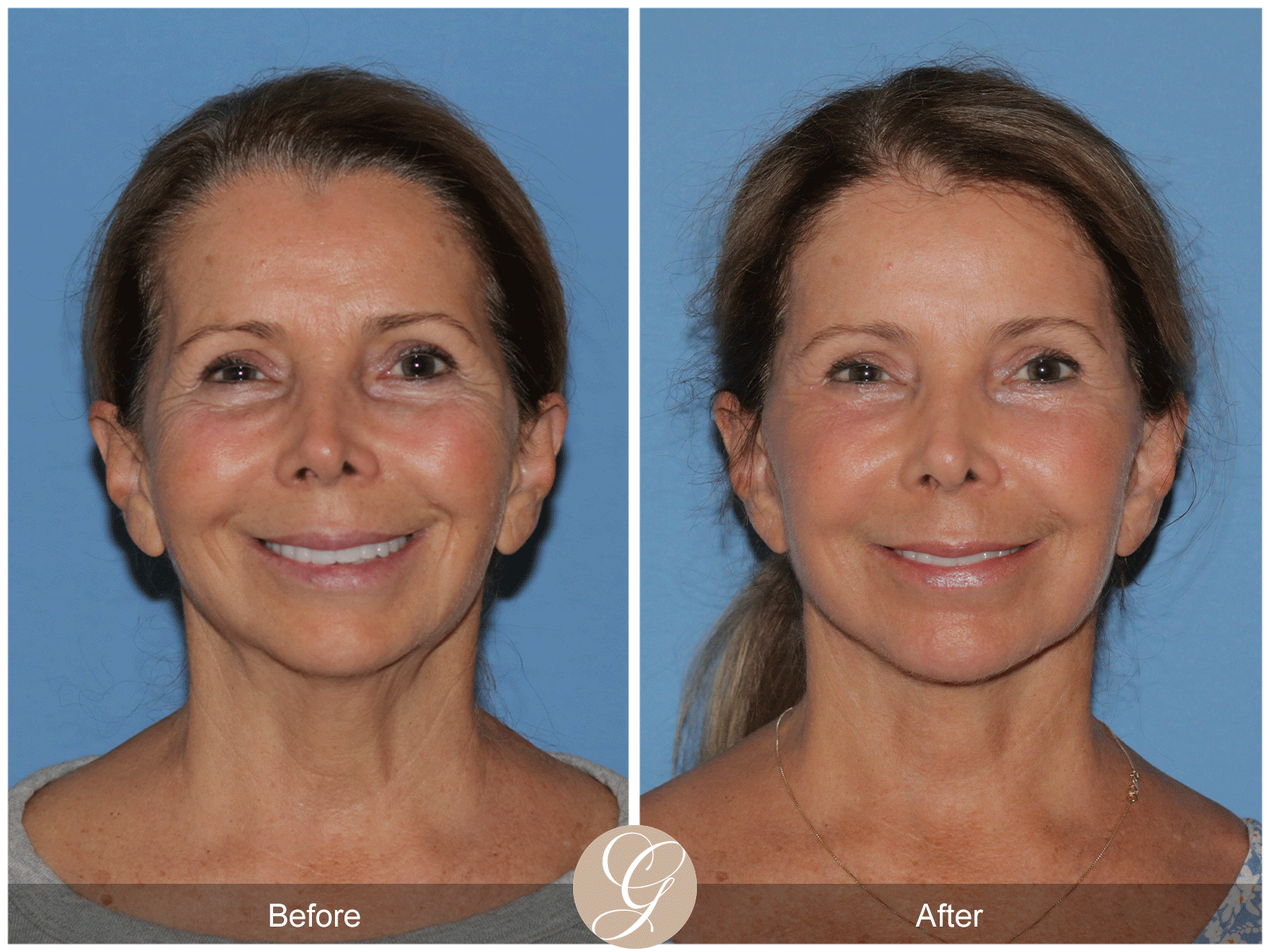
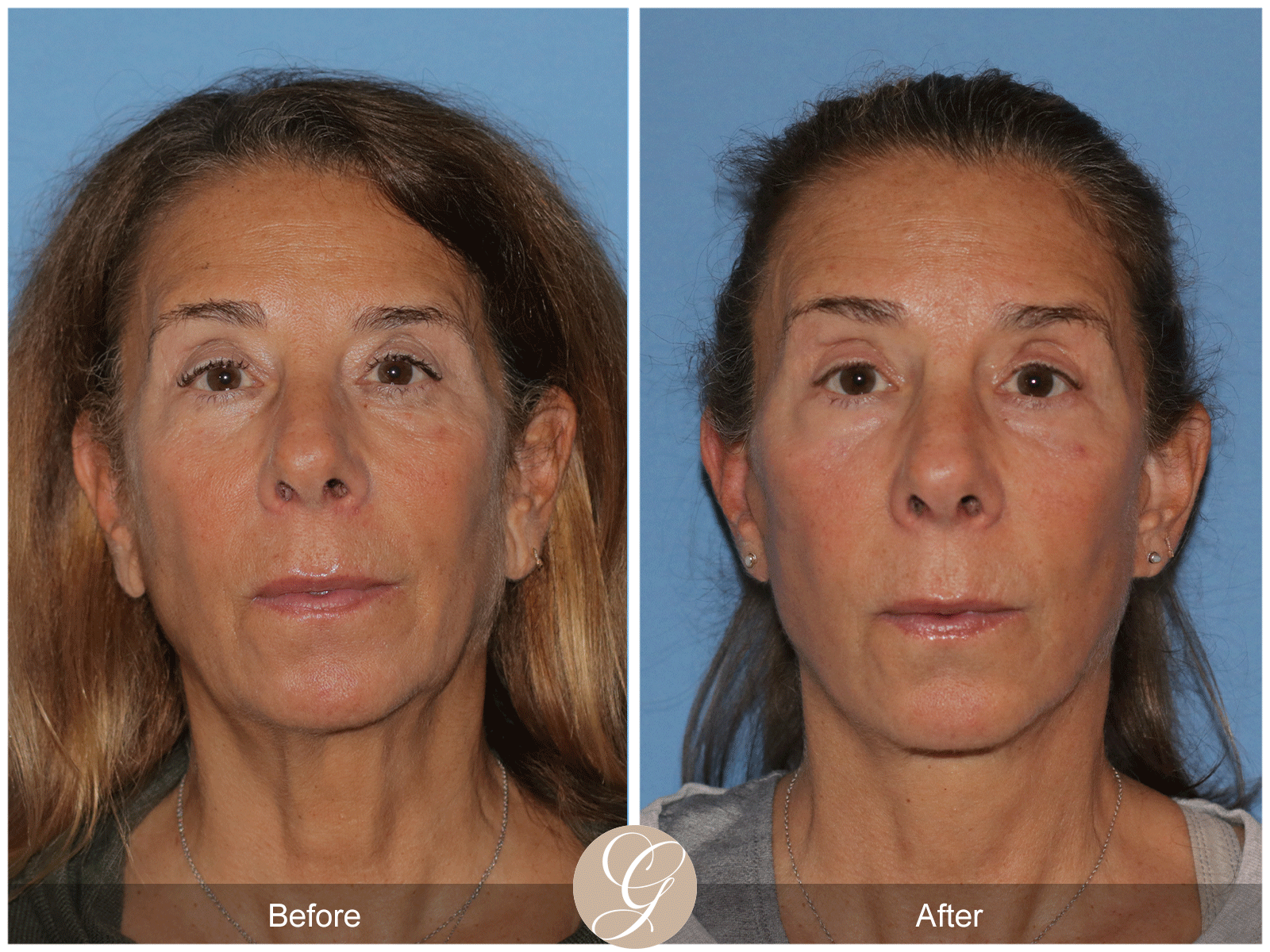
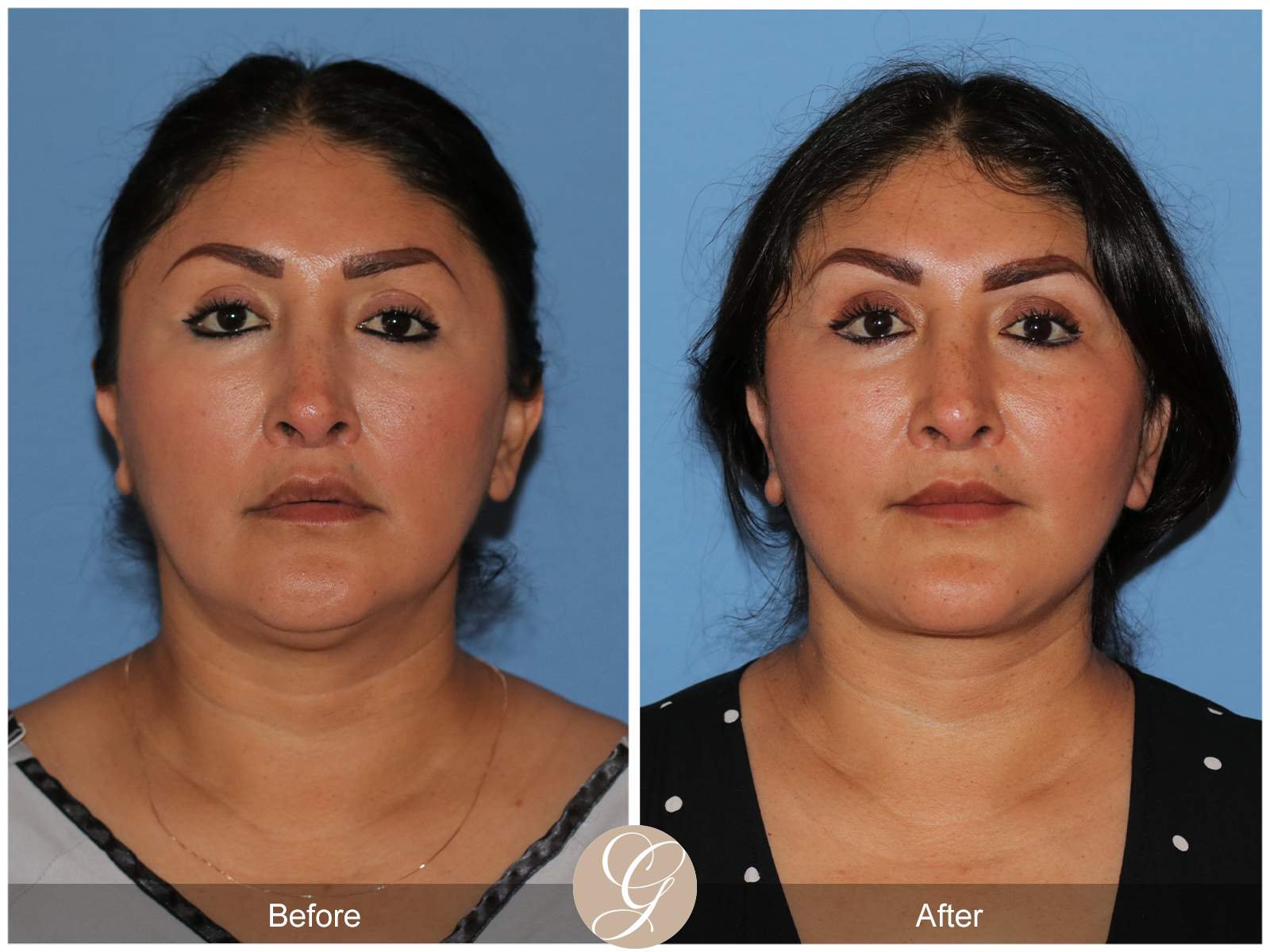
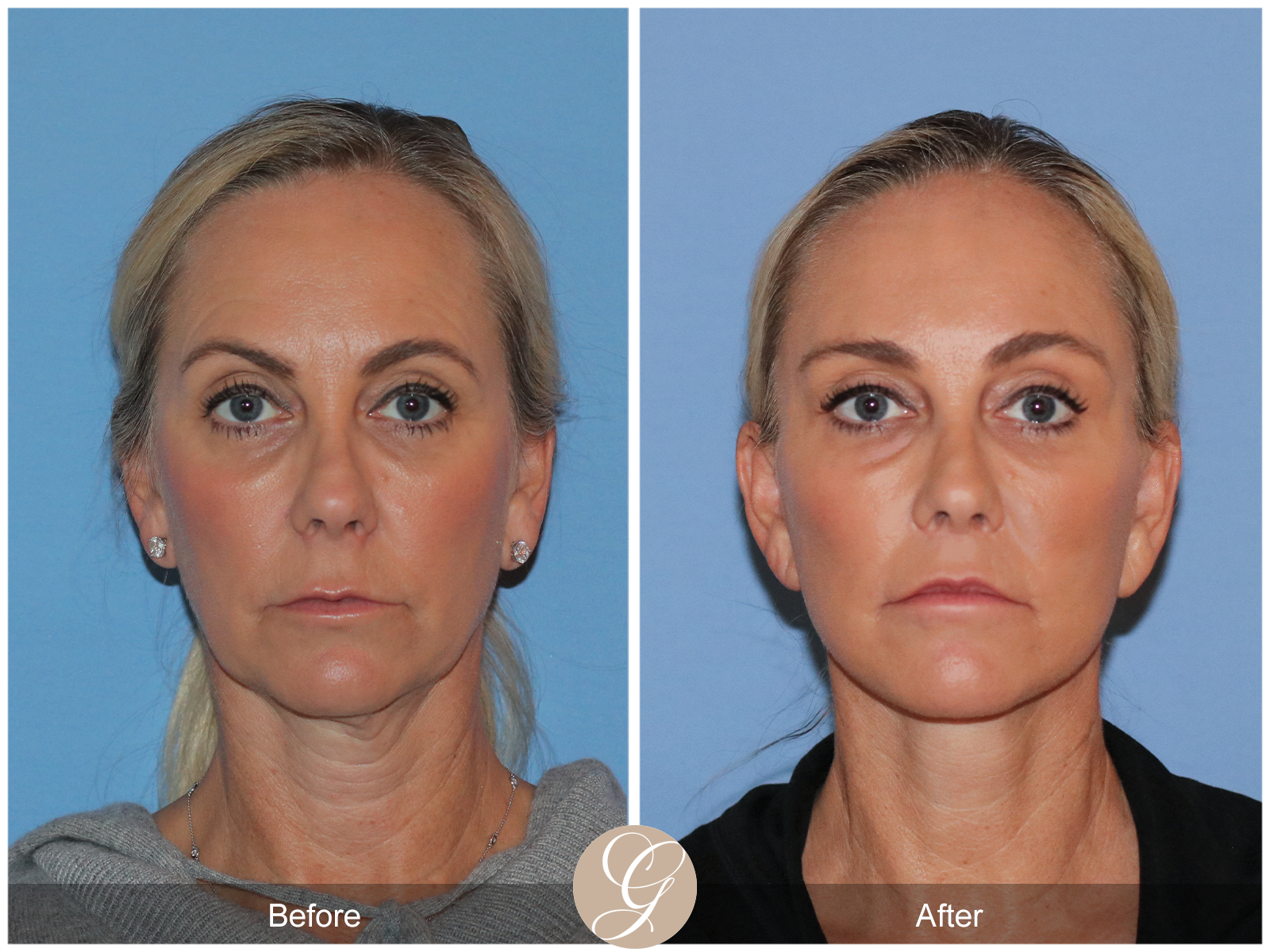
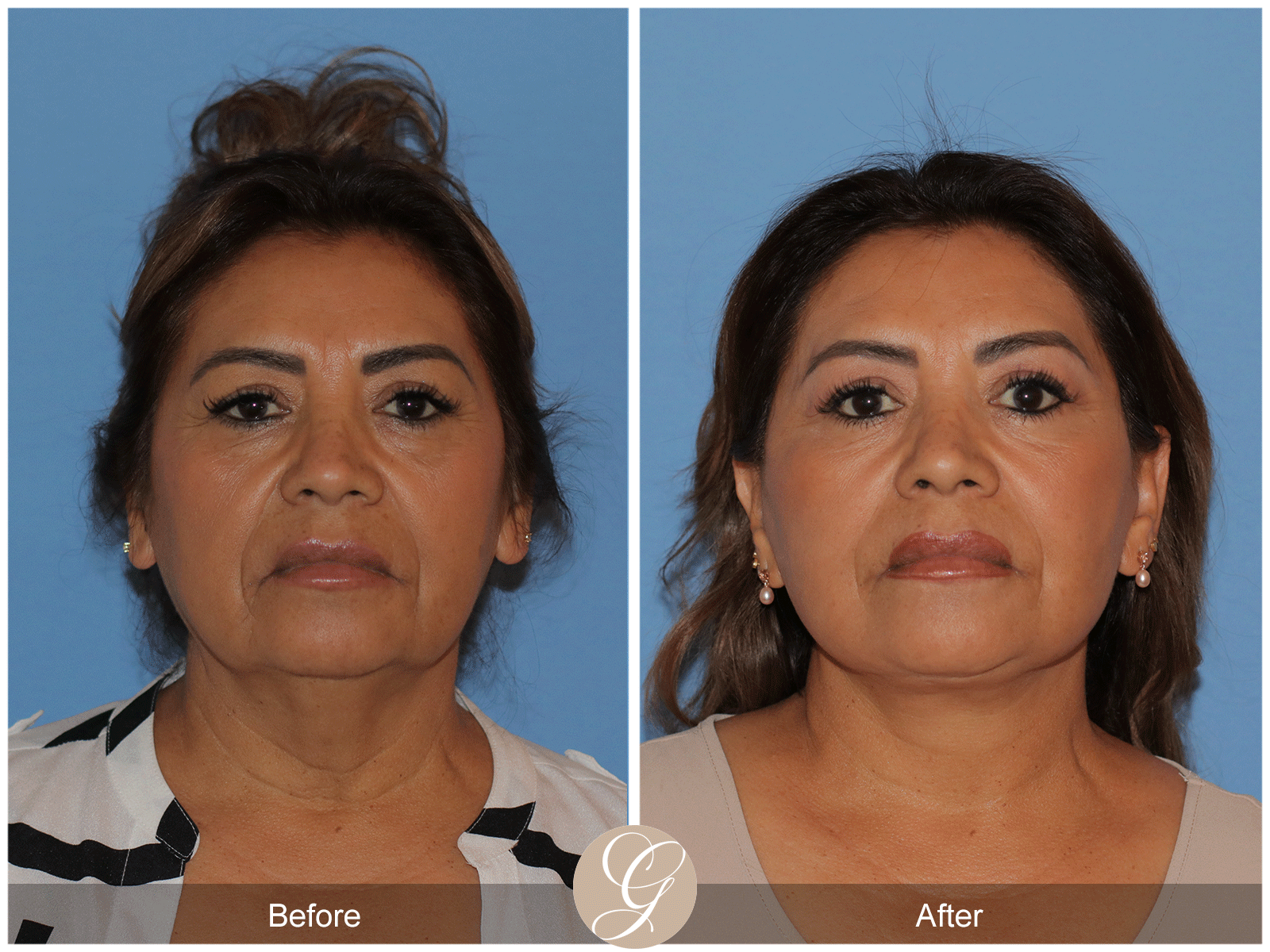
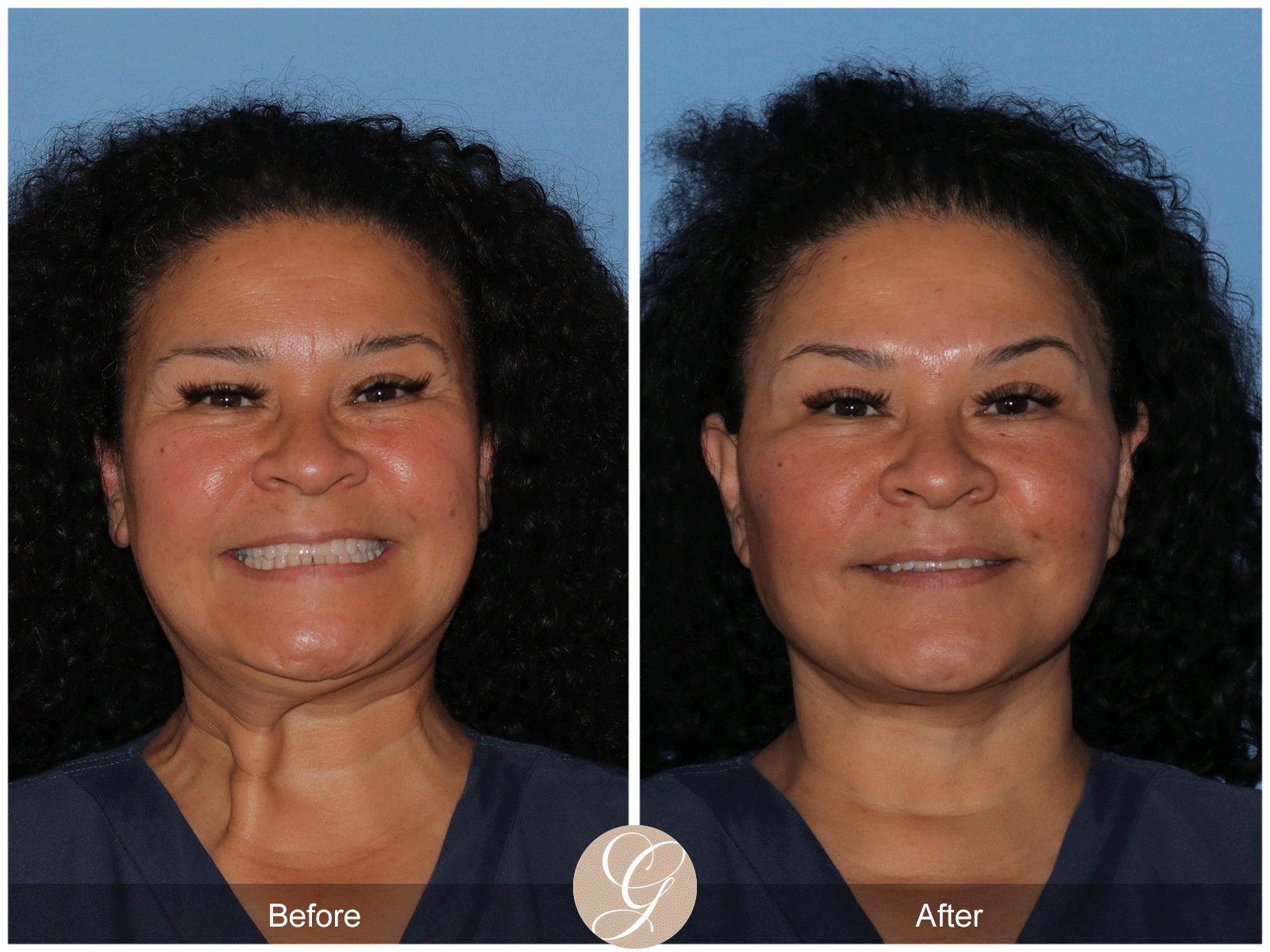
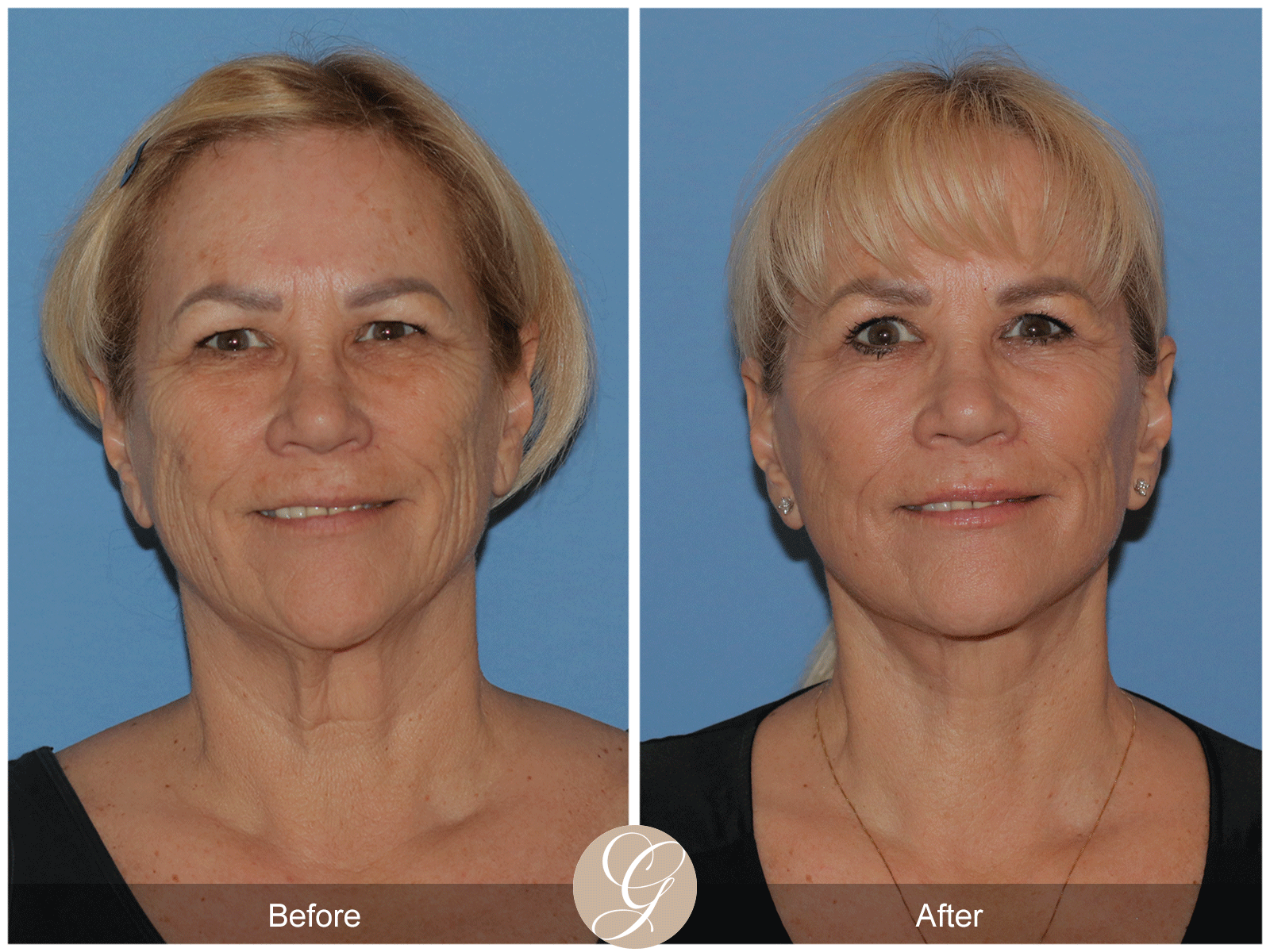
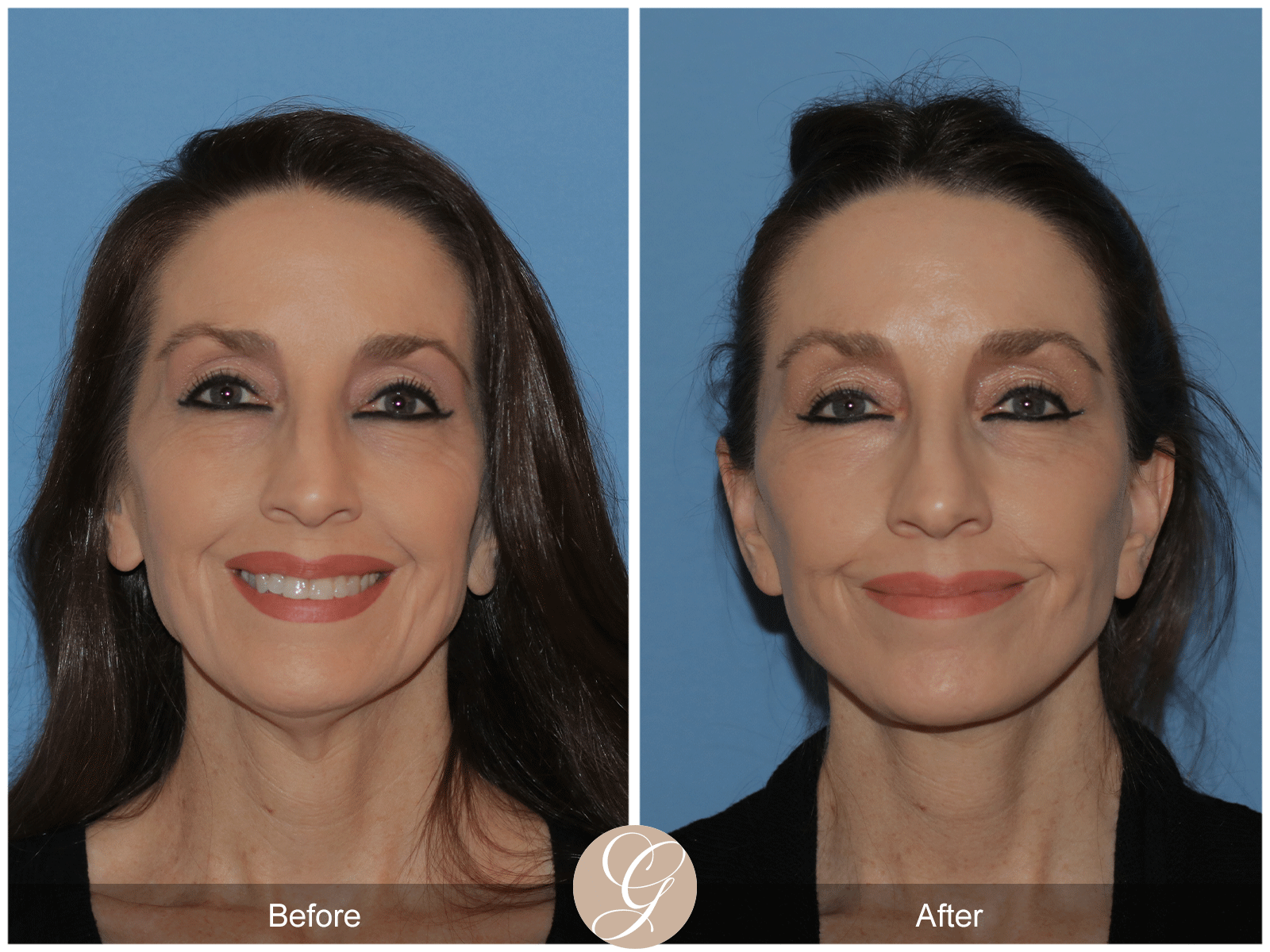
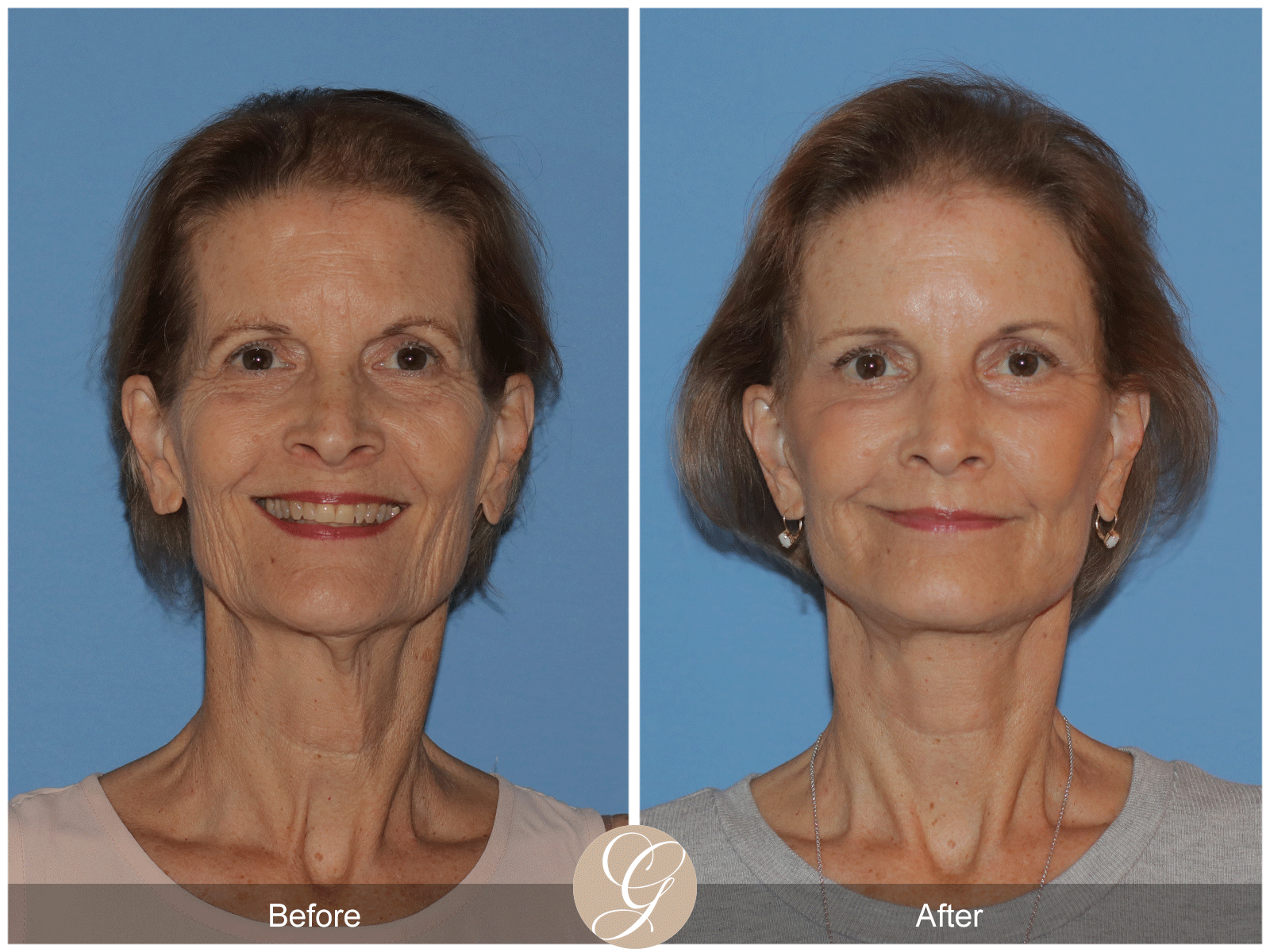
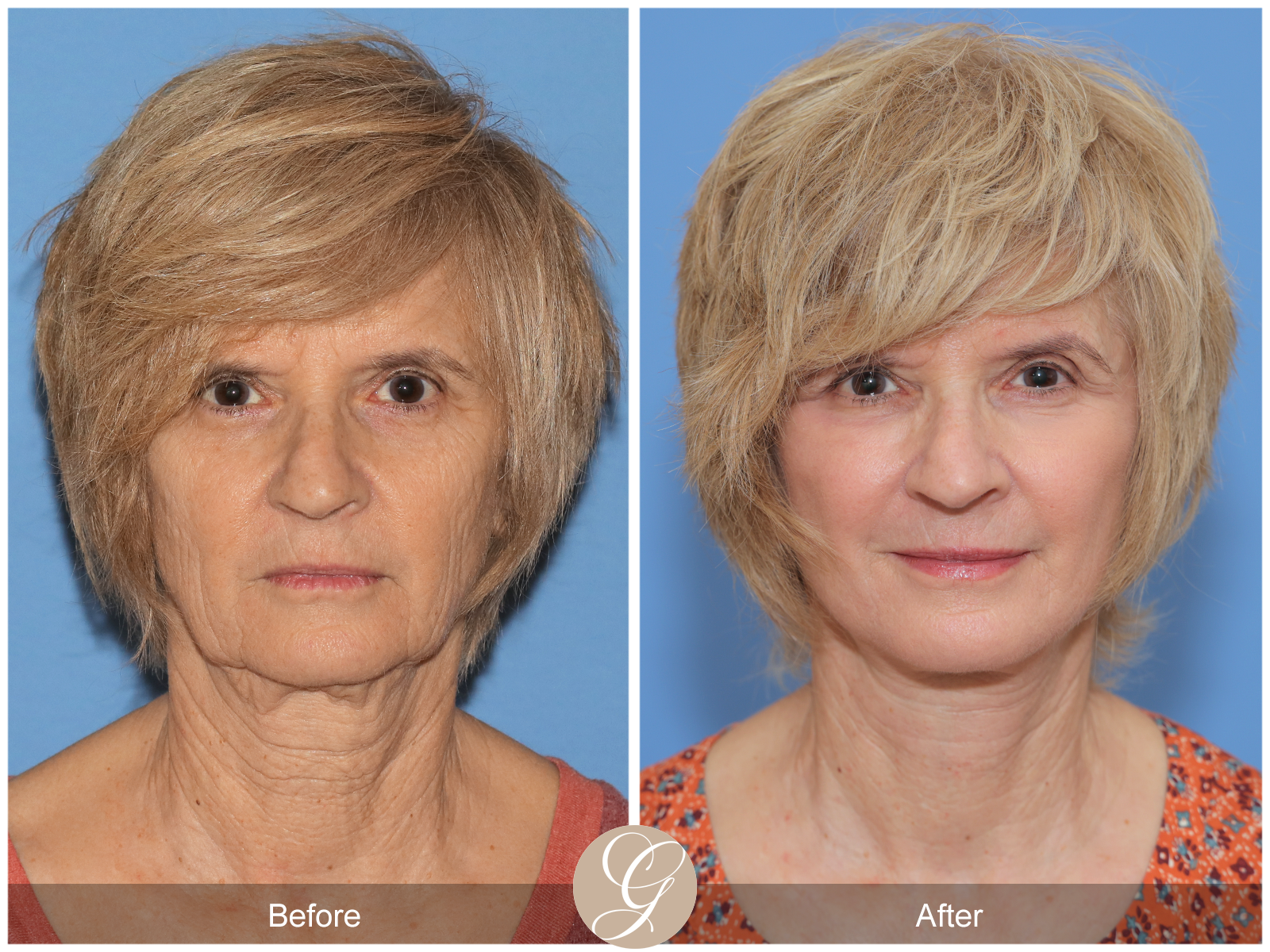
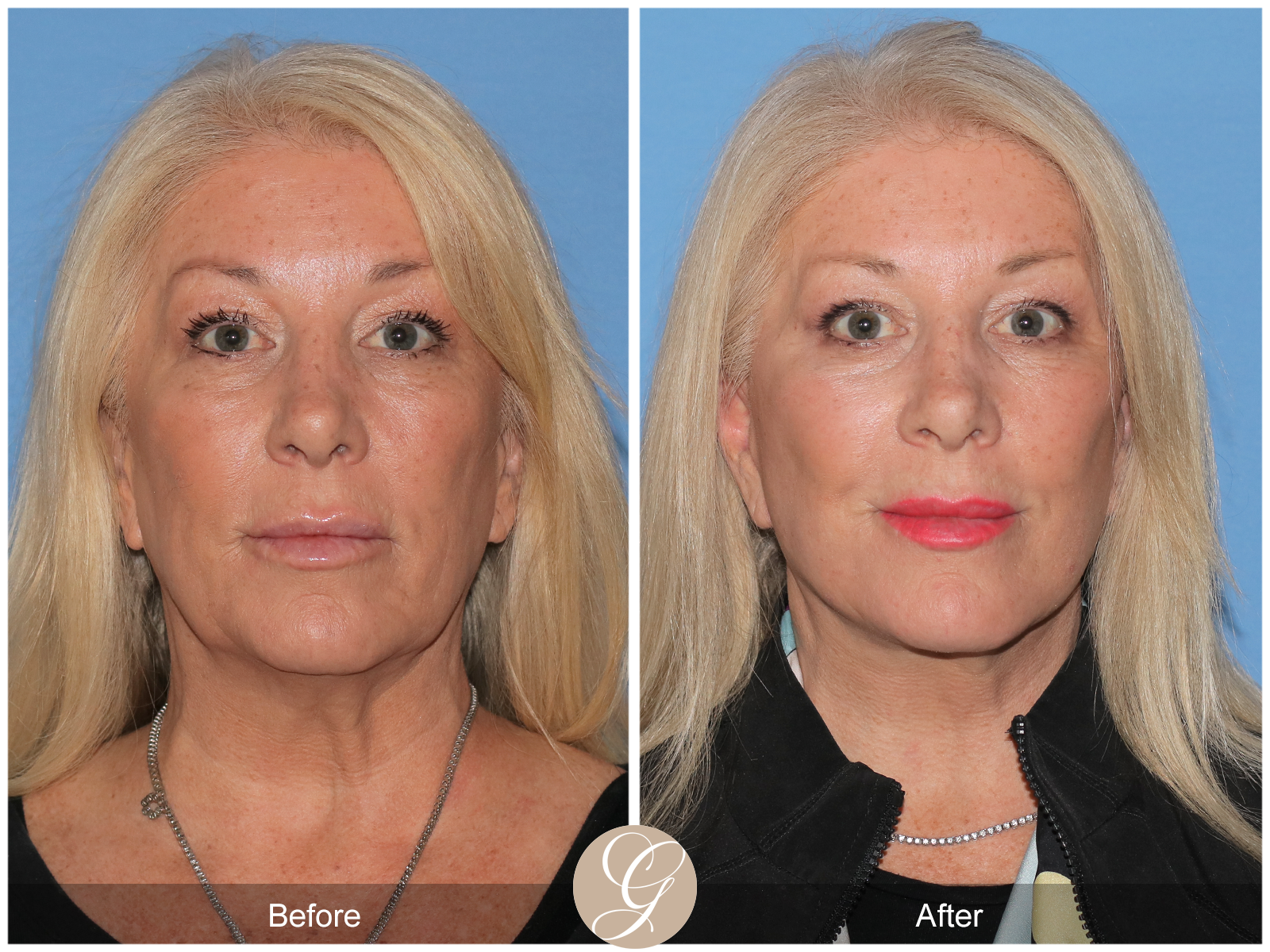
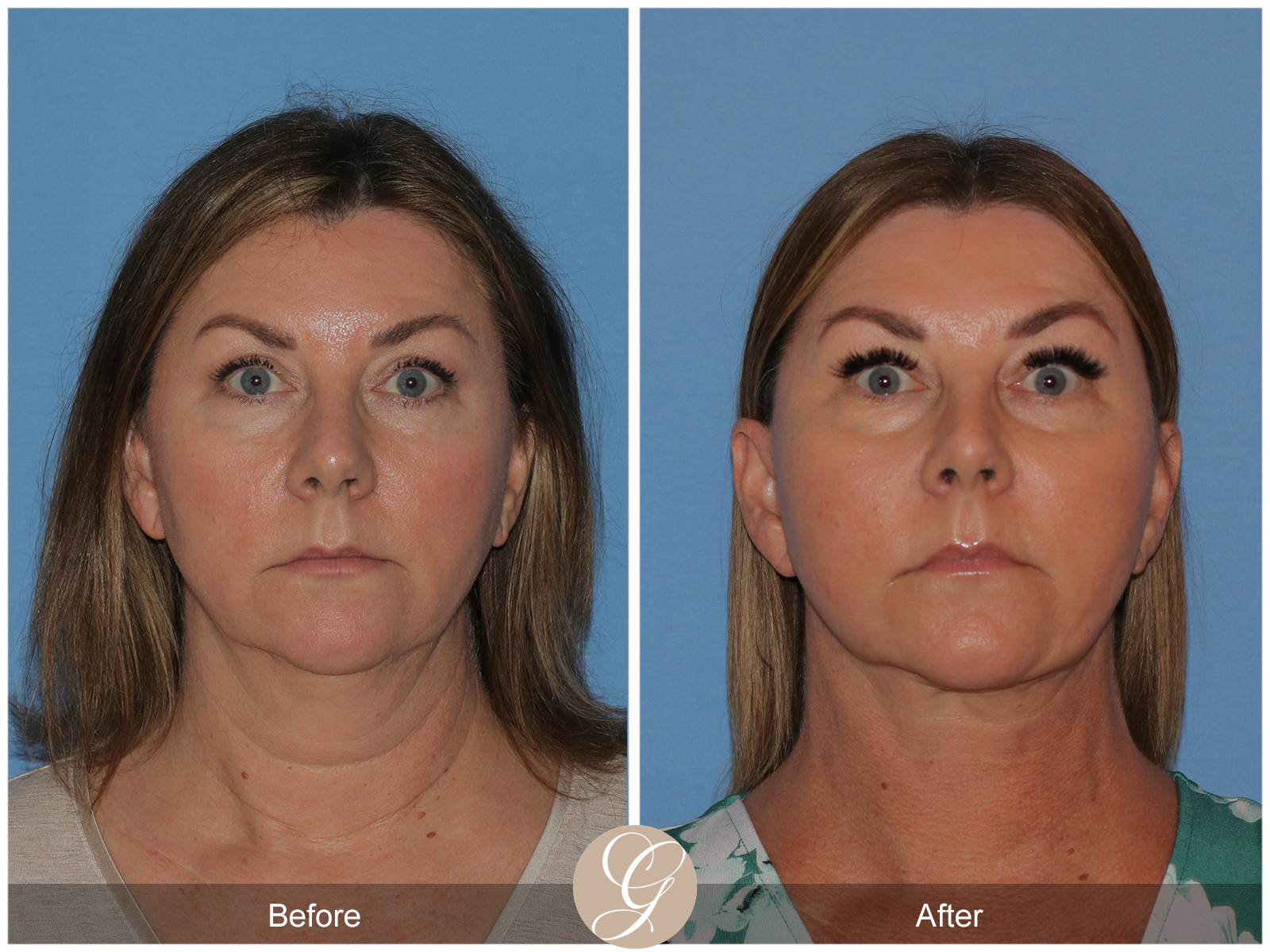
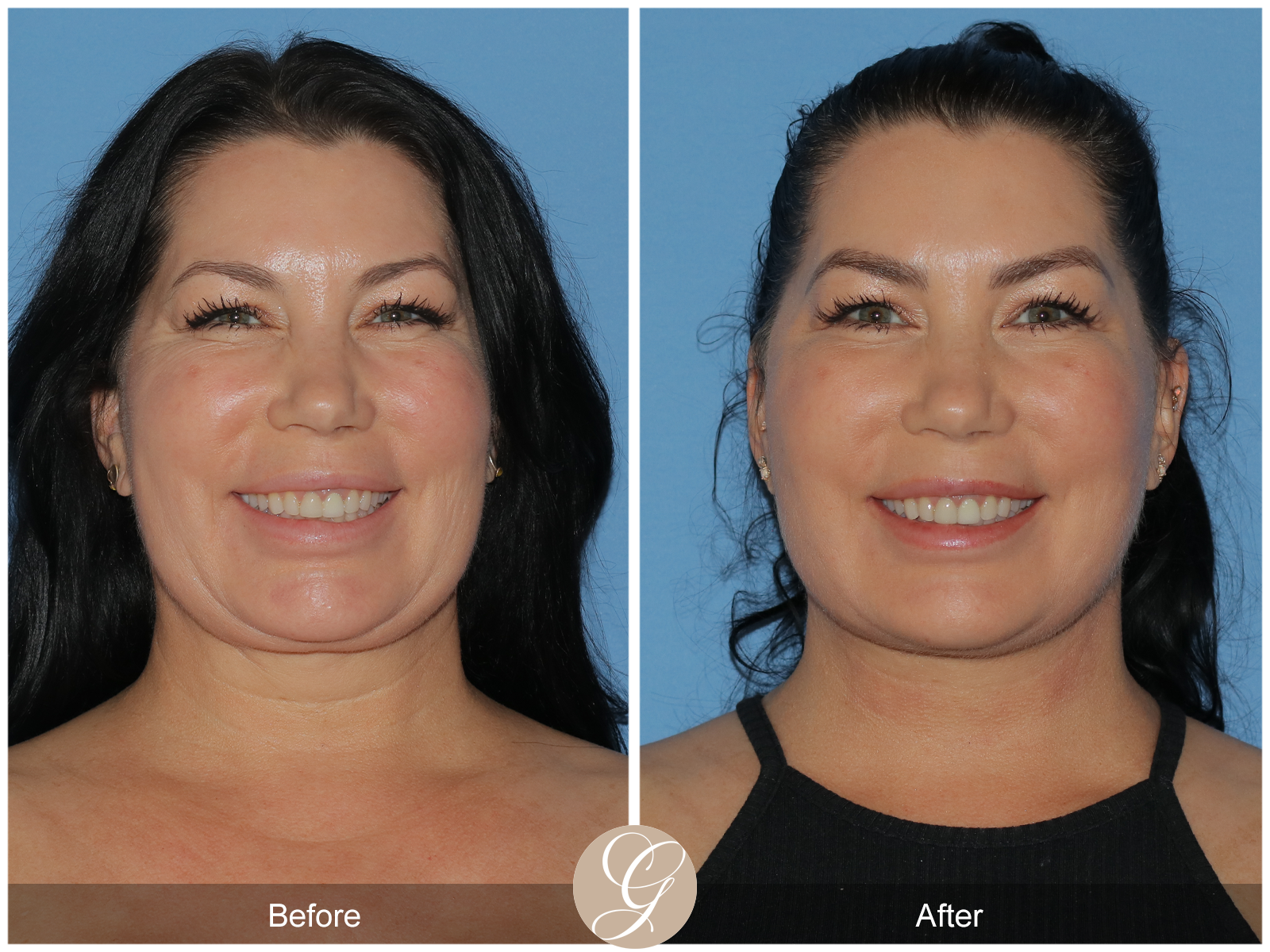
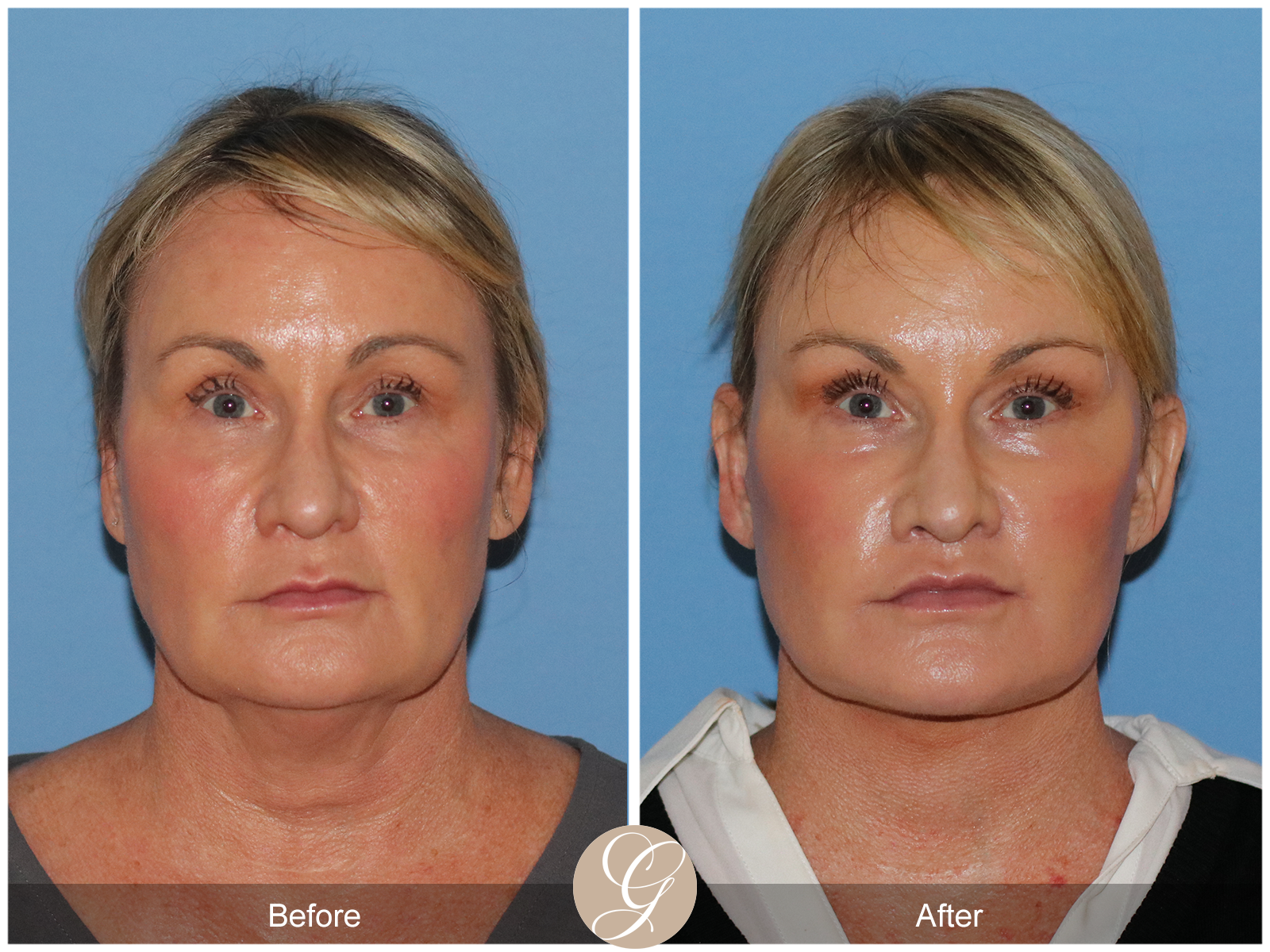
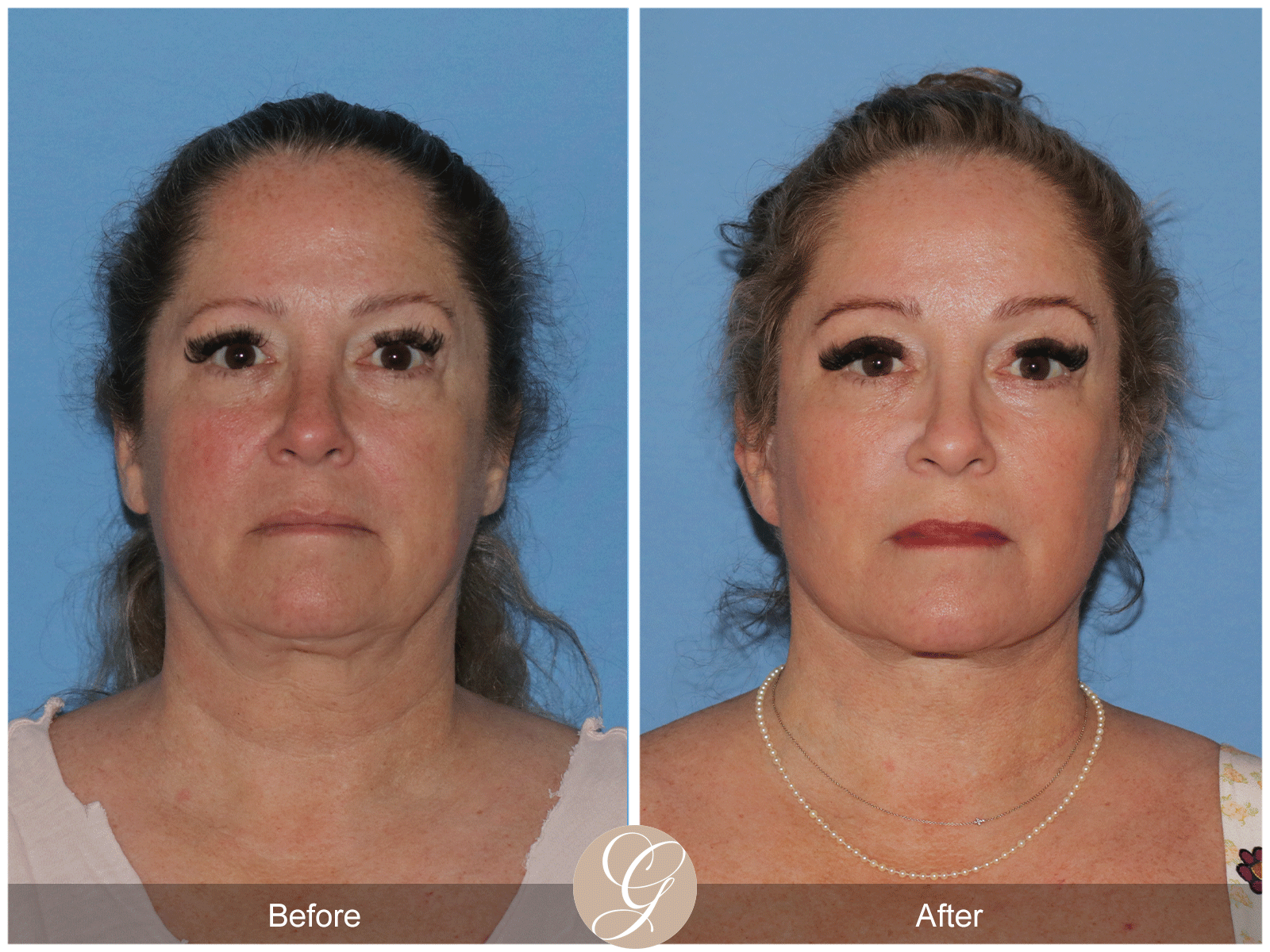
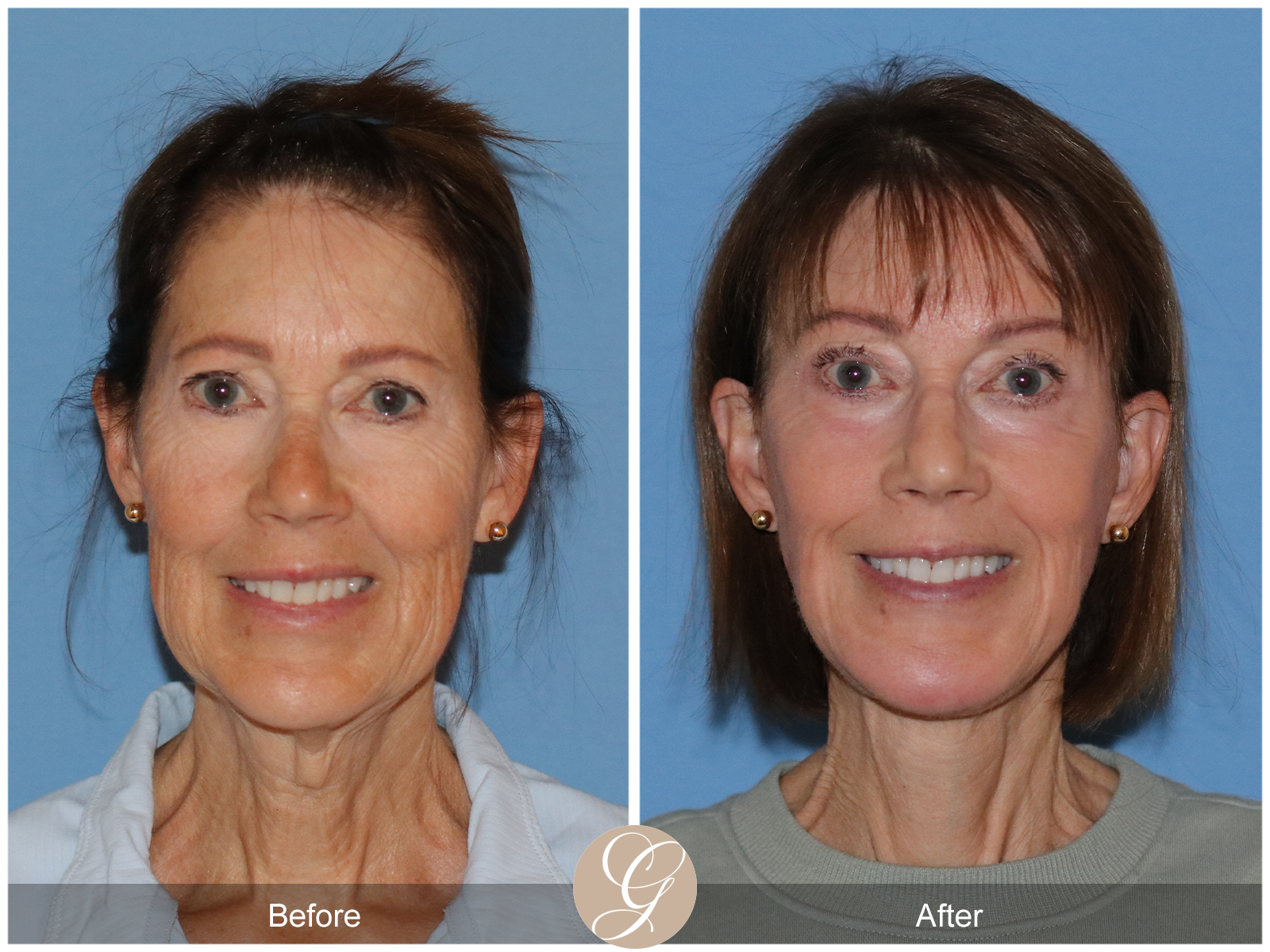
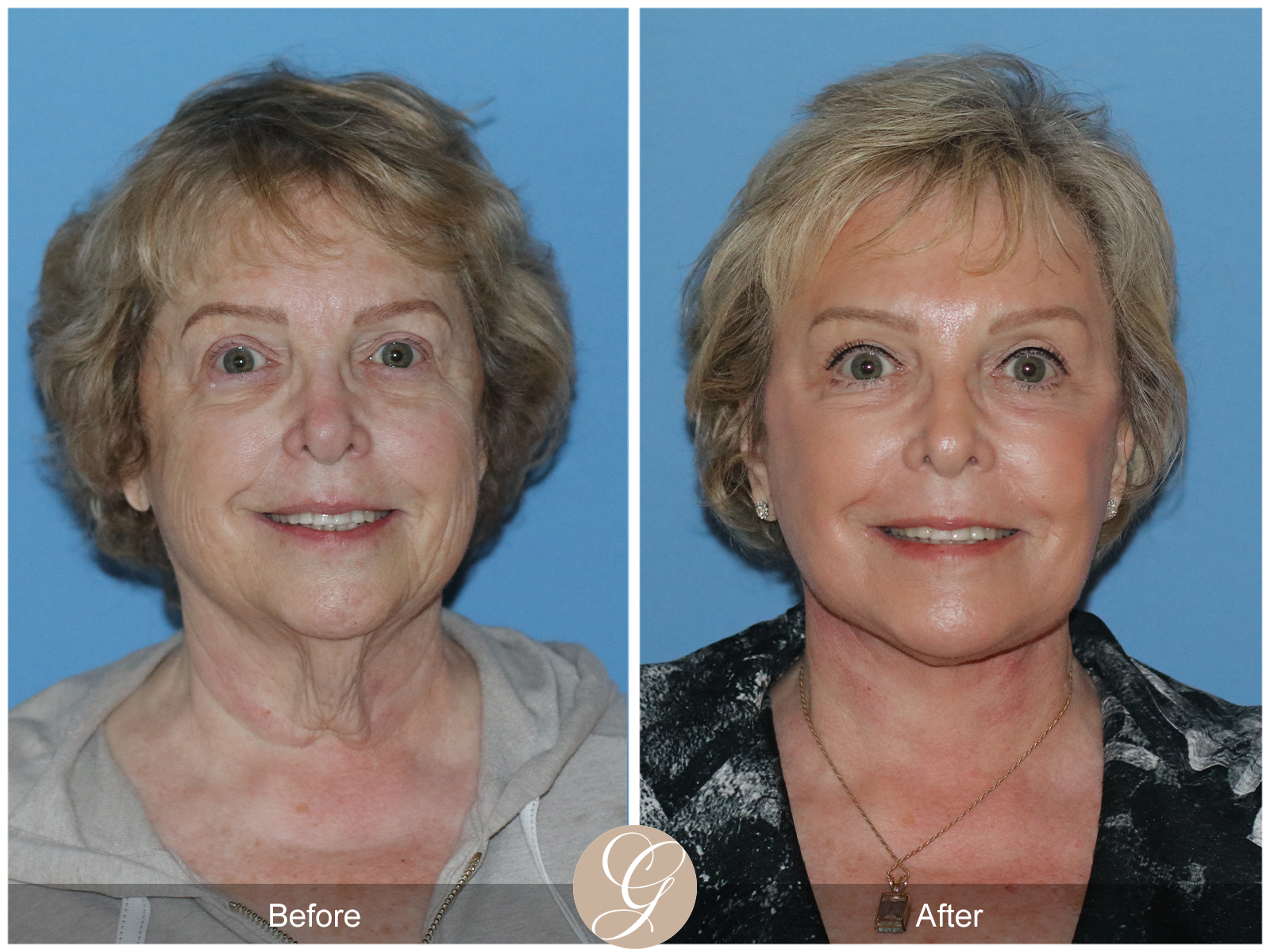
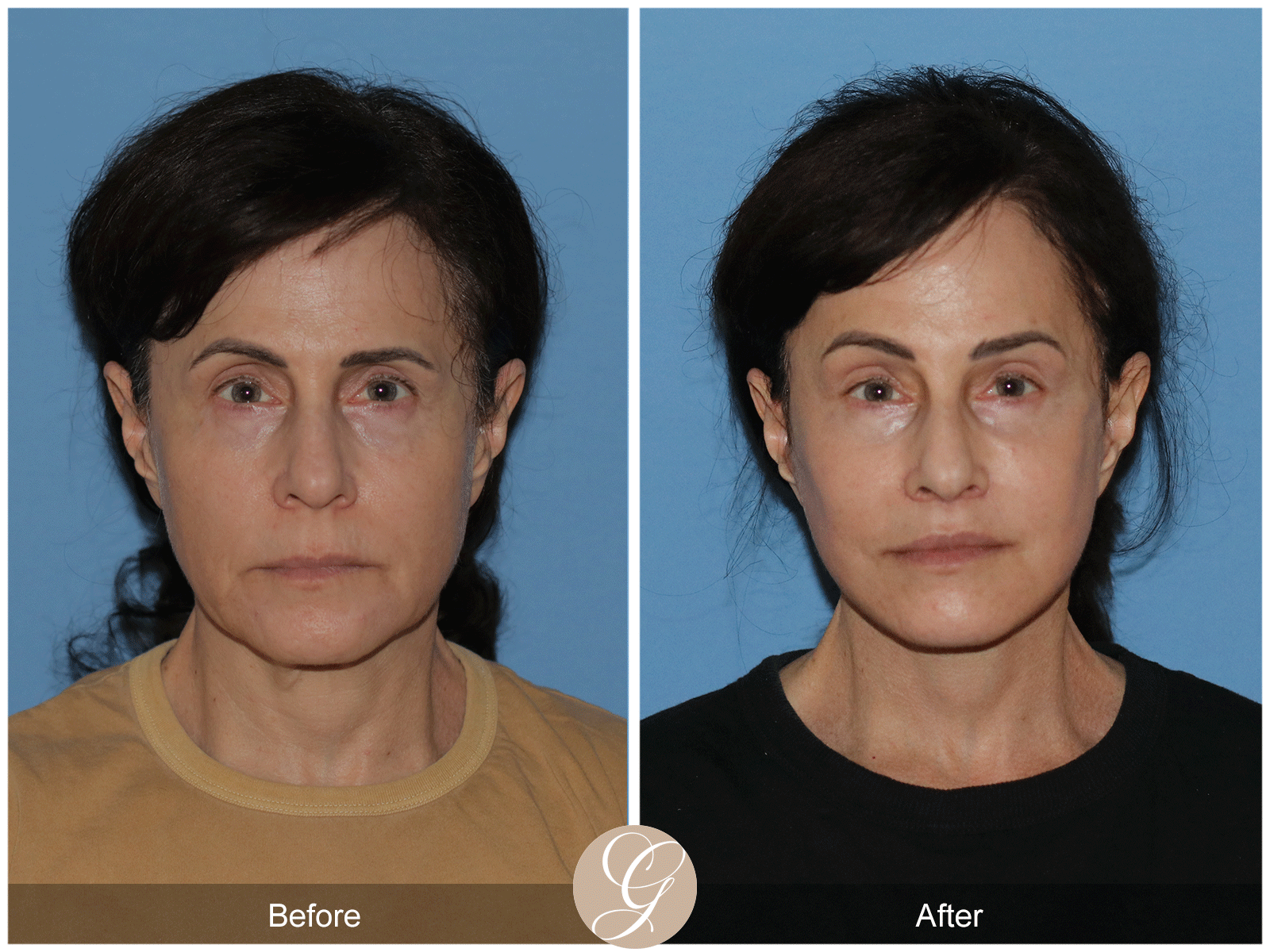
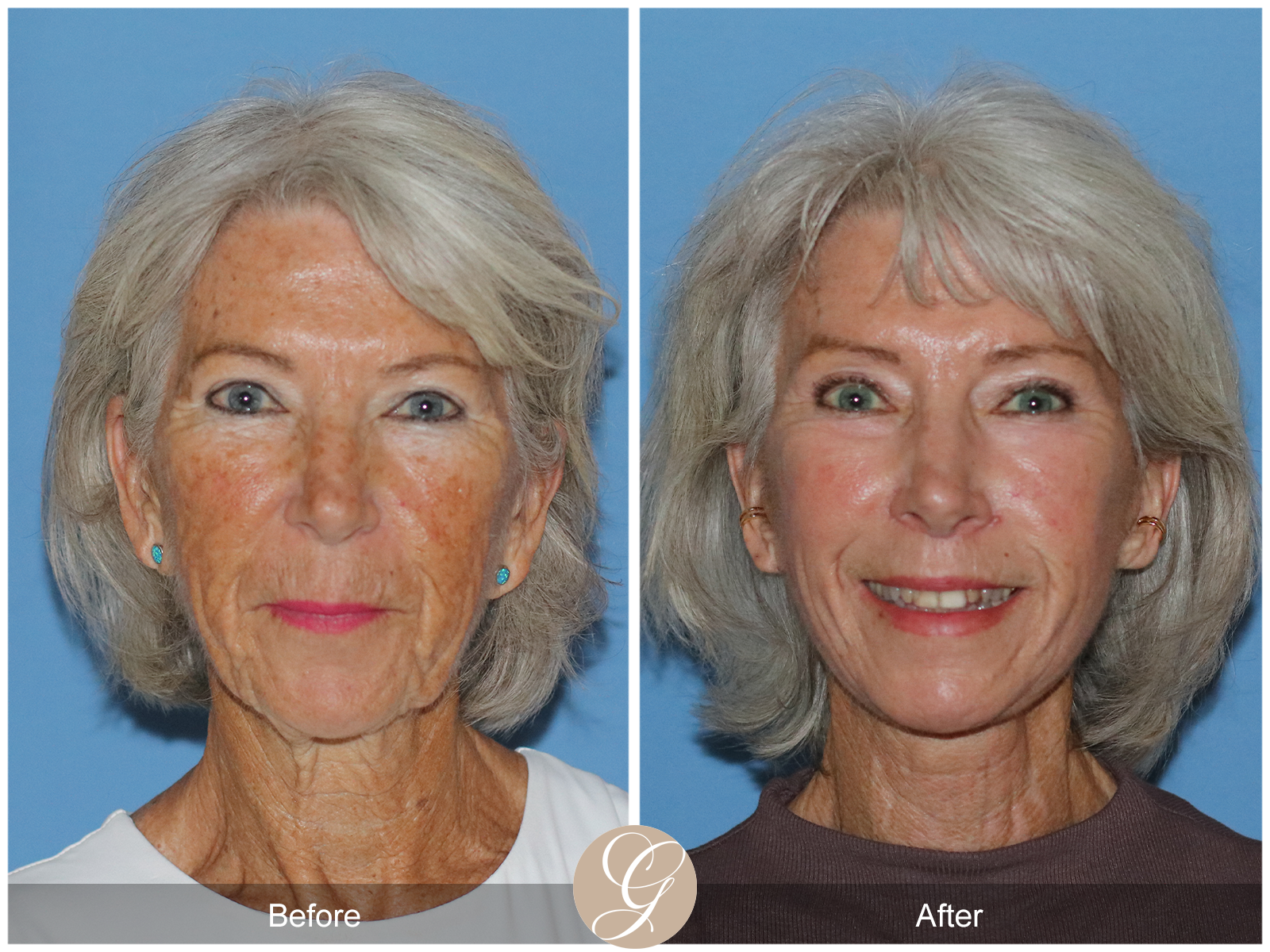
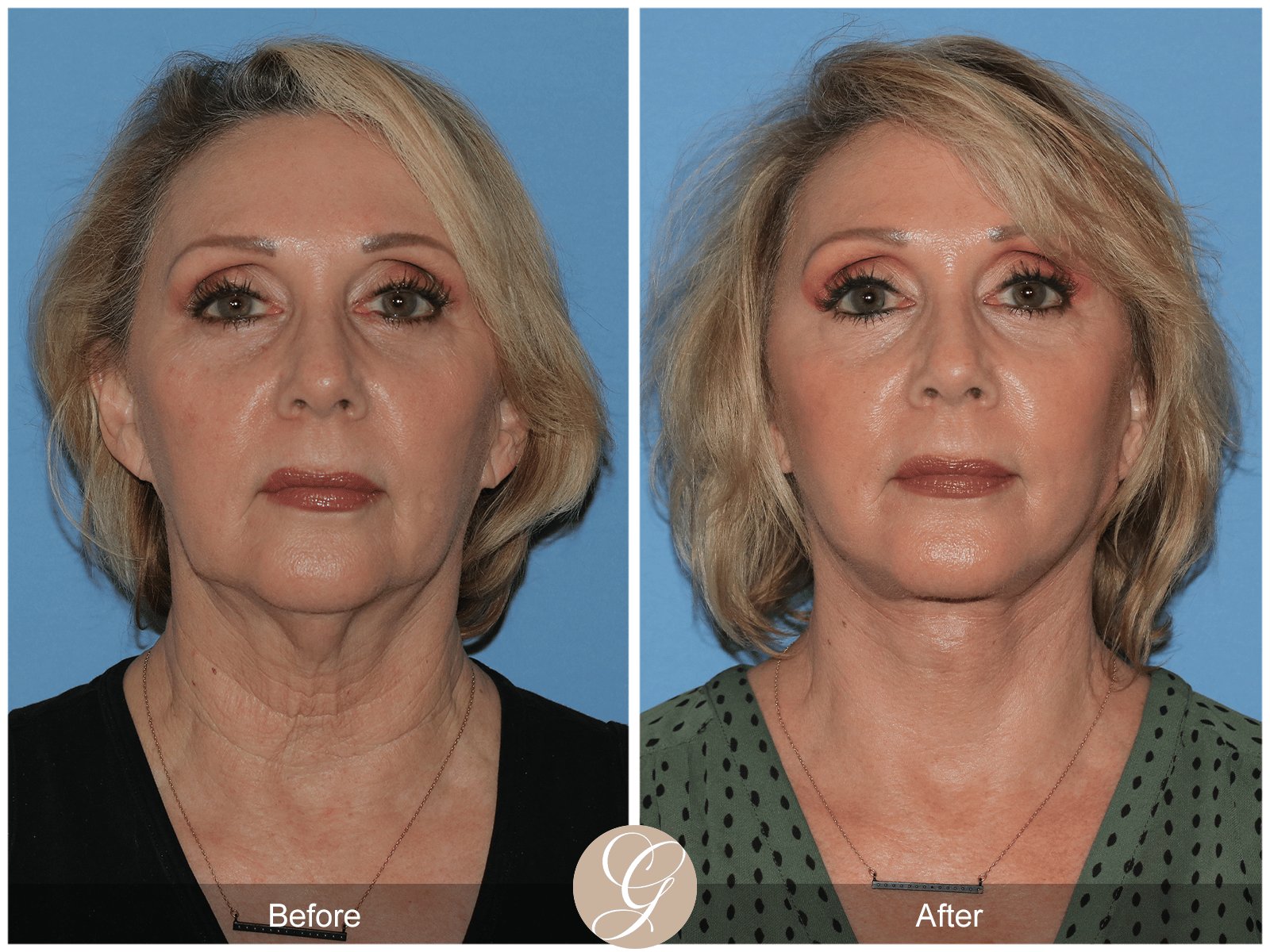
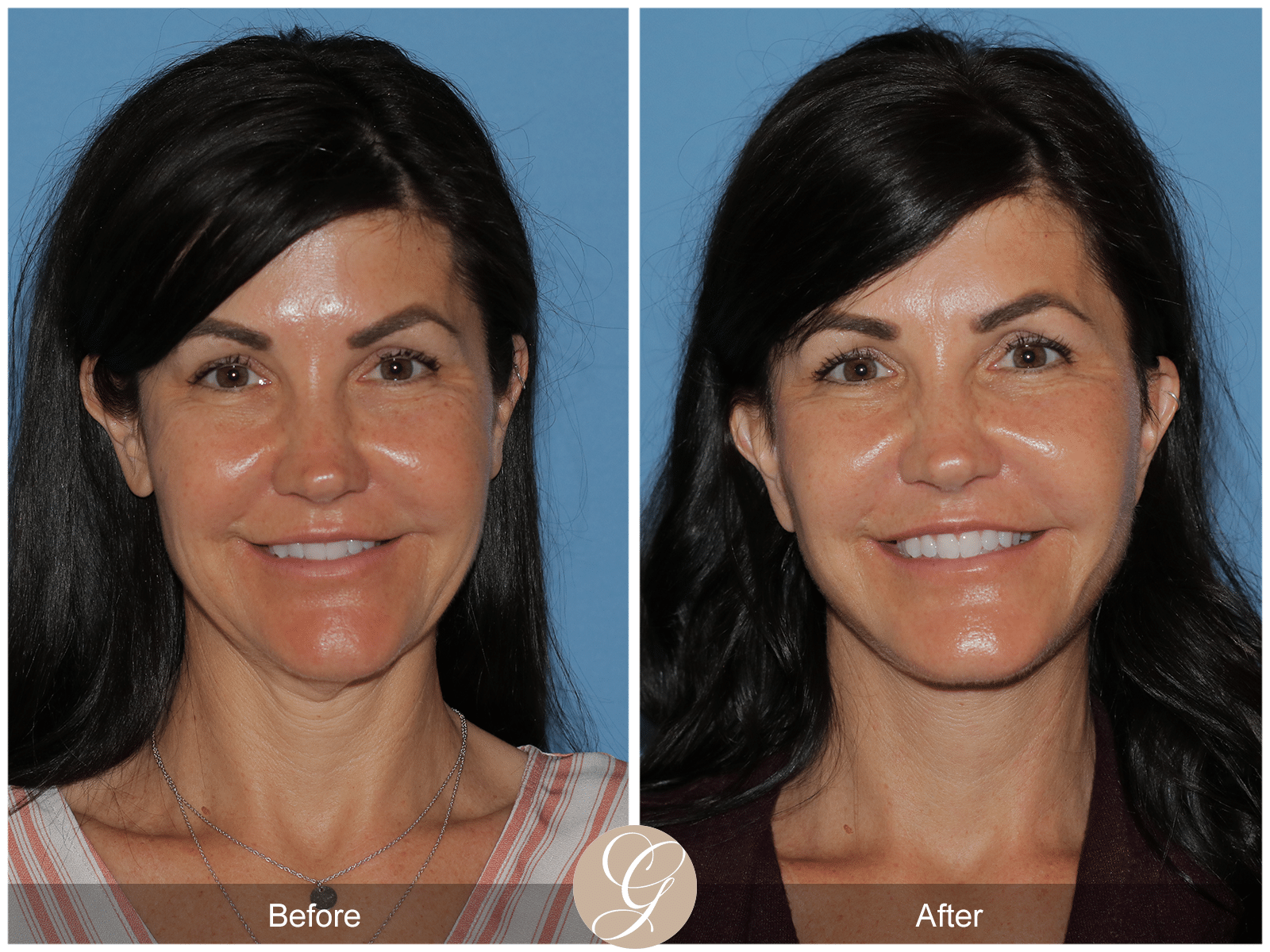
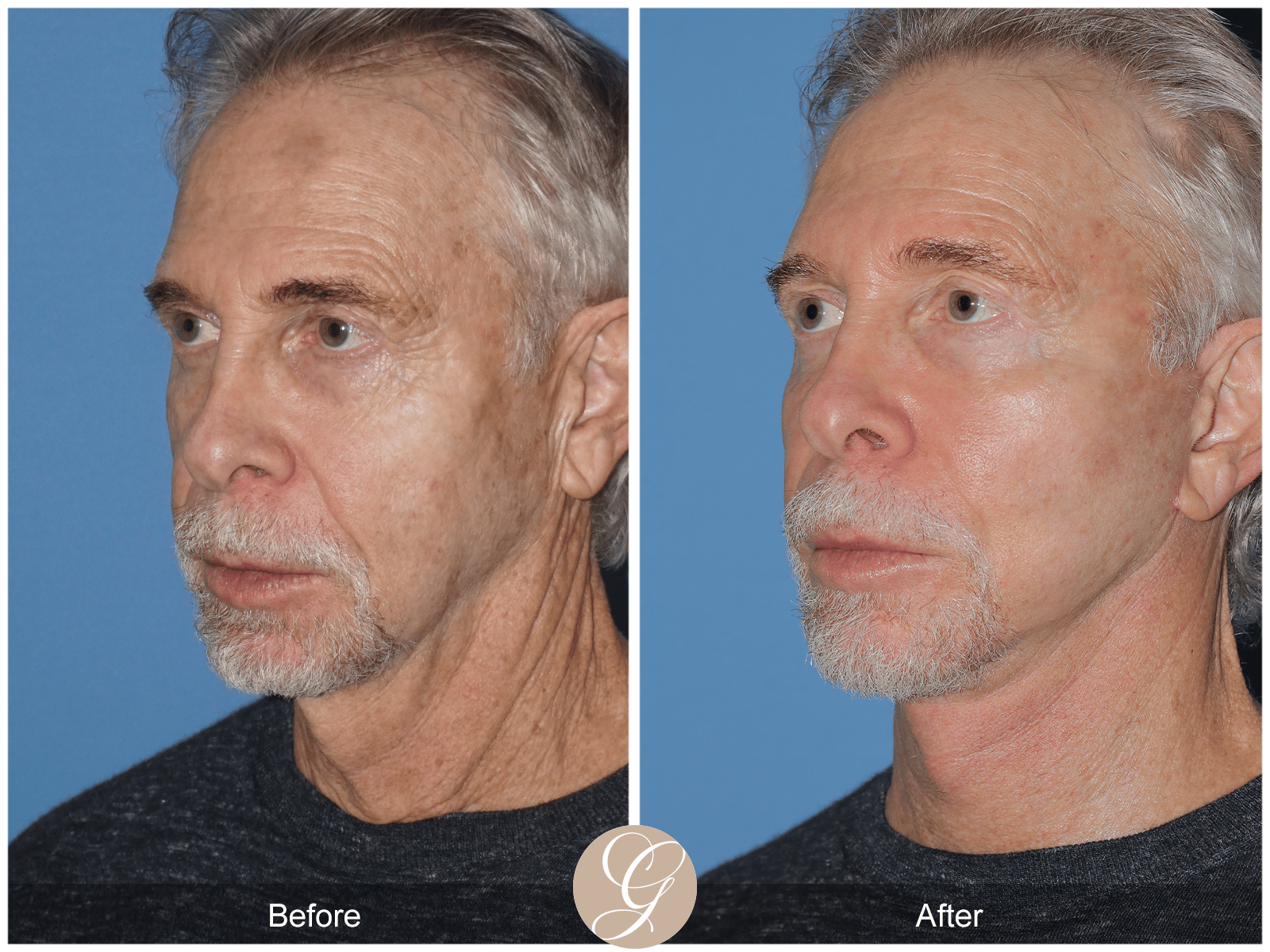
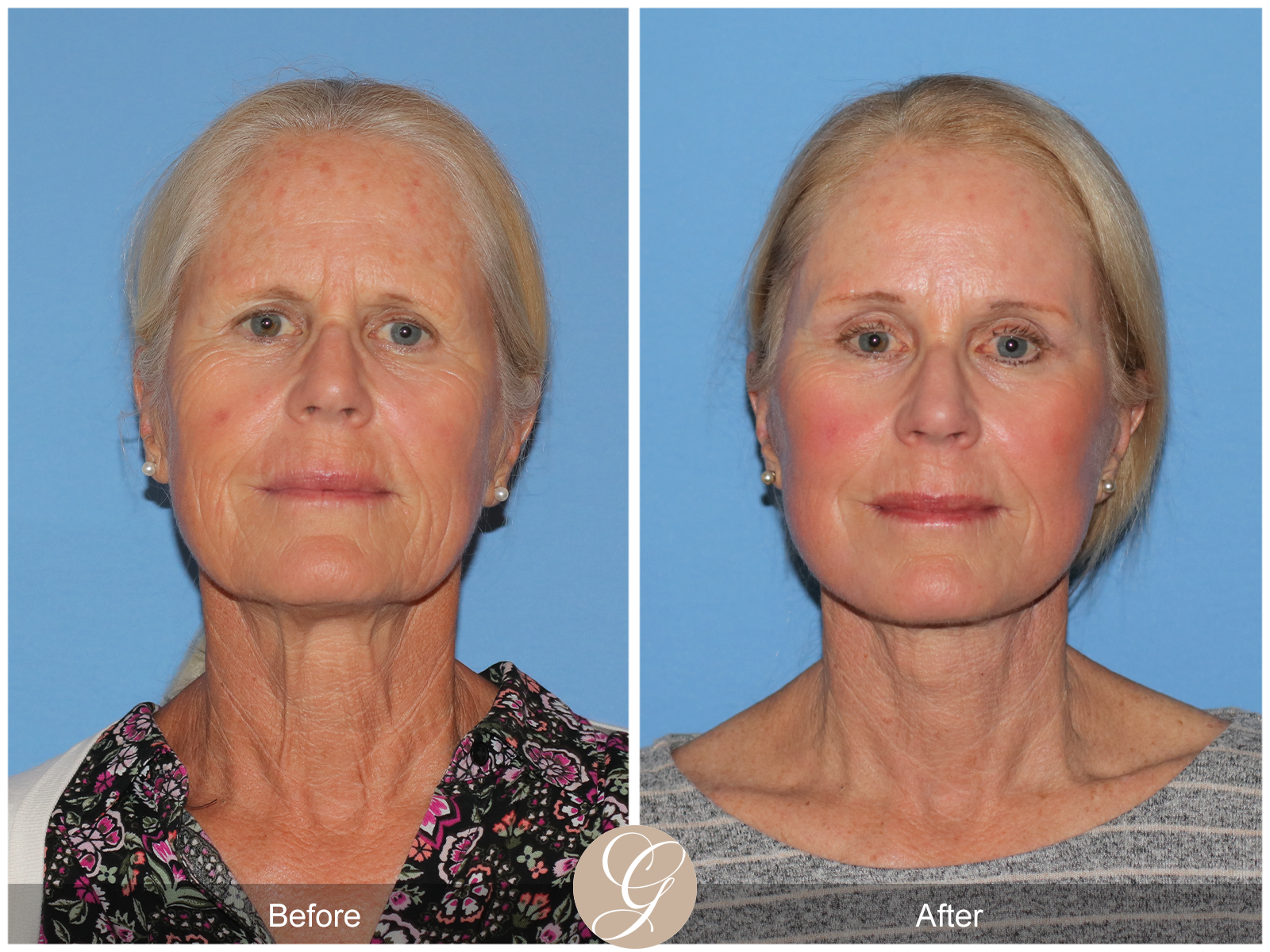
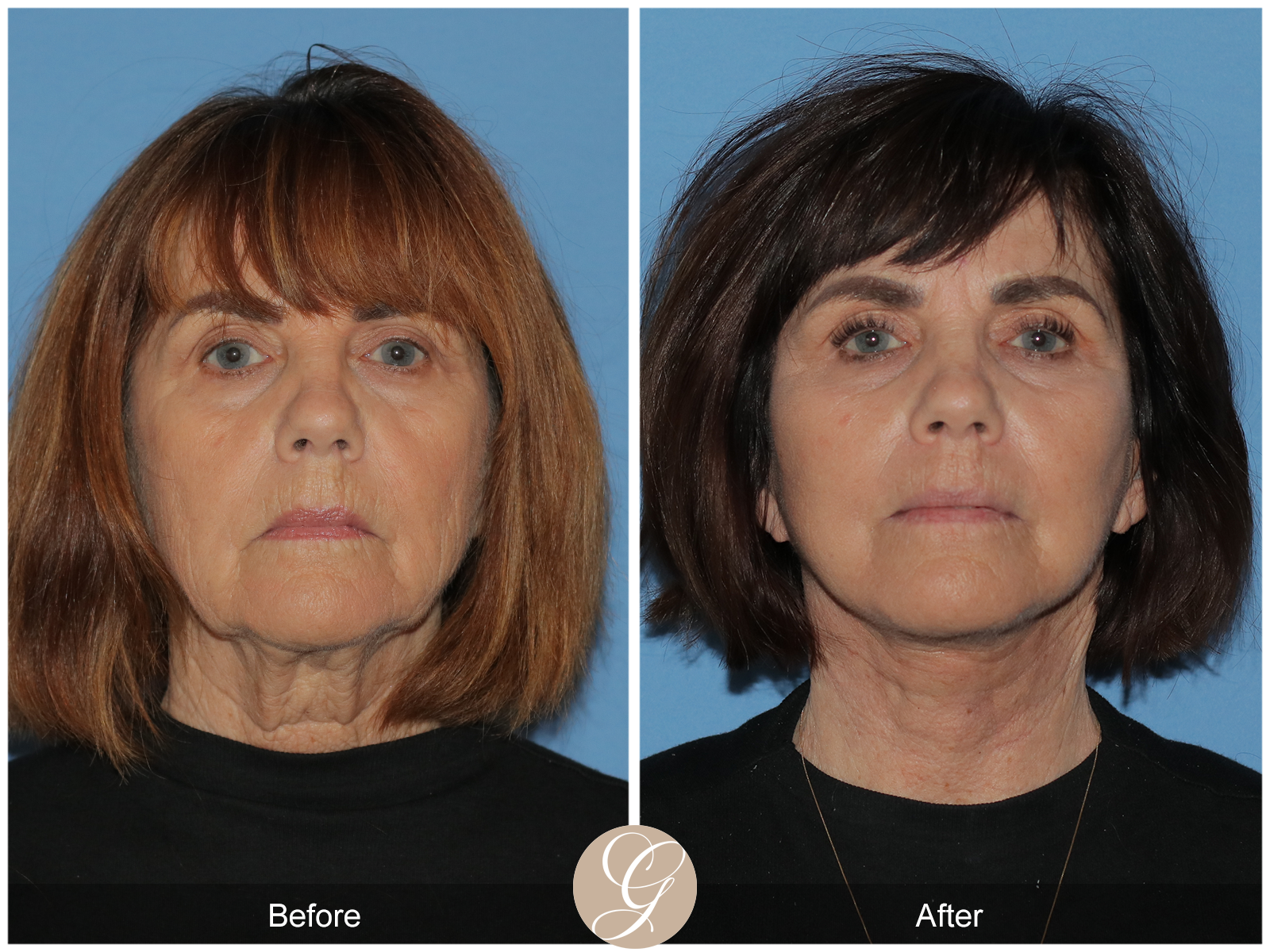
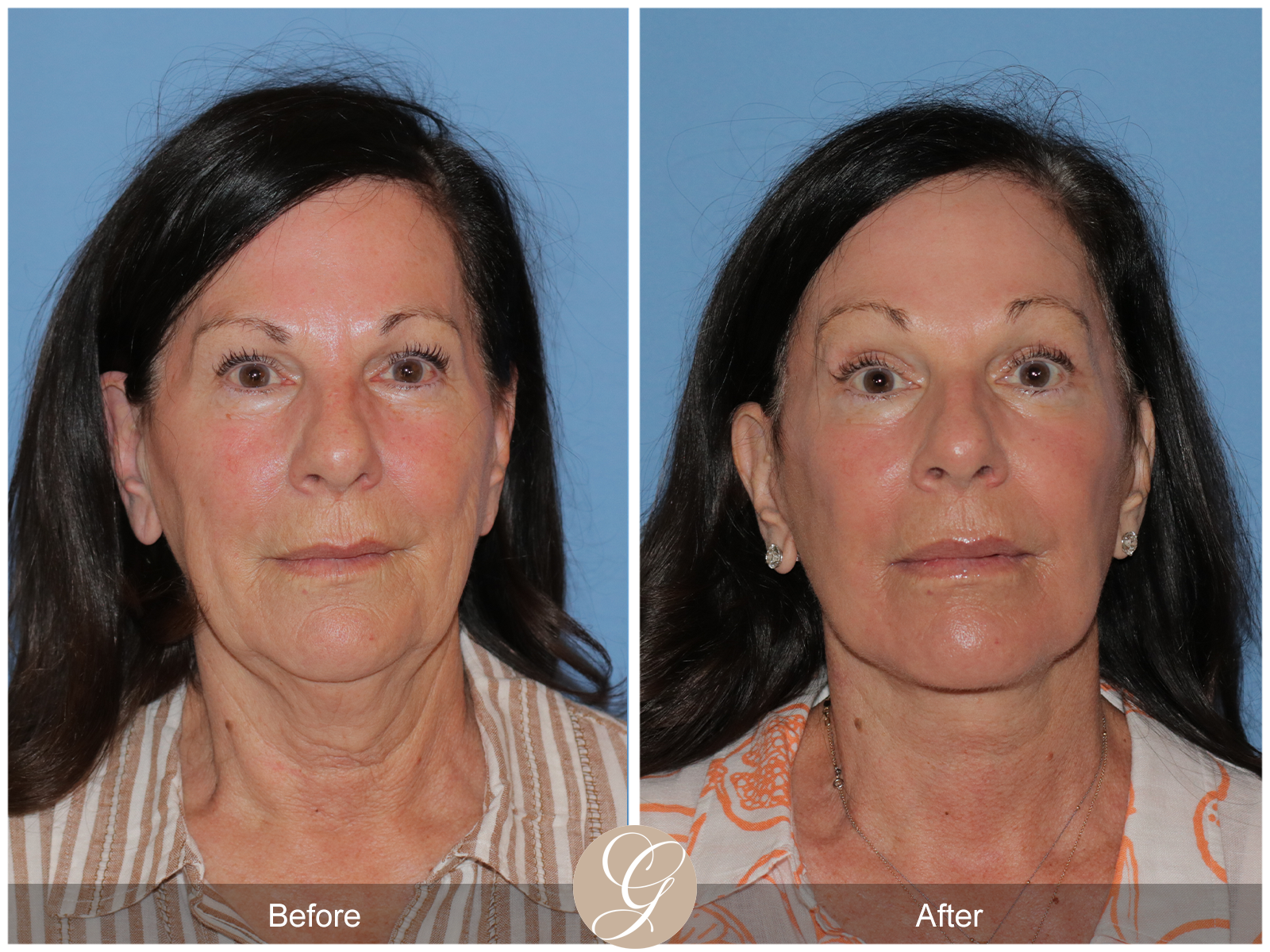
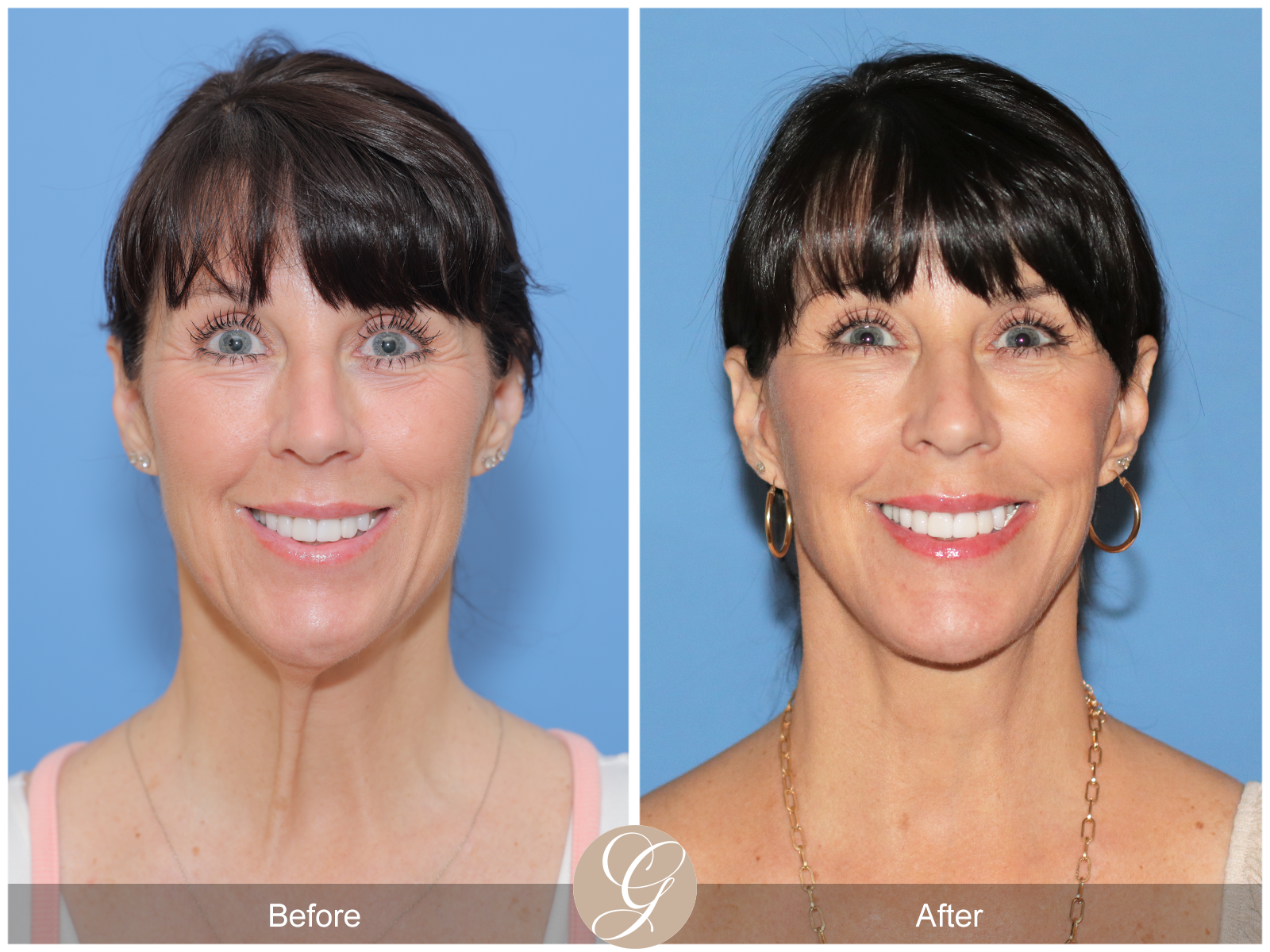
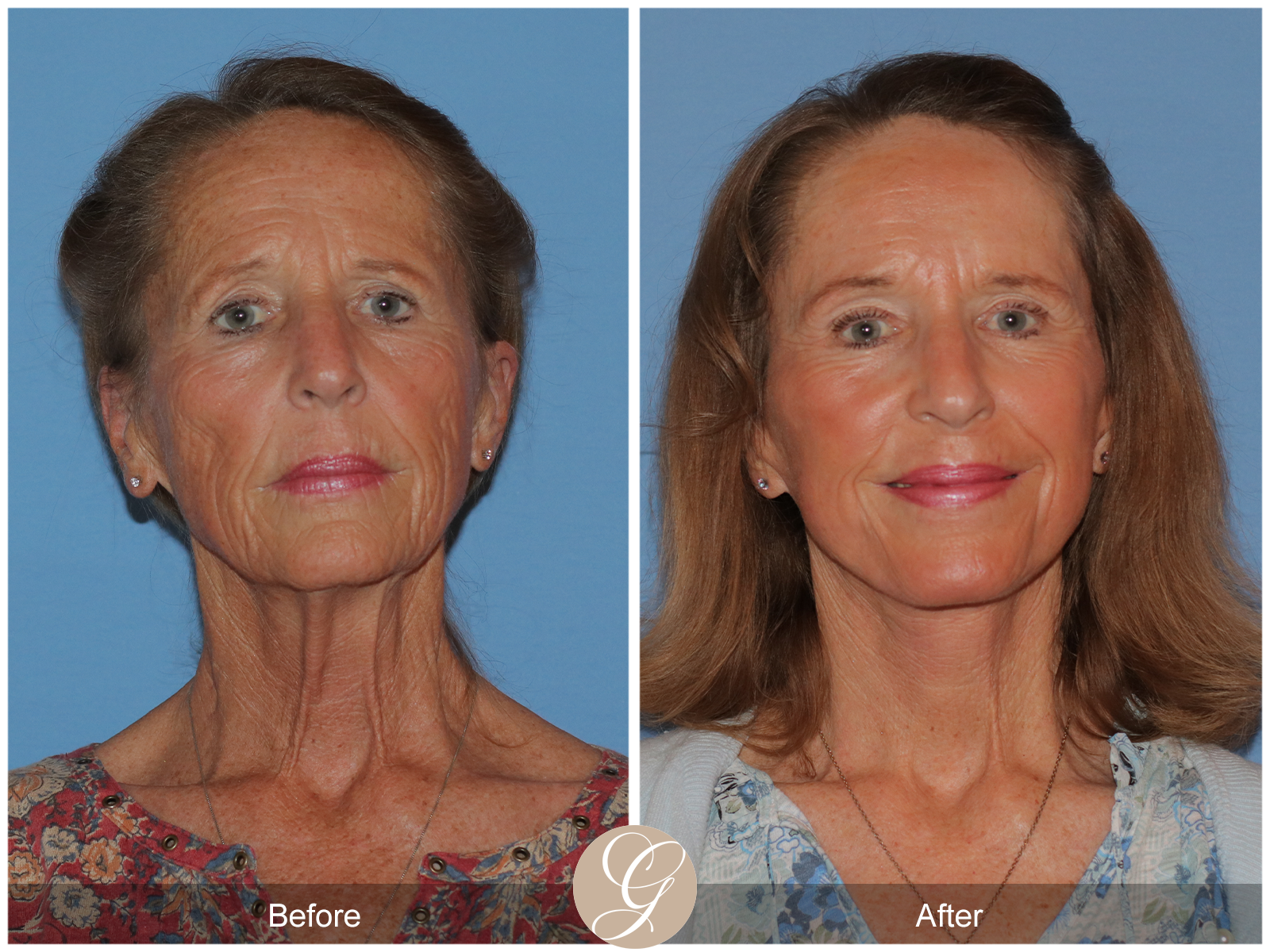
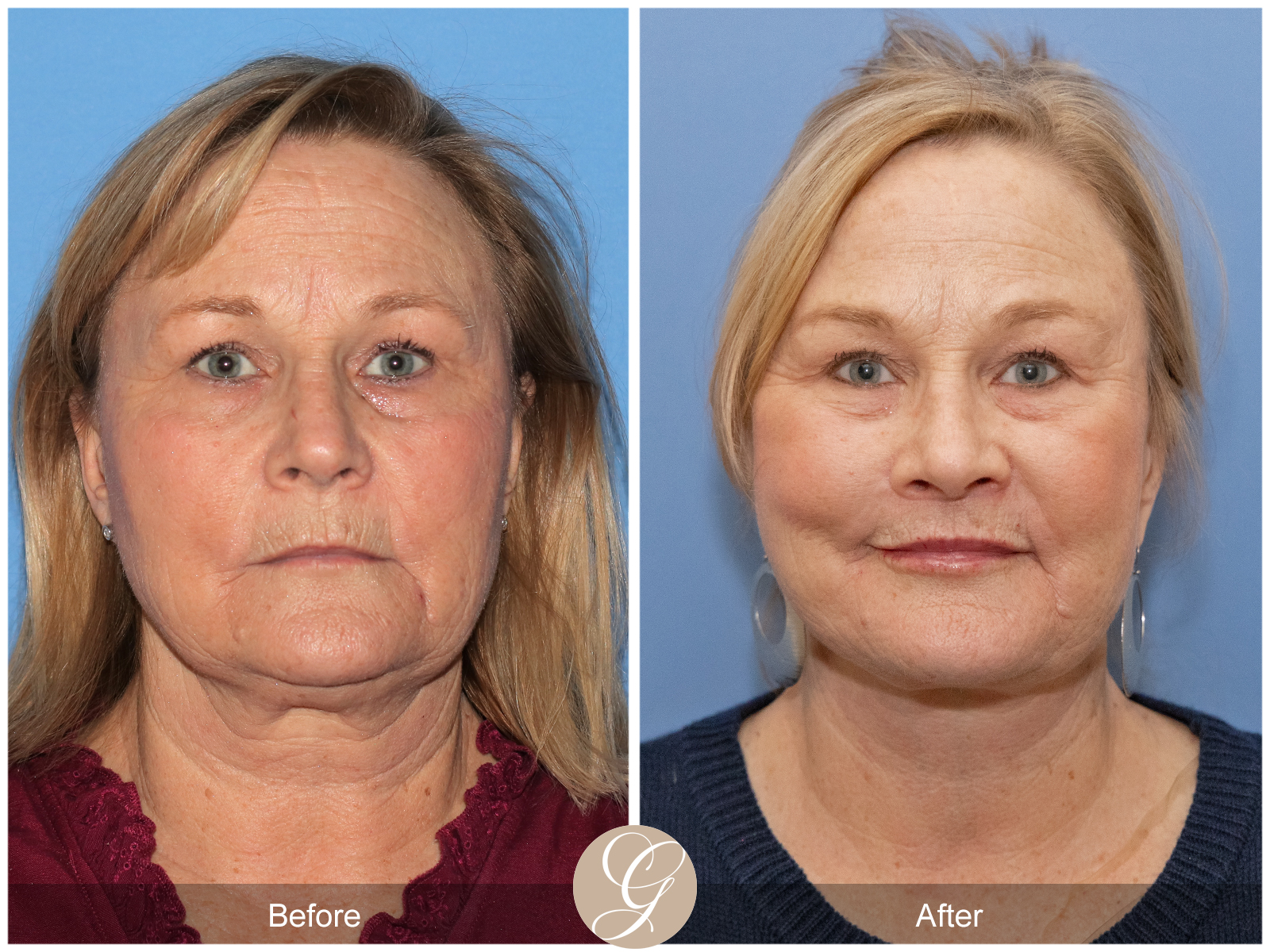
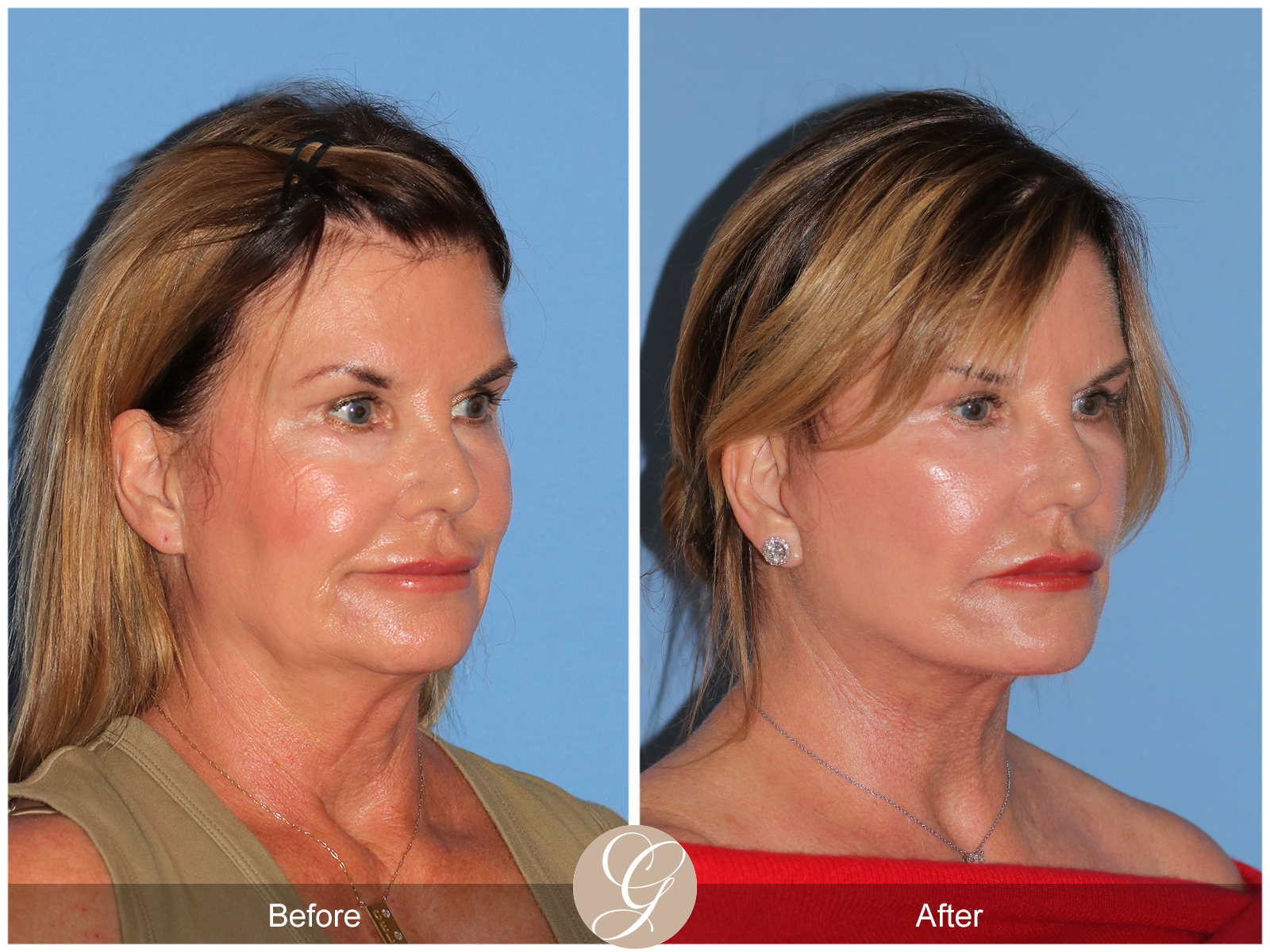
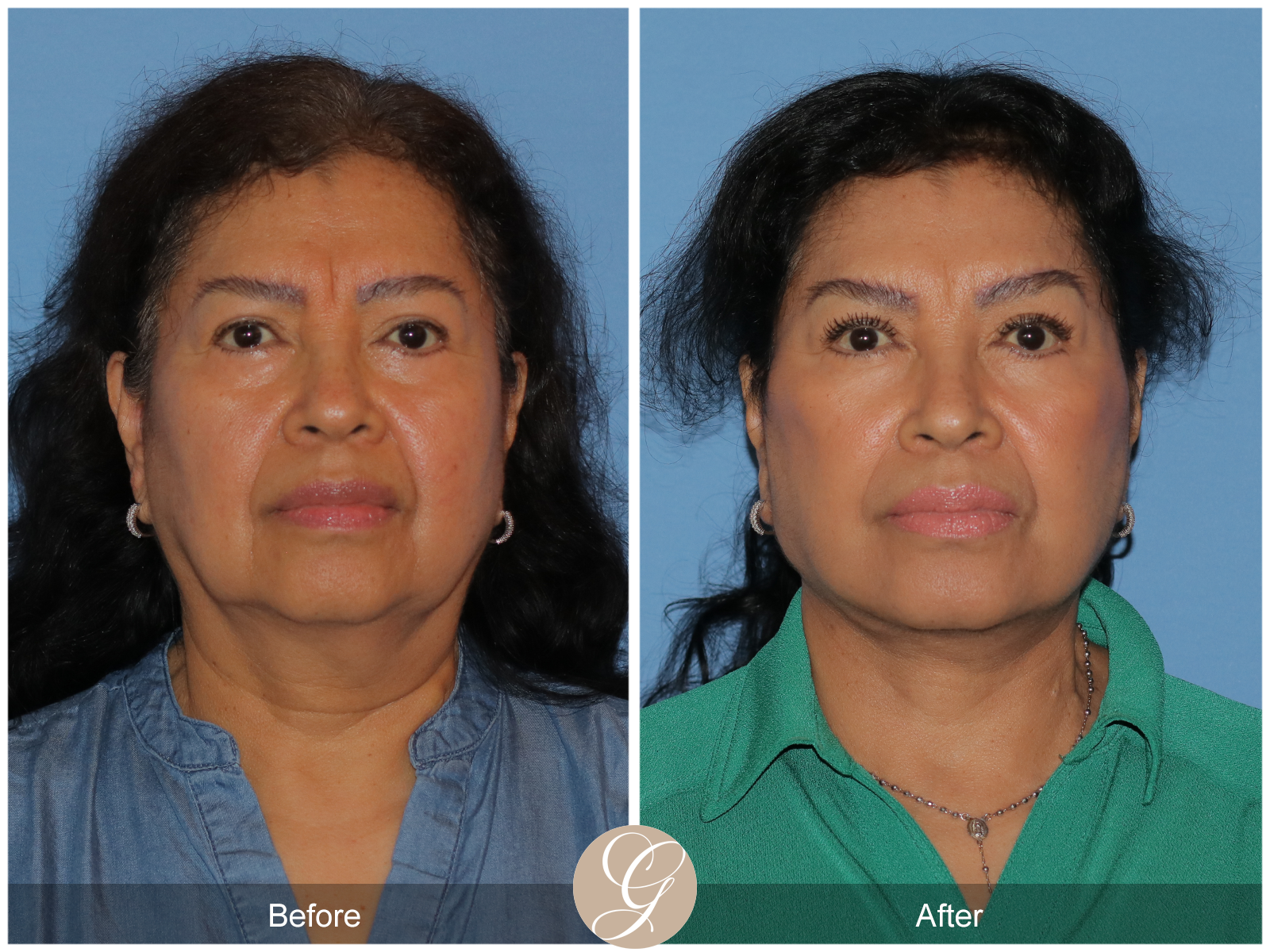
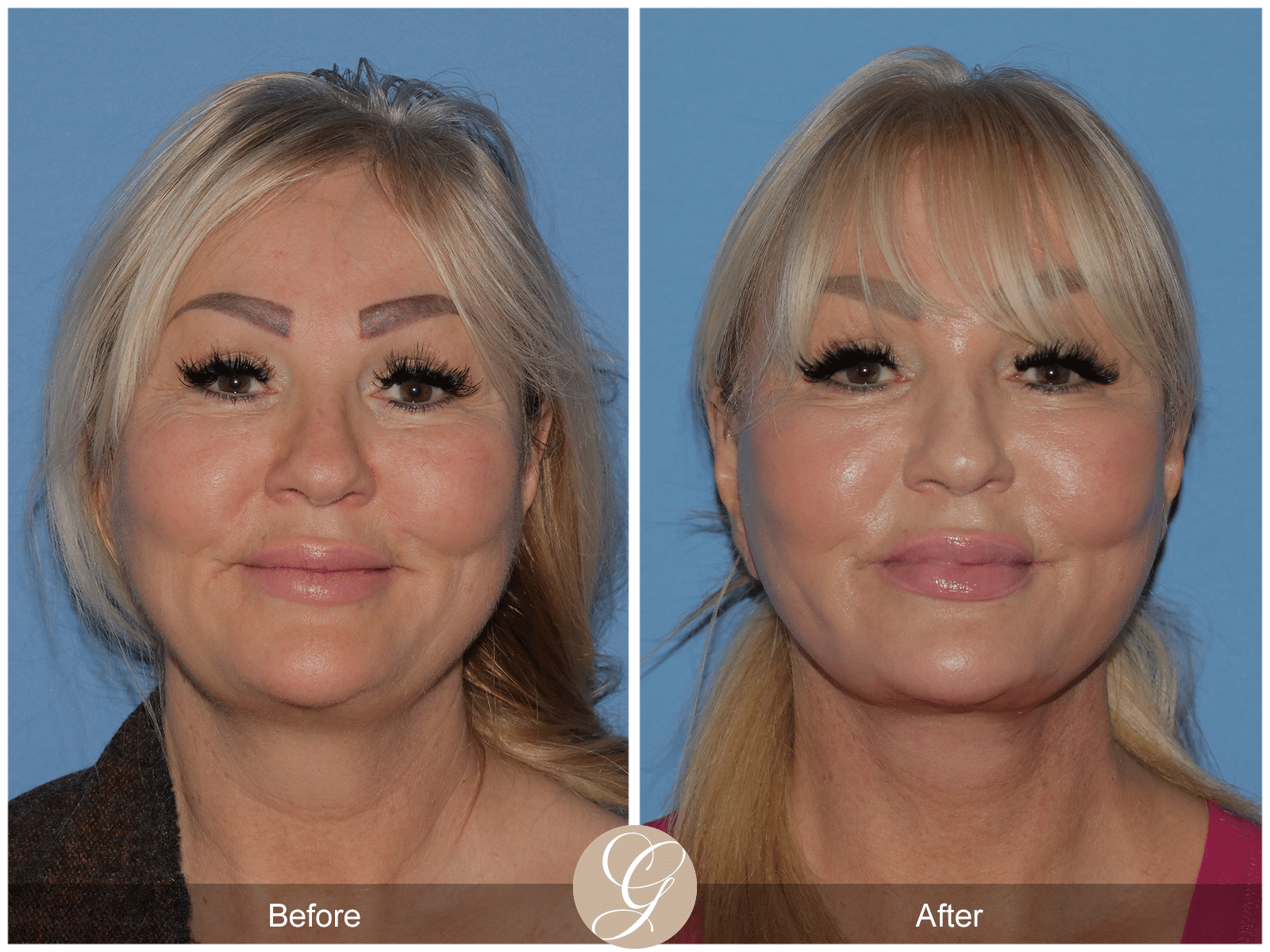
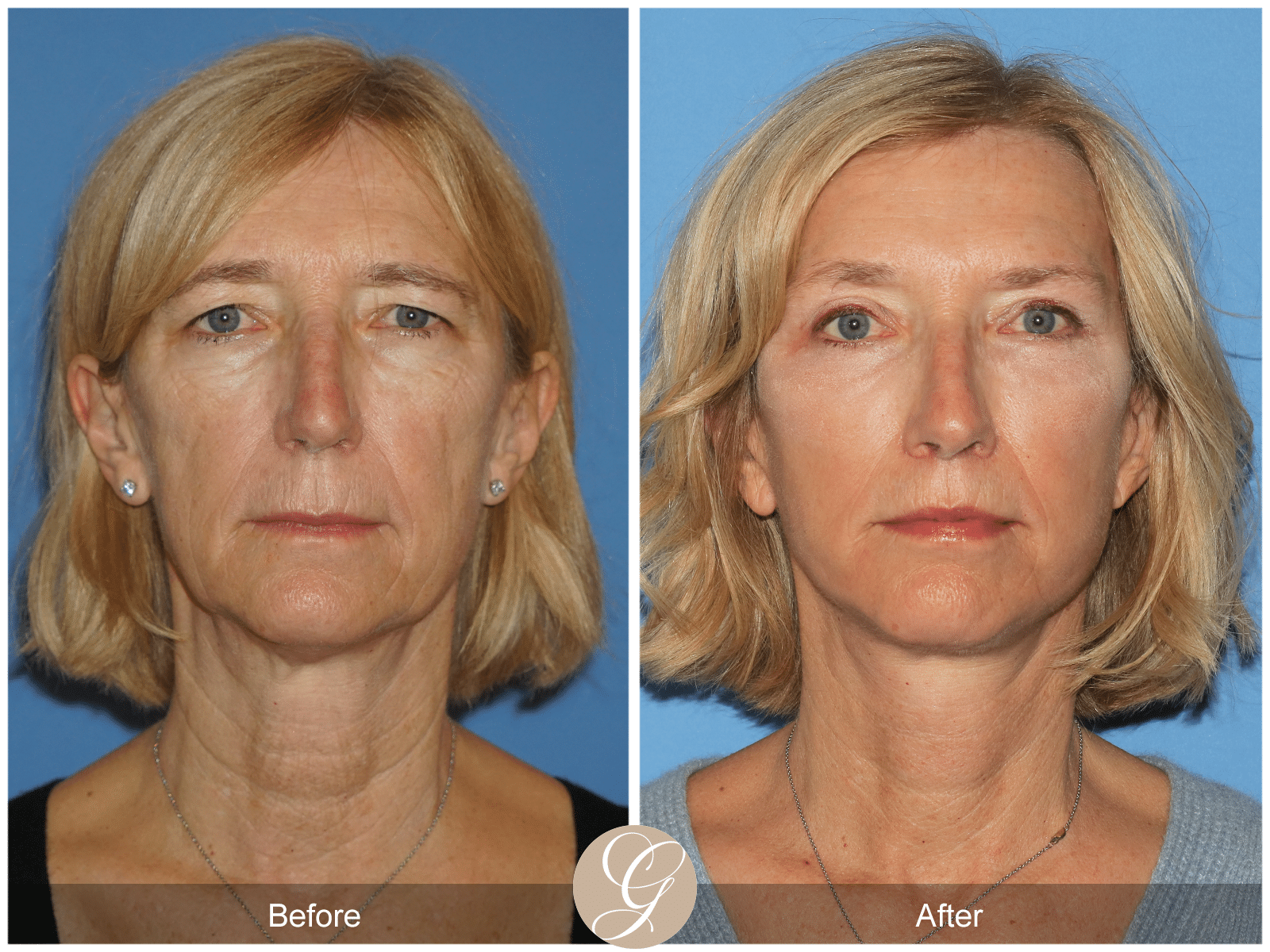
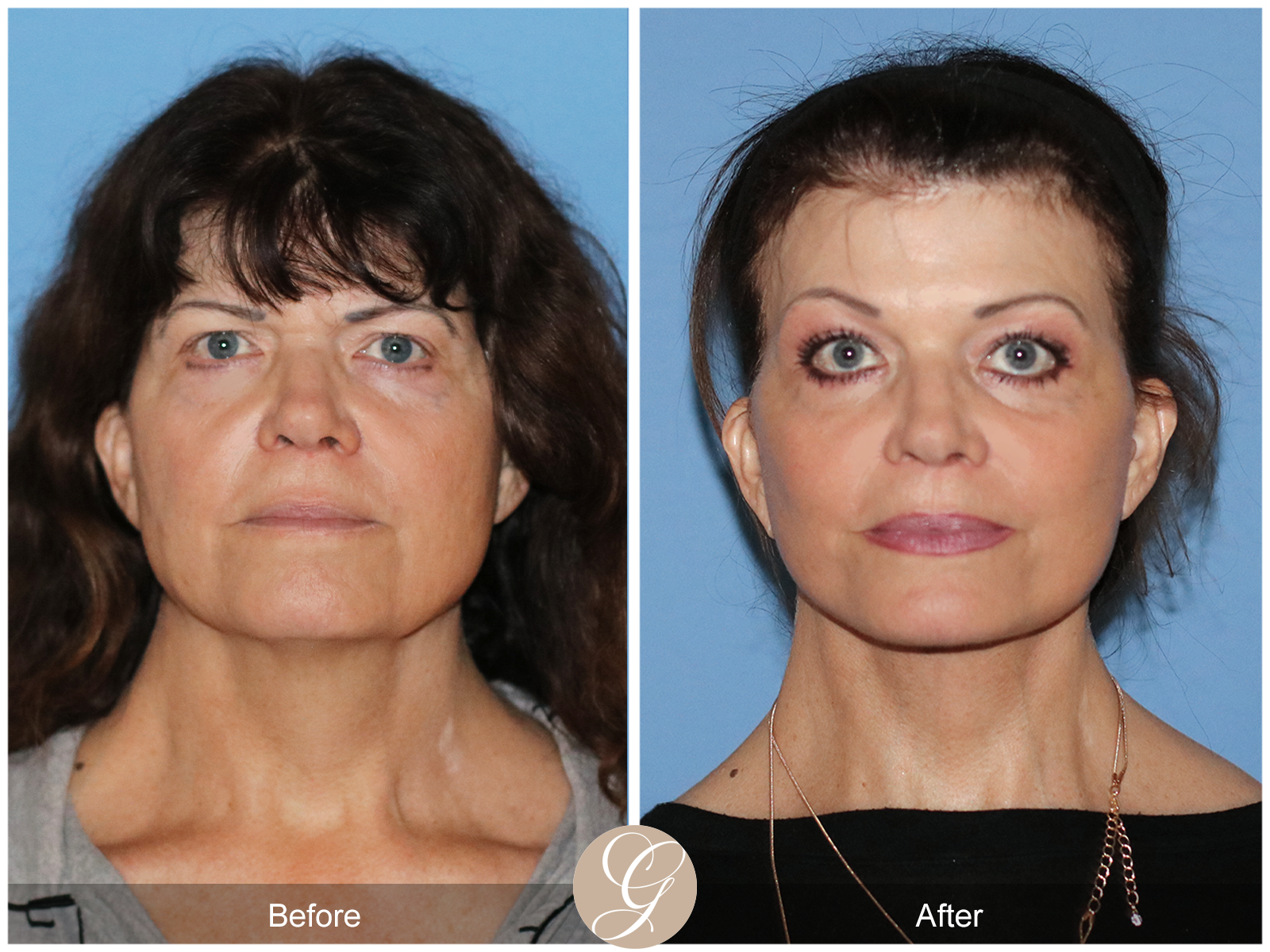
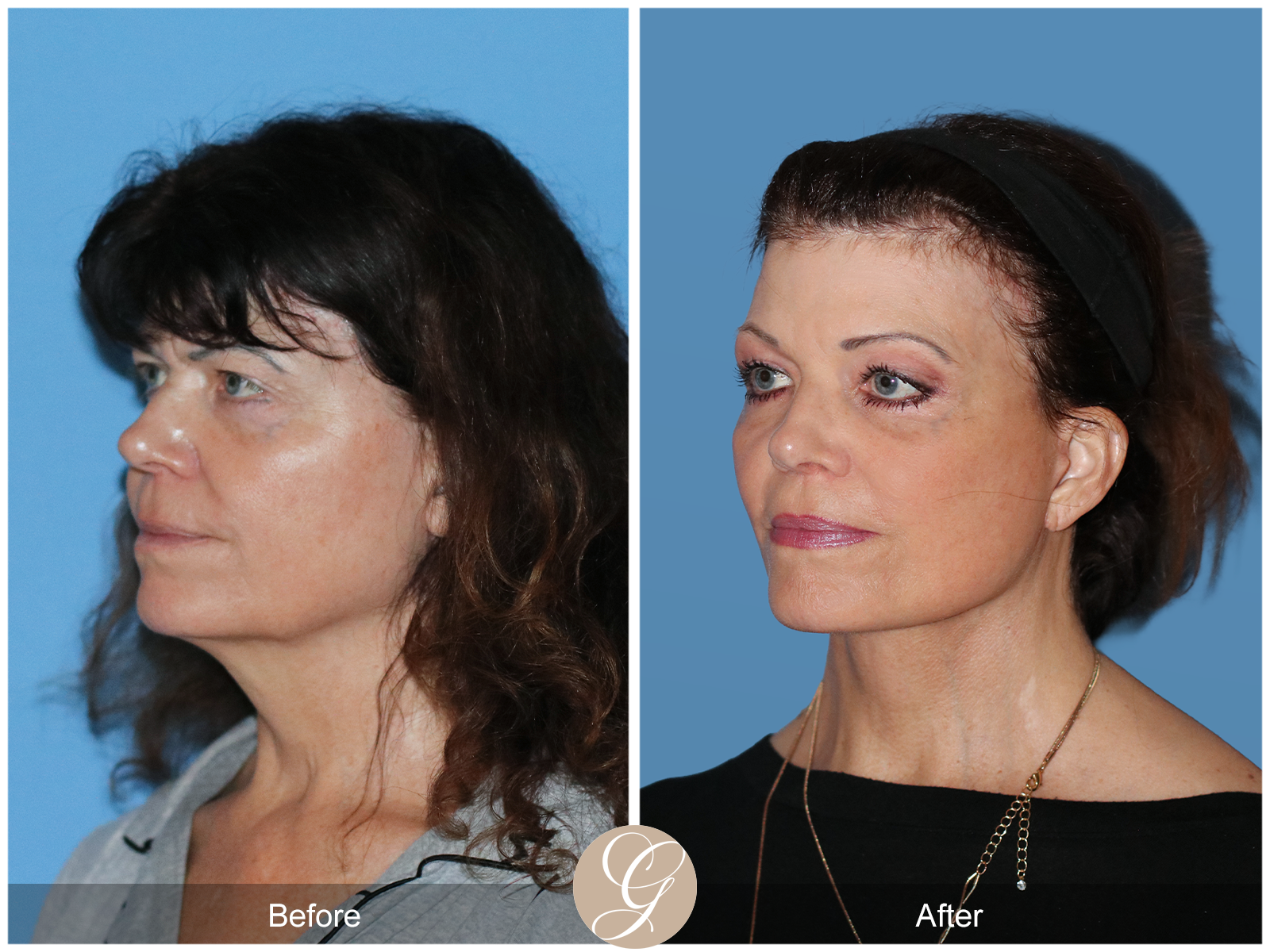
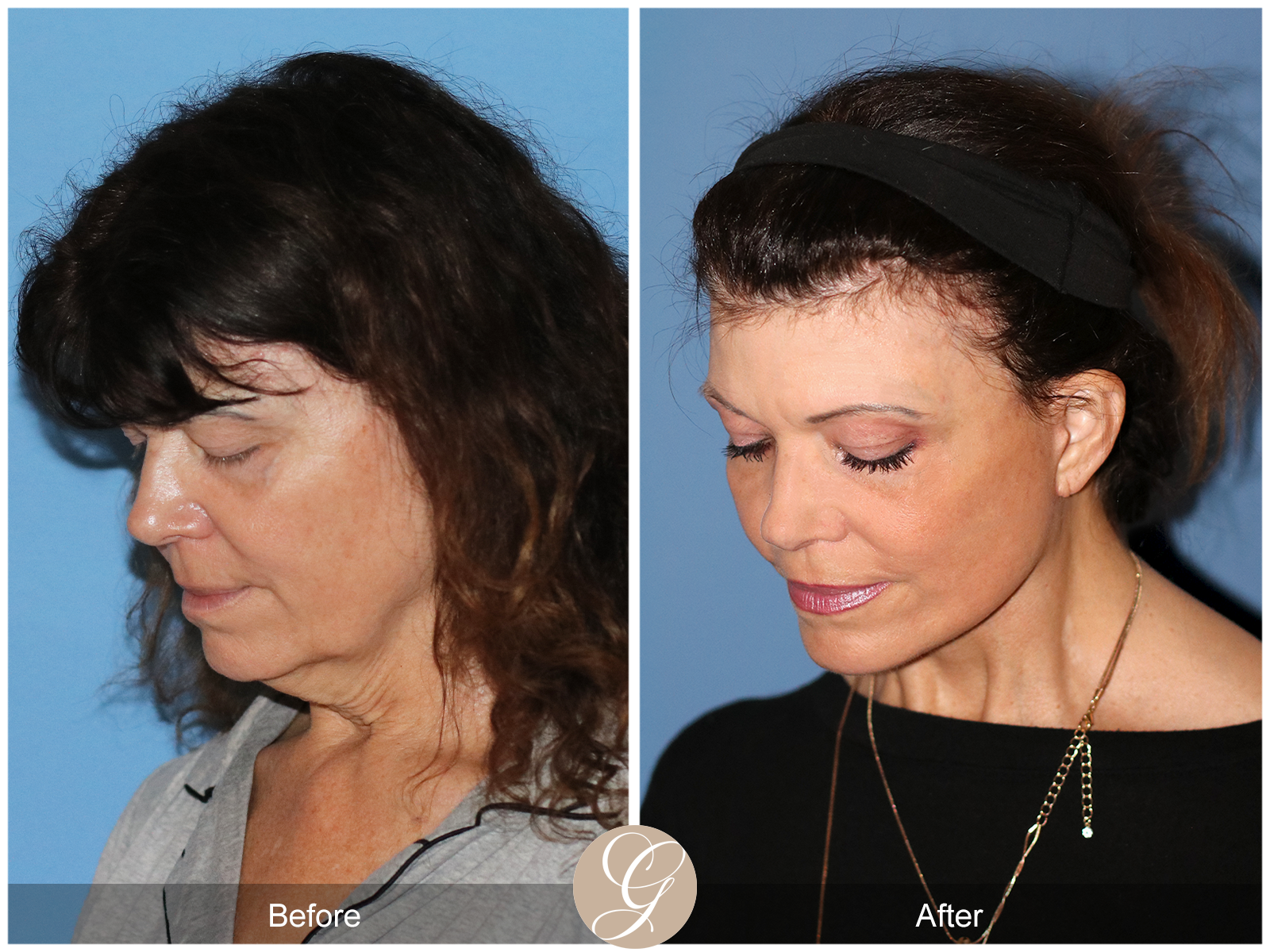
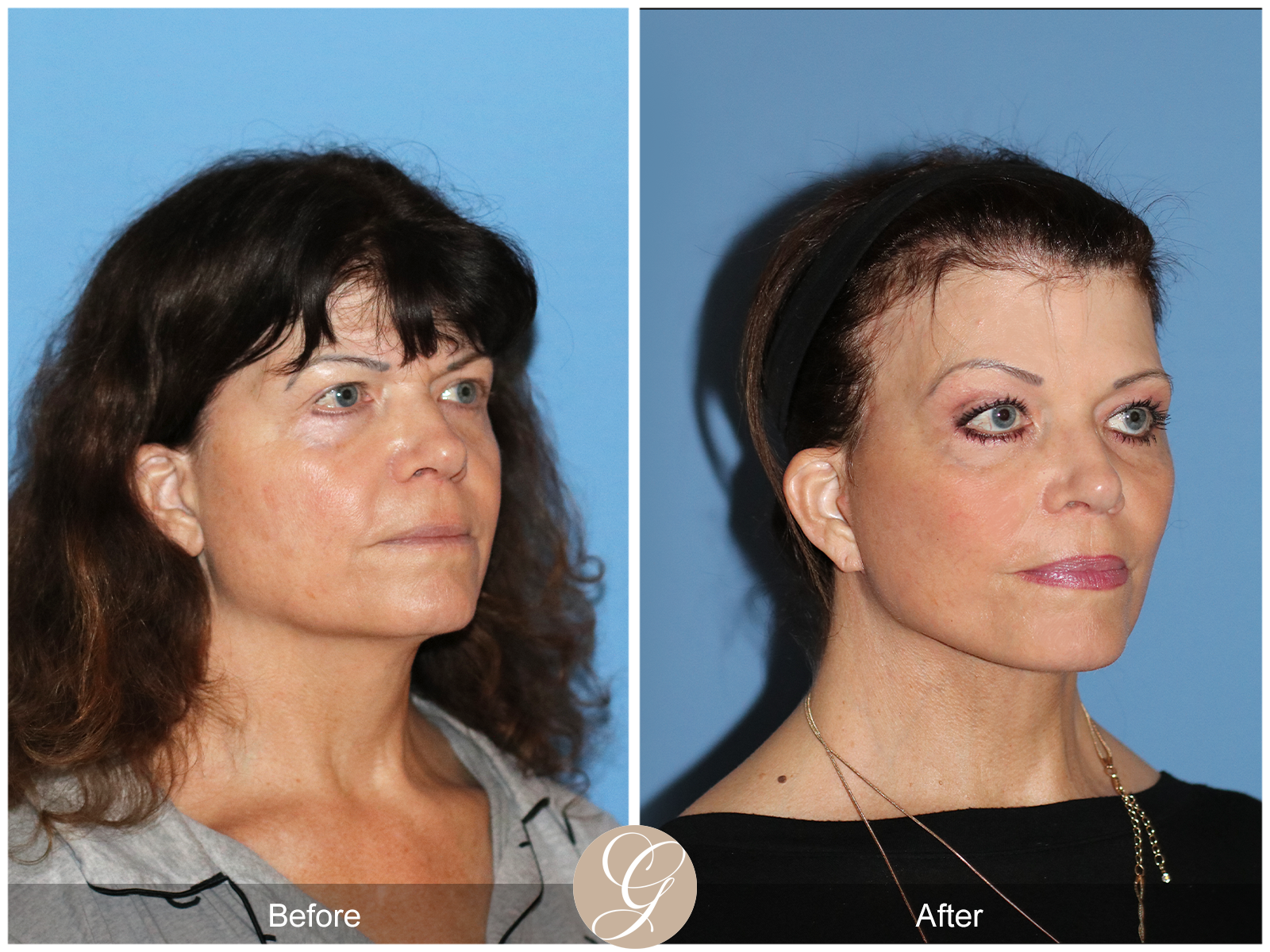
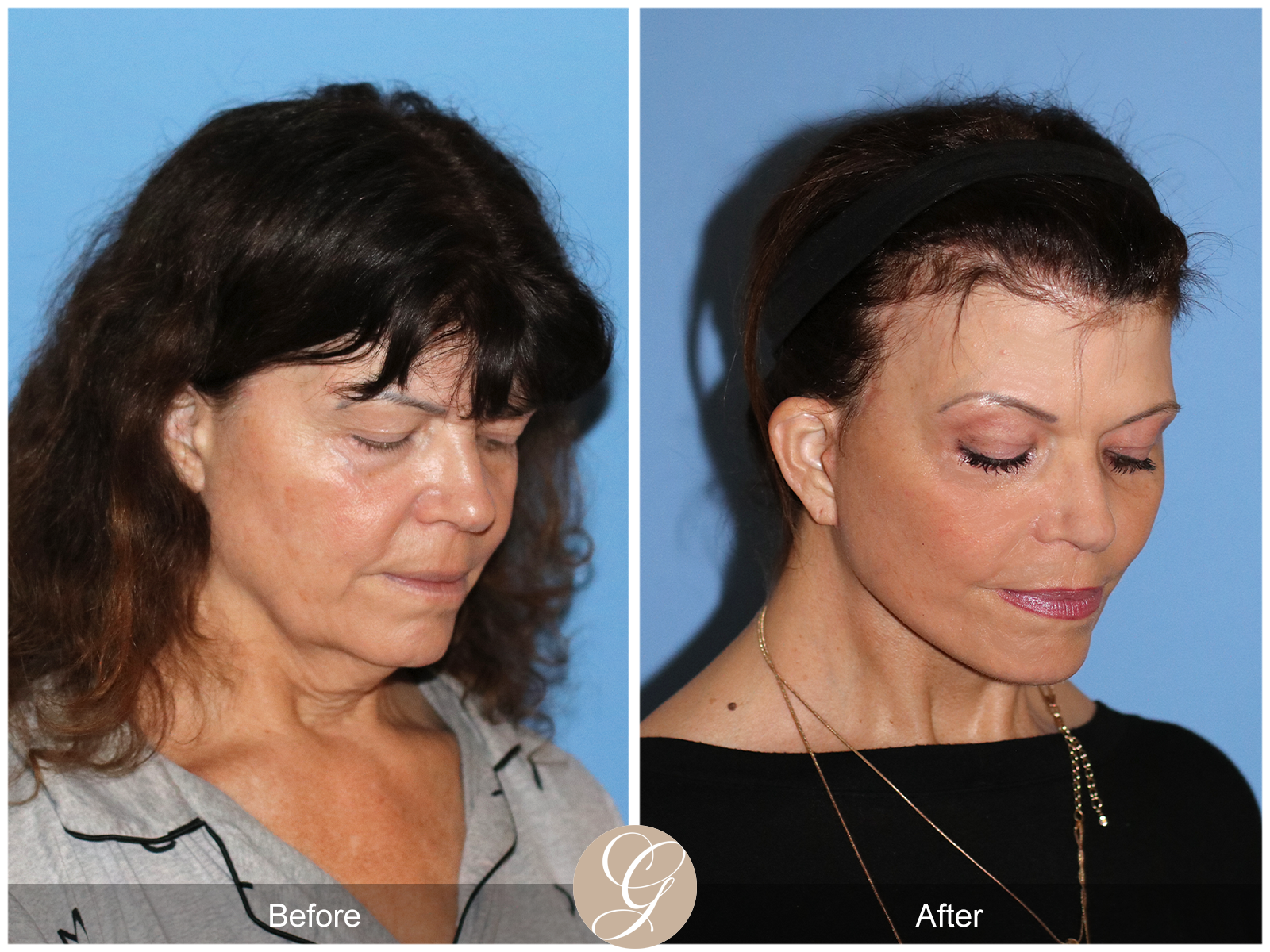
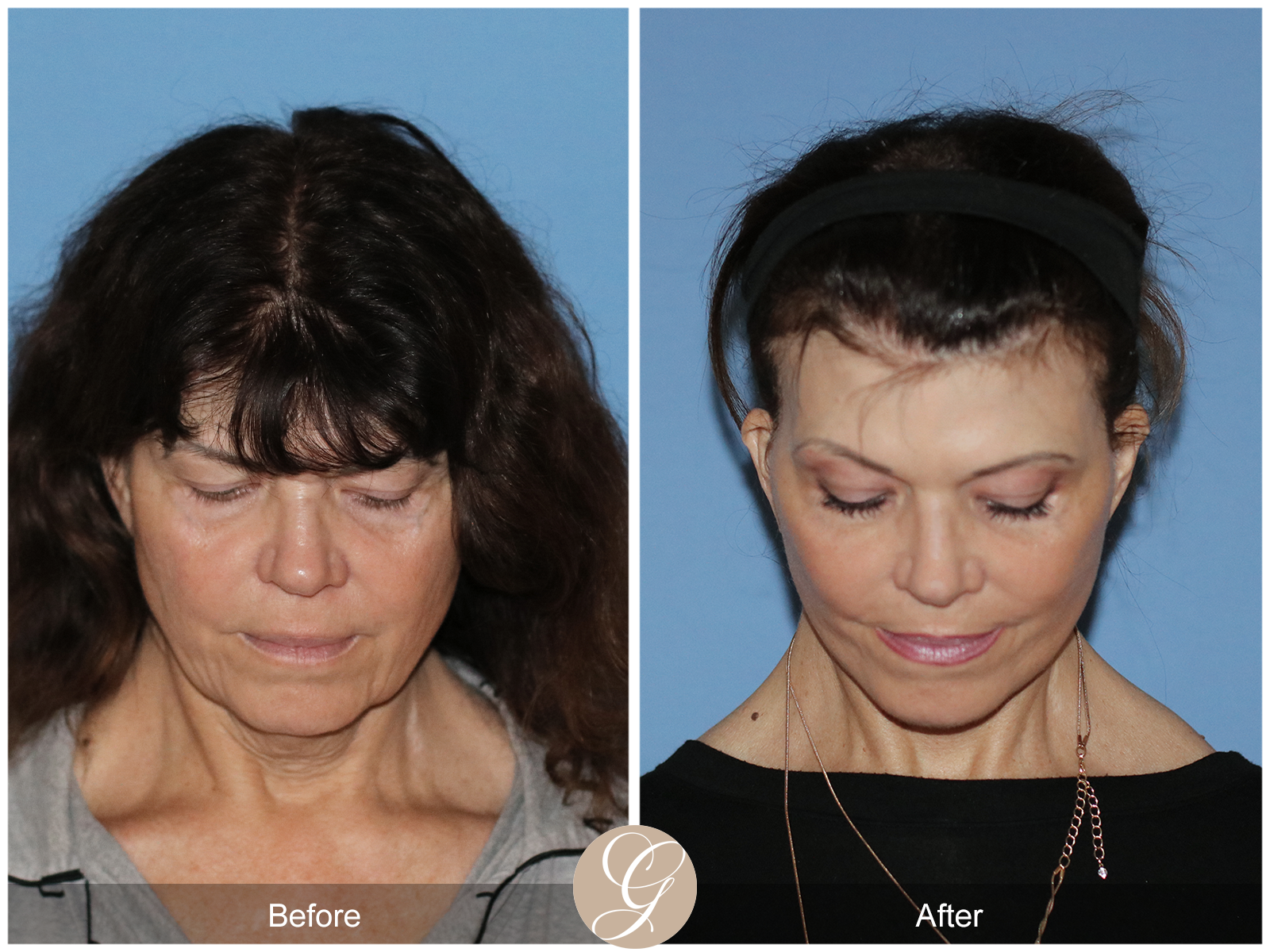
Is a Deep Plane Facelift Safe? The Story of Kathleen at 54
Every surgical procedure carries some risk, including a deep plane facelift. But in skilled hands, that risk is much less than many patients realize. Most patients concerned about a deep plane facelift worry about temporary weakness of the facial nerve. A skilled deep plane surgeon will significantly reduce this risk through improved technique. Published data on the preservation deep plane show that, compared with traditional deep plane surgery, complications are much less common.
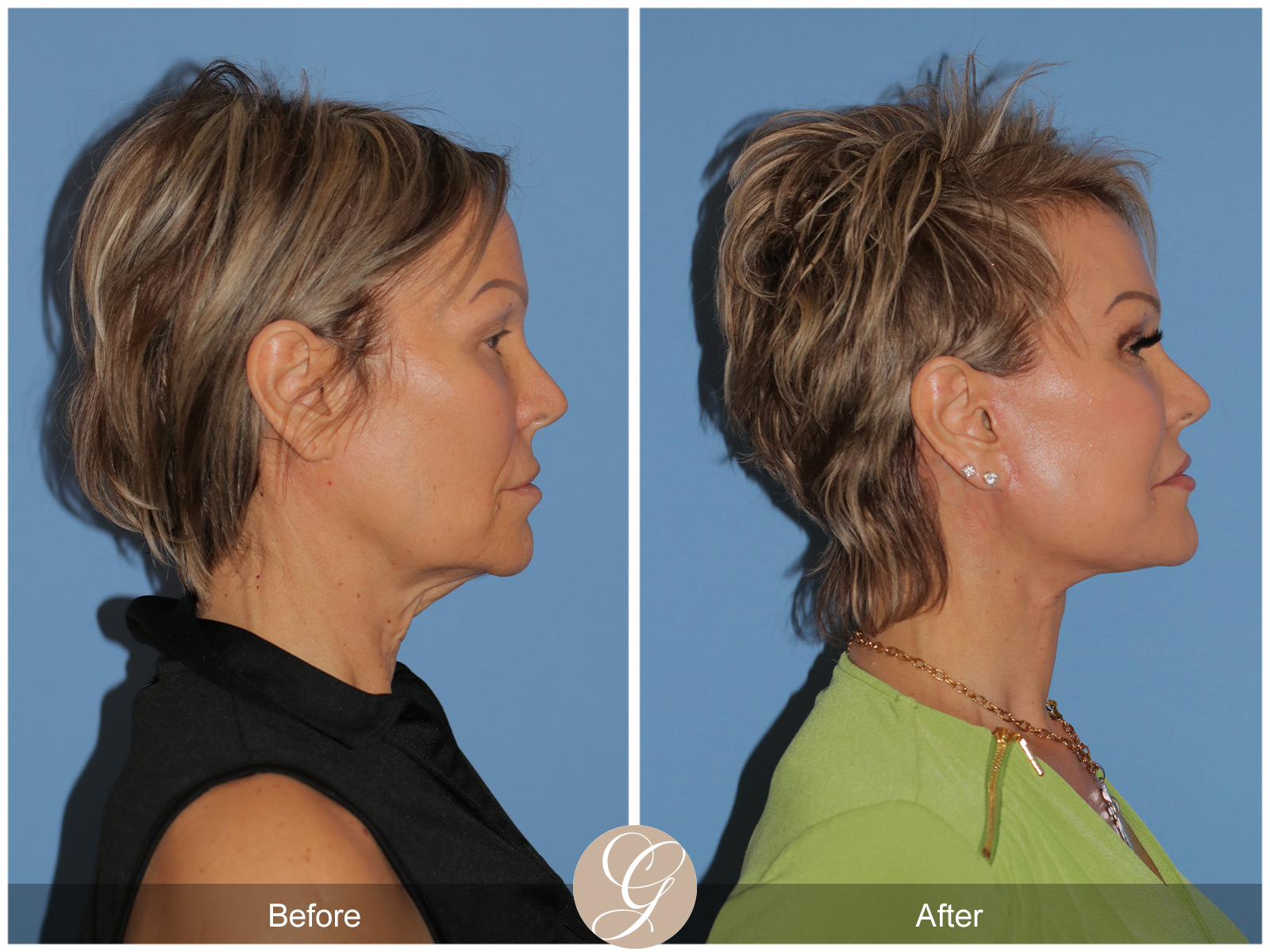
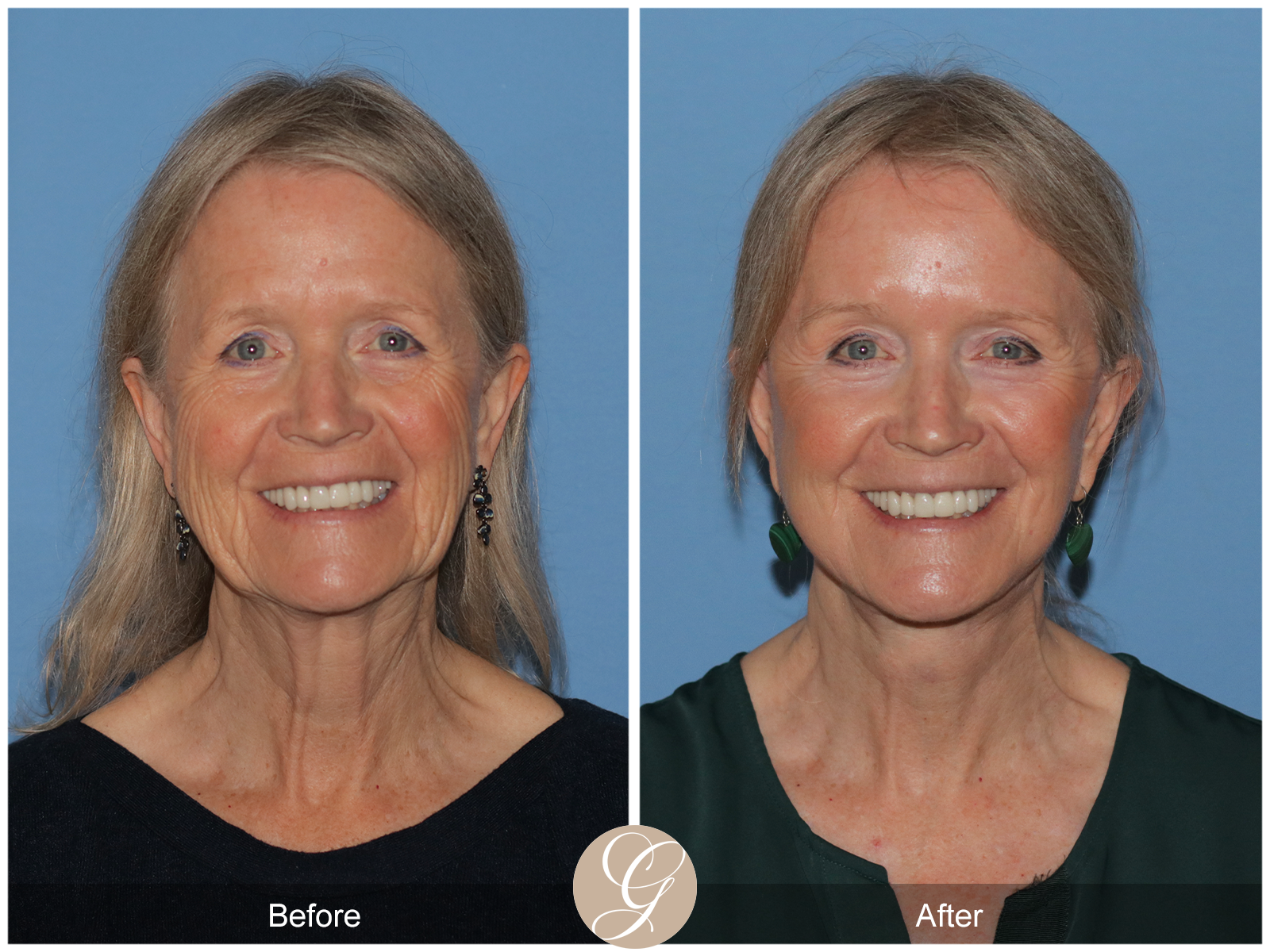
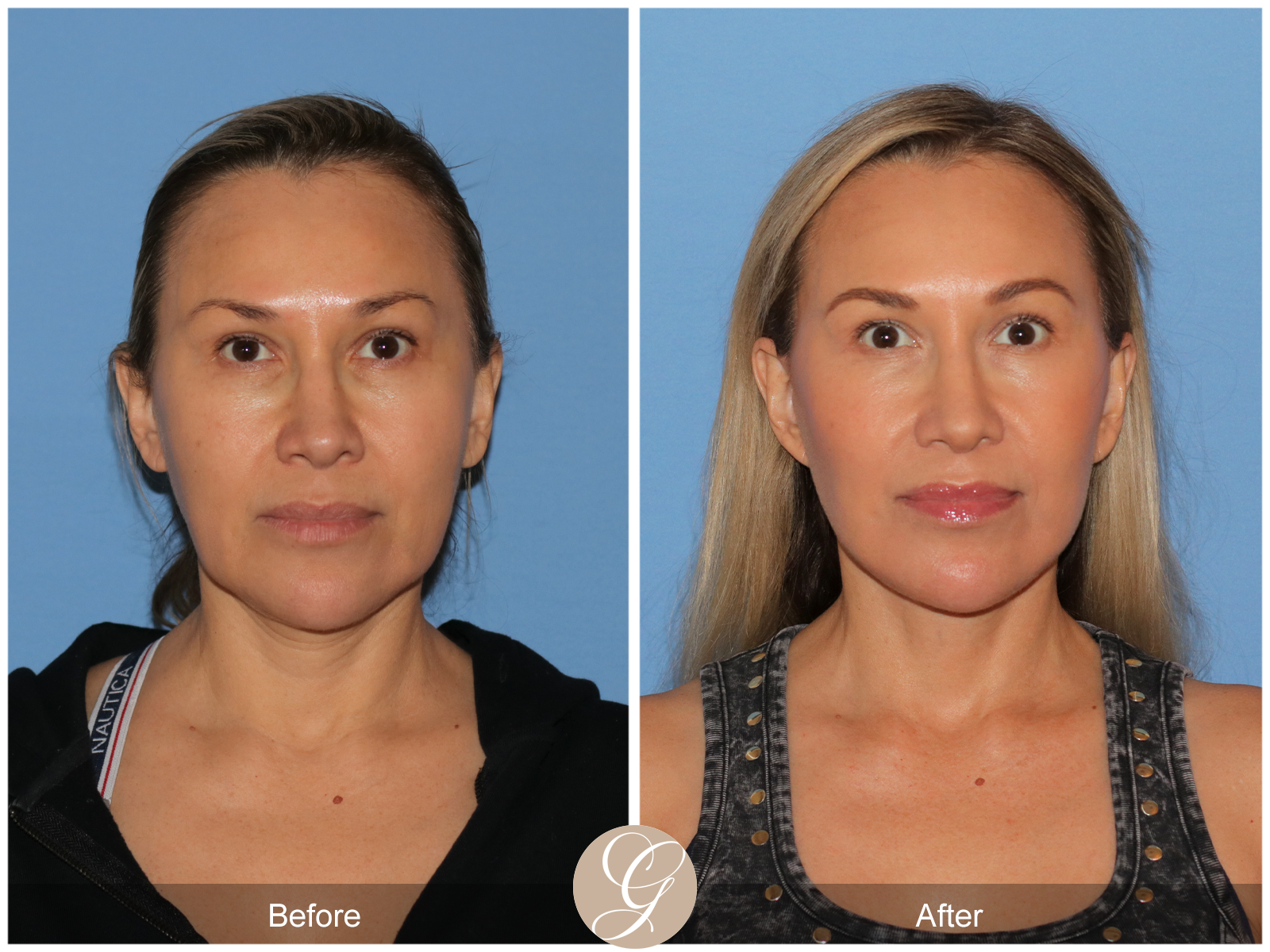
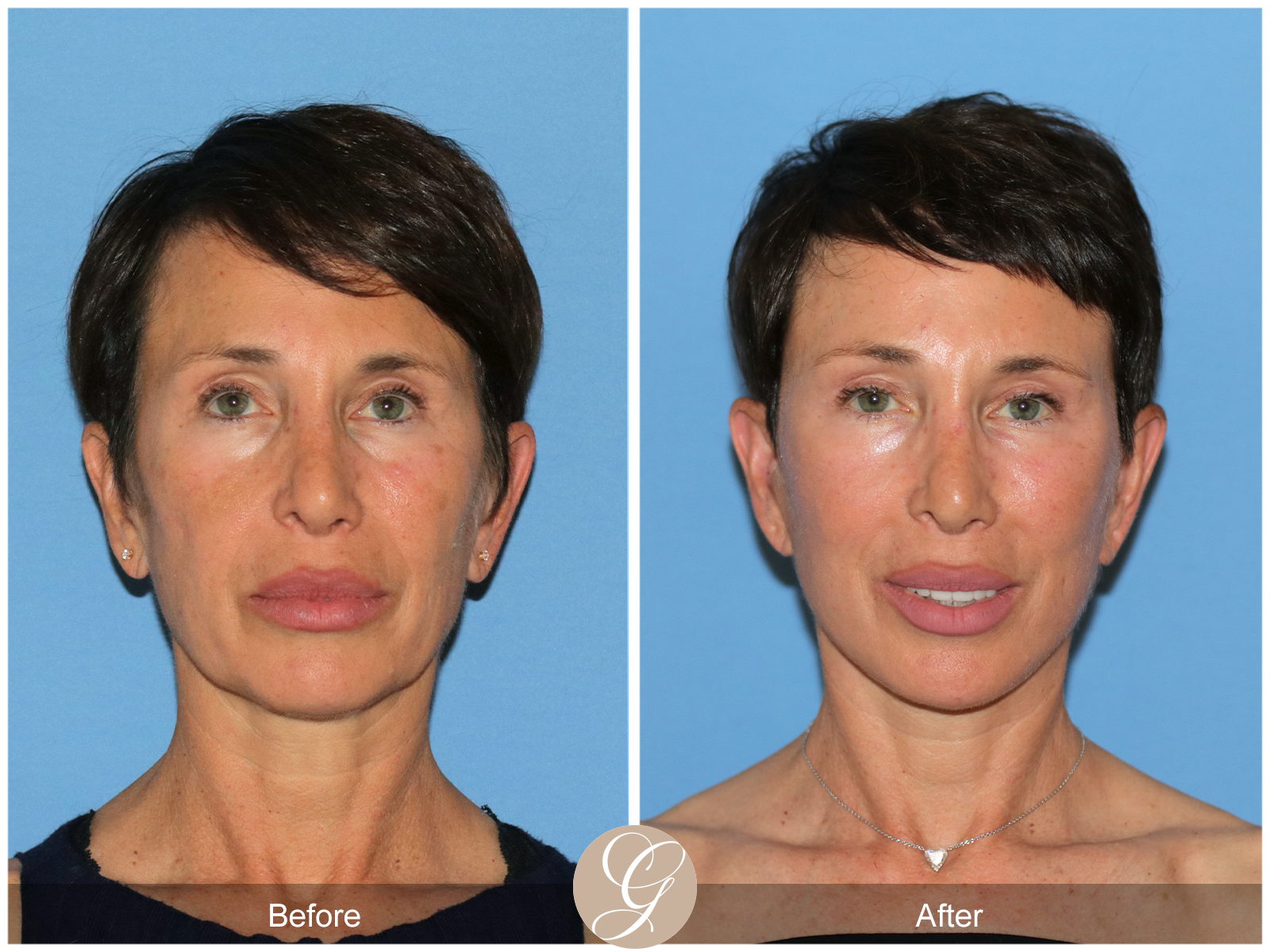
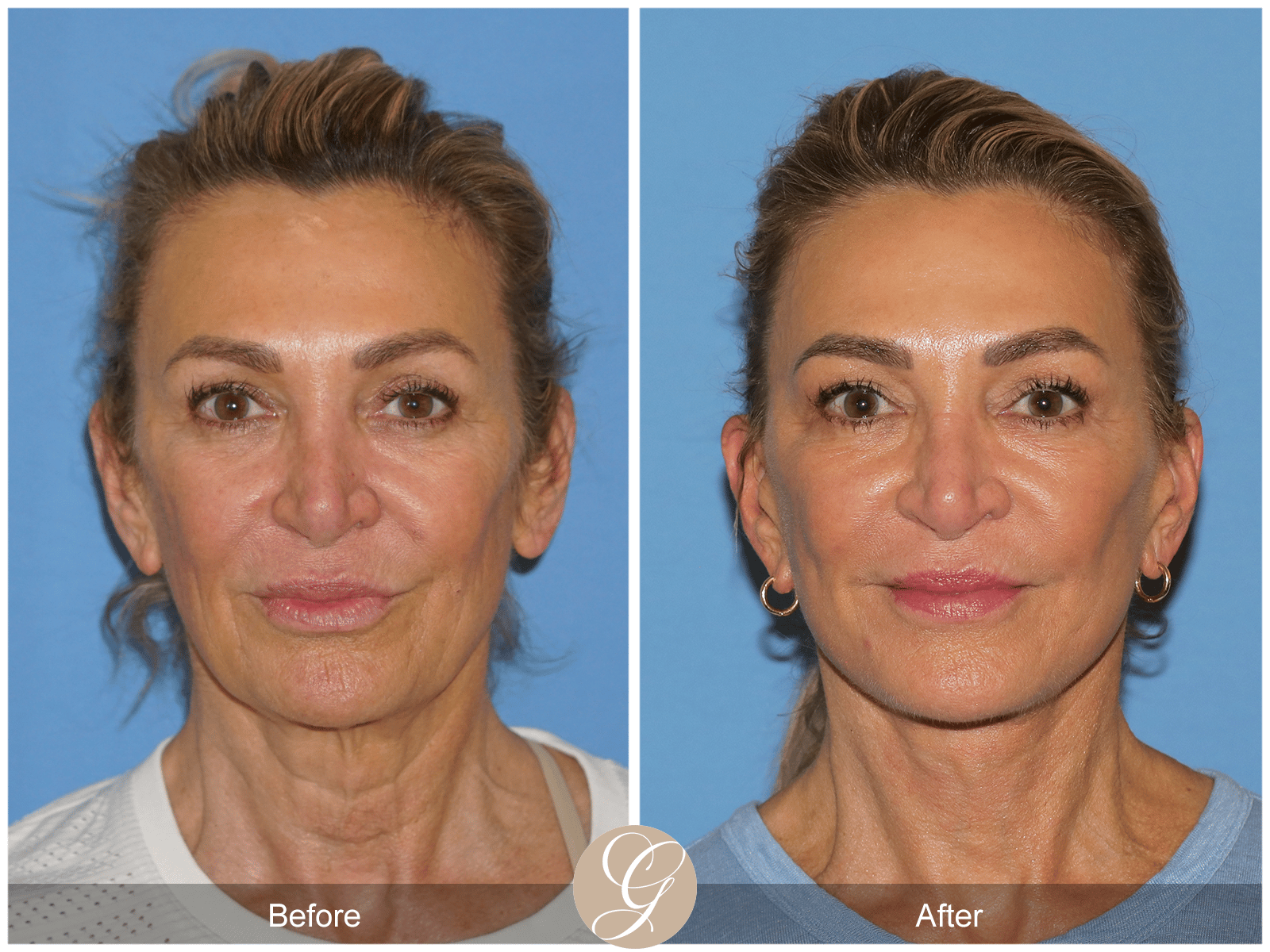
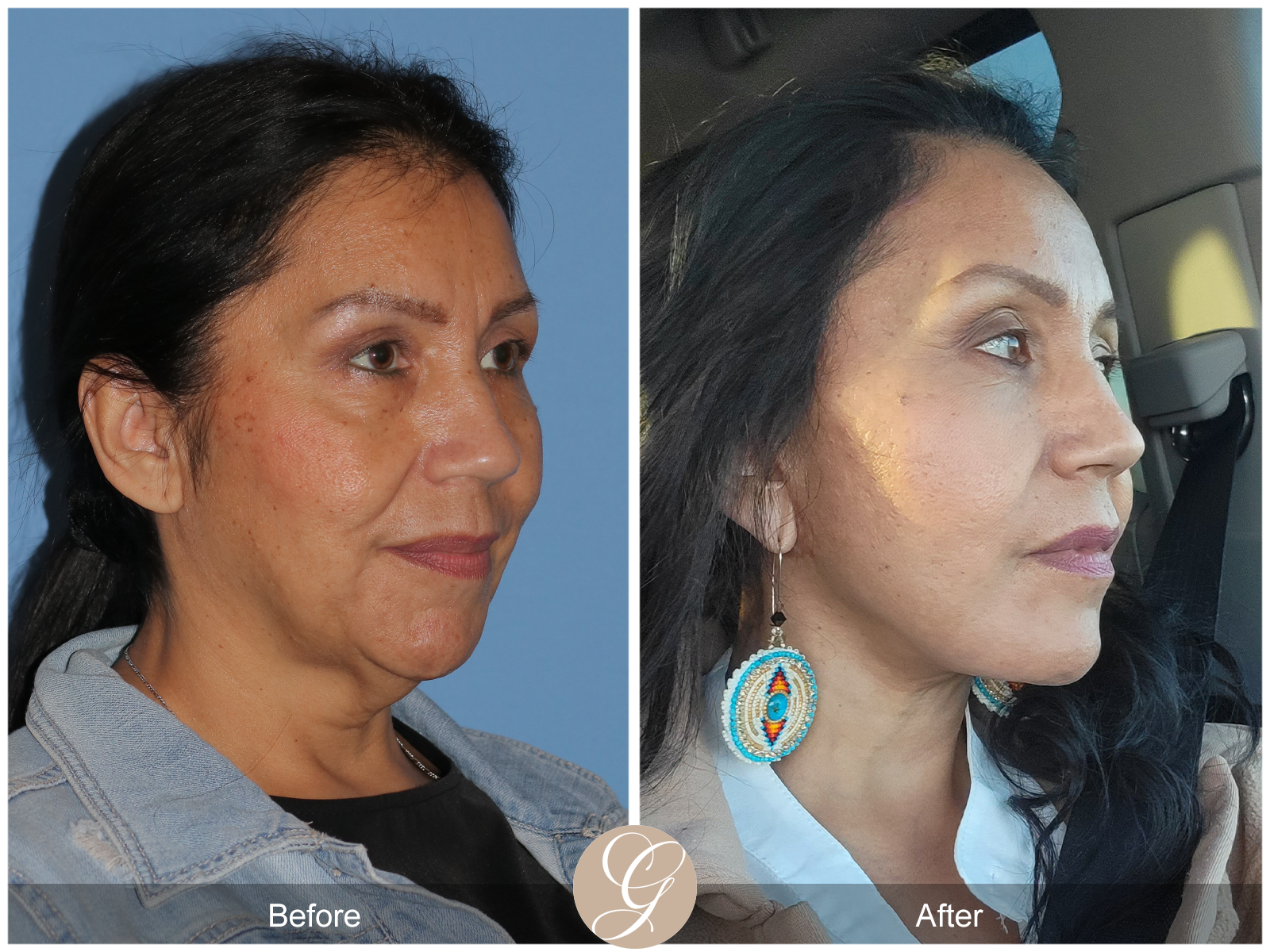
This mattered to Kathleen, a 54-year-old cancer survivor in her tenth year of disease-free status. She felt she had jowls, laxity in her neck, a hollow under her lower eyelids (from drooping of her midface) and drooping of her brows. She had a preservation facelift, endoscopic brow lift, submandibular gland reduction and fat grafting, all under twilight rather than general anesthesia.
Her postoperative course was exactly what one might expect given the safety record of this approach. She experienced no weakness of her facial nerve. And she didn’t anticipate the very mild discomfort she had.
She described it this way: “Just some swelling and mild discomfort that were far less than expected.”
Two months after surgery, she was delighted with the result. It was natural, elegant and unmistakably hers. Every surgery involves risk. But overall, in this case, she found her surgery reassuringly uneventful.
Keep Browsing Our Gallery