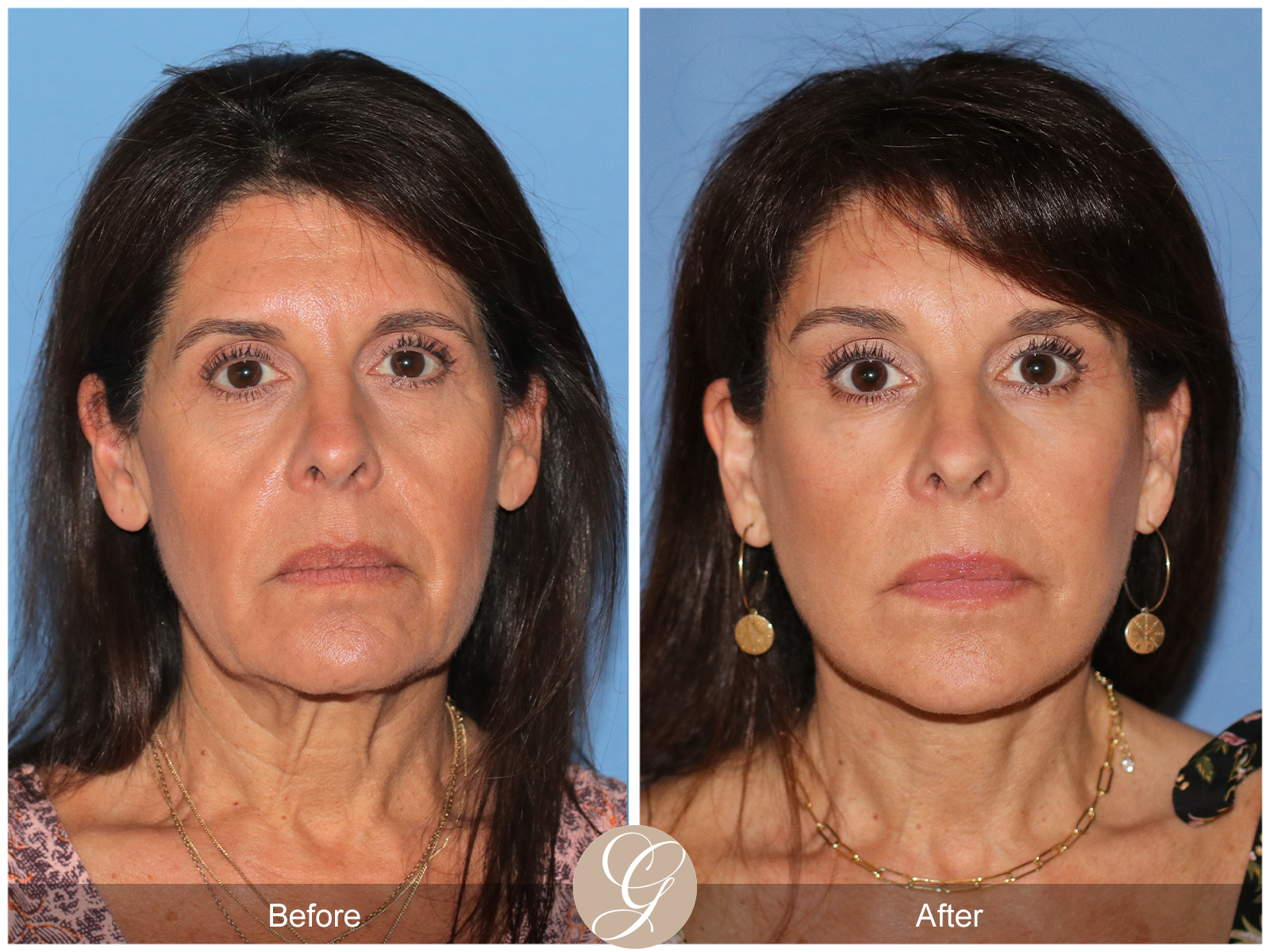
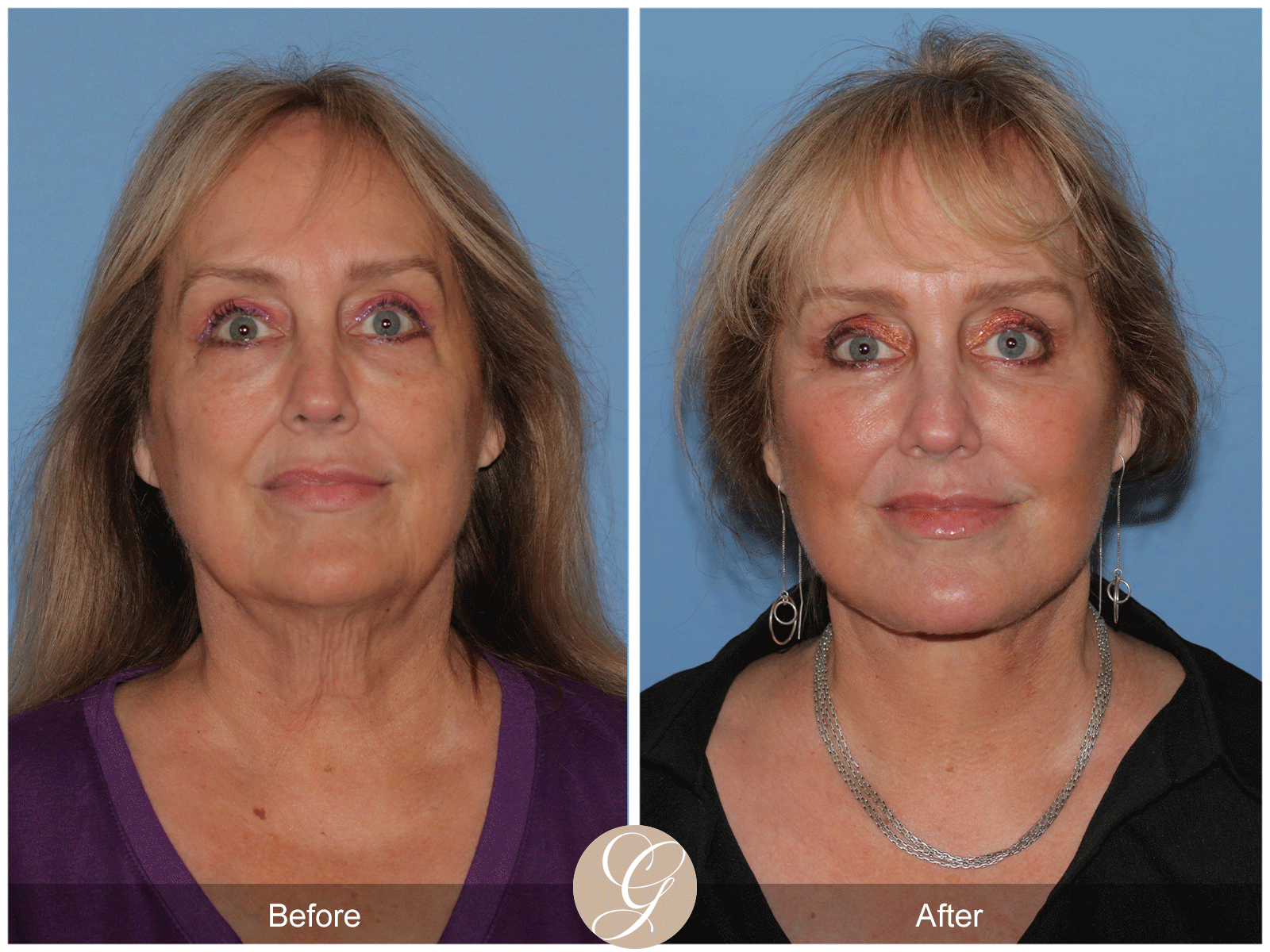
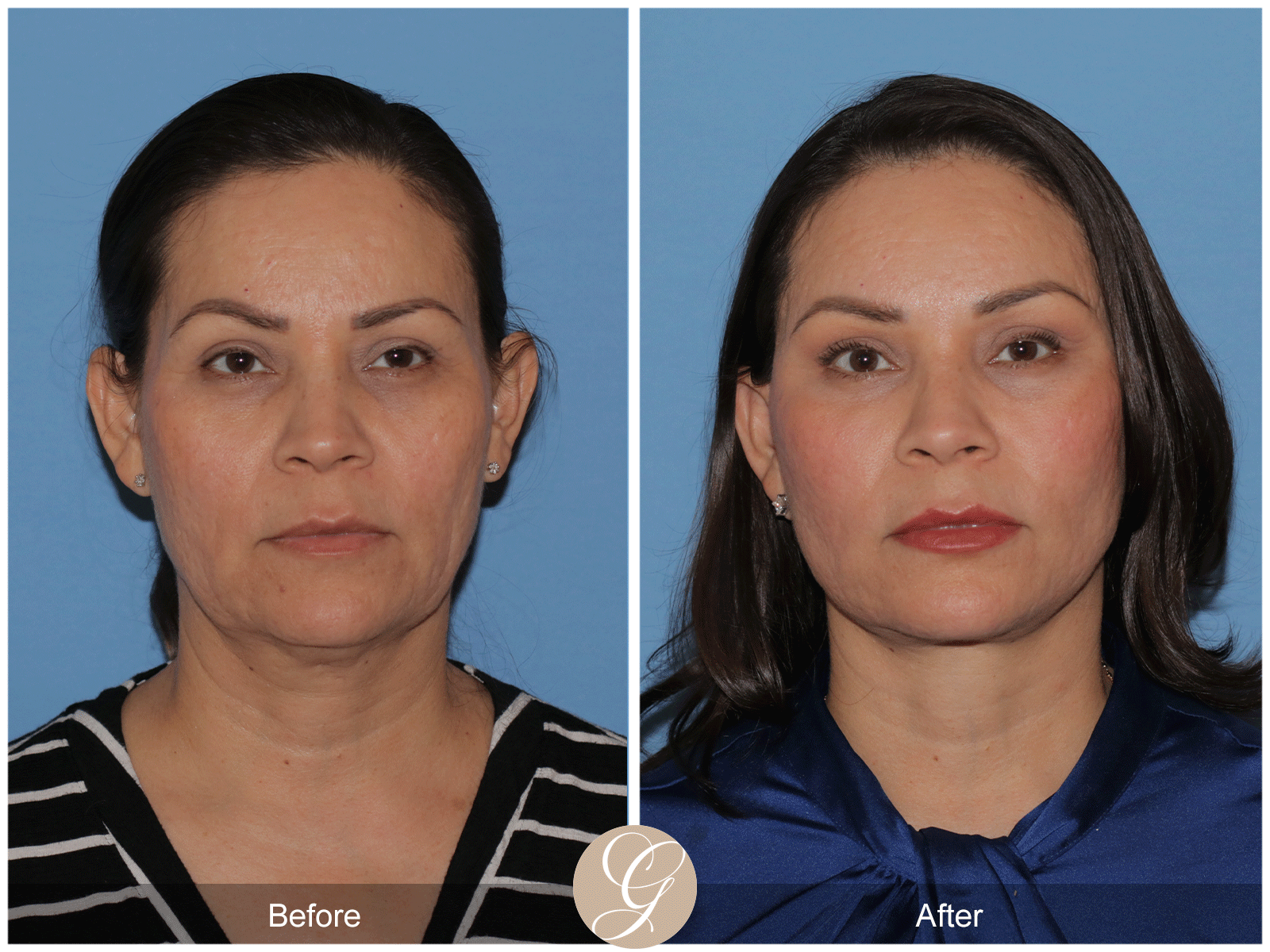
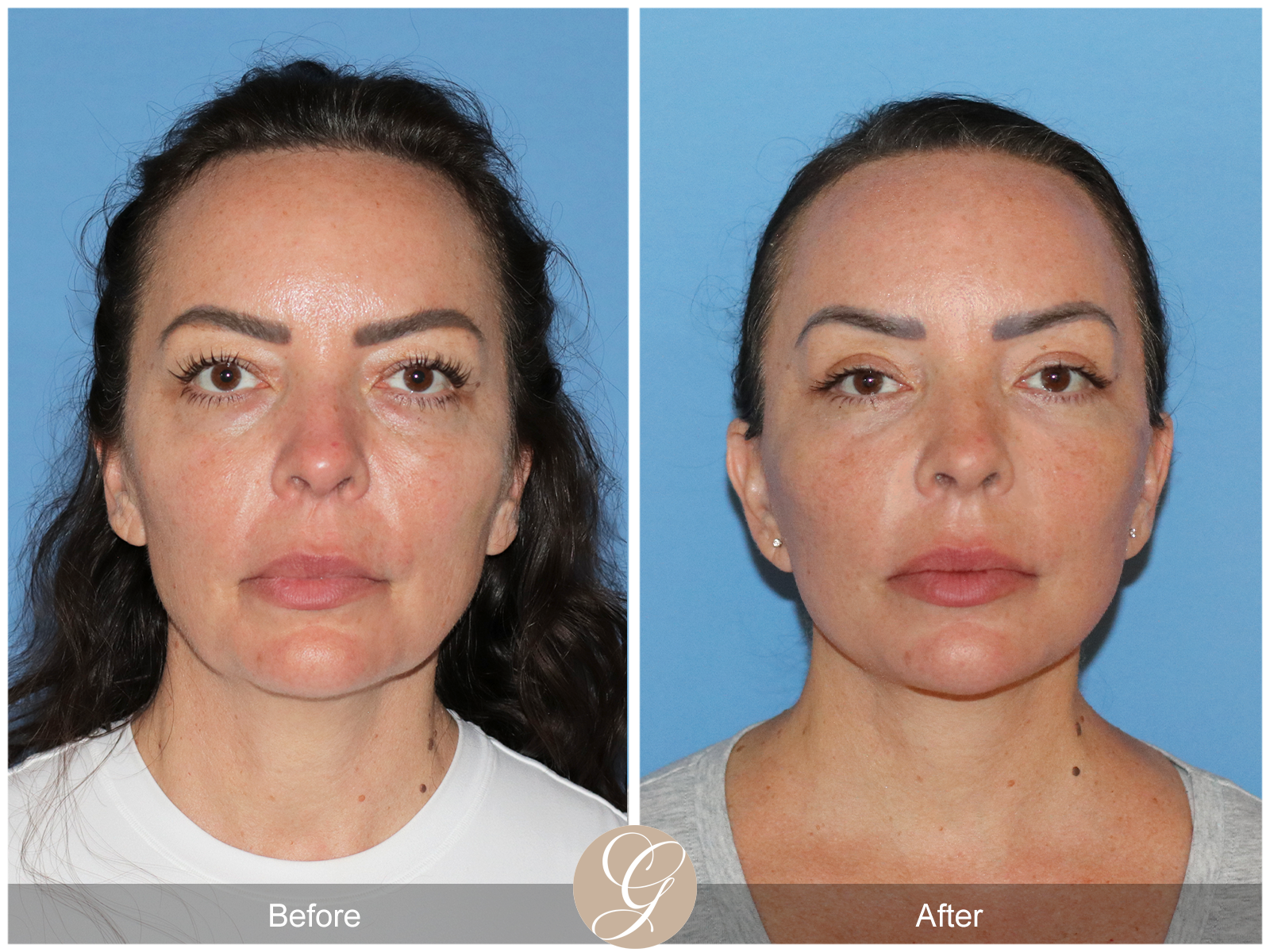
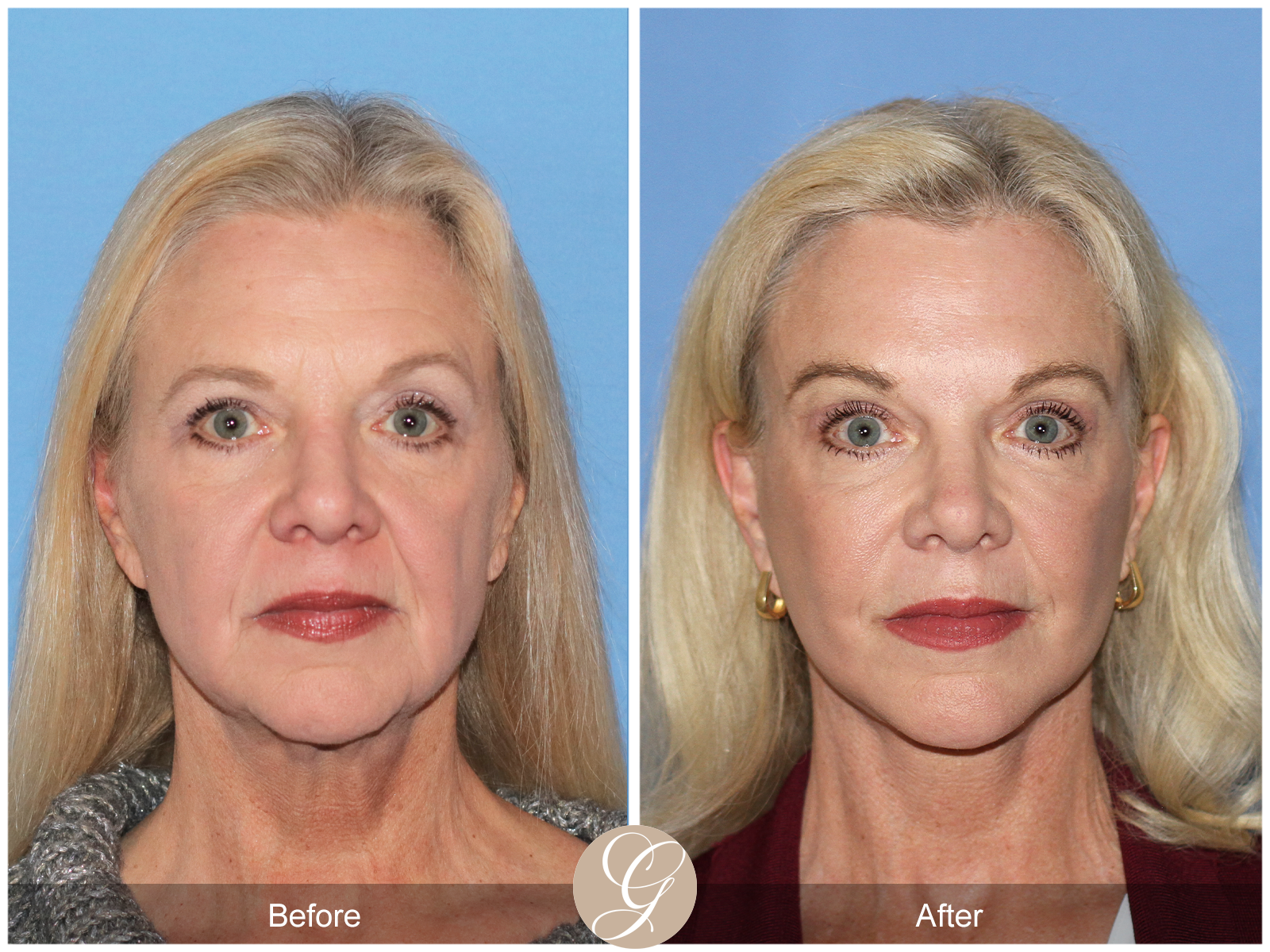
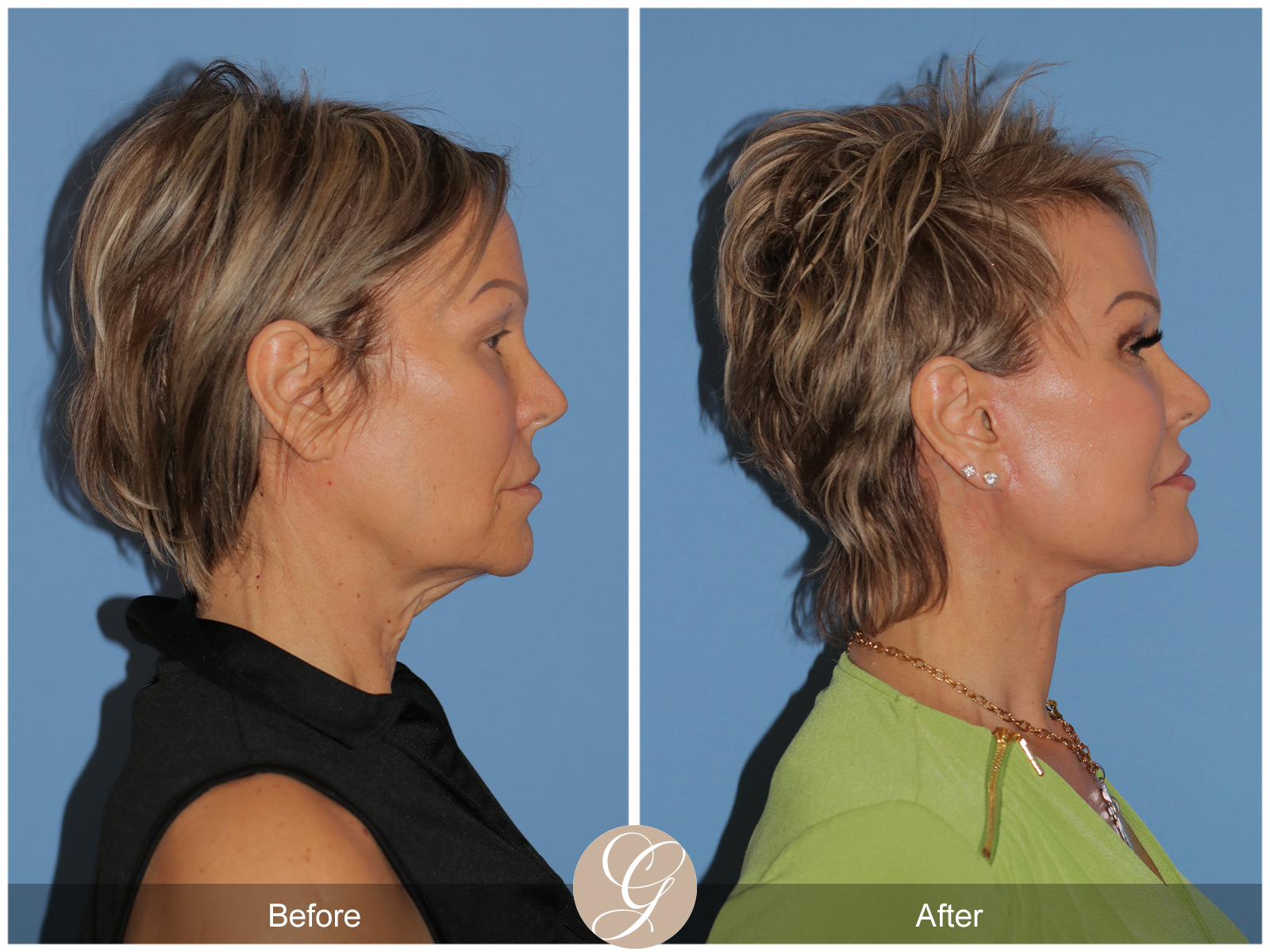
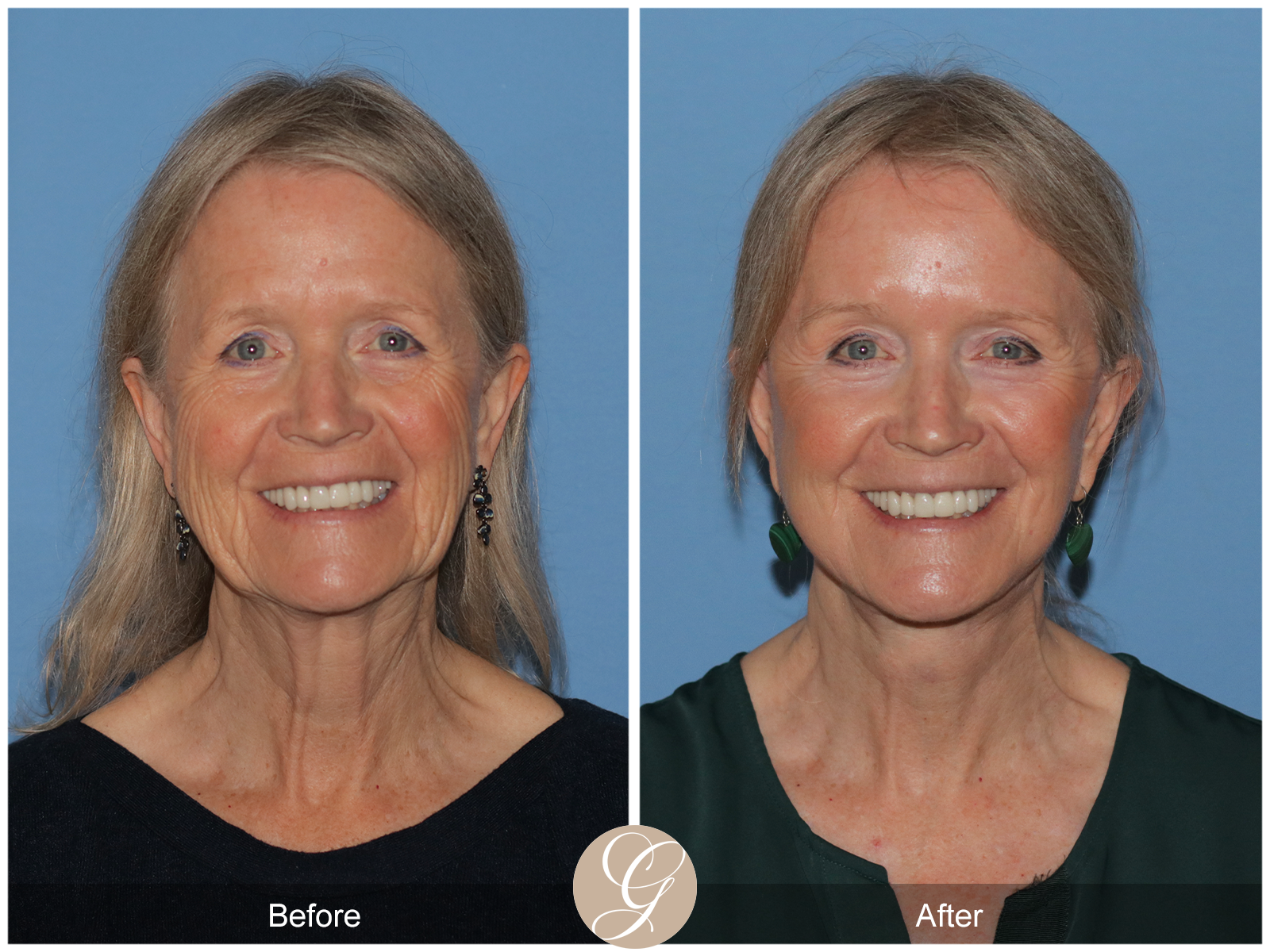
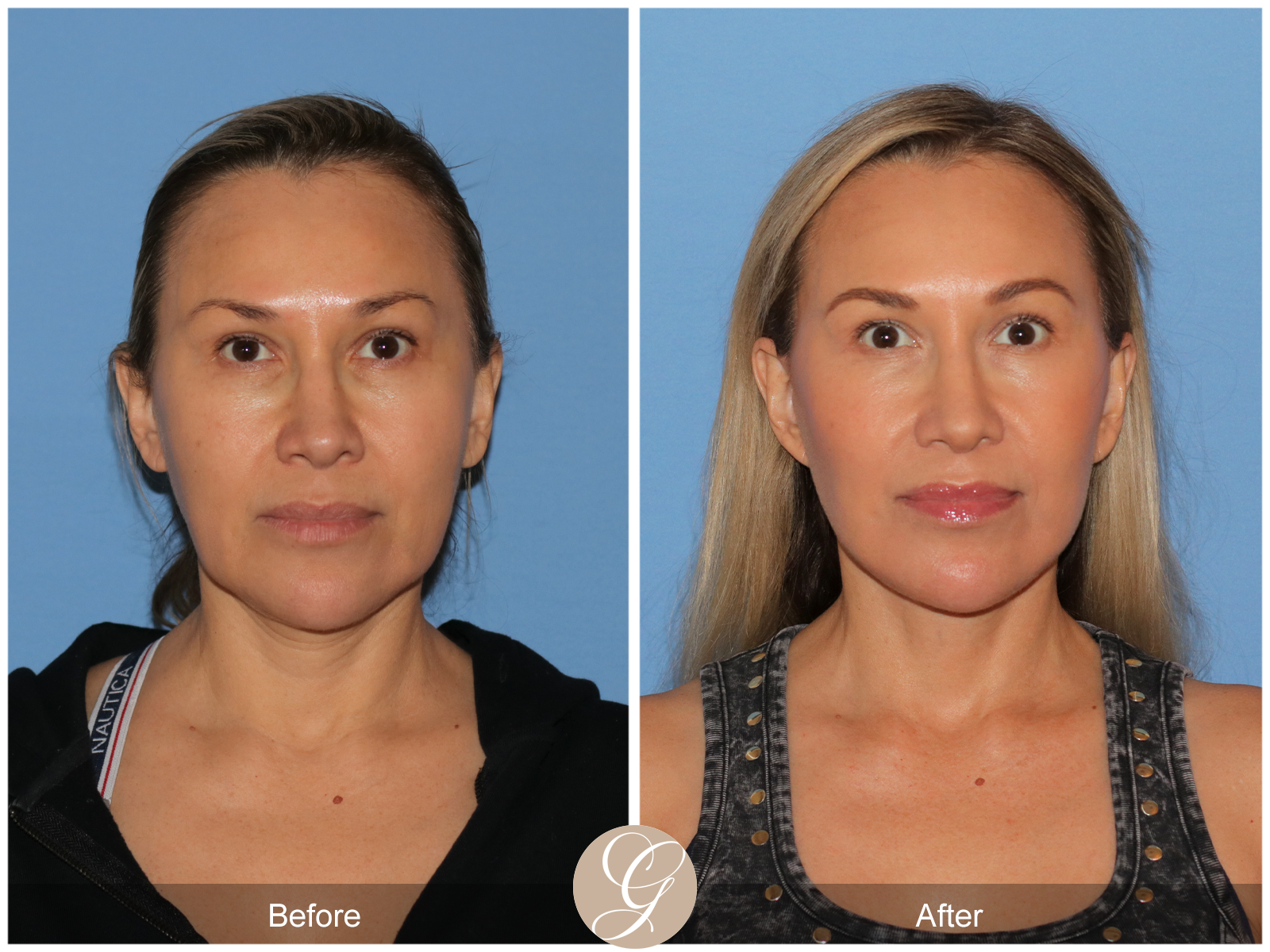
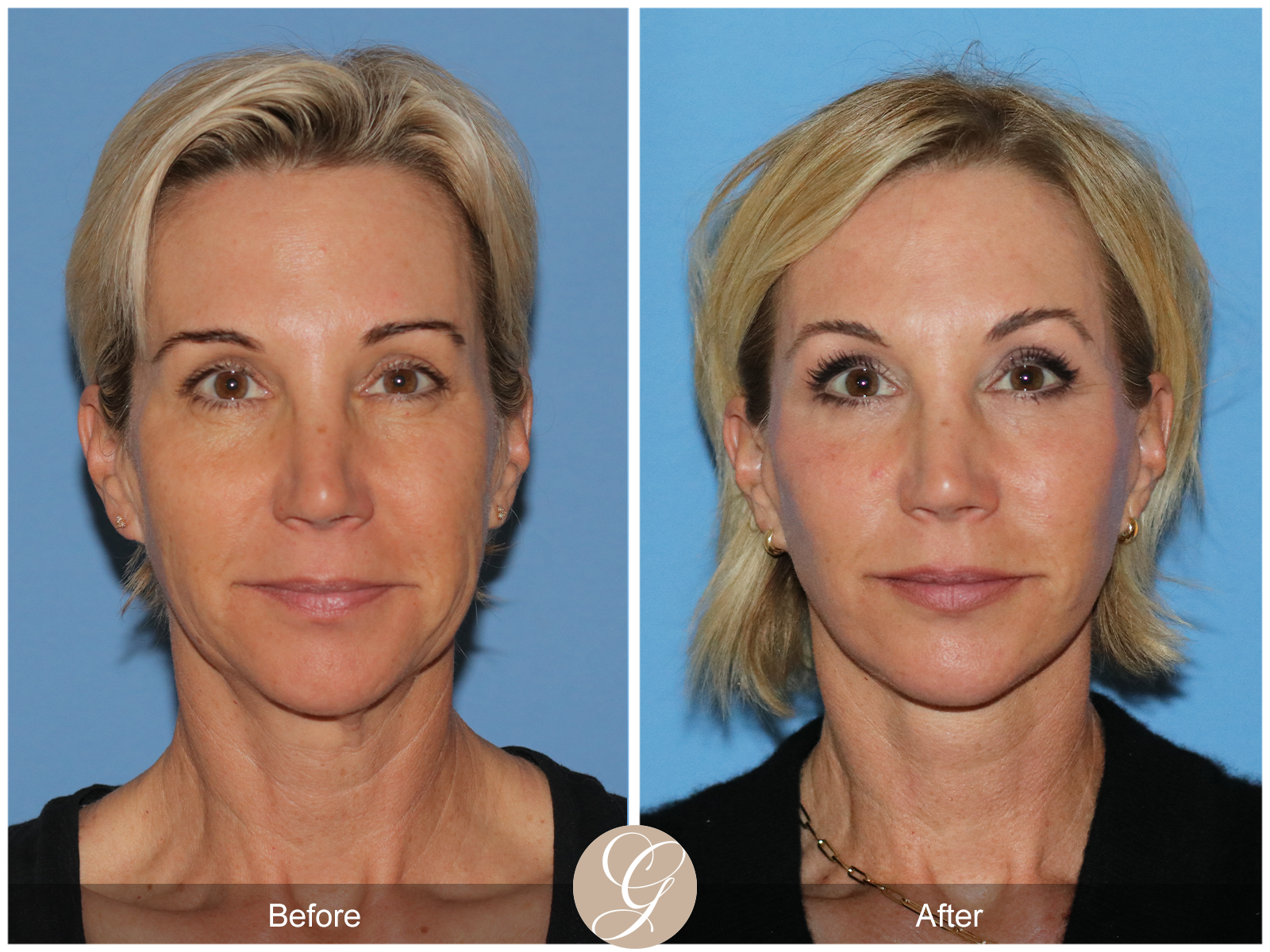
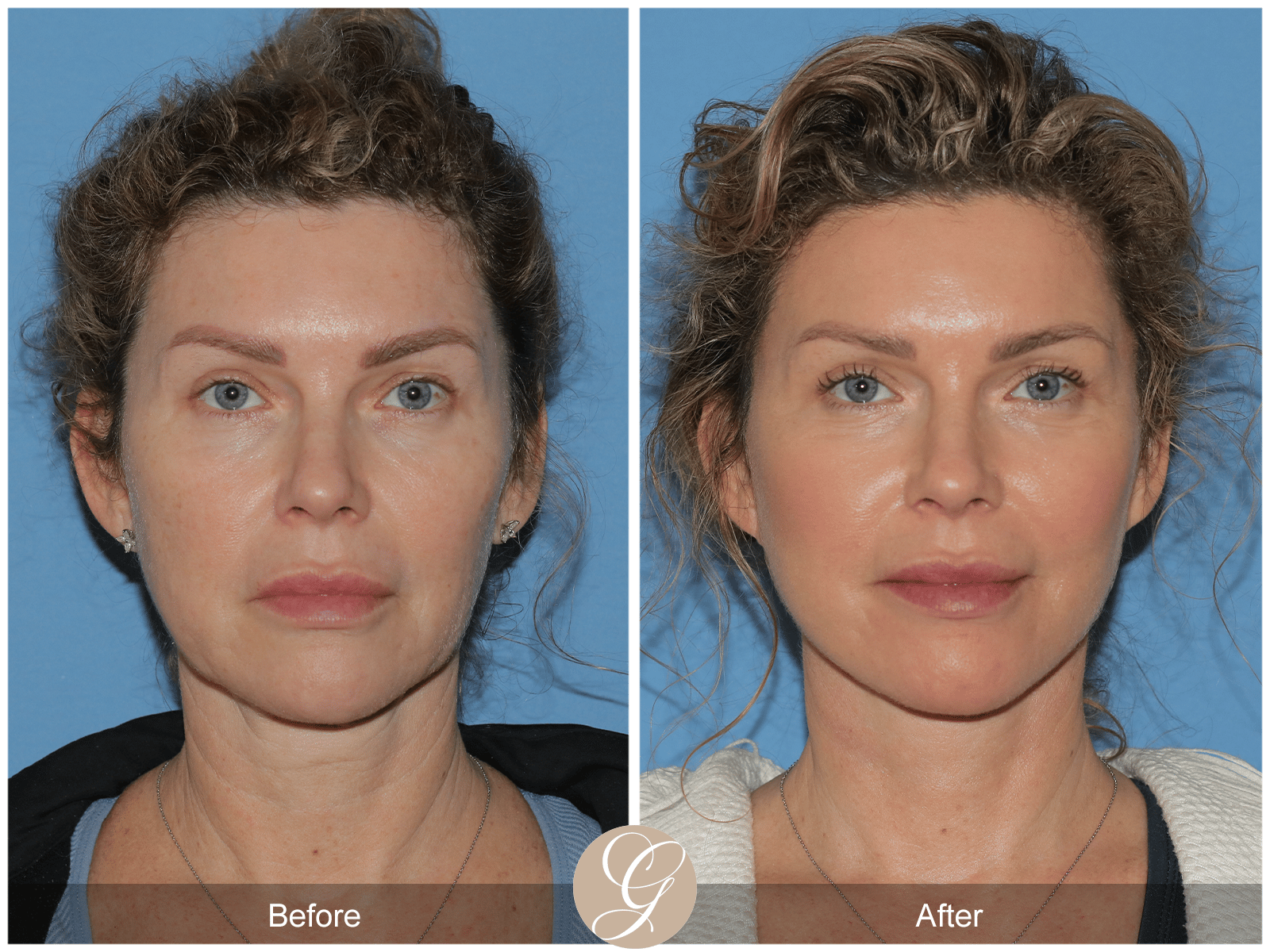
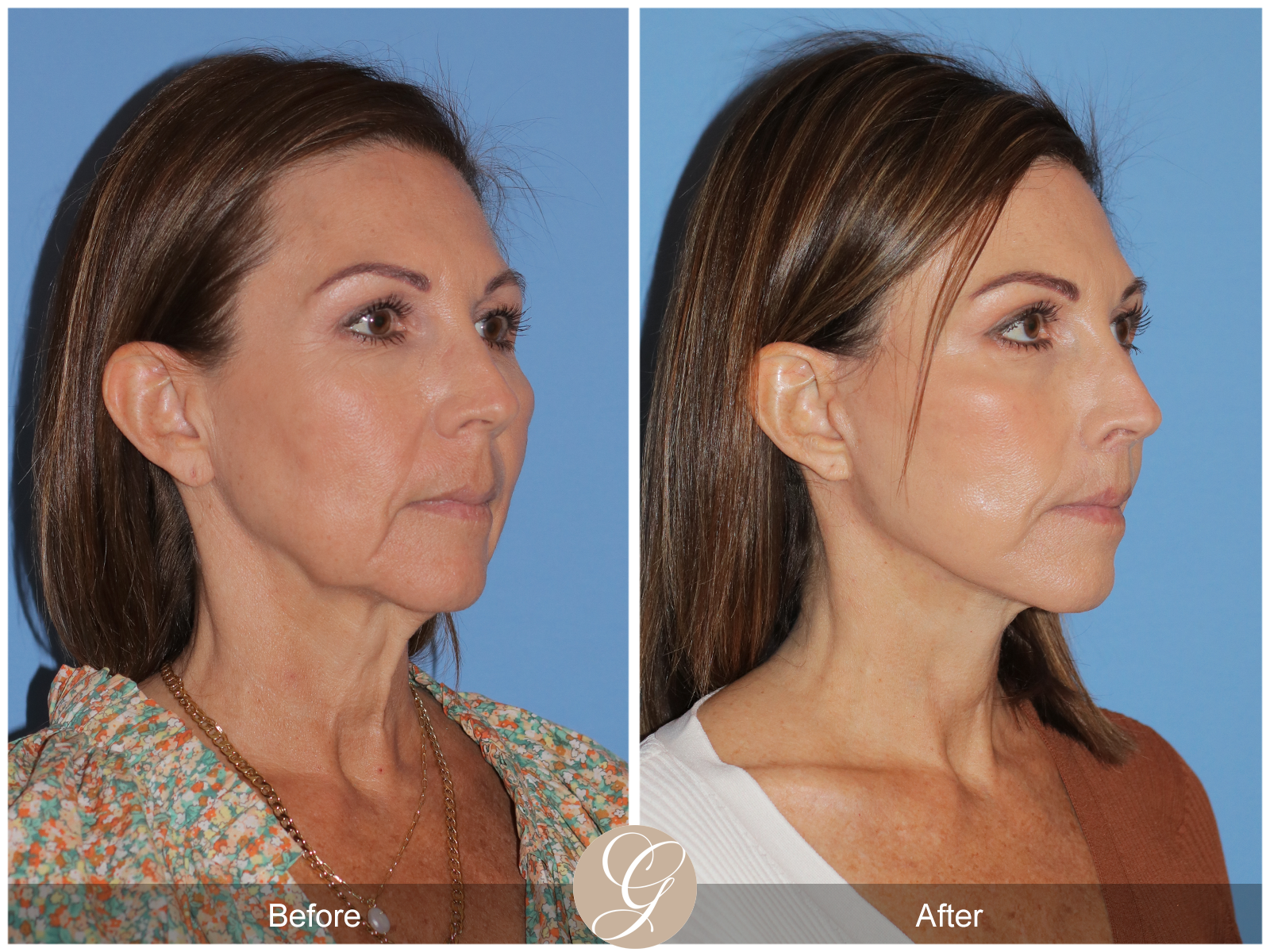
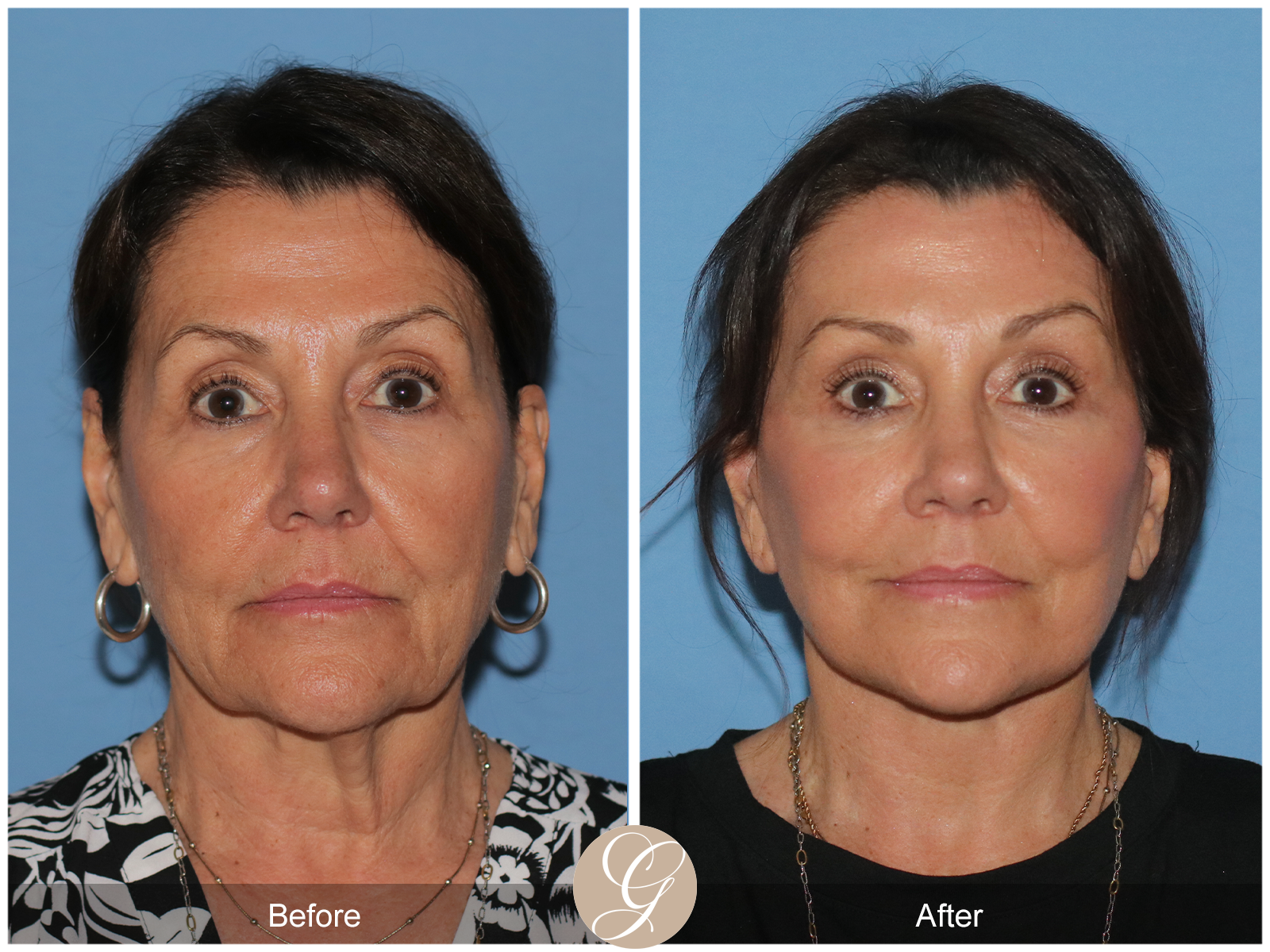
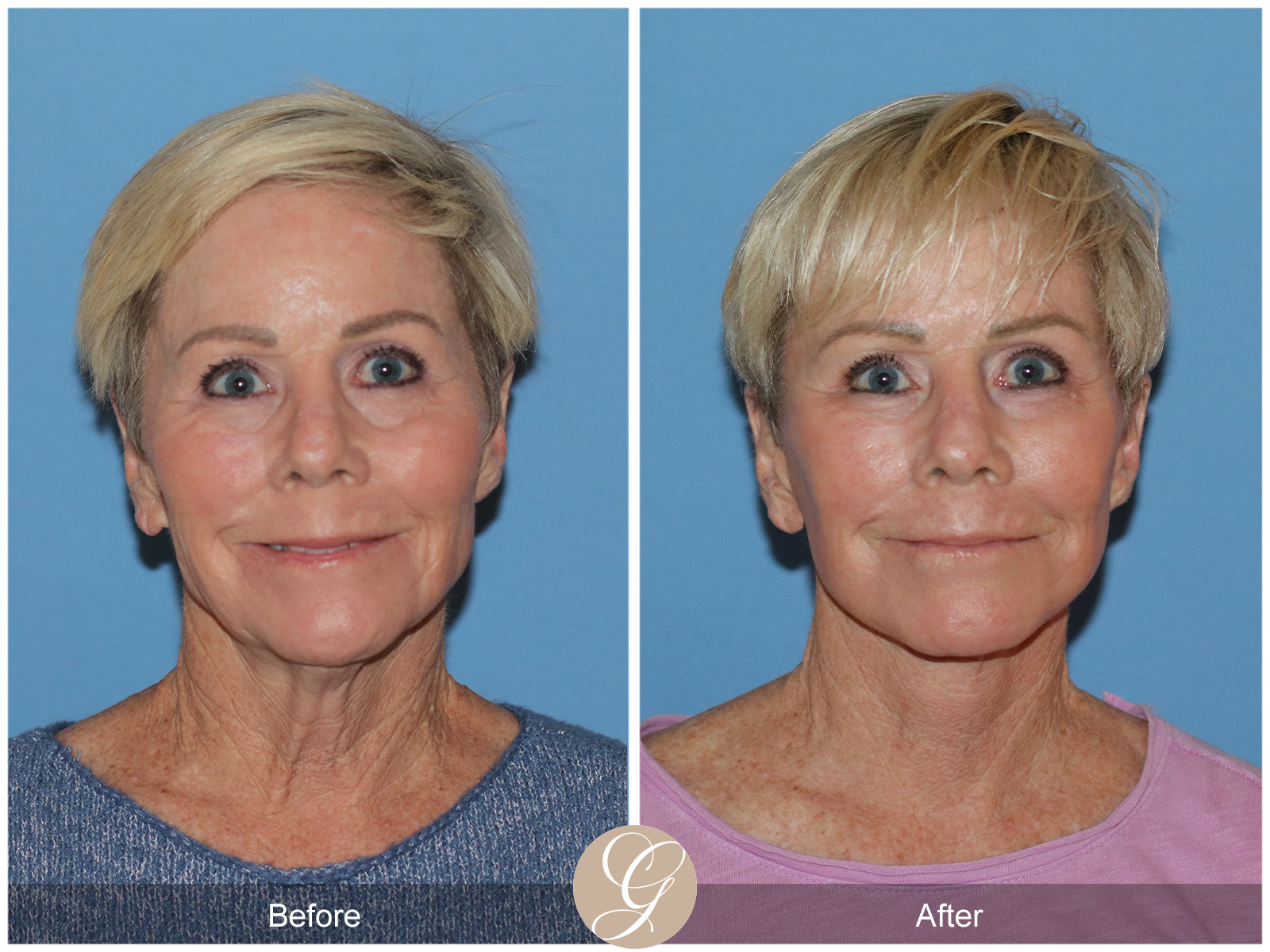
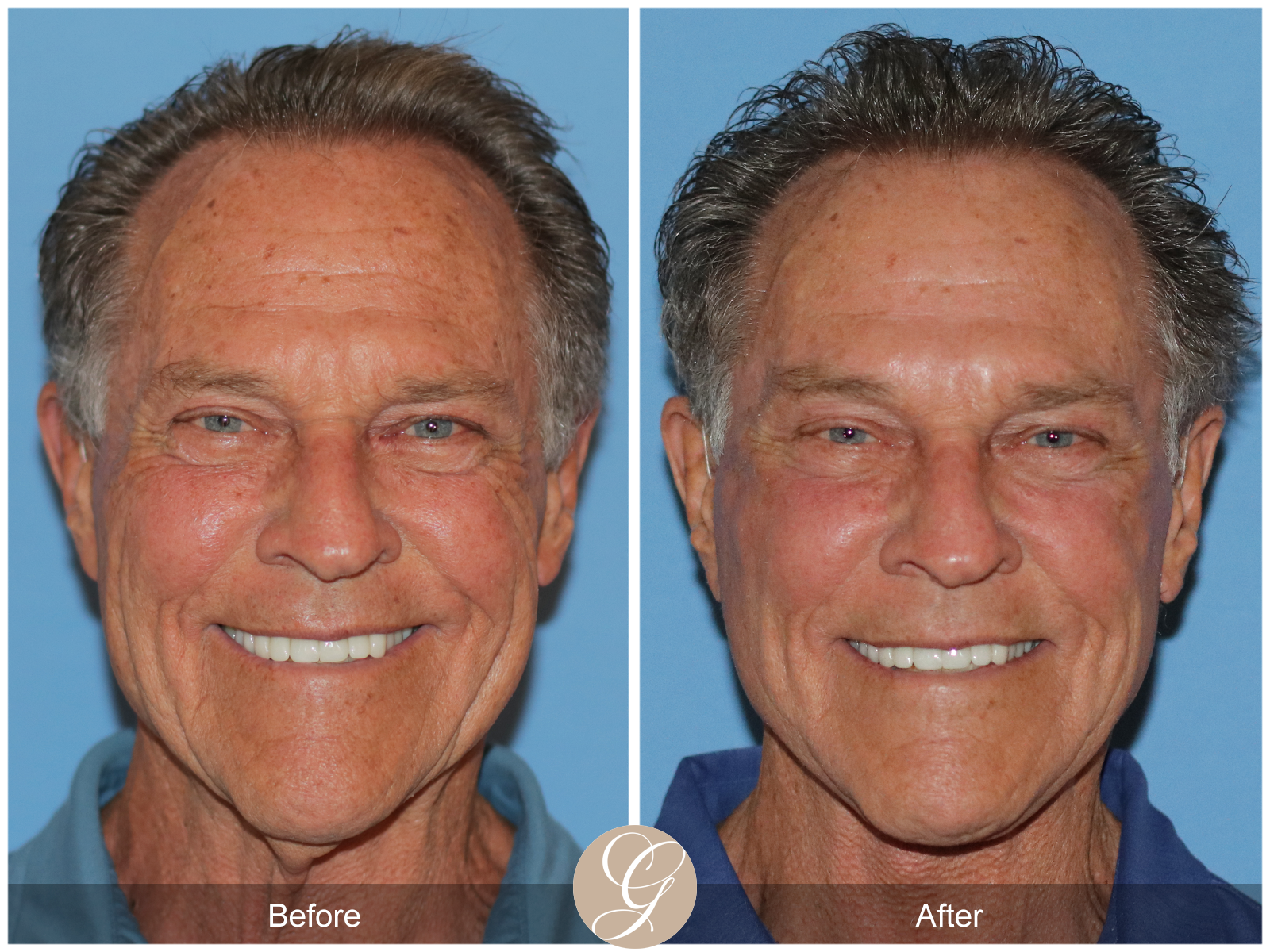
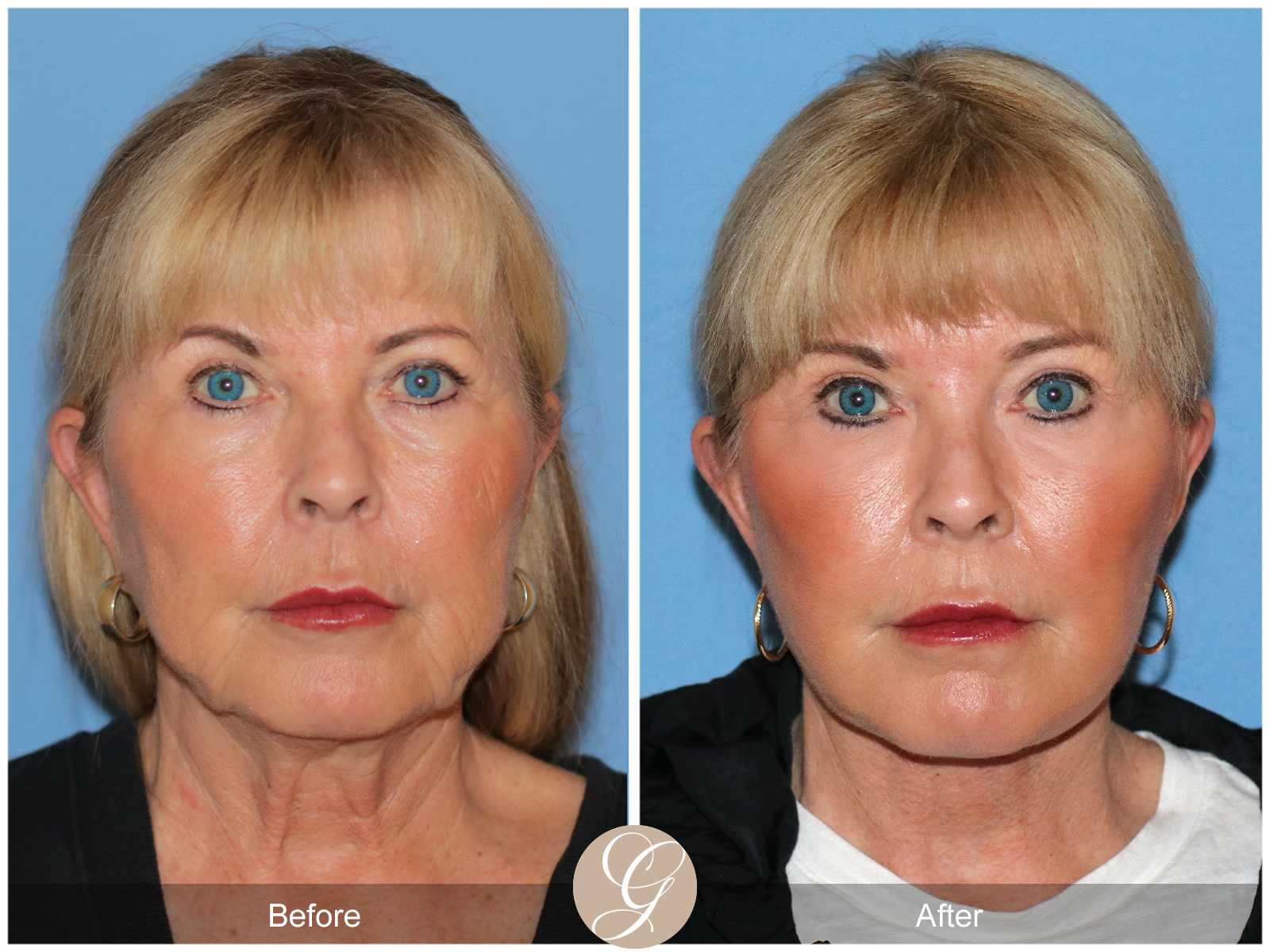
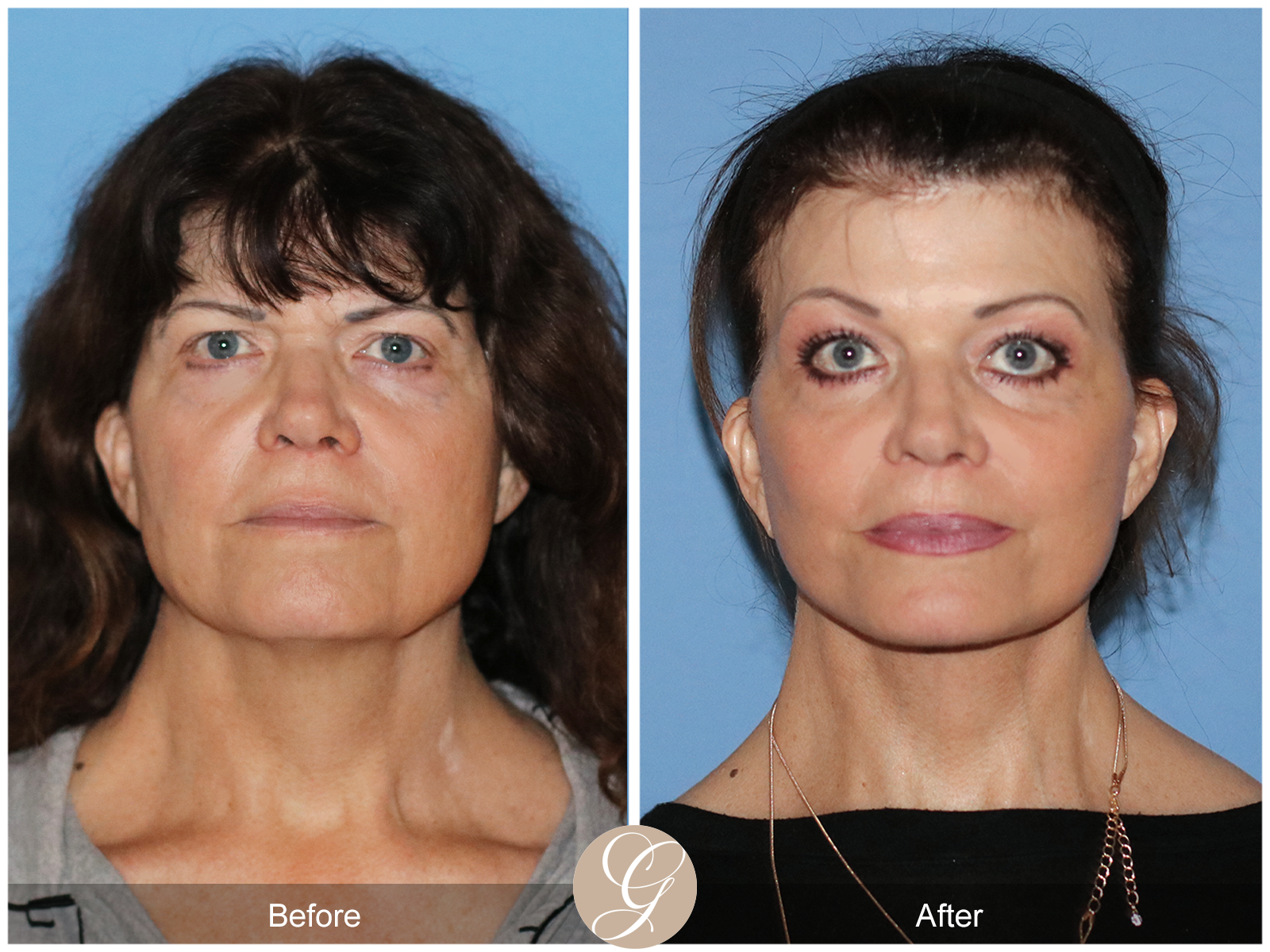
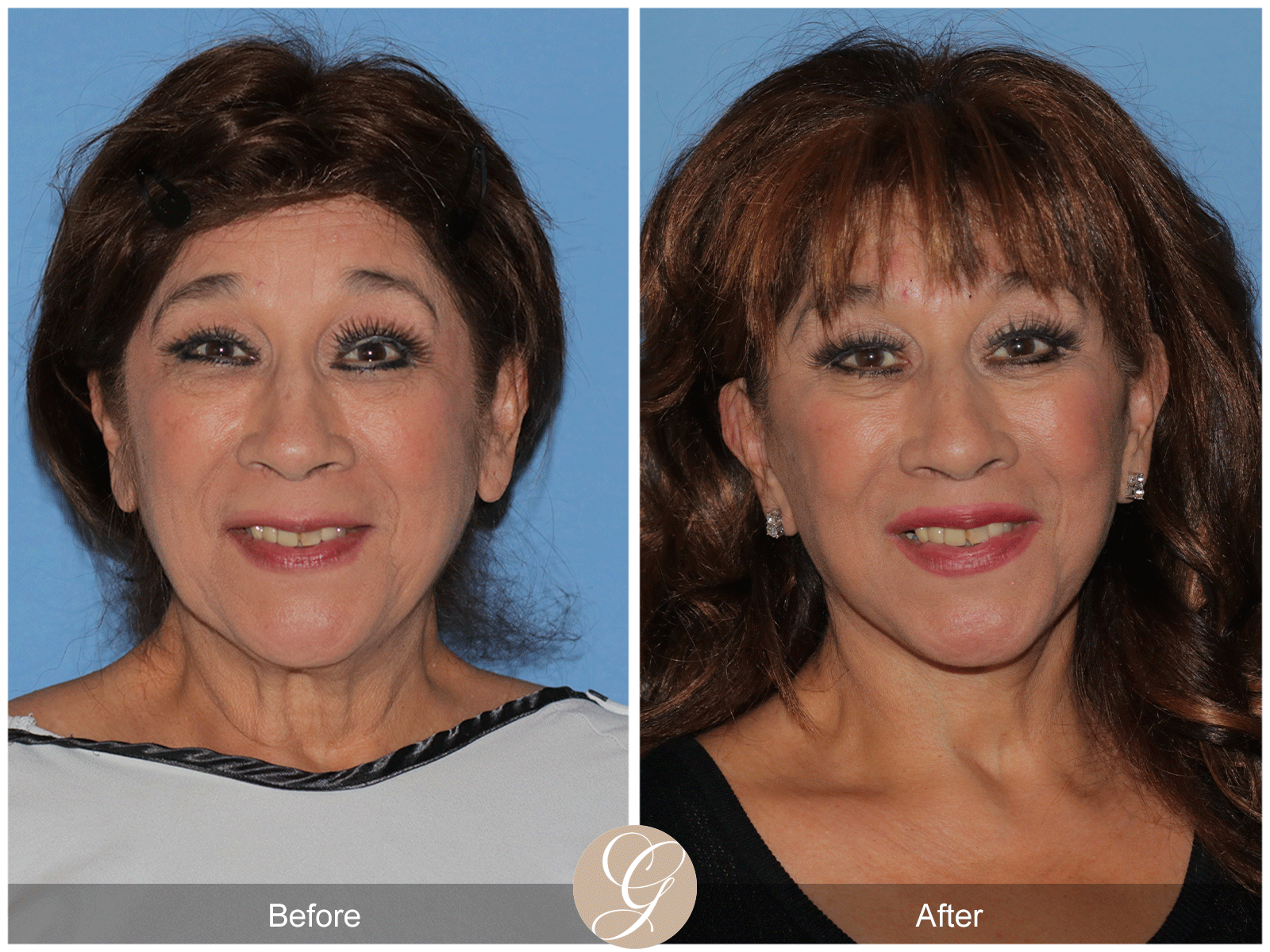
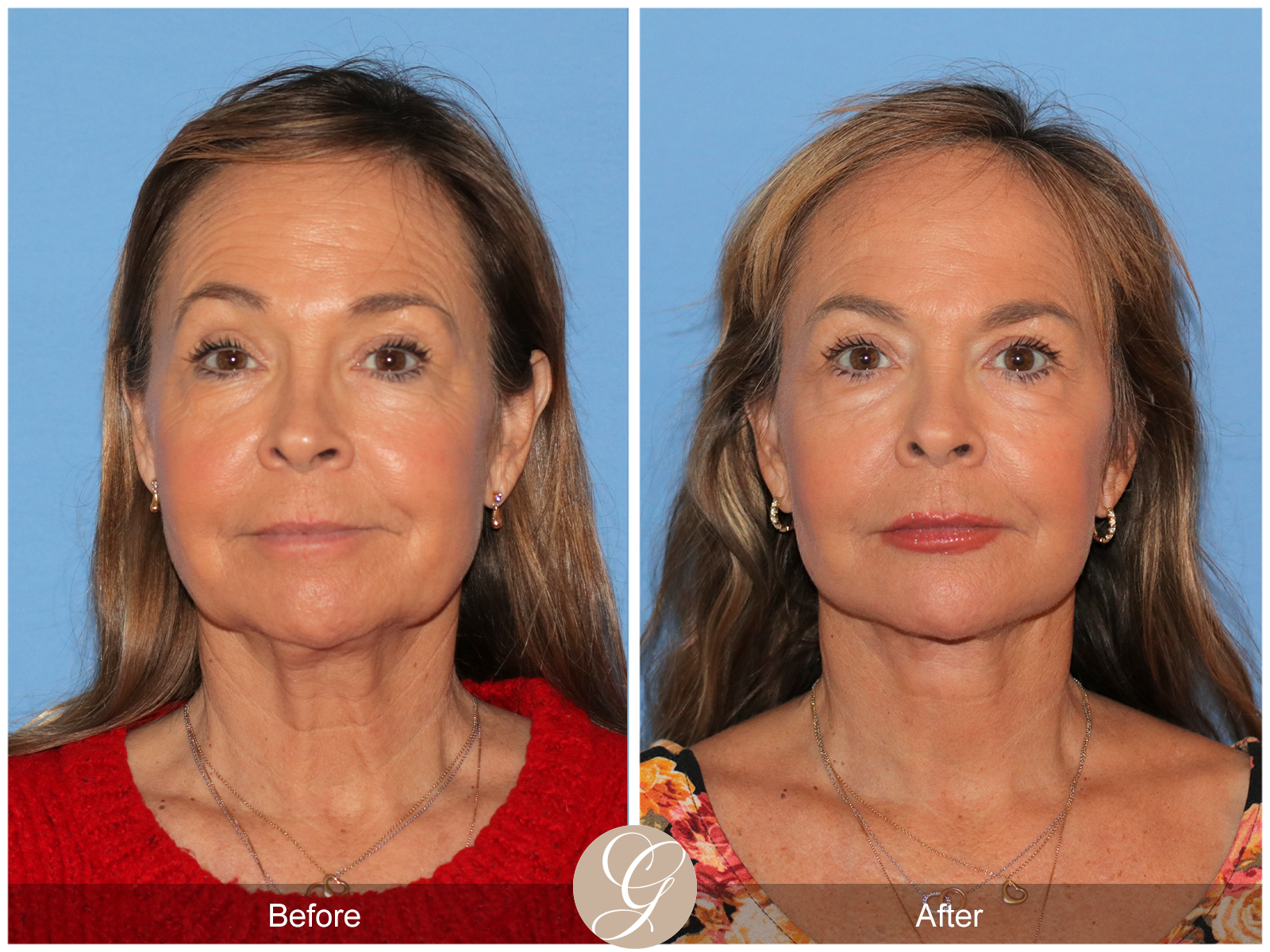
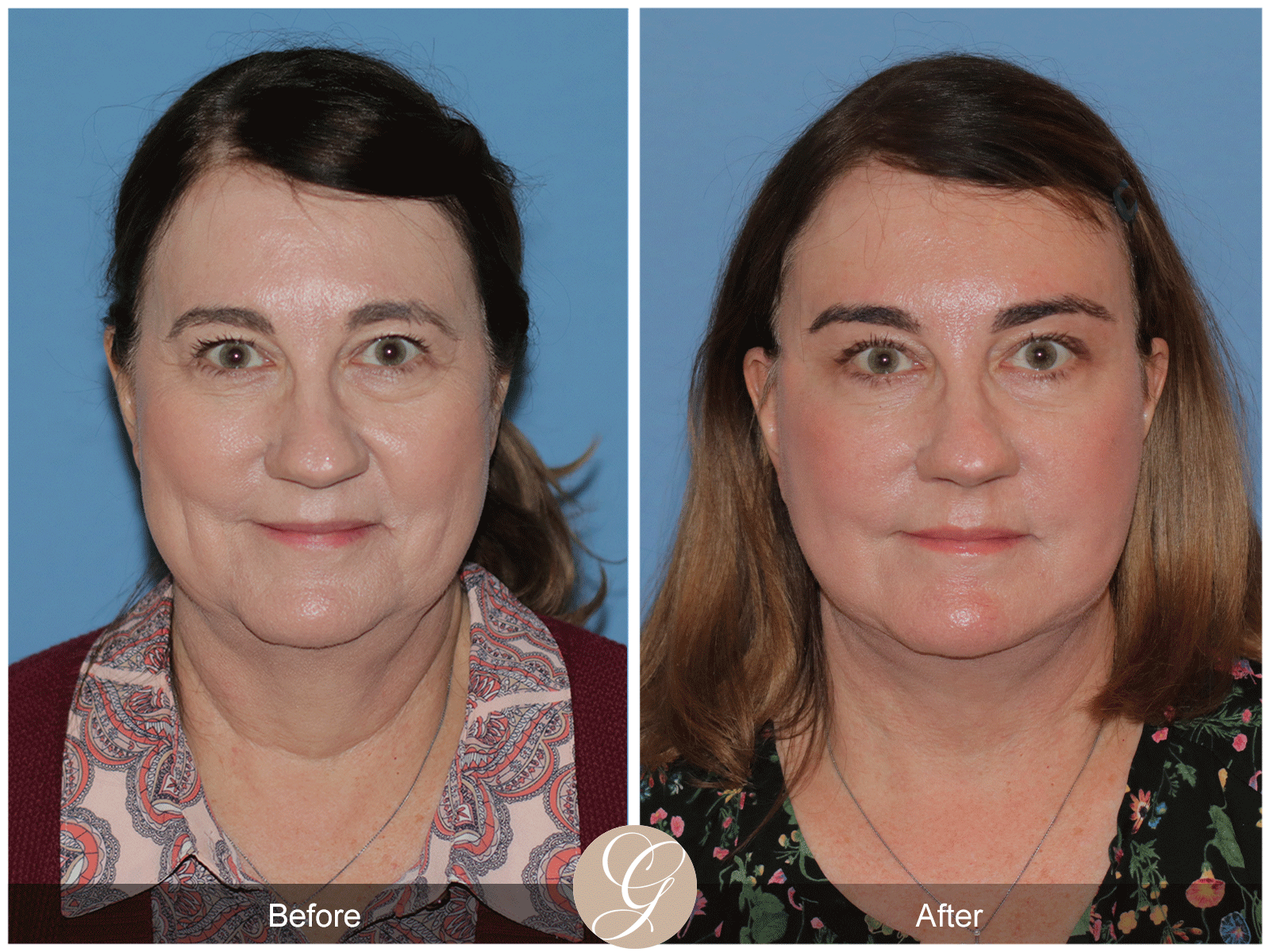
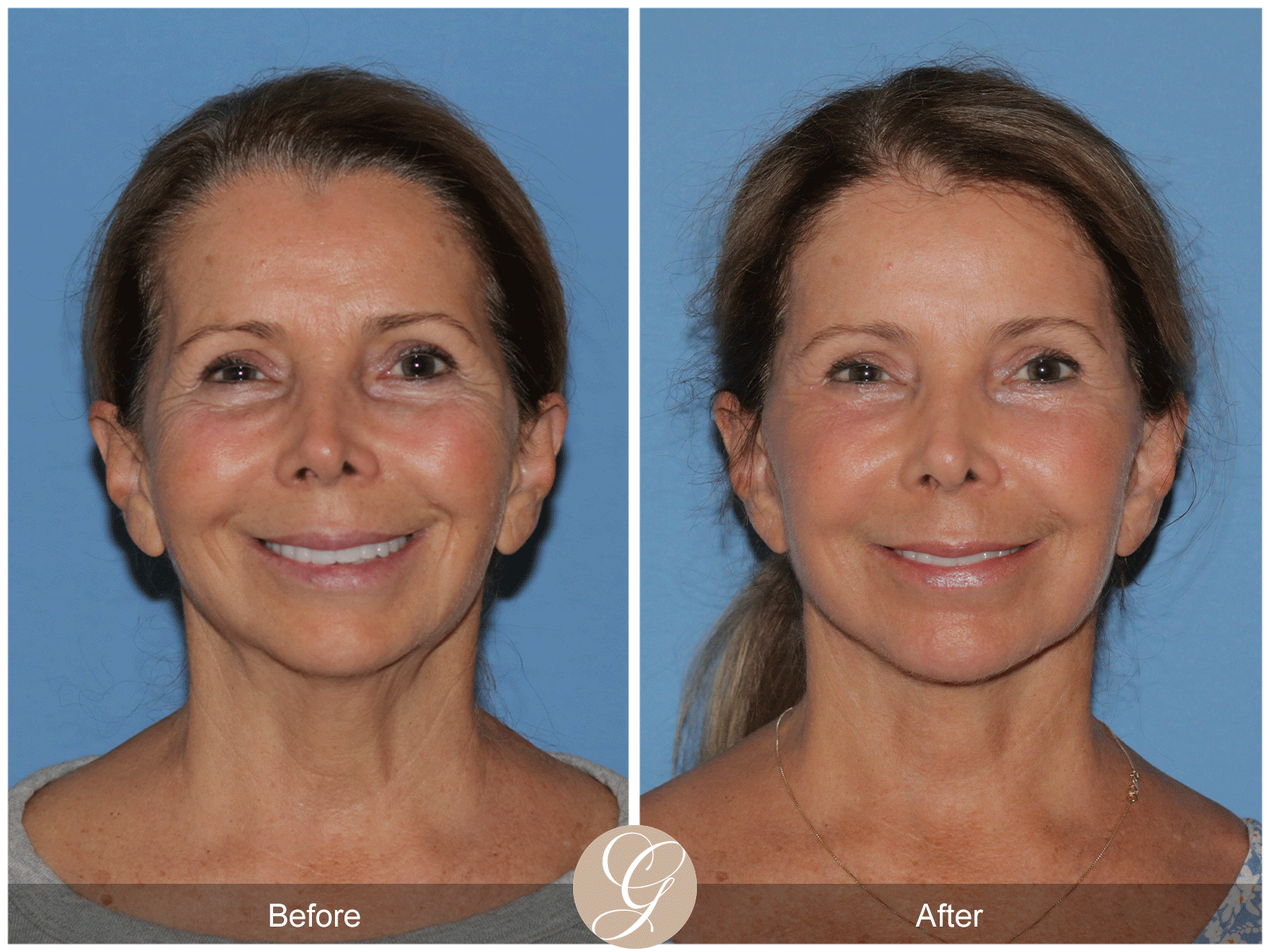
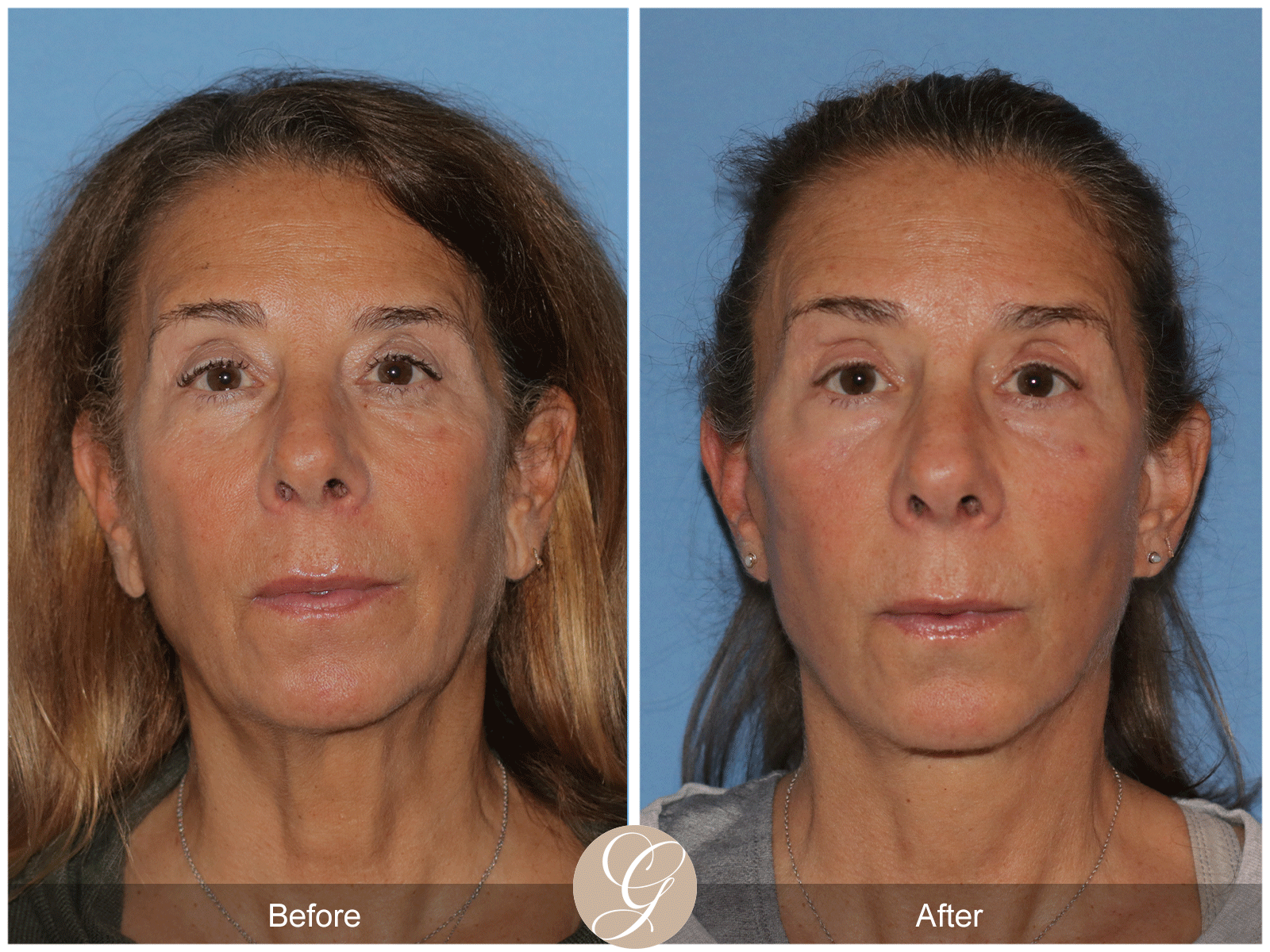
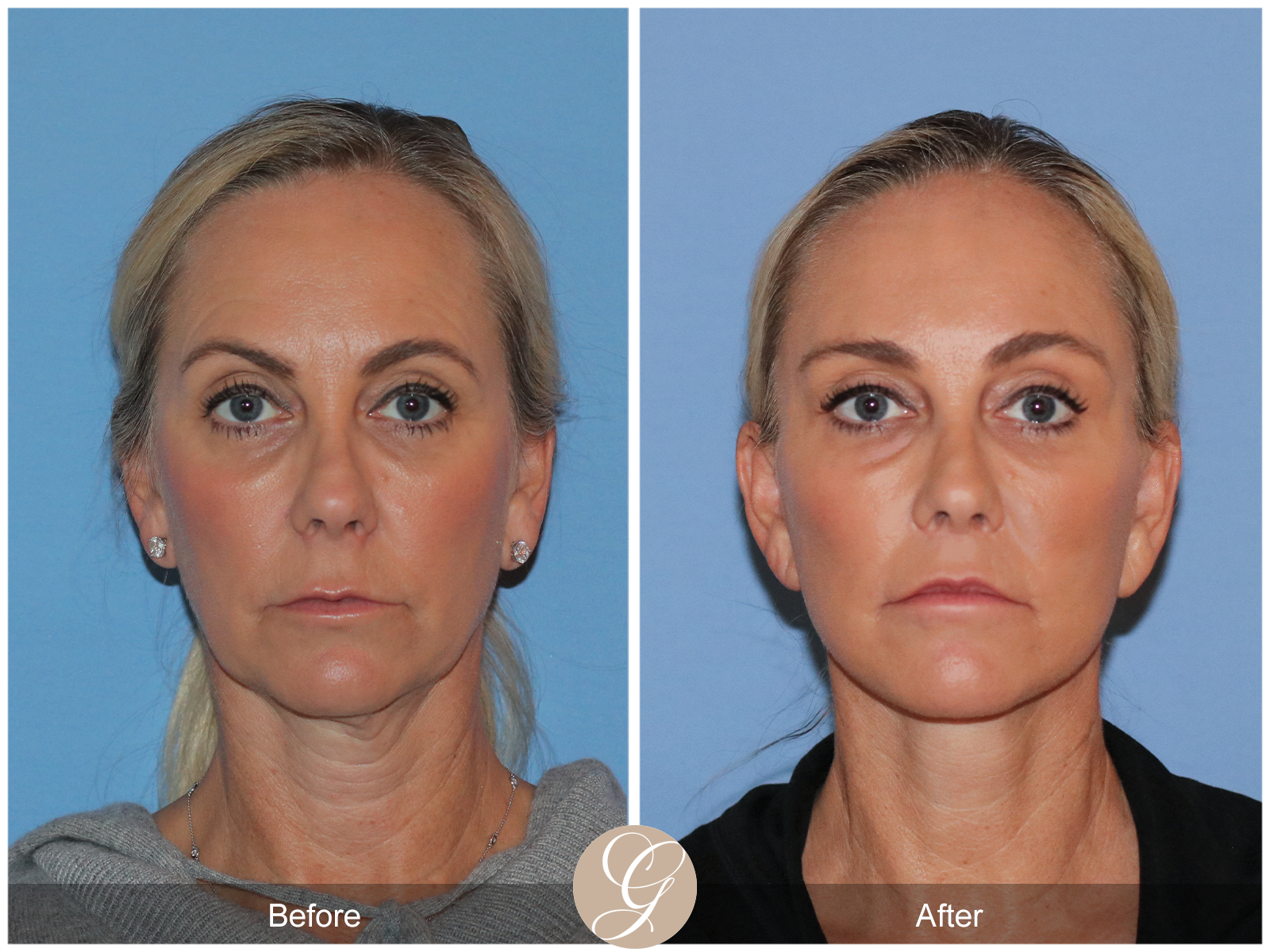
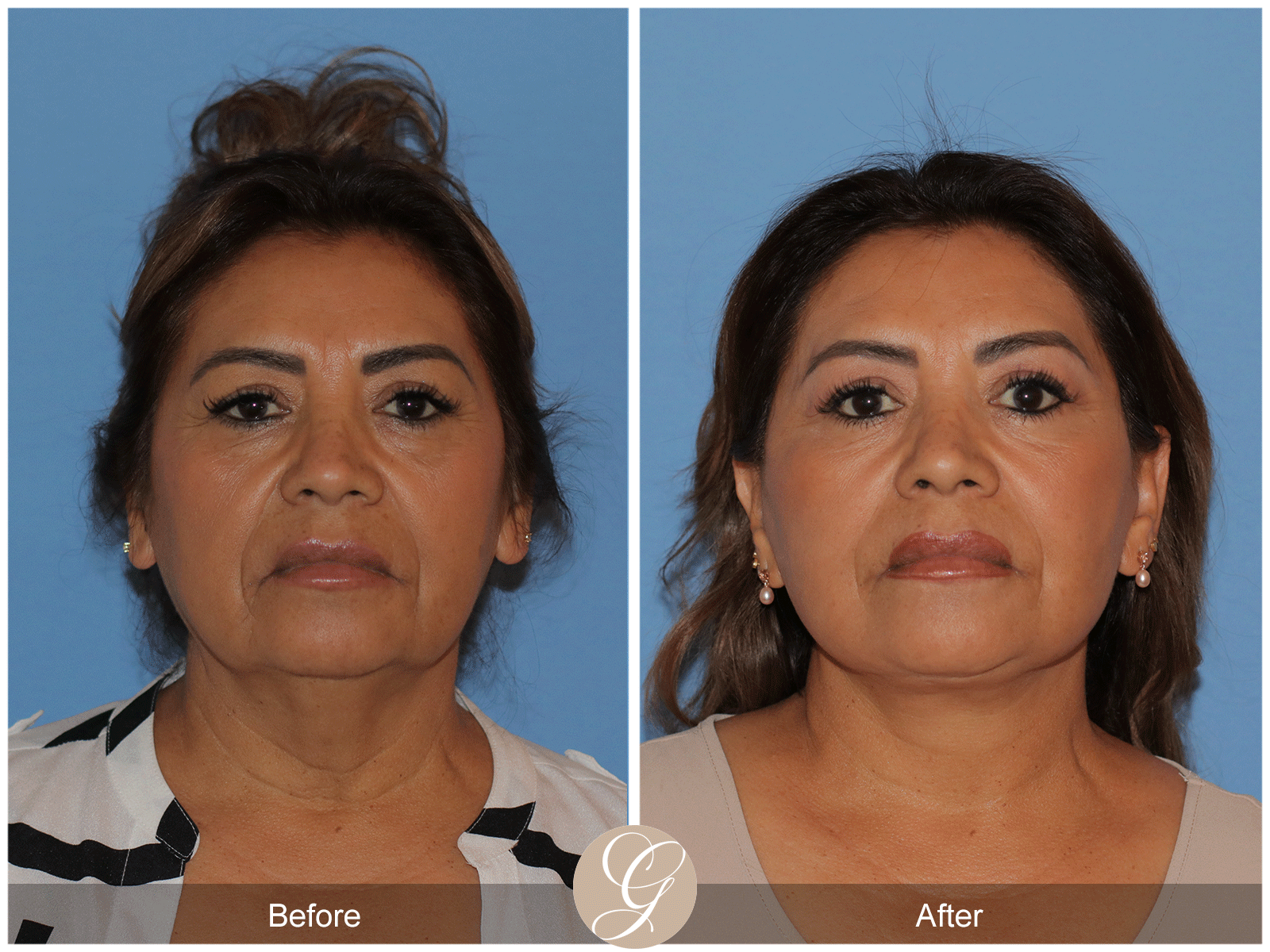
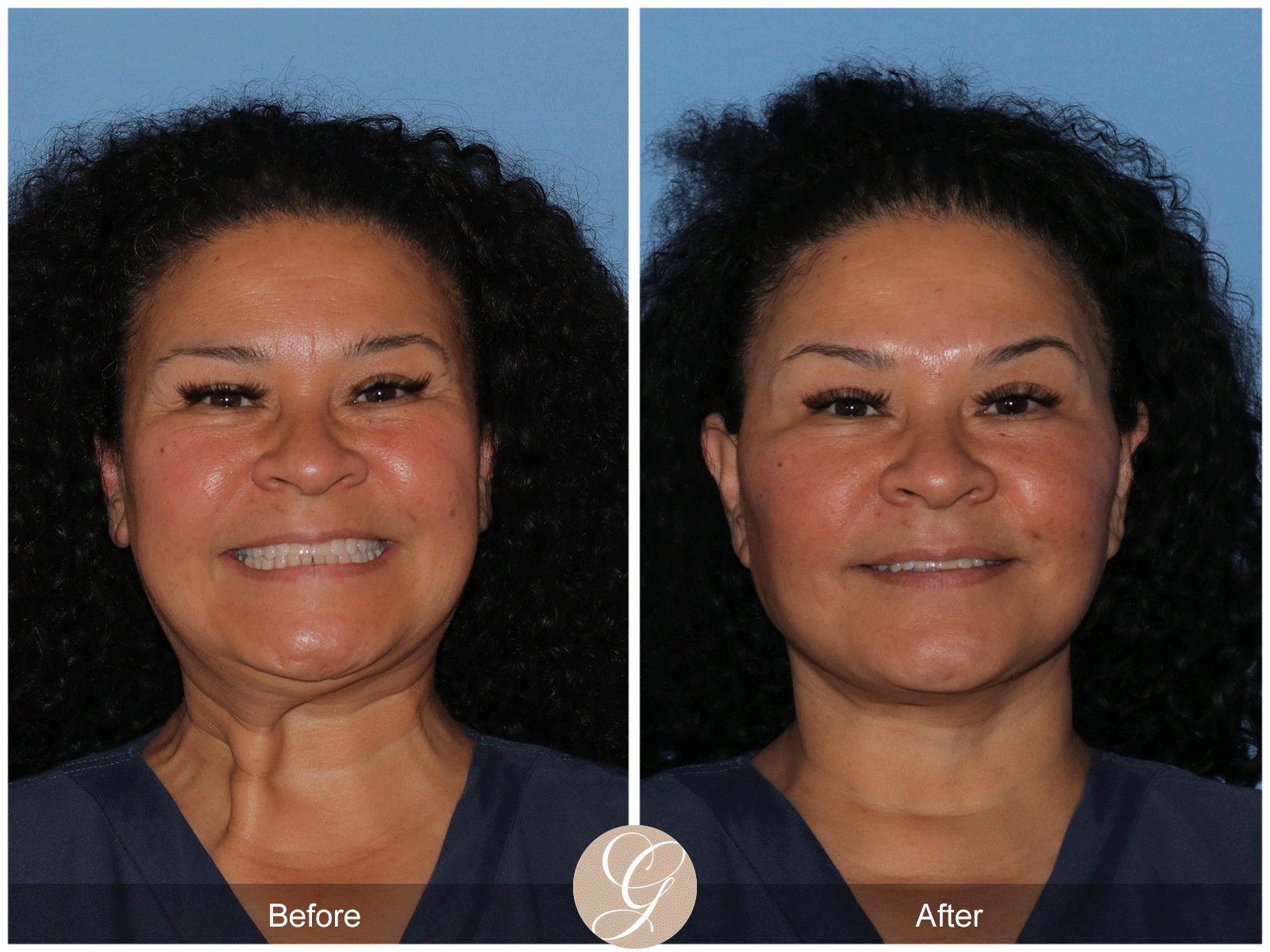
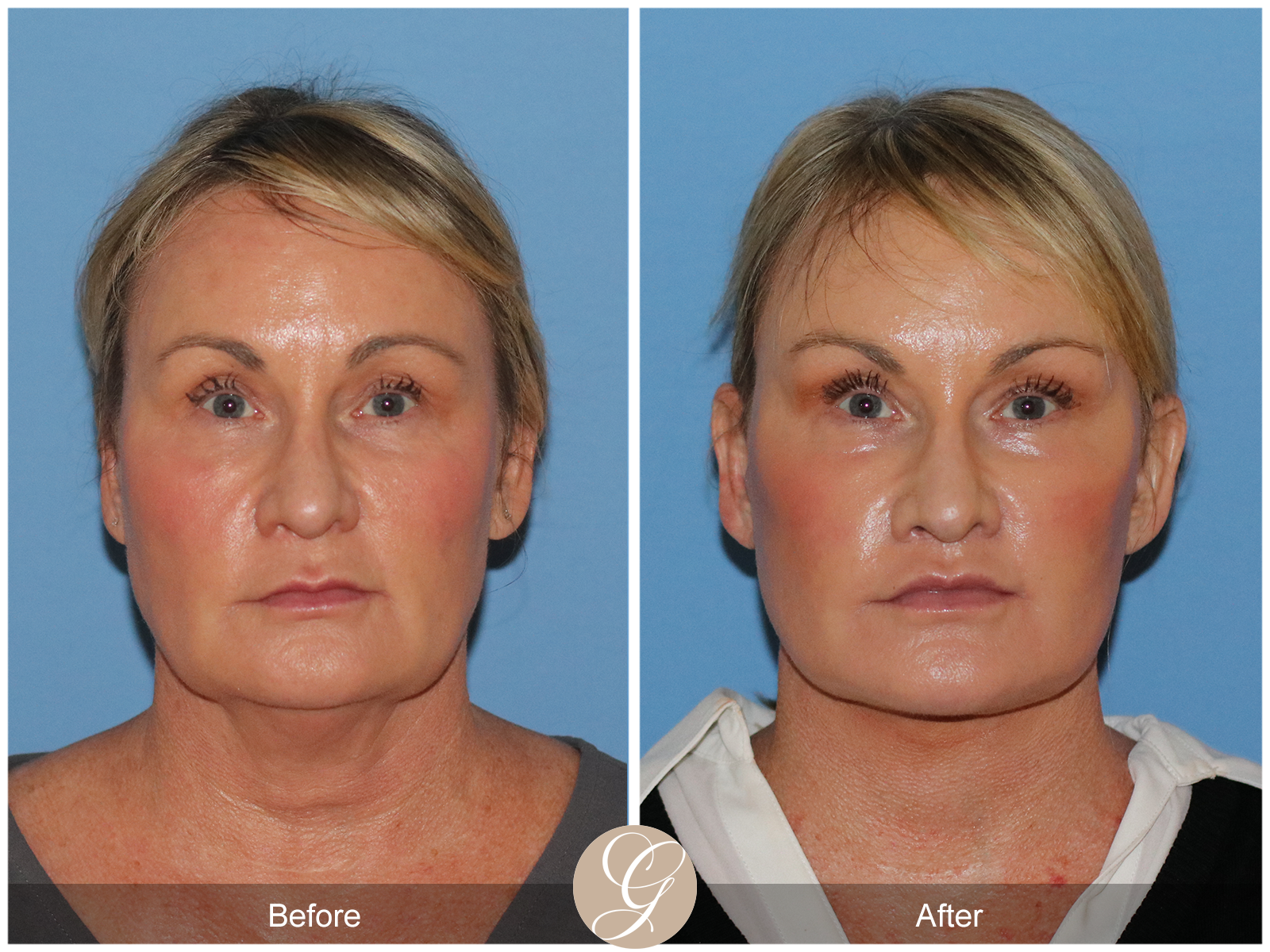
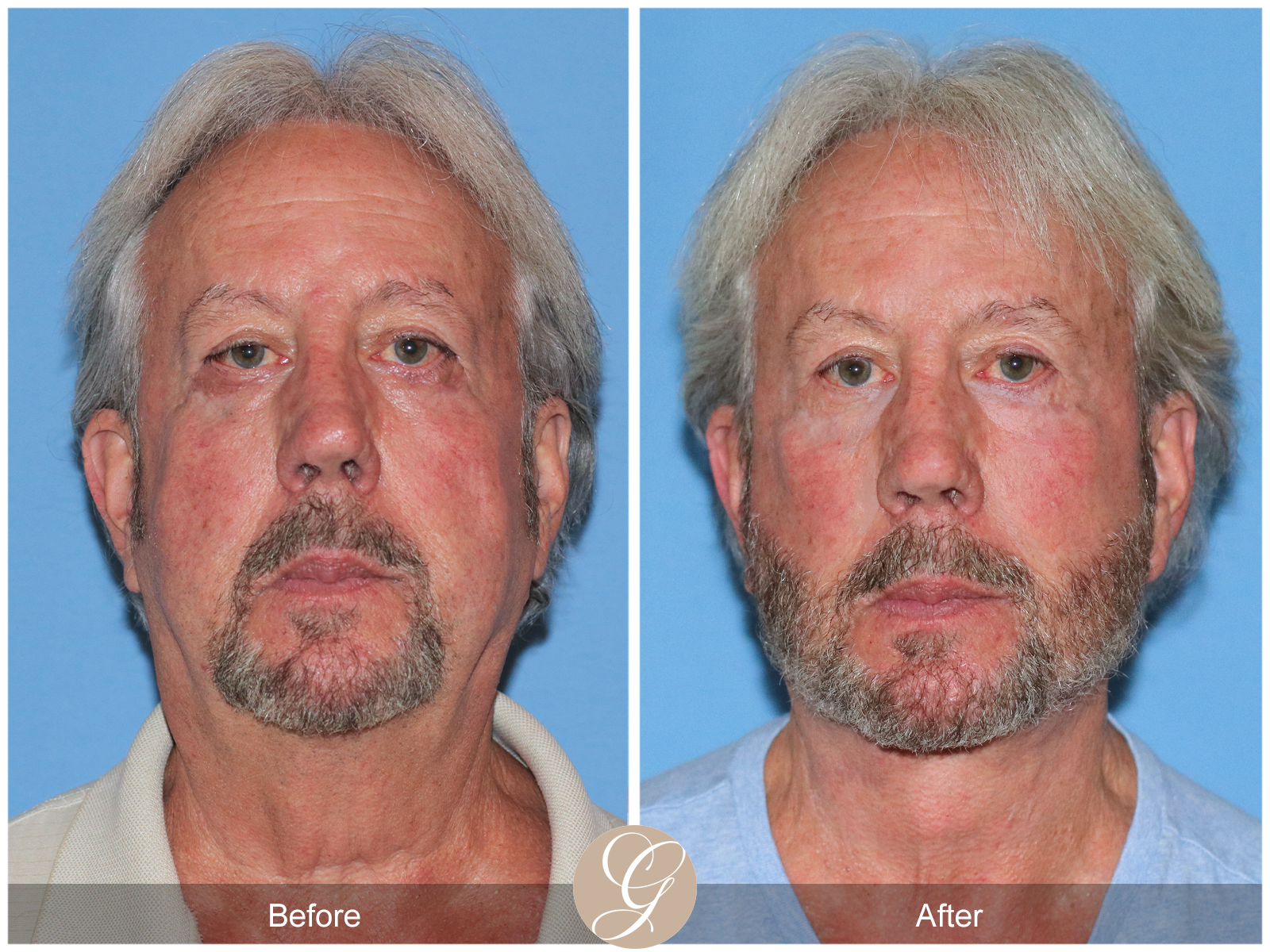
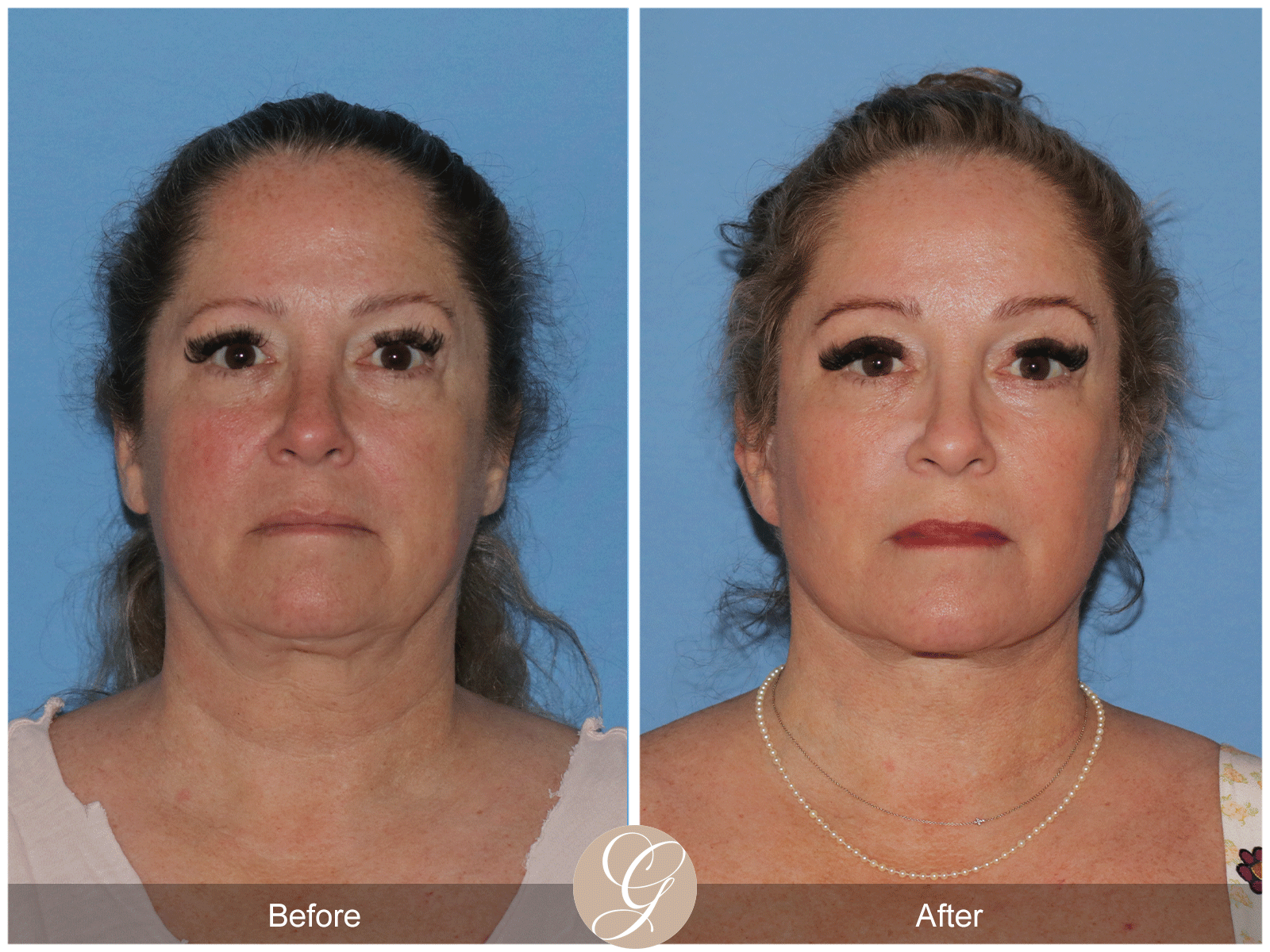
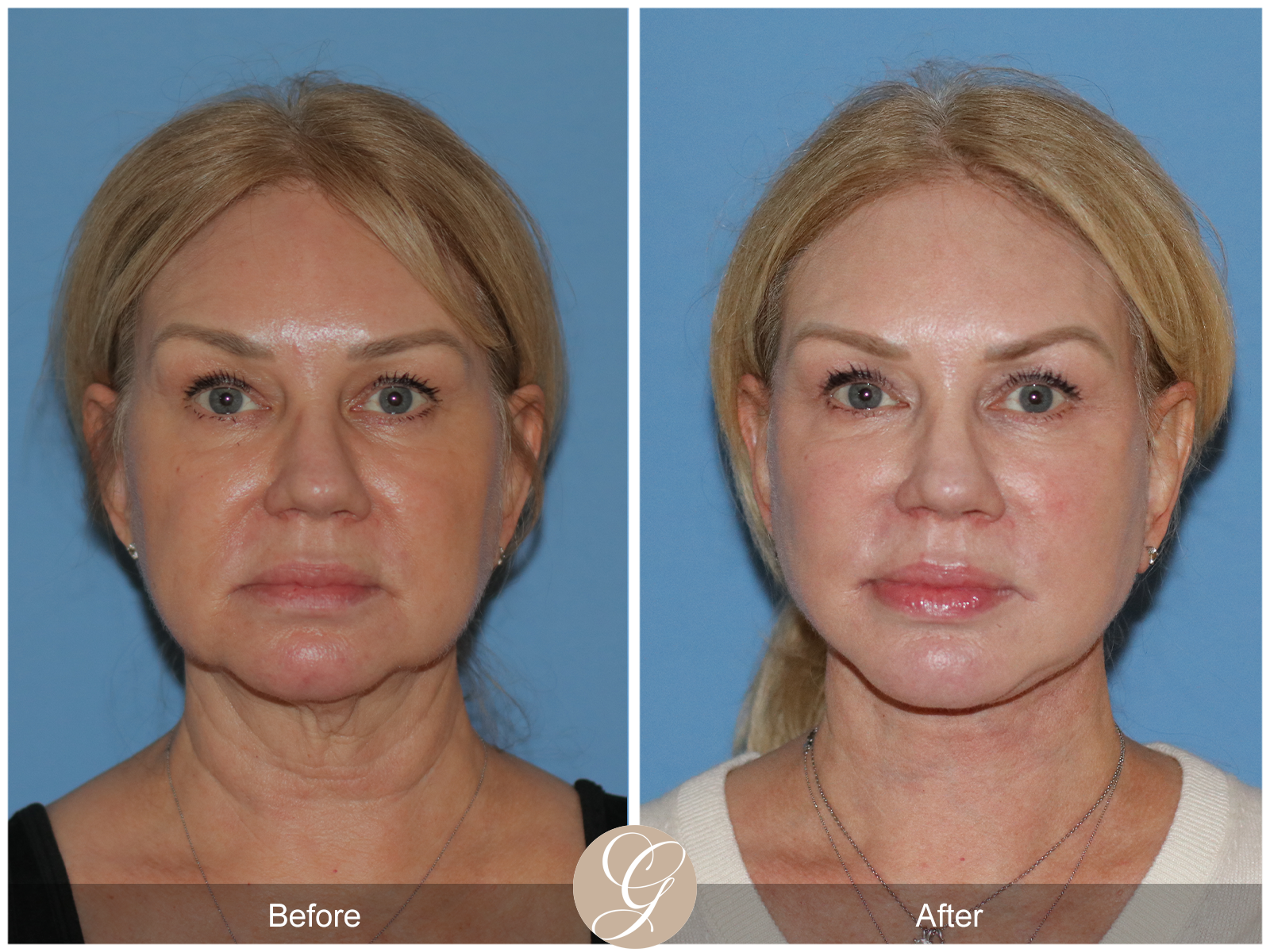
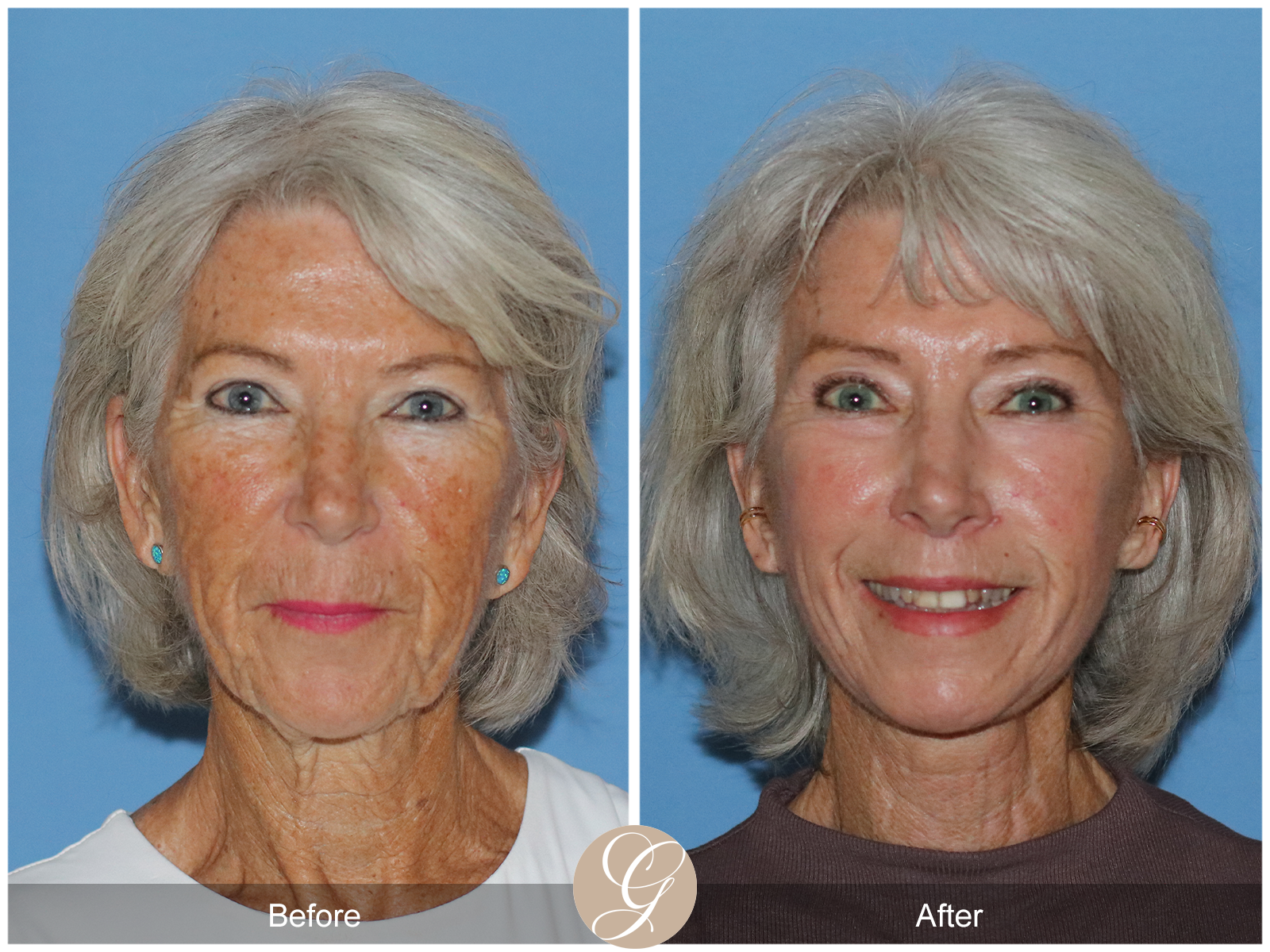
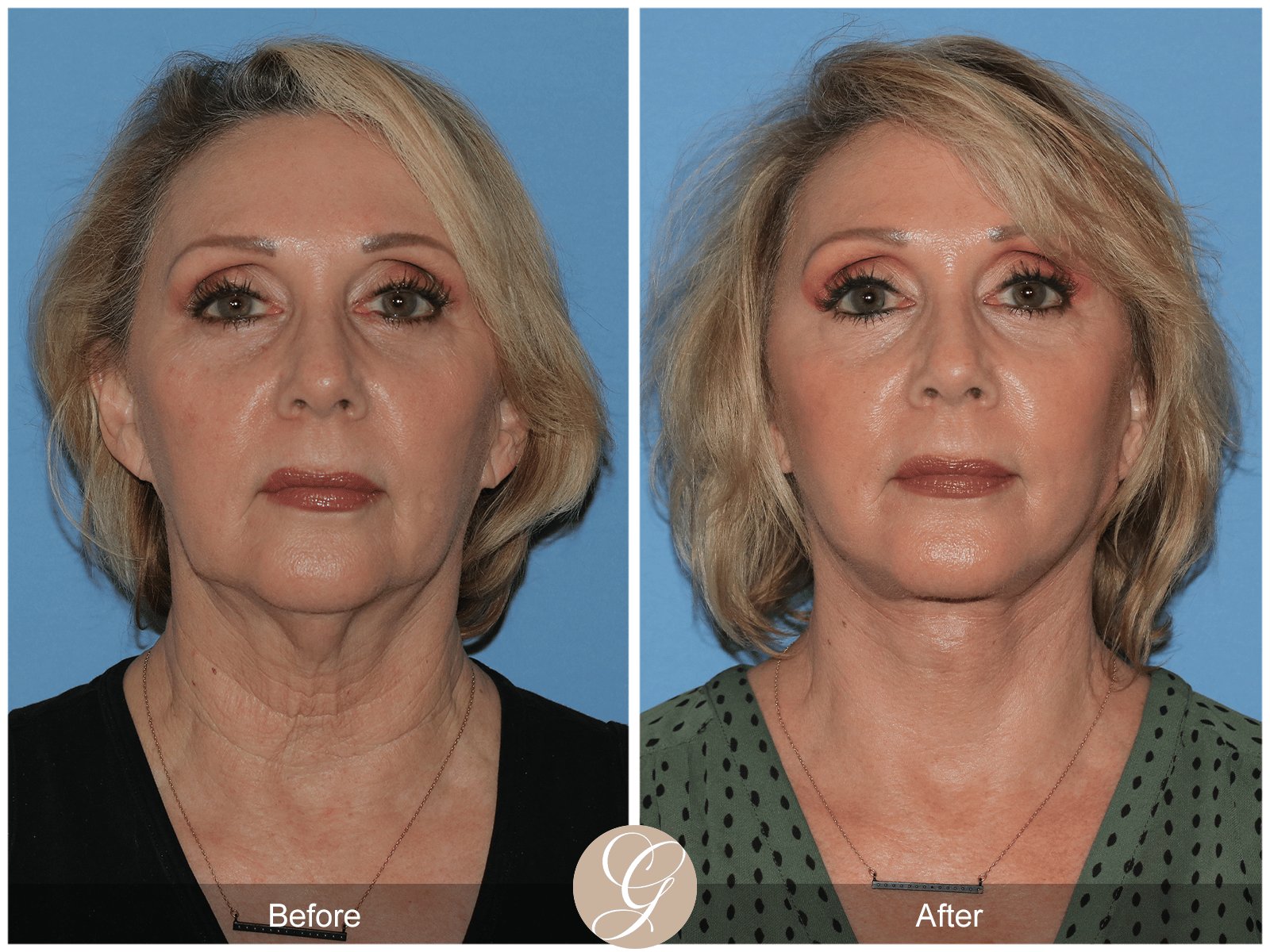
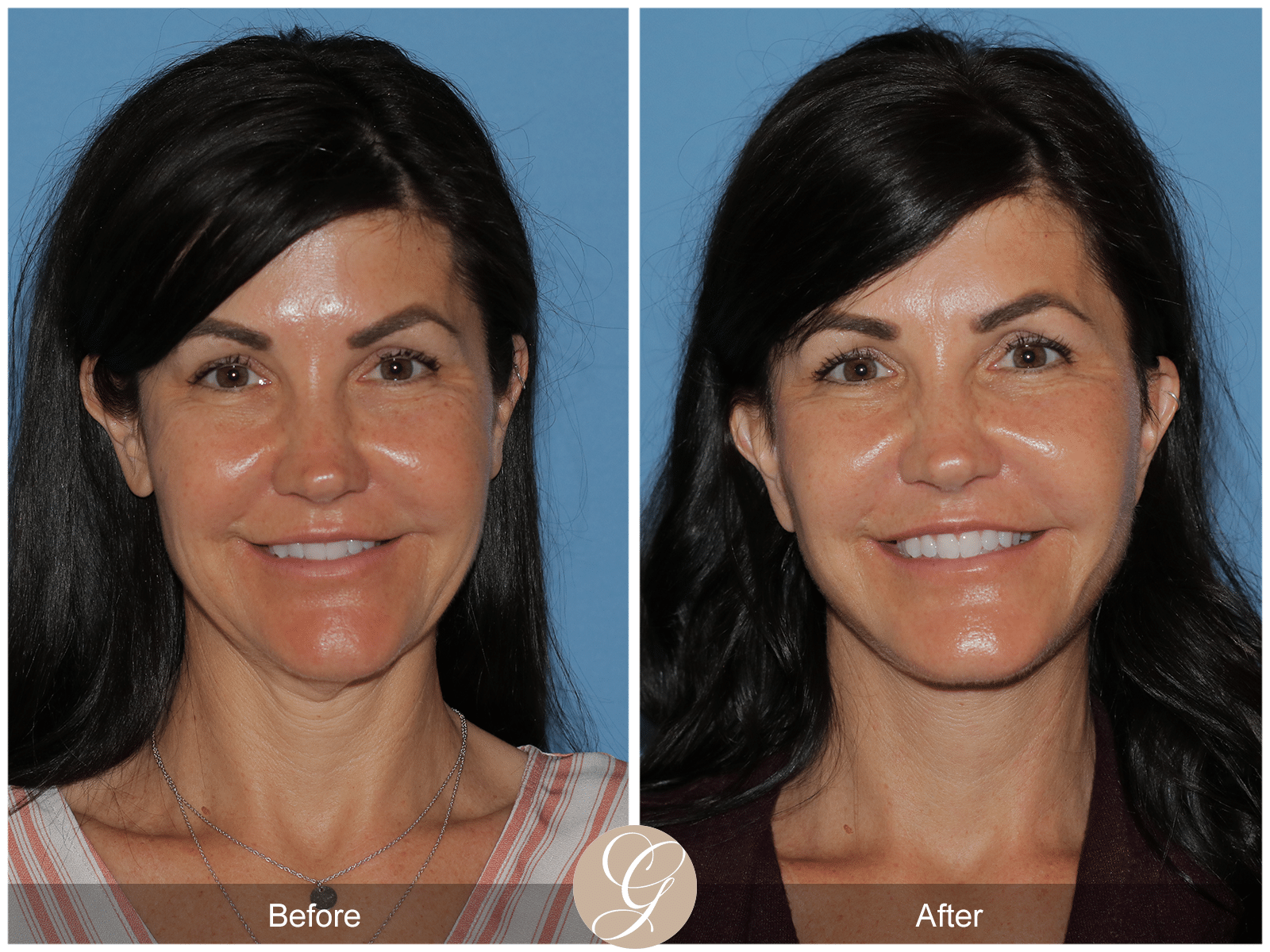
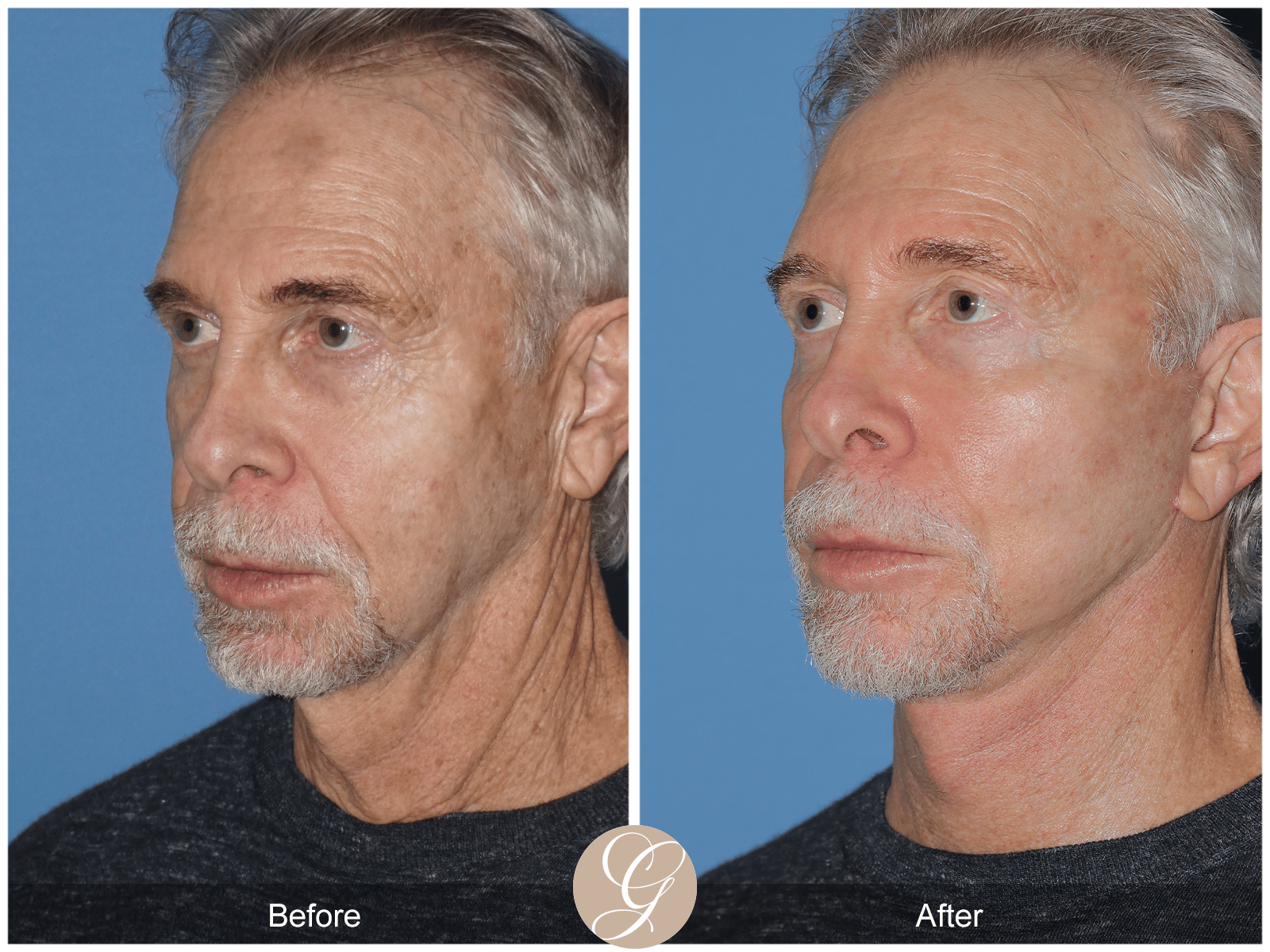
Gallery of Cosmetic Surgery
 Aesthetic Lounge



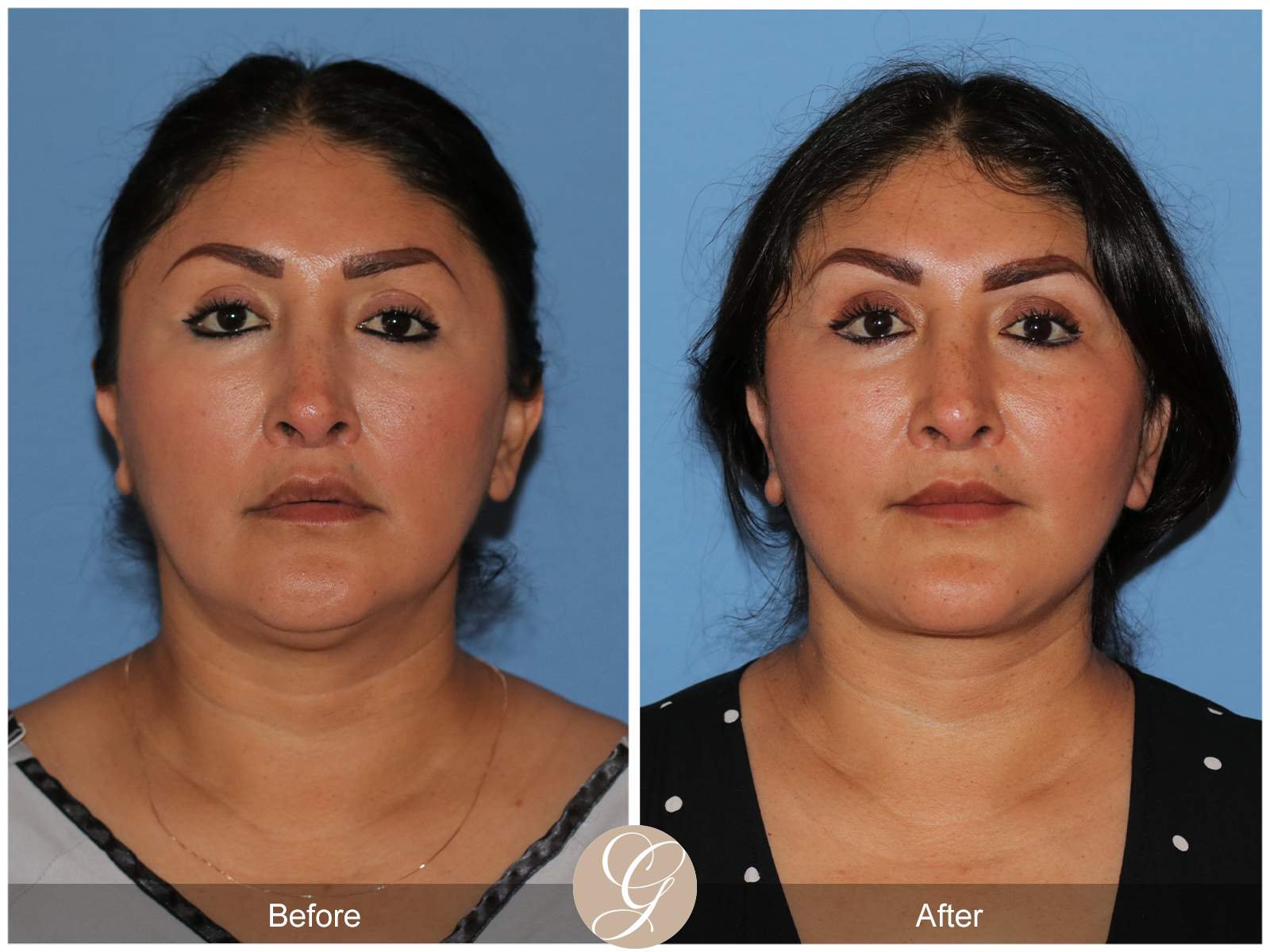
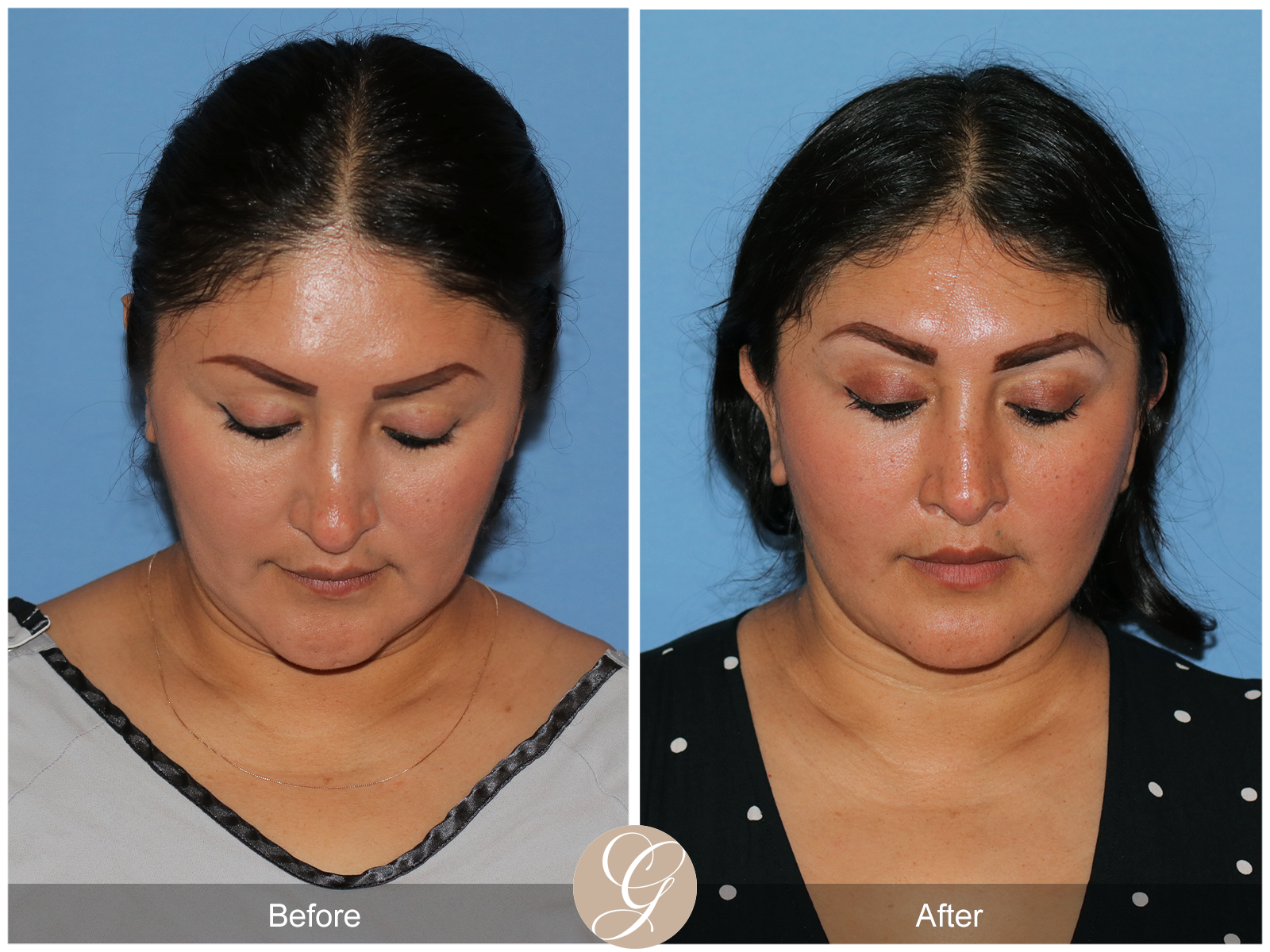
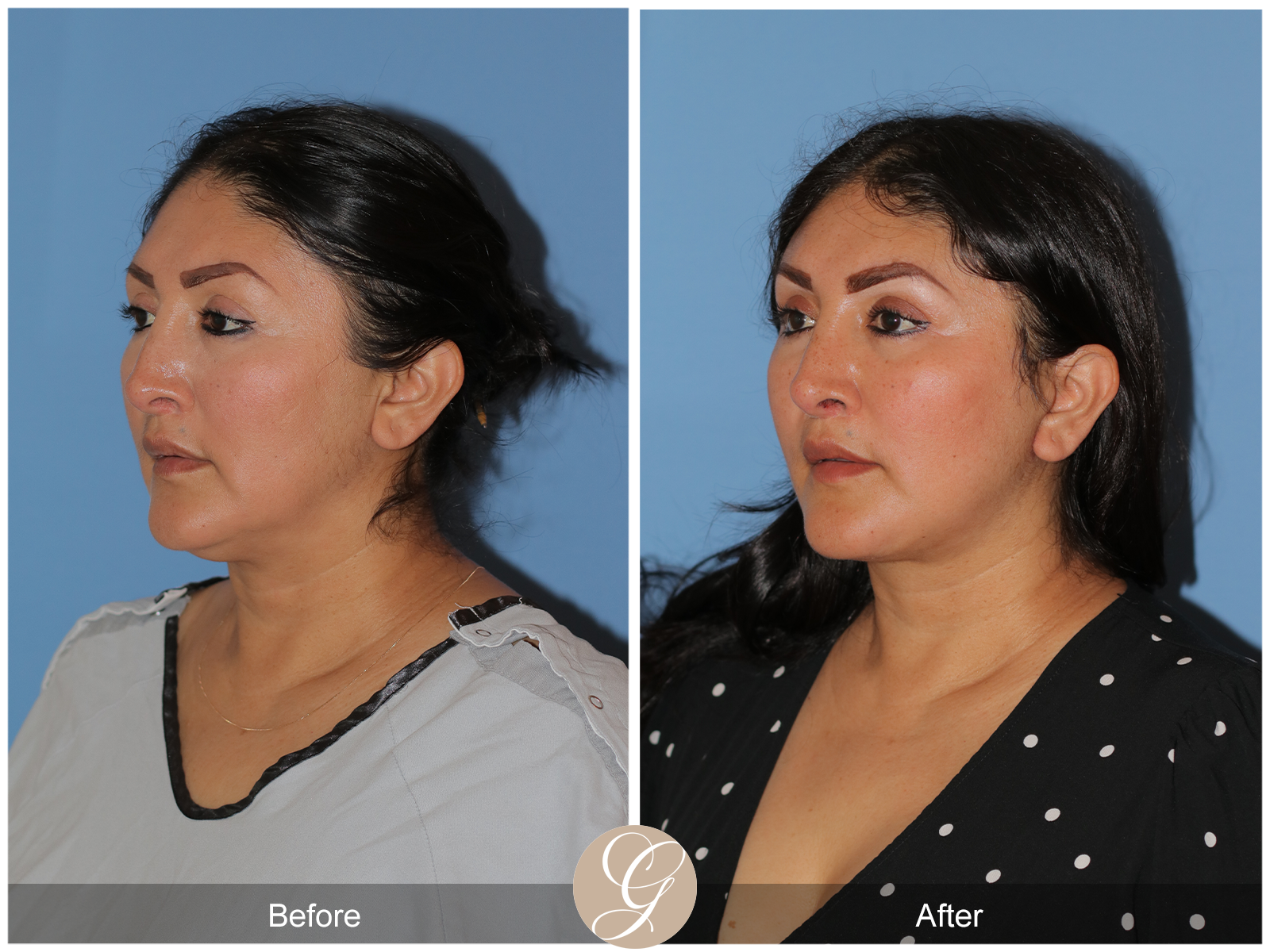
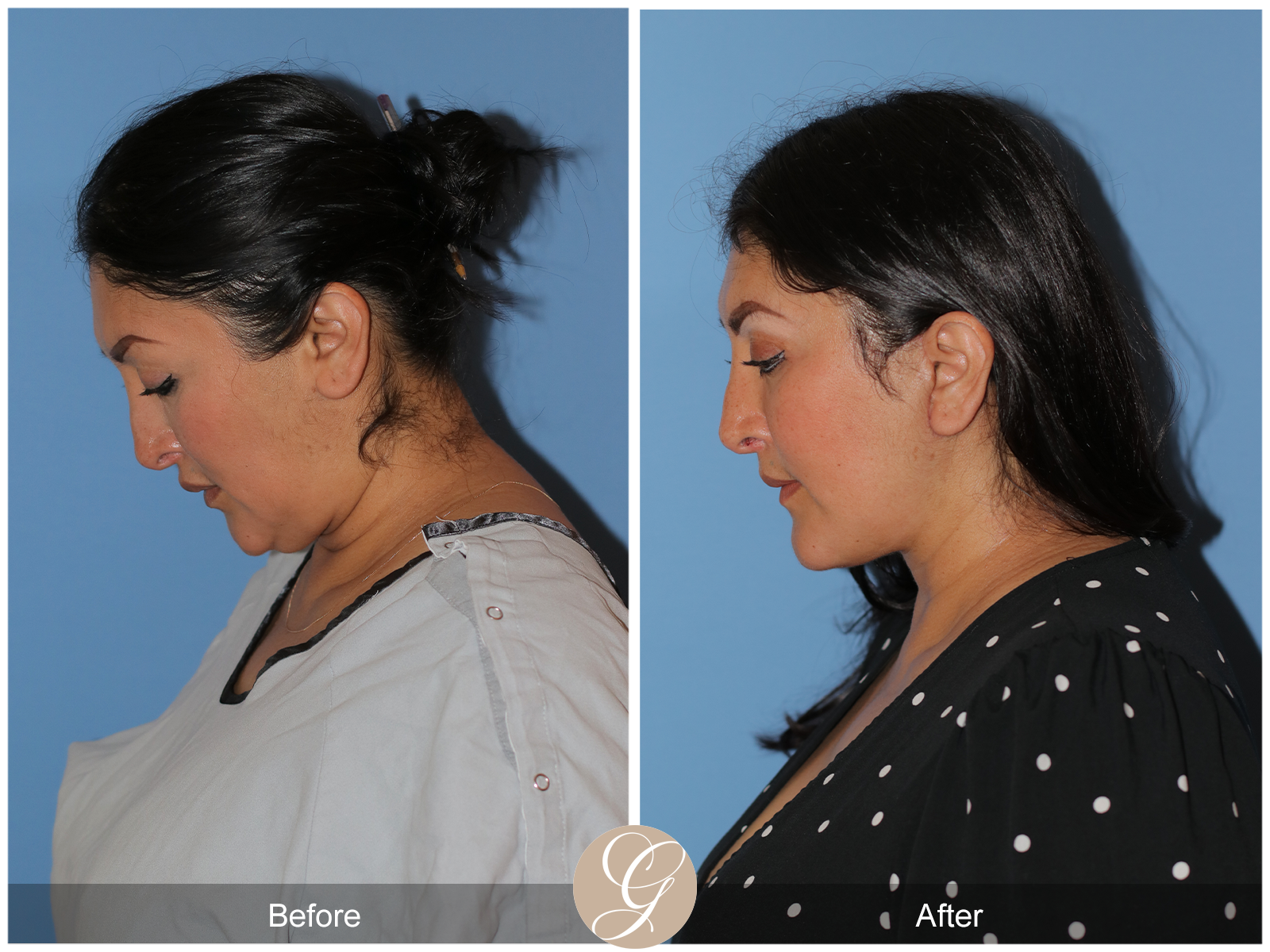
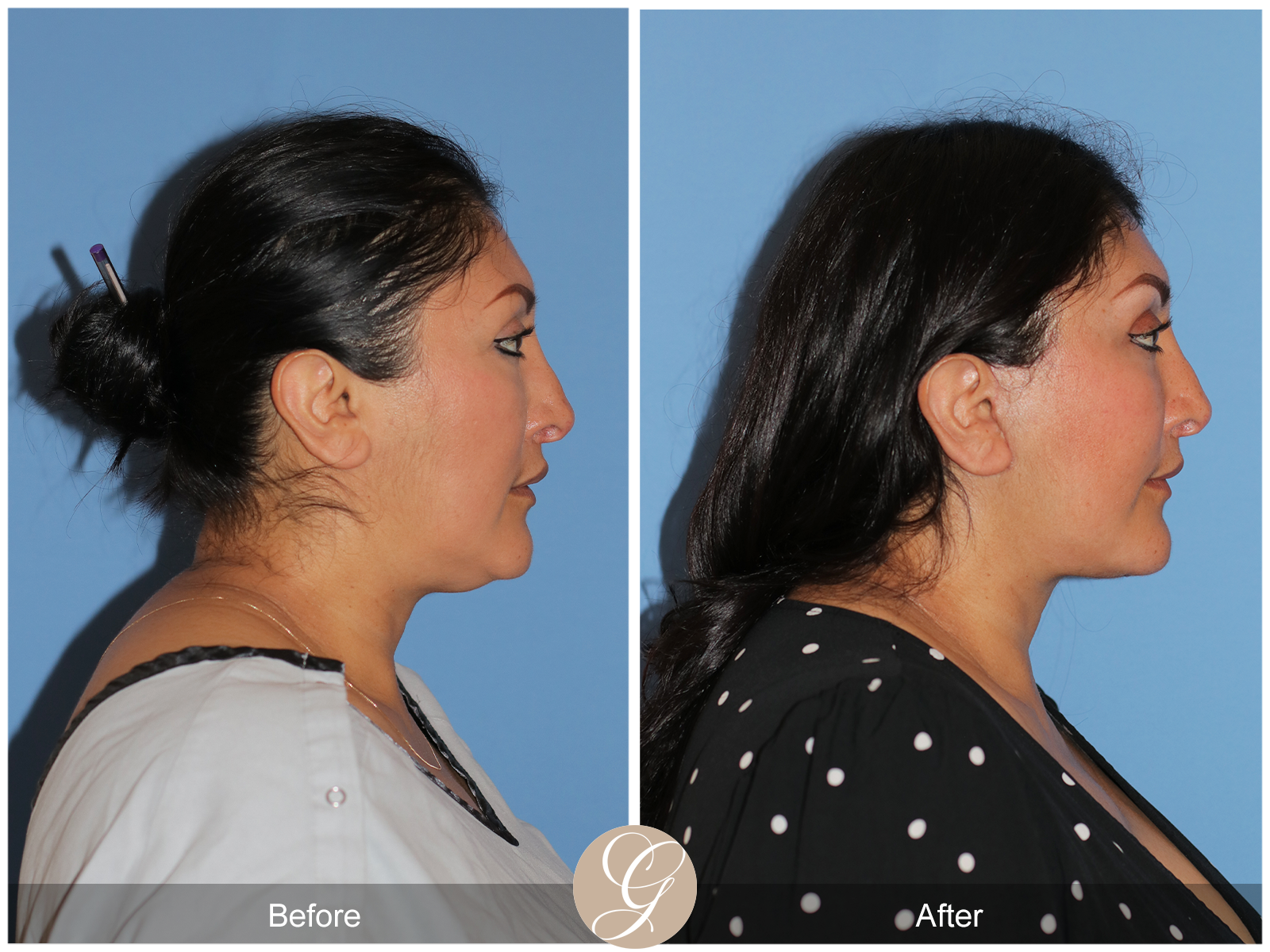
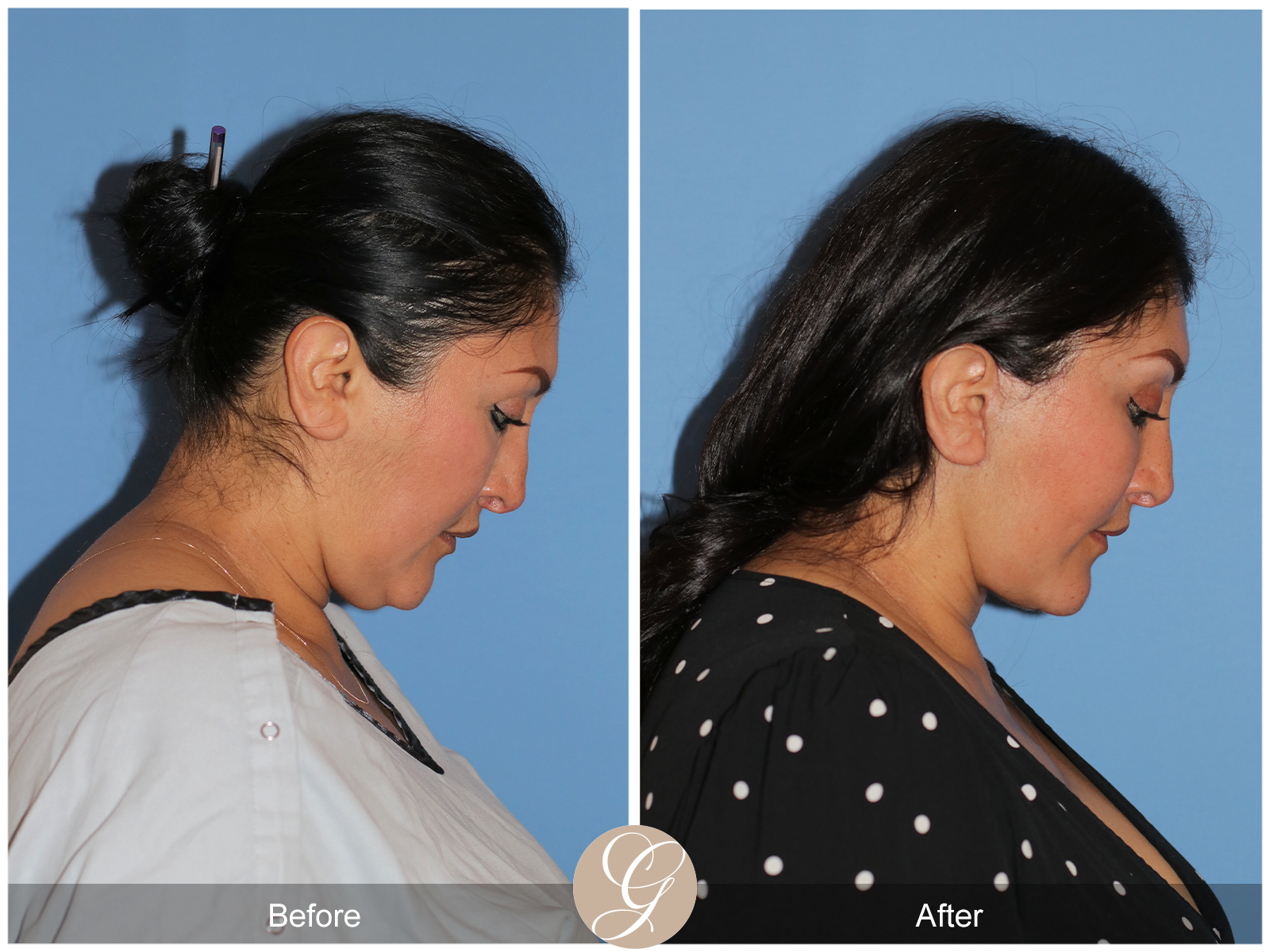
Procedures:
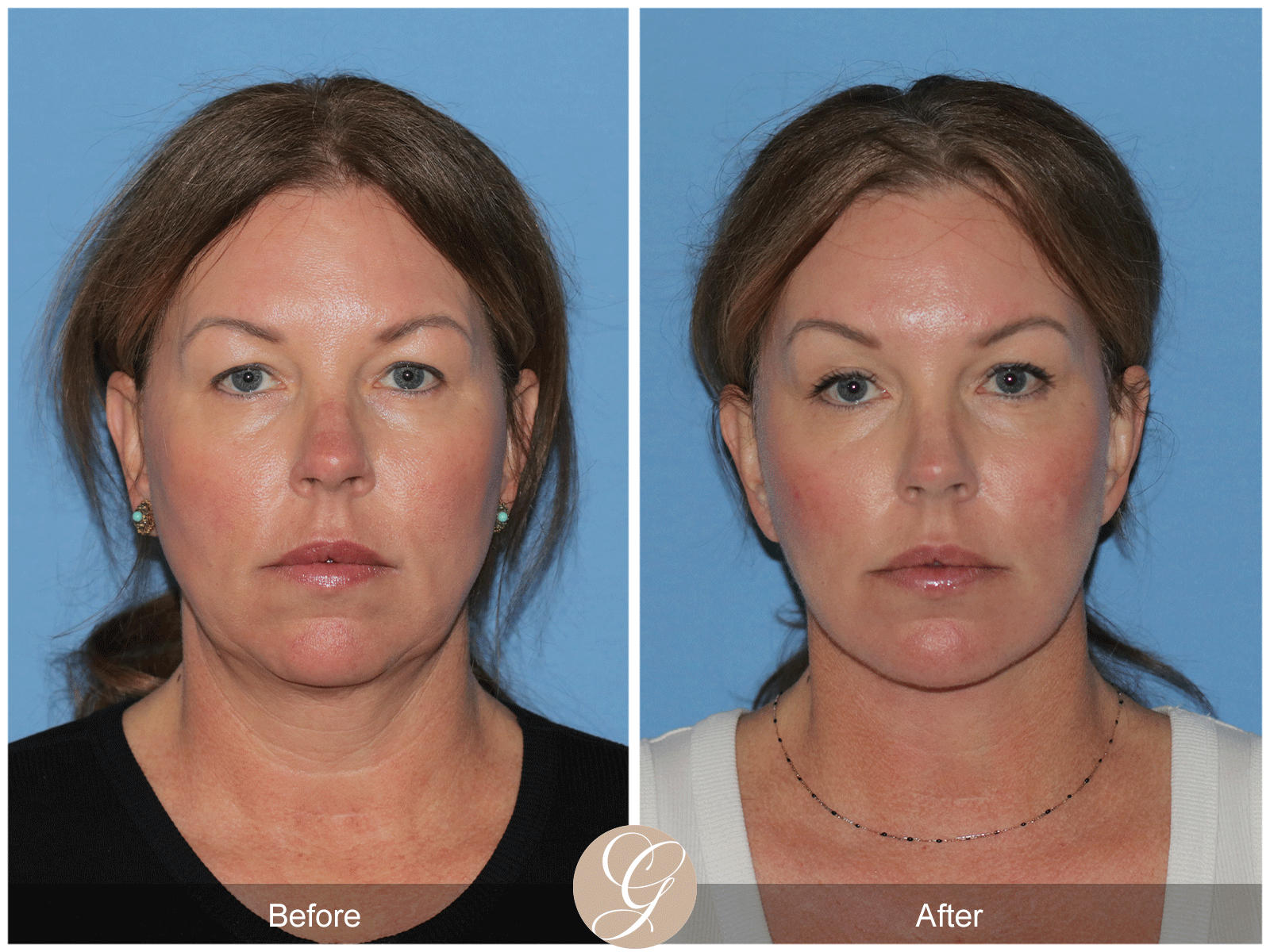
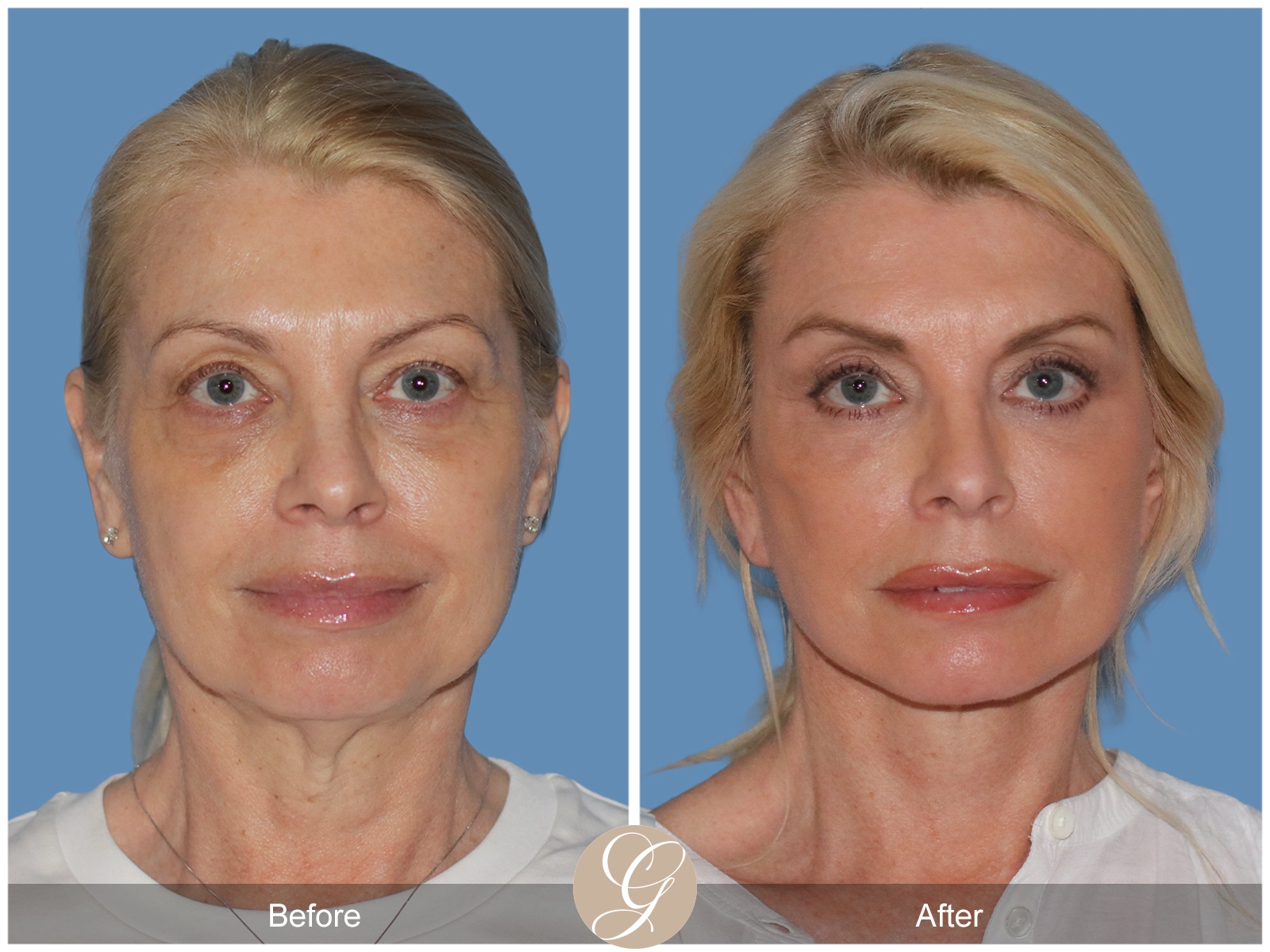
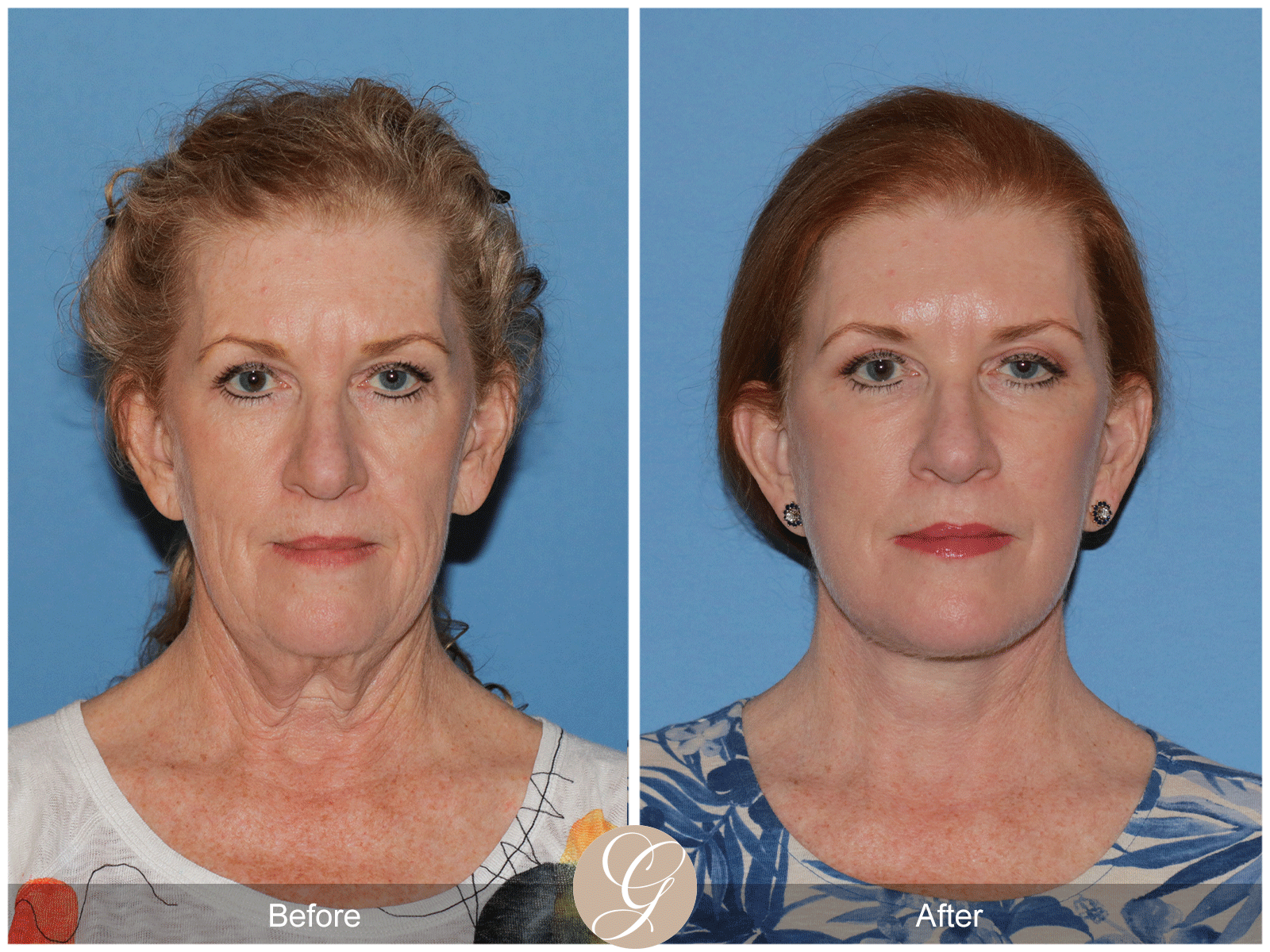
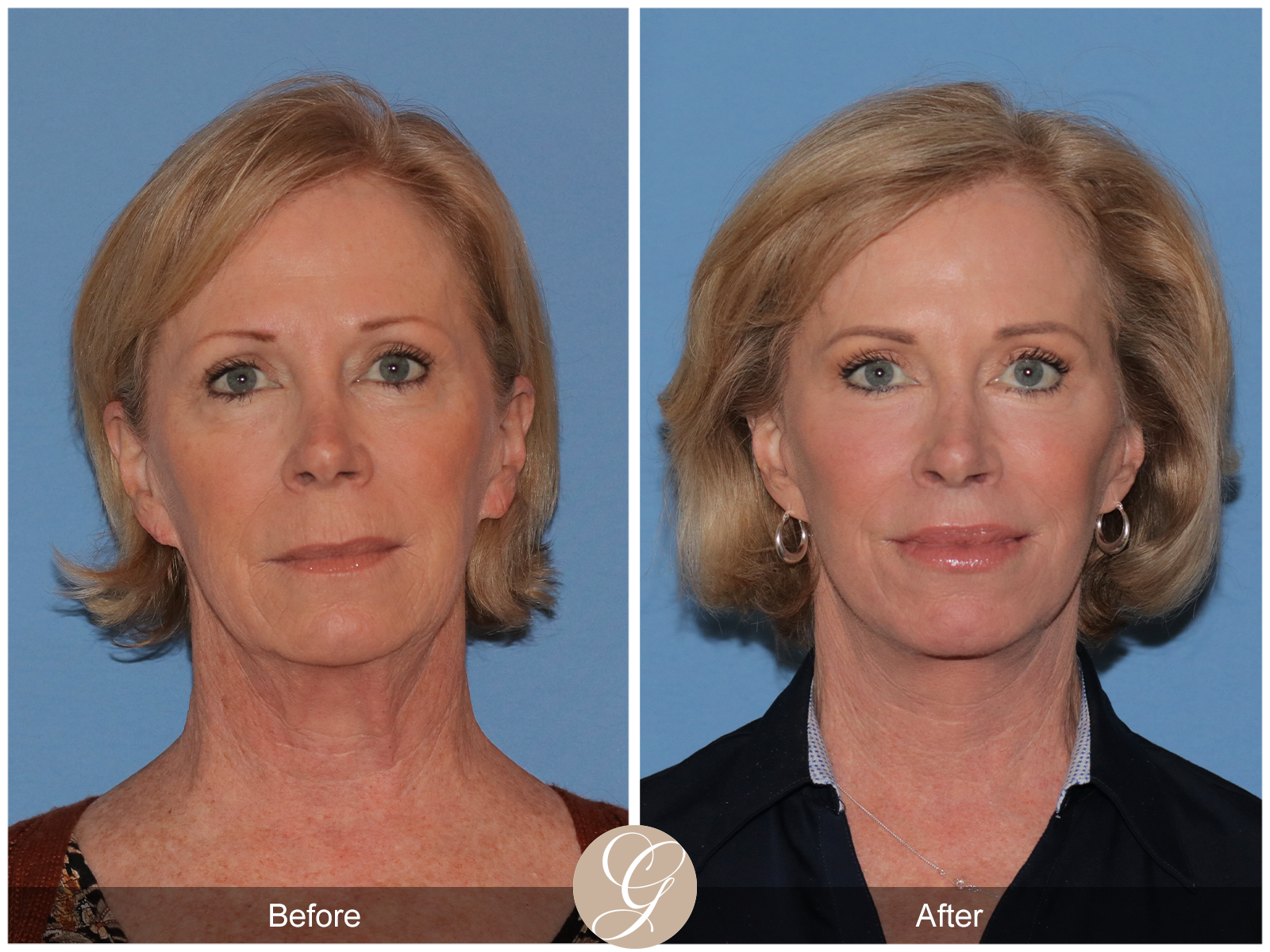
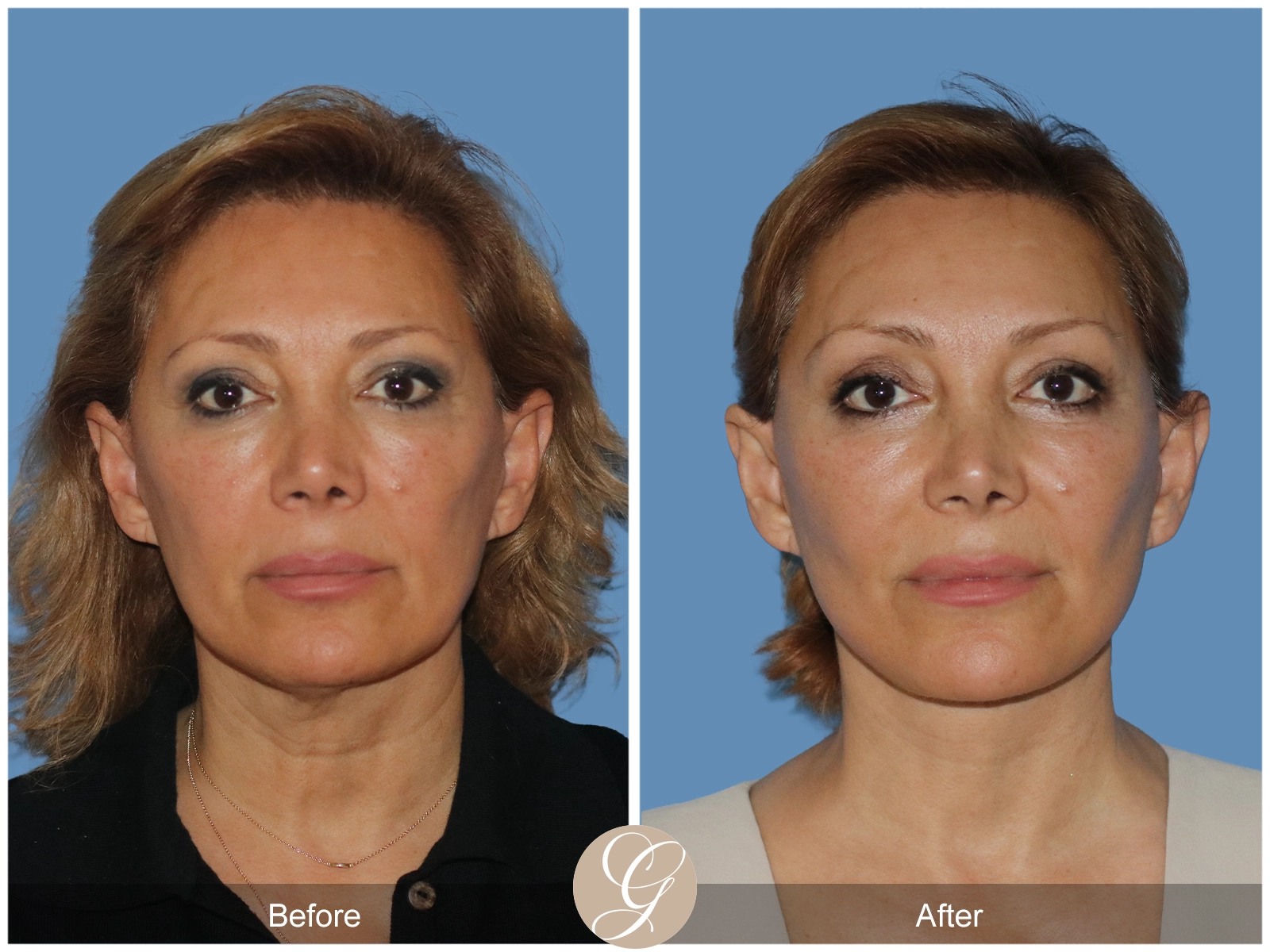
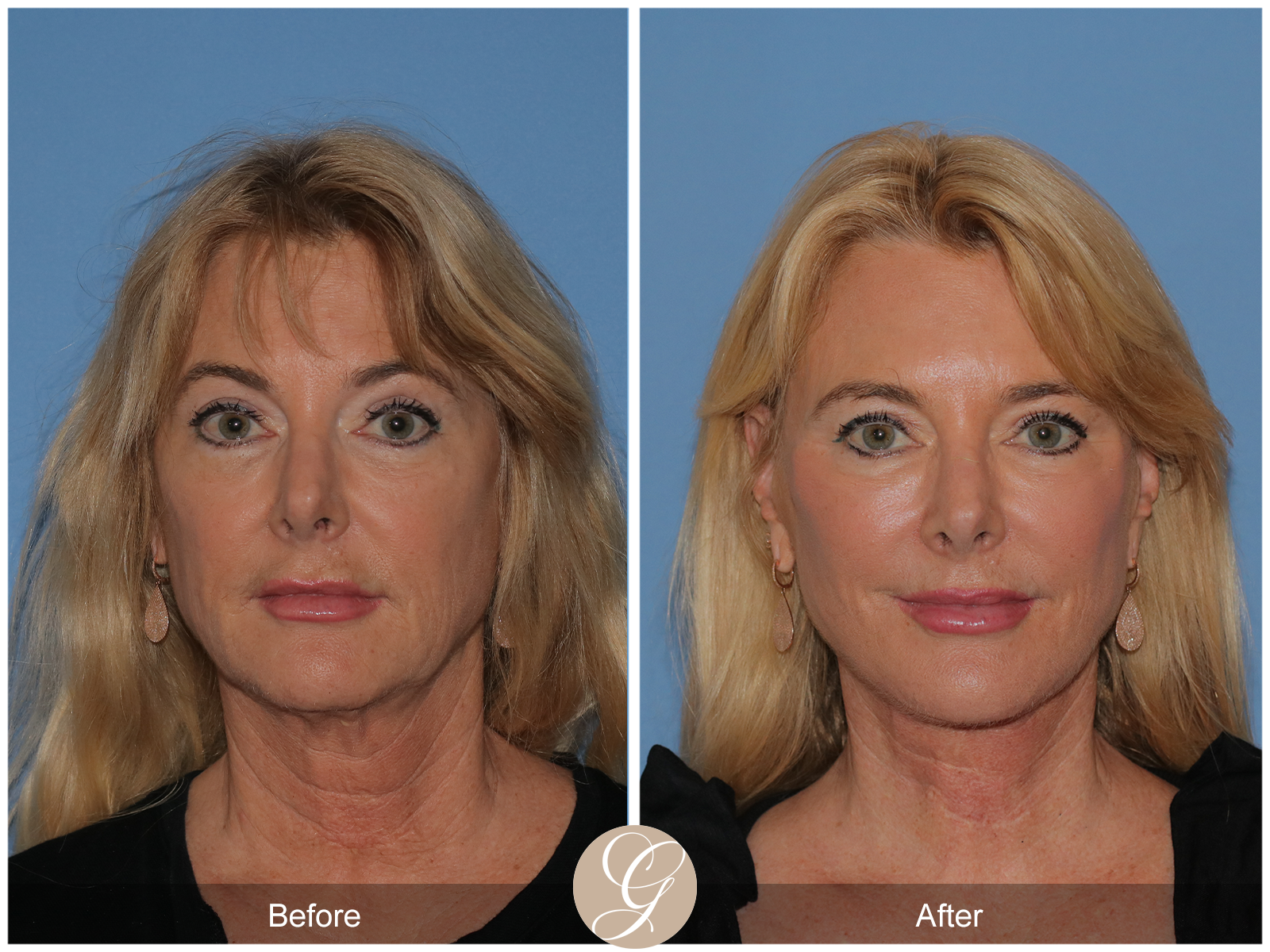
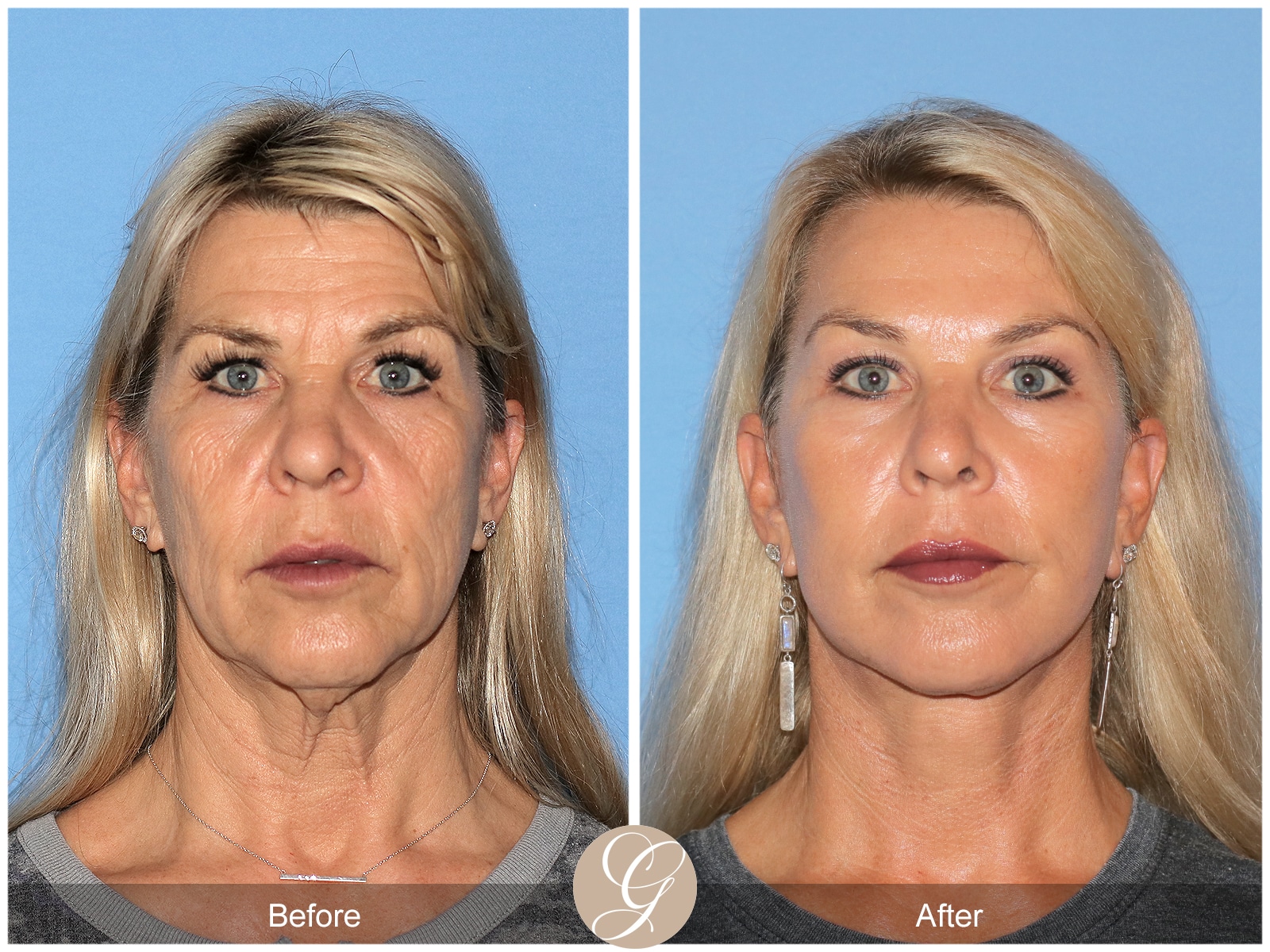
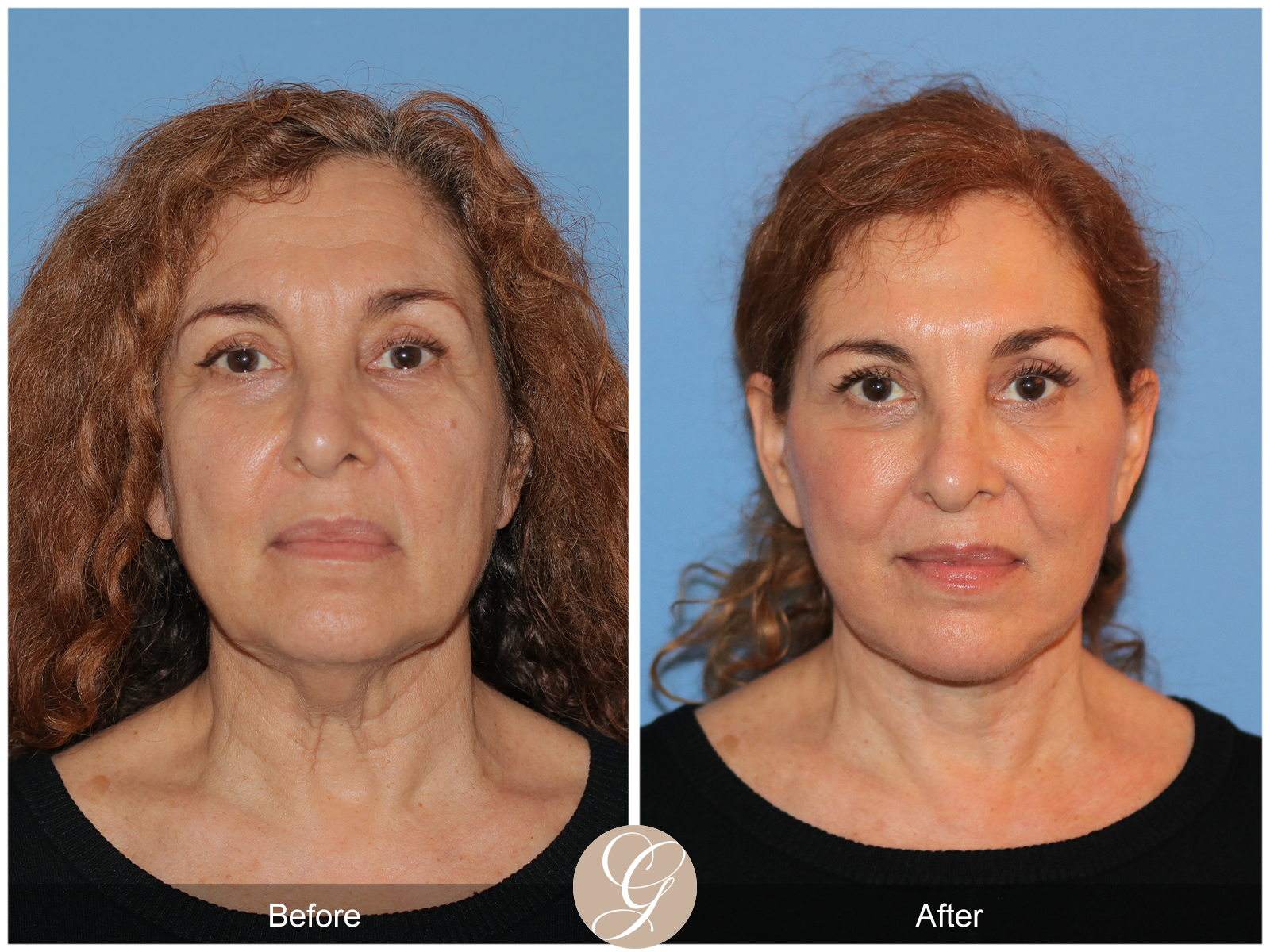
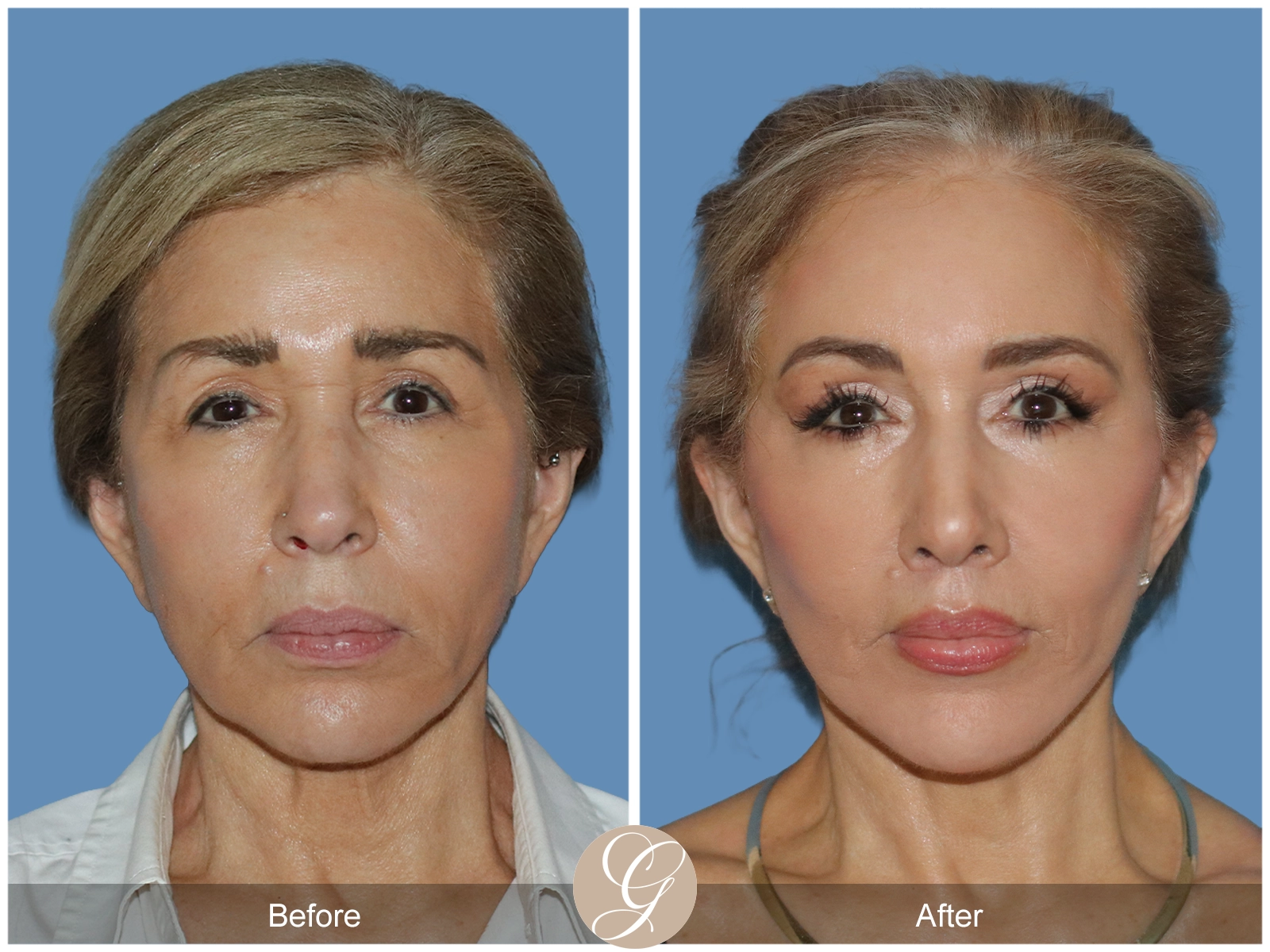
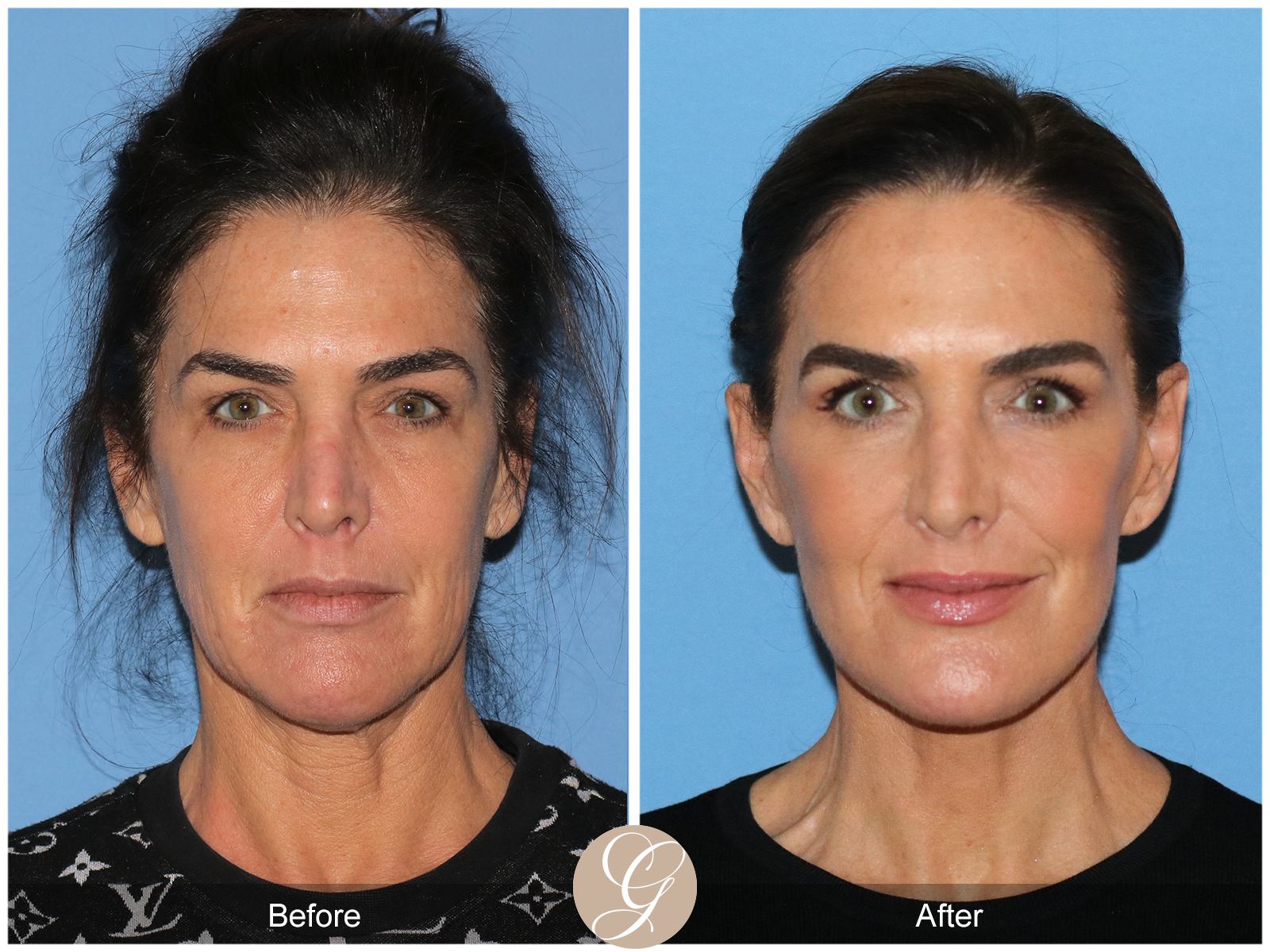
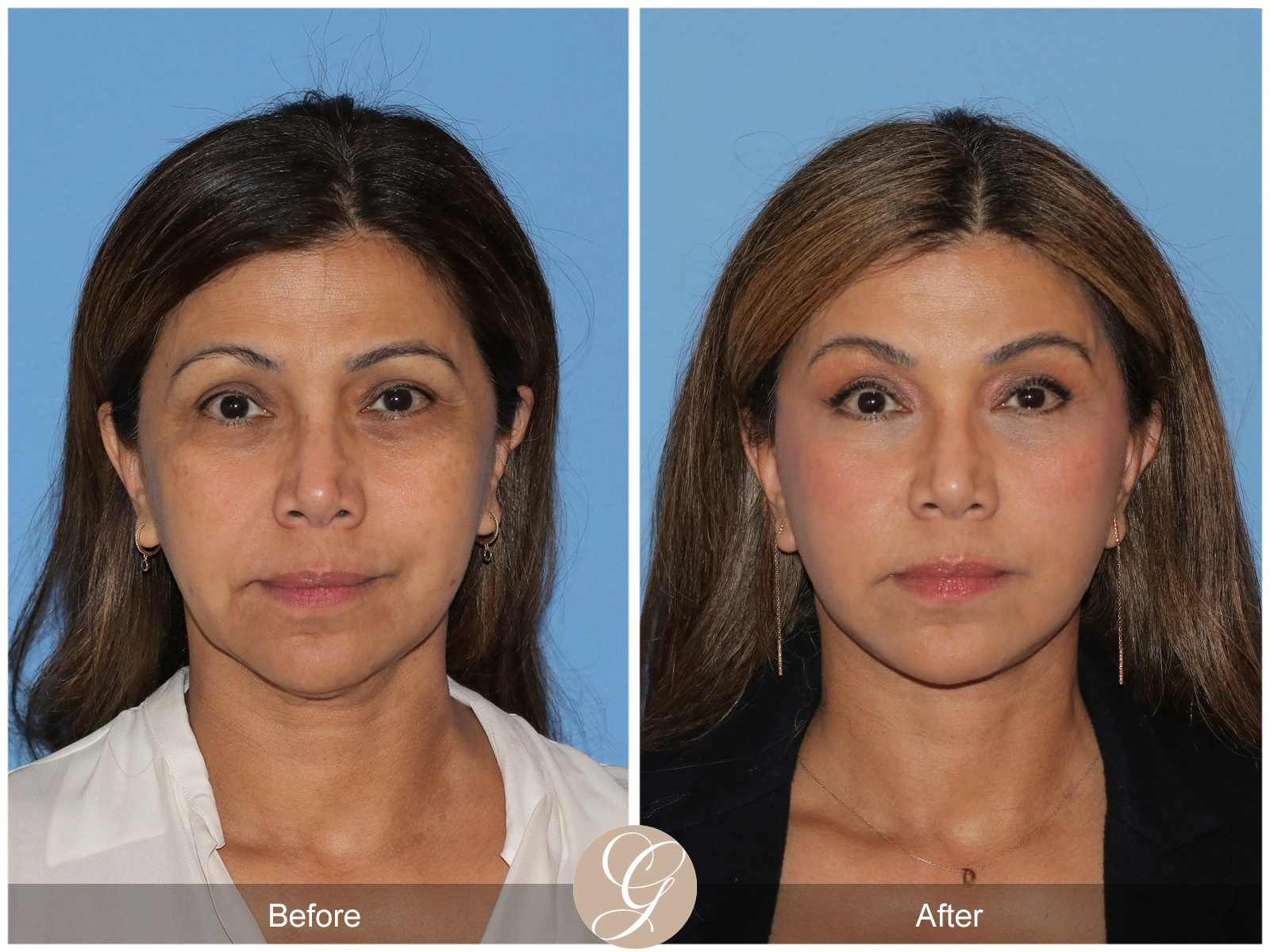
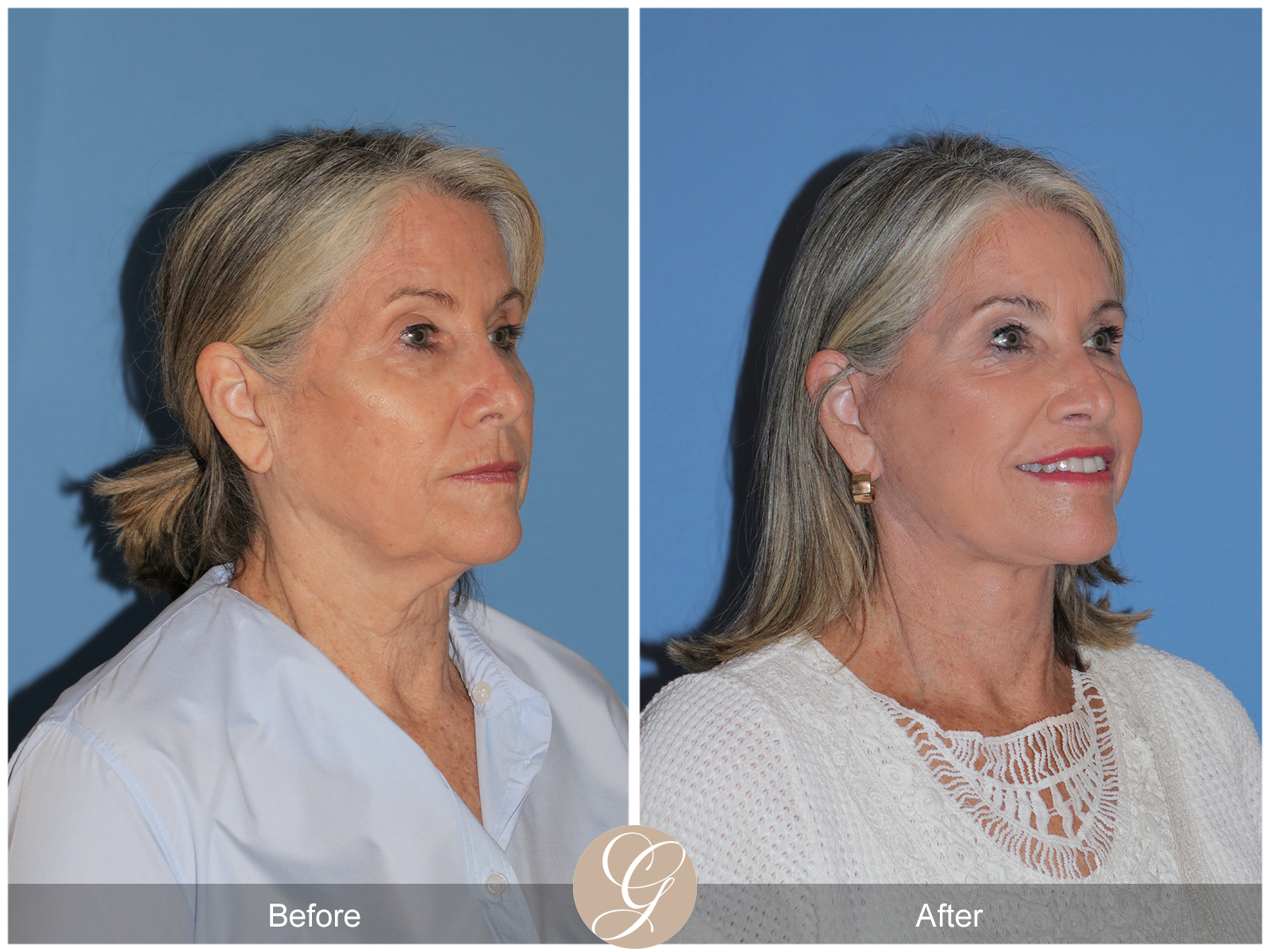
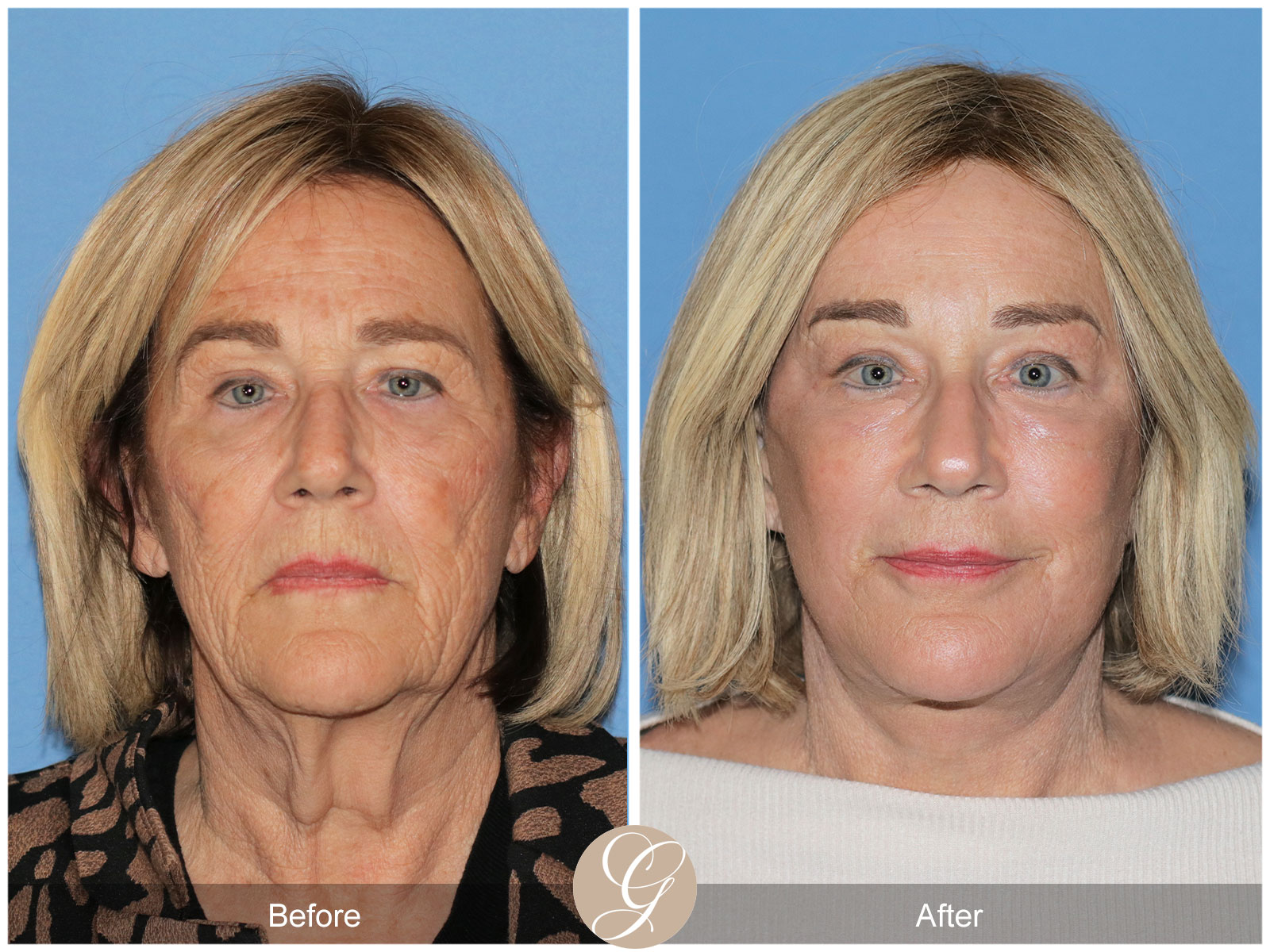
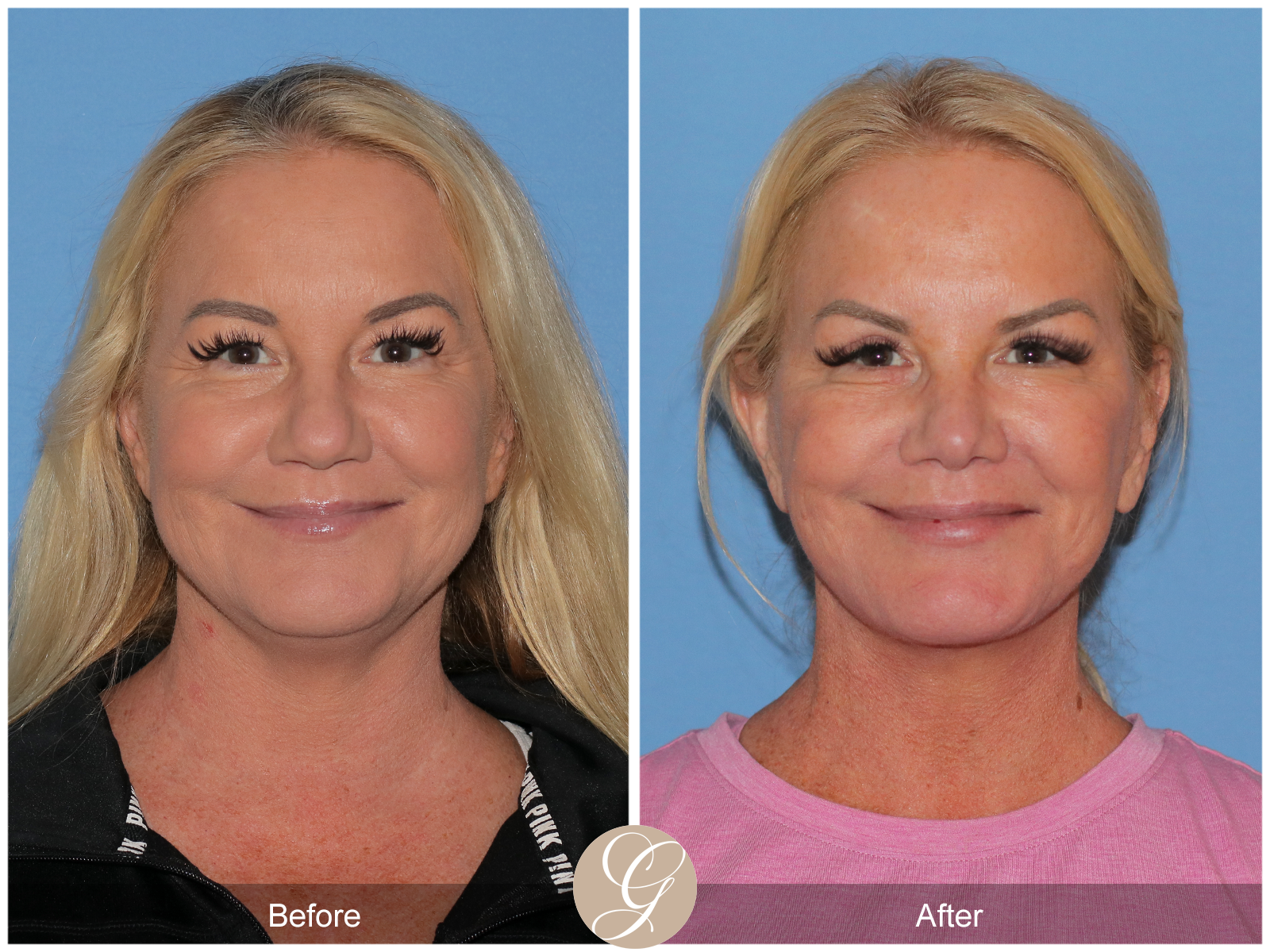
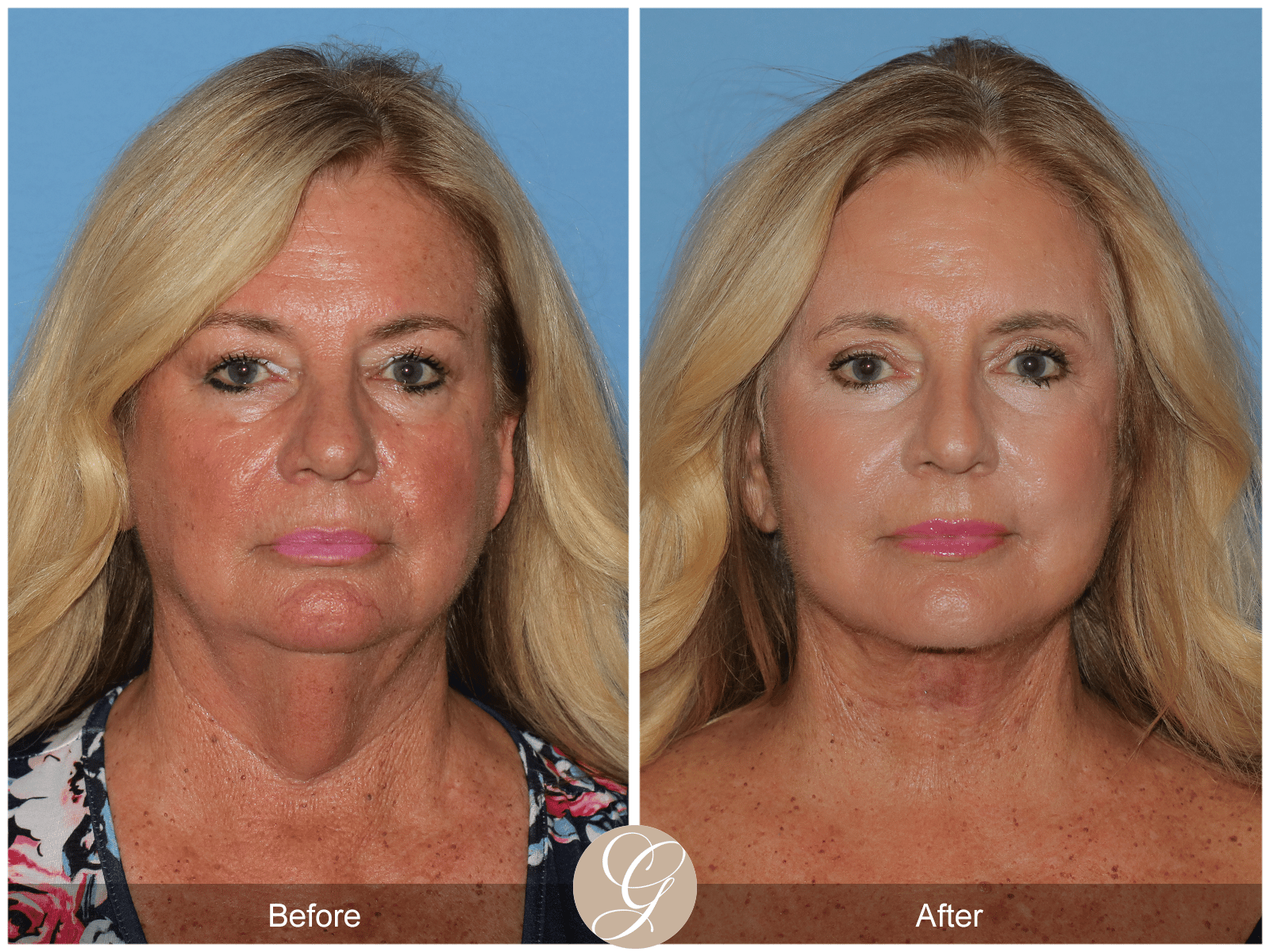
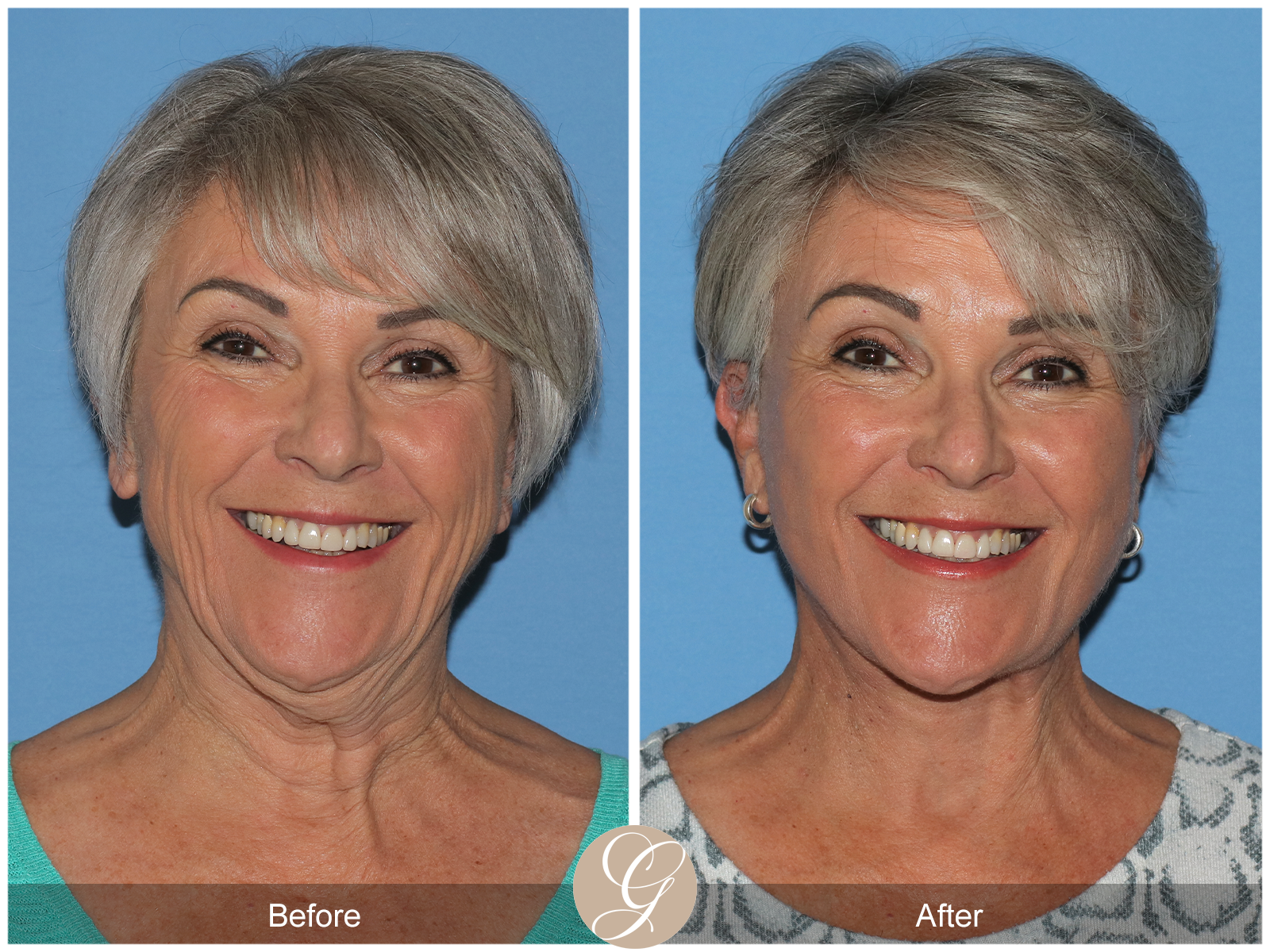
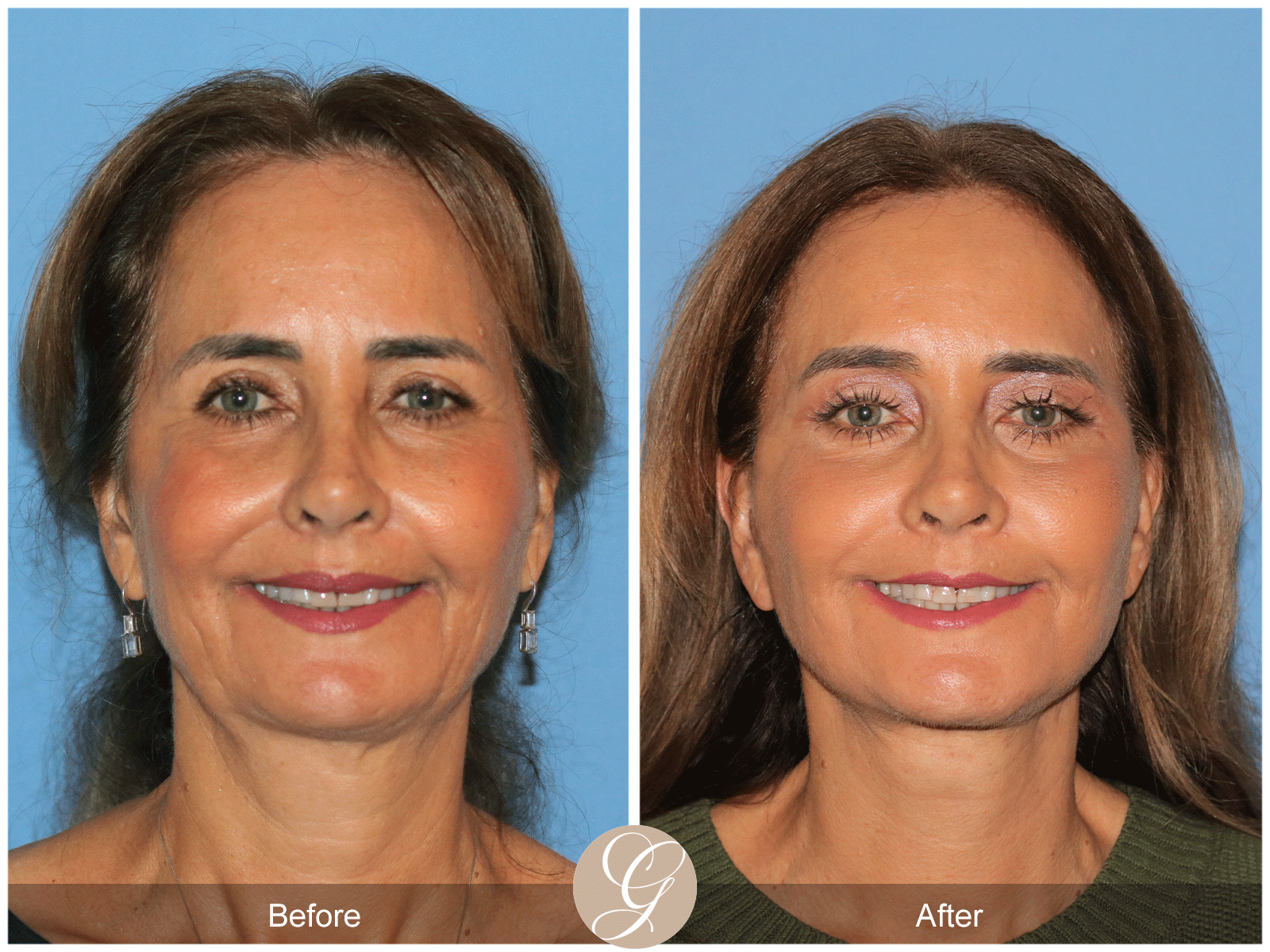
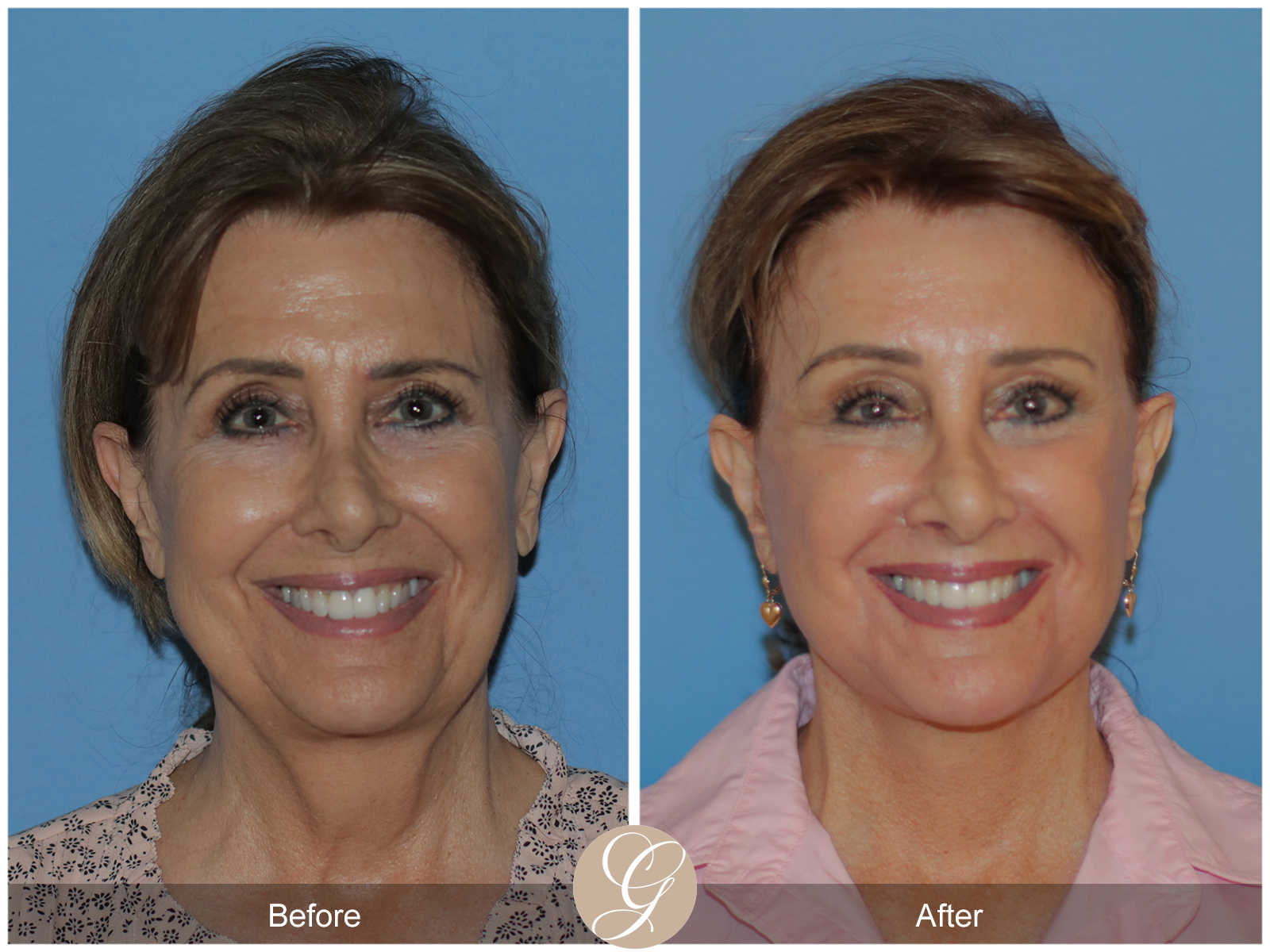
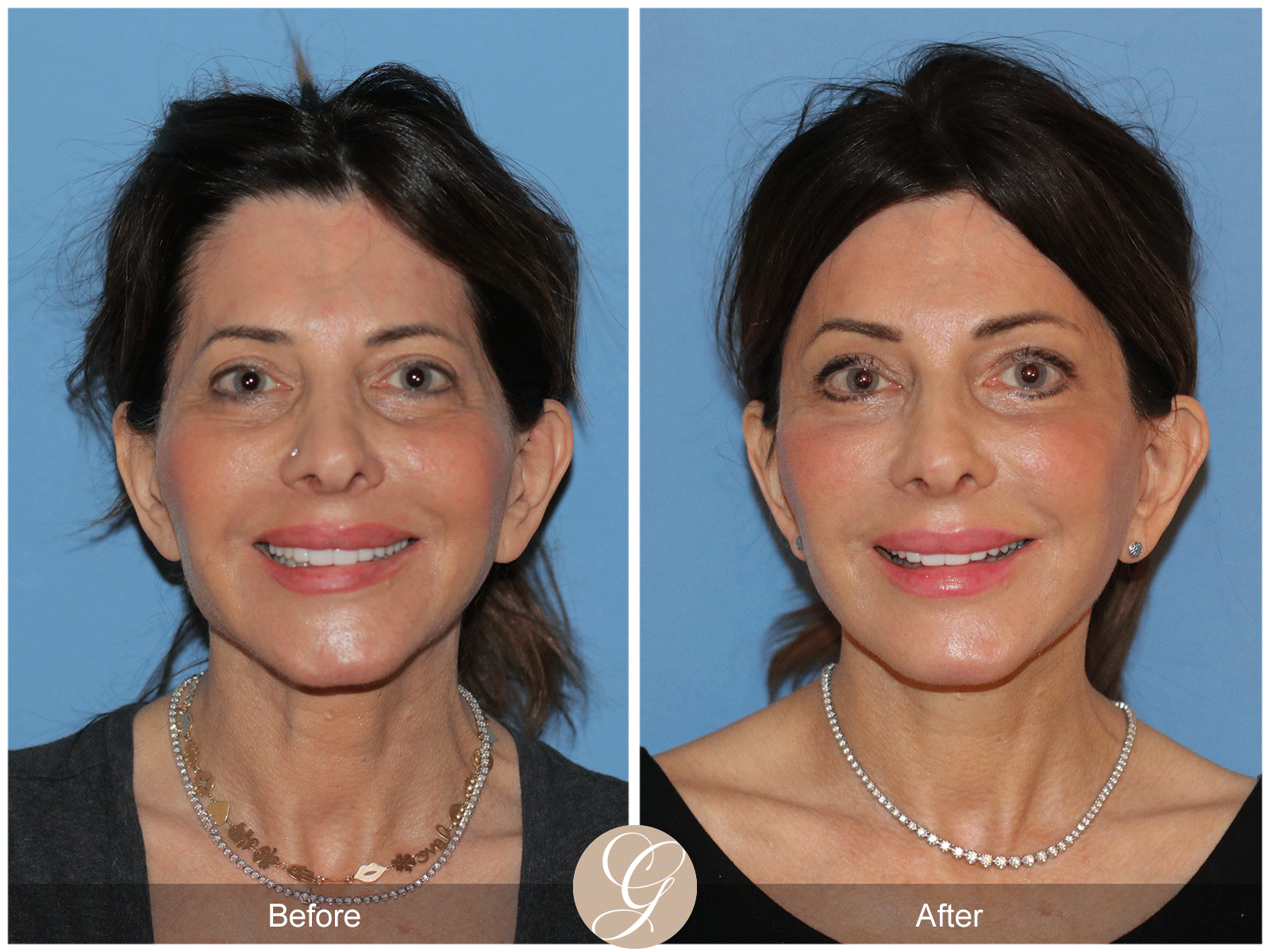
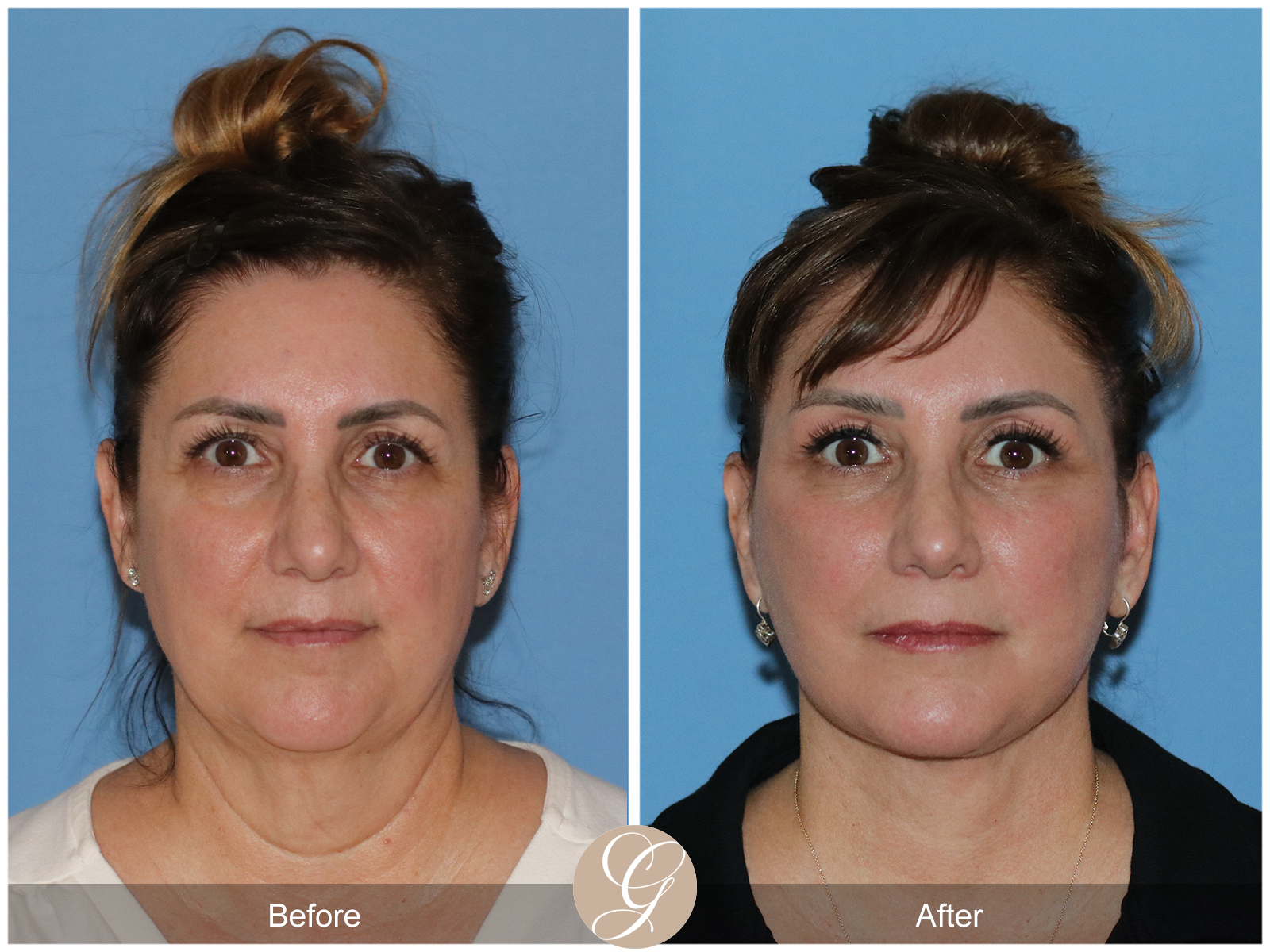
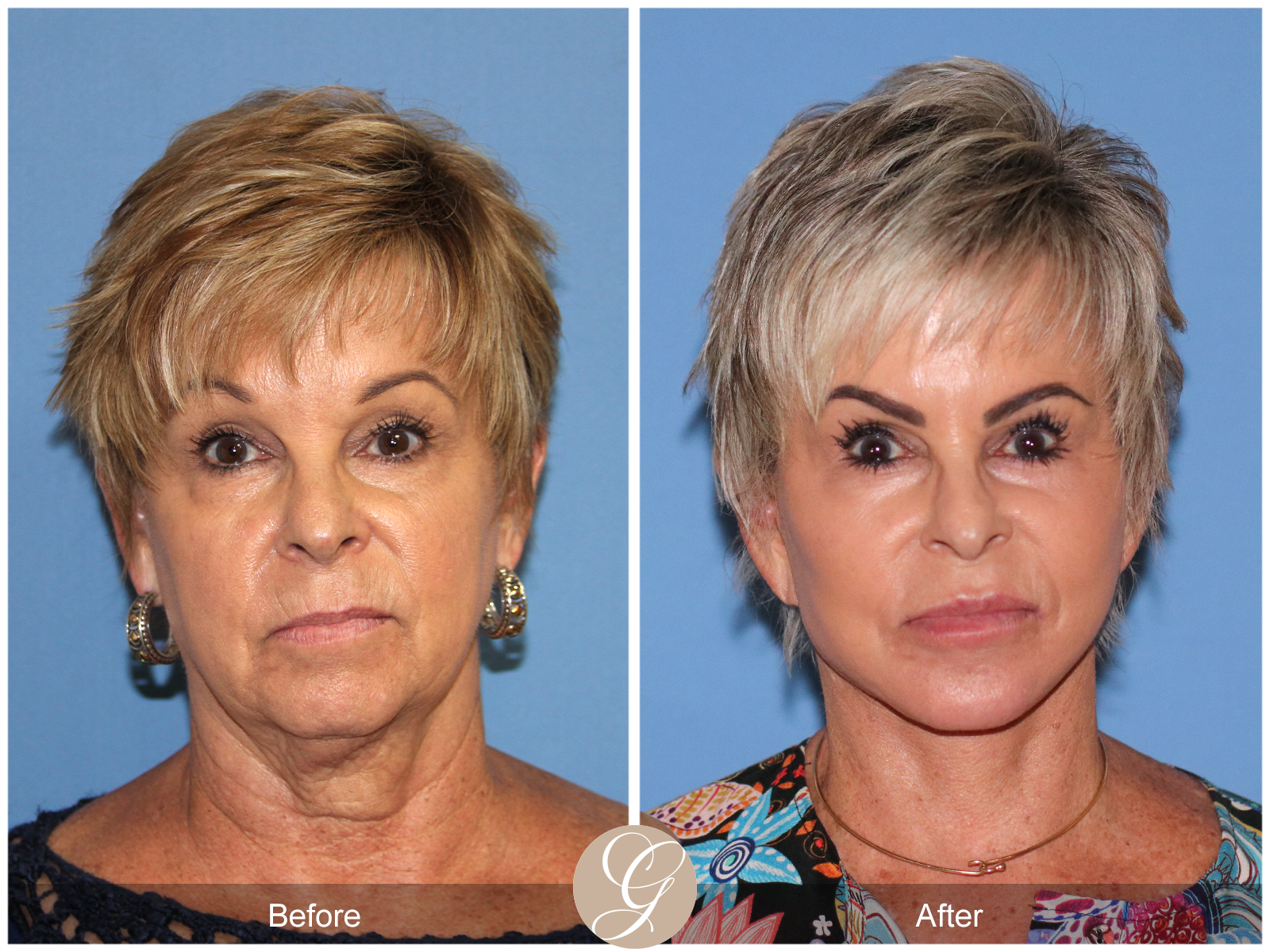
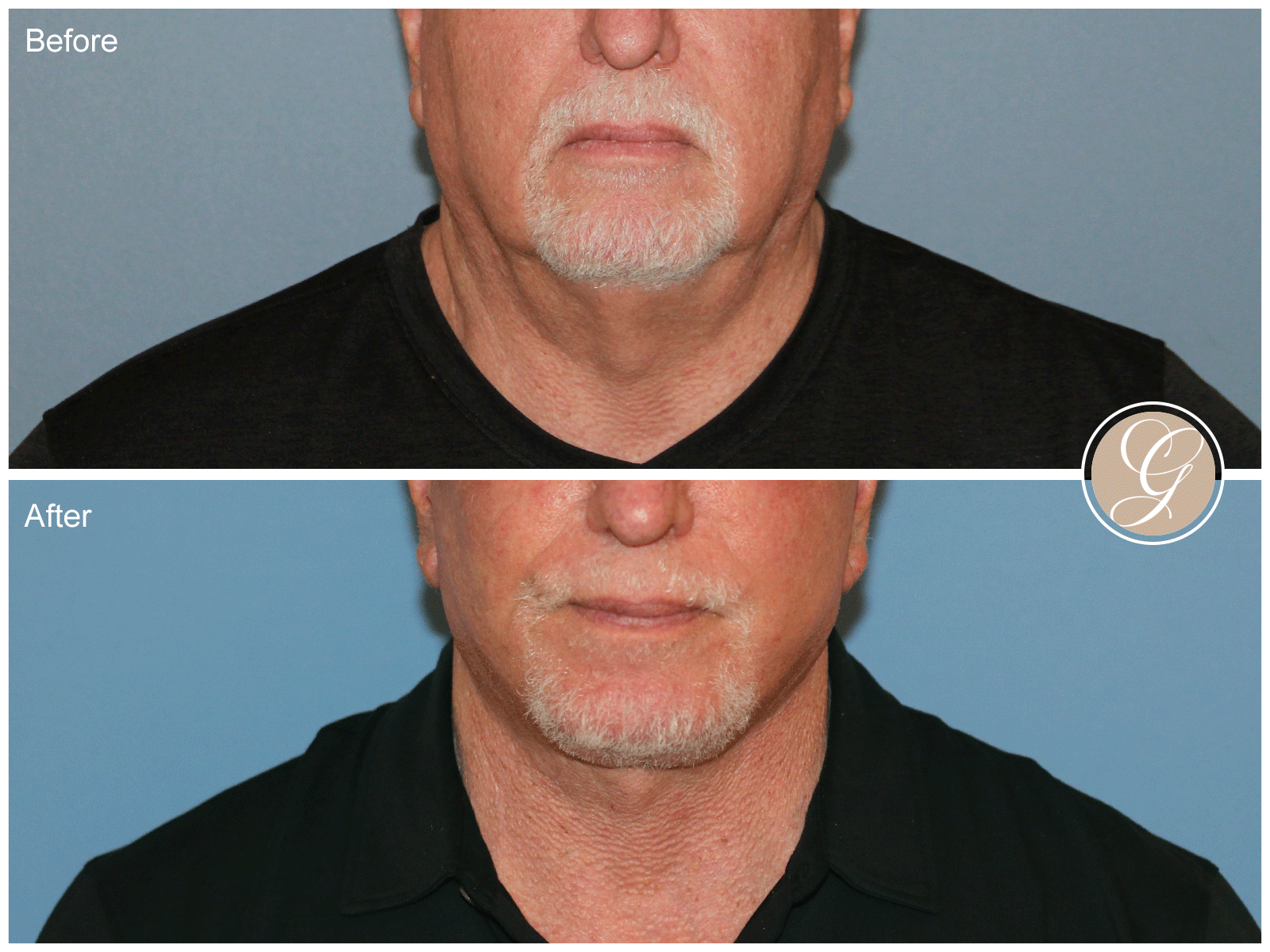
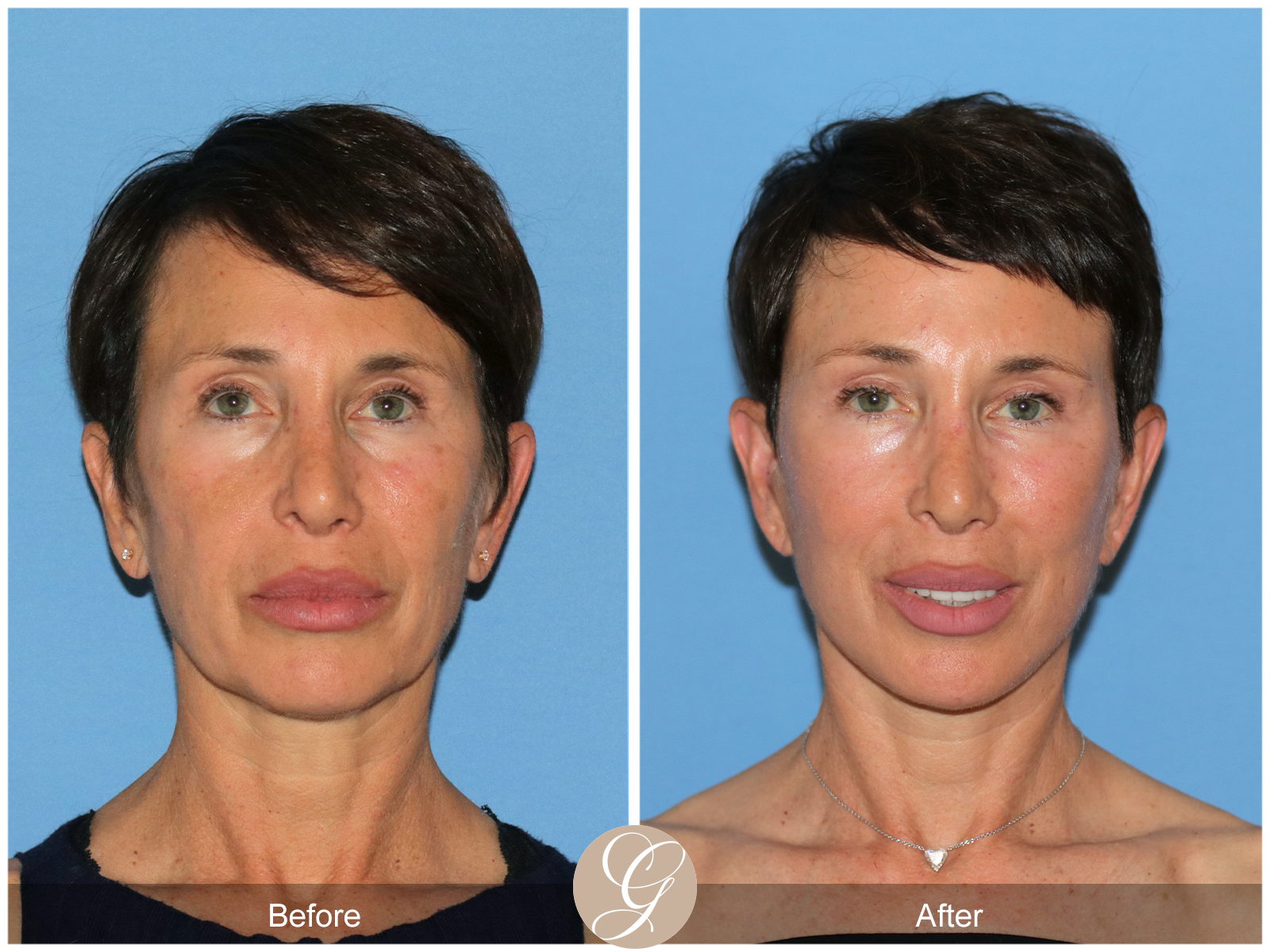
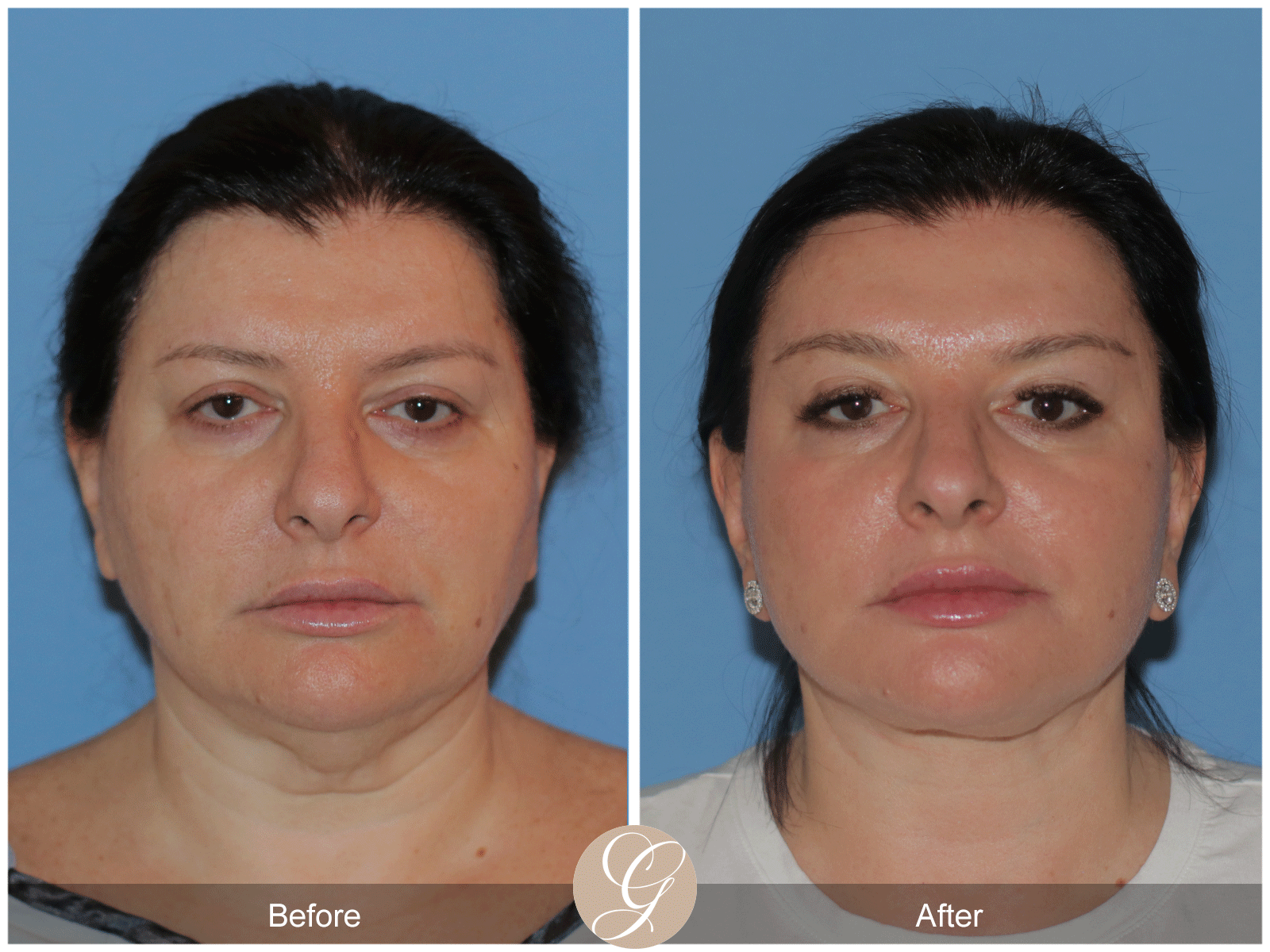
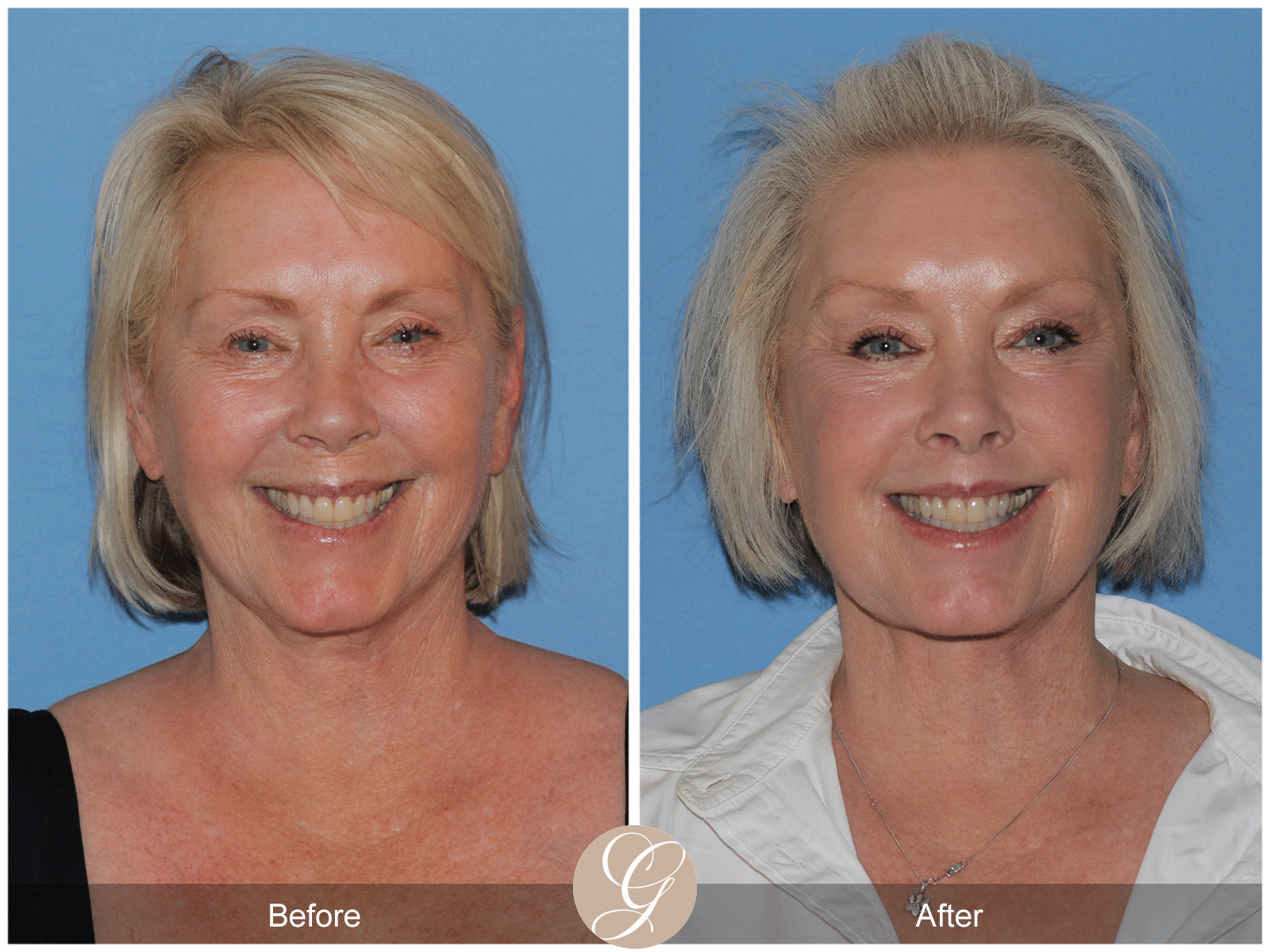
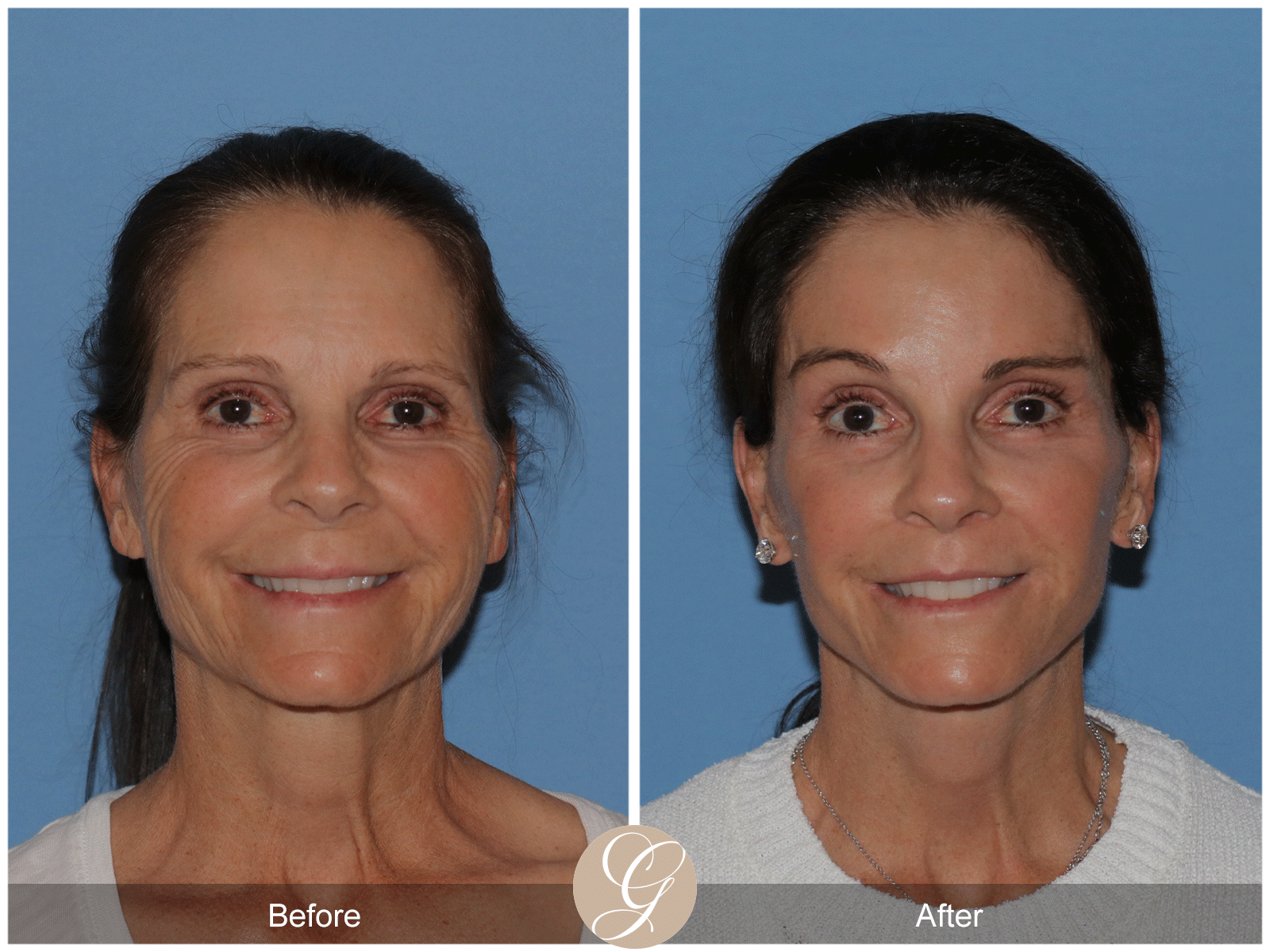
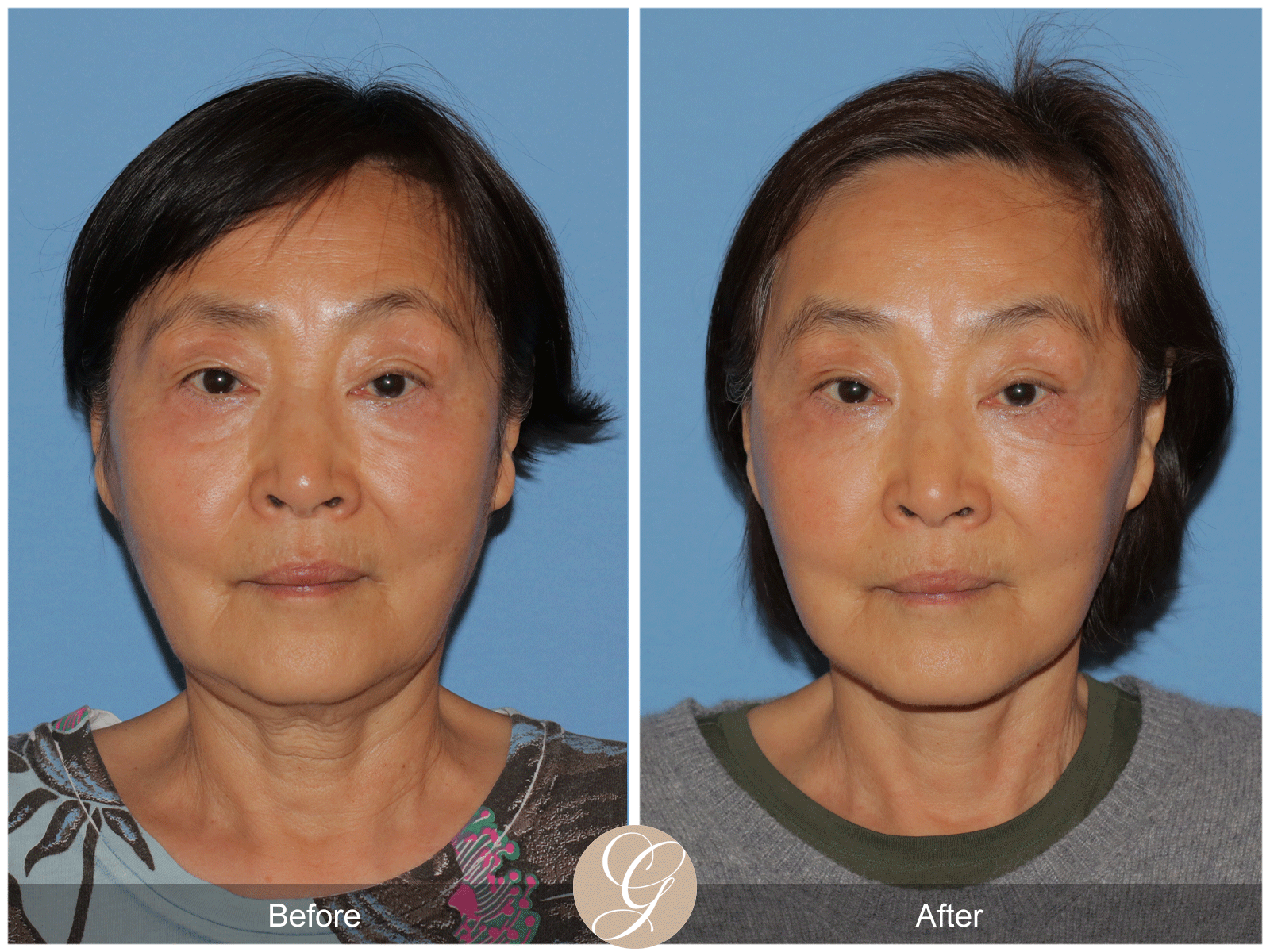
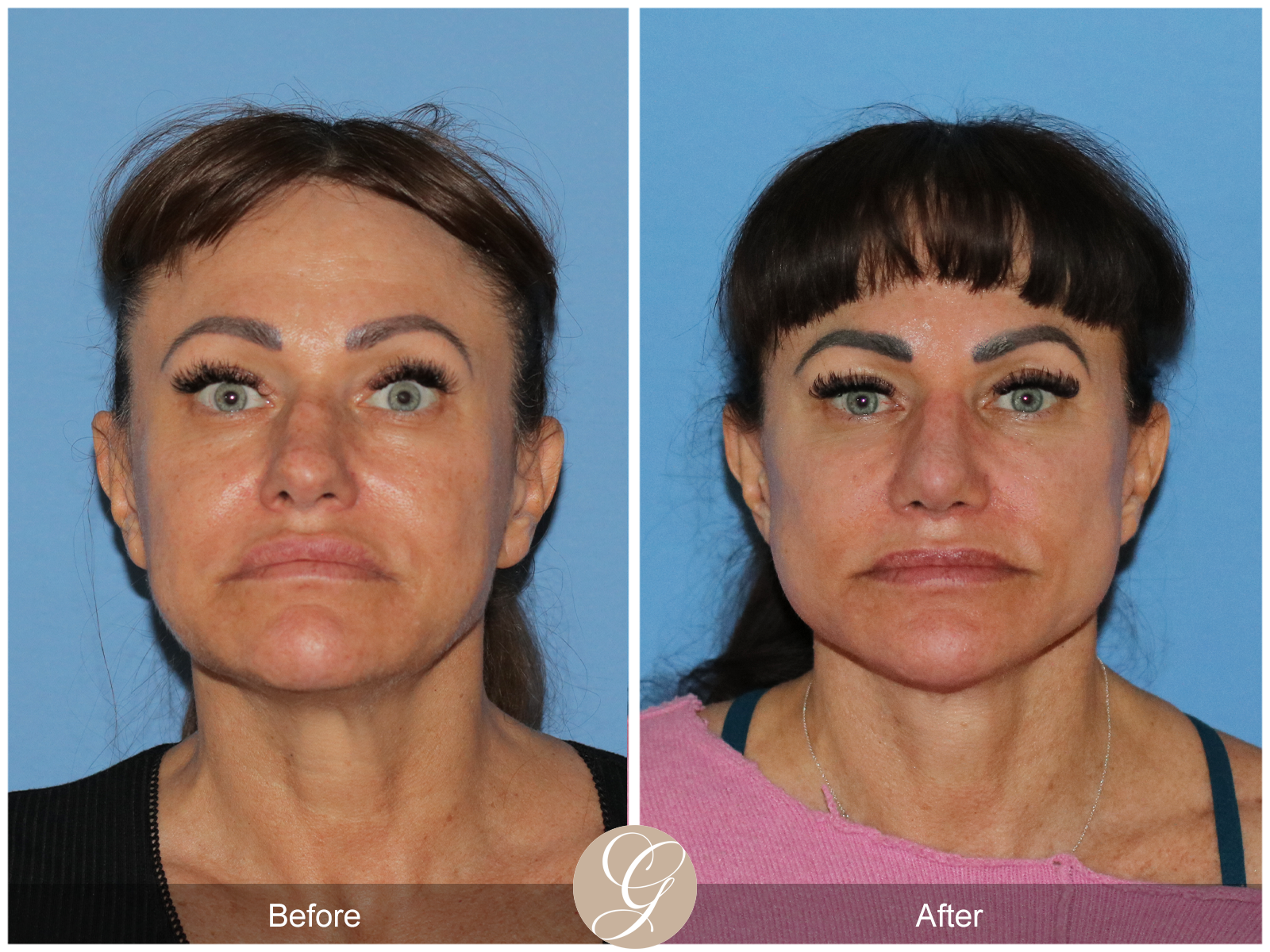
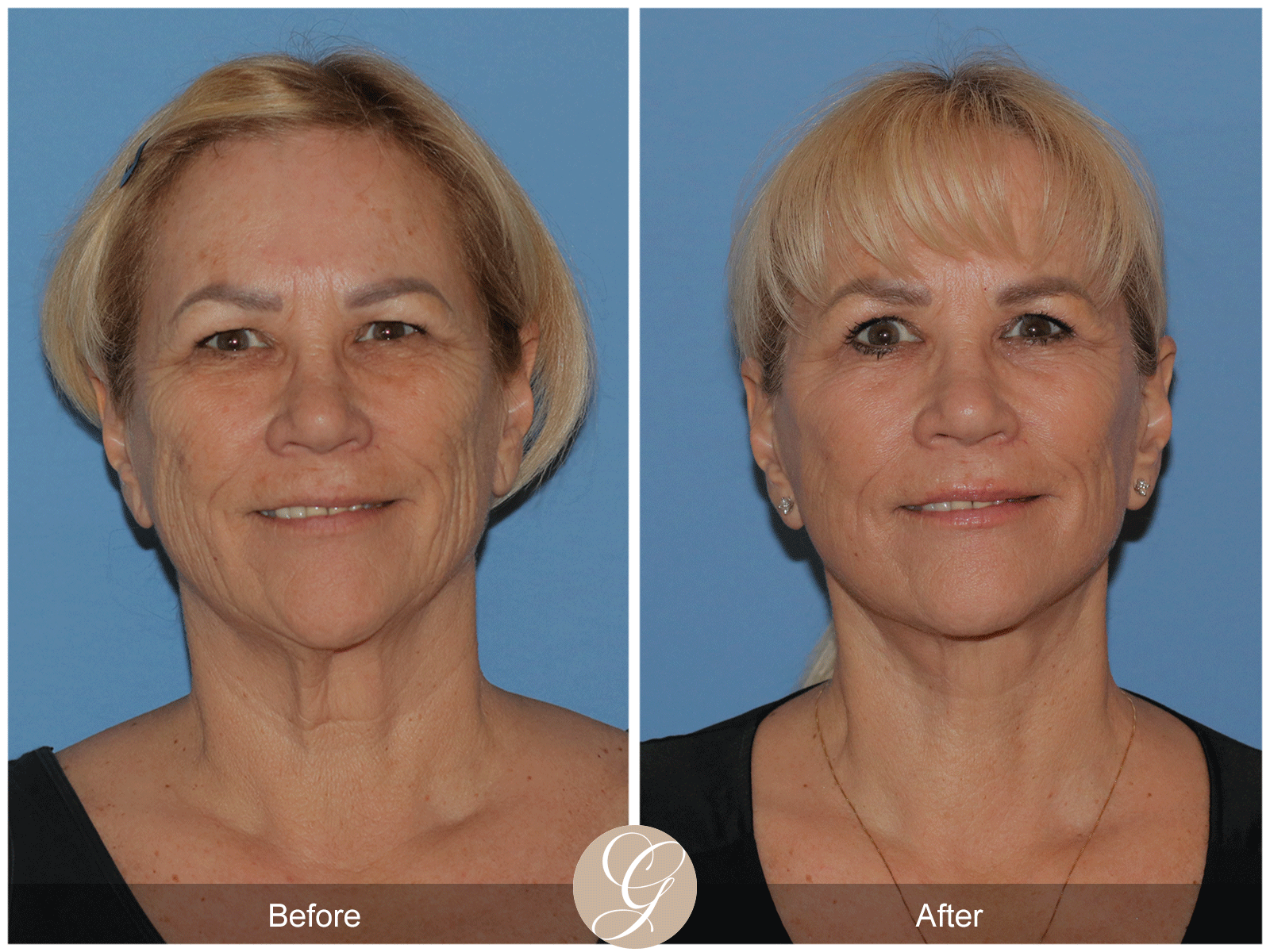
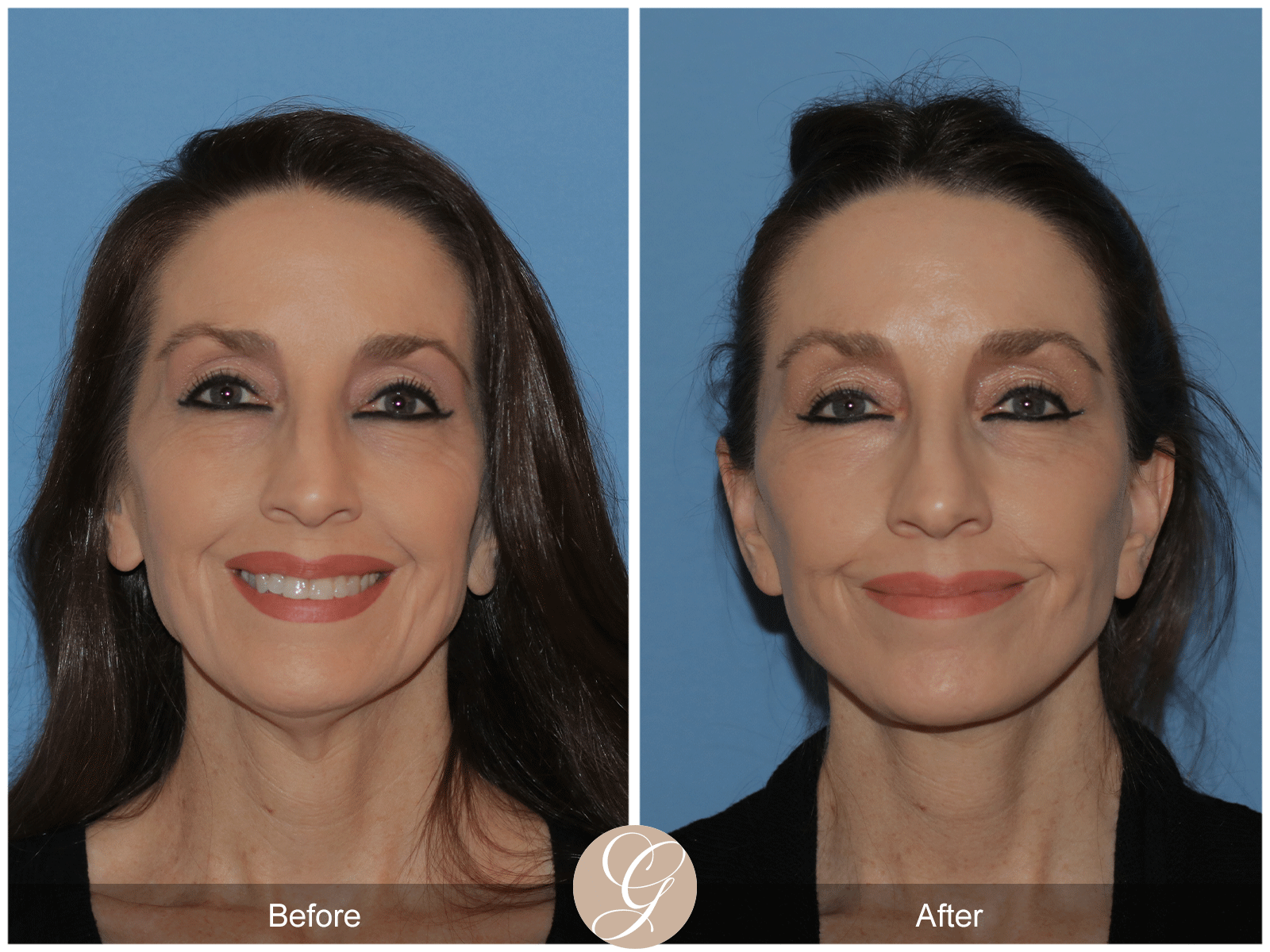
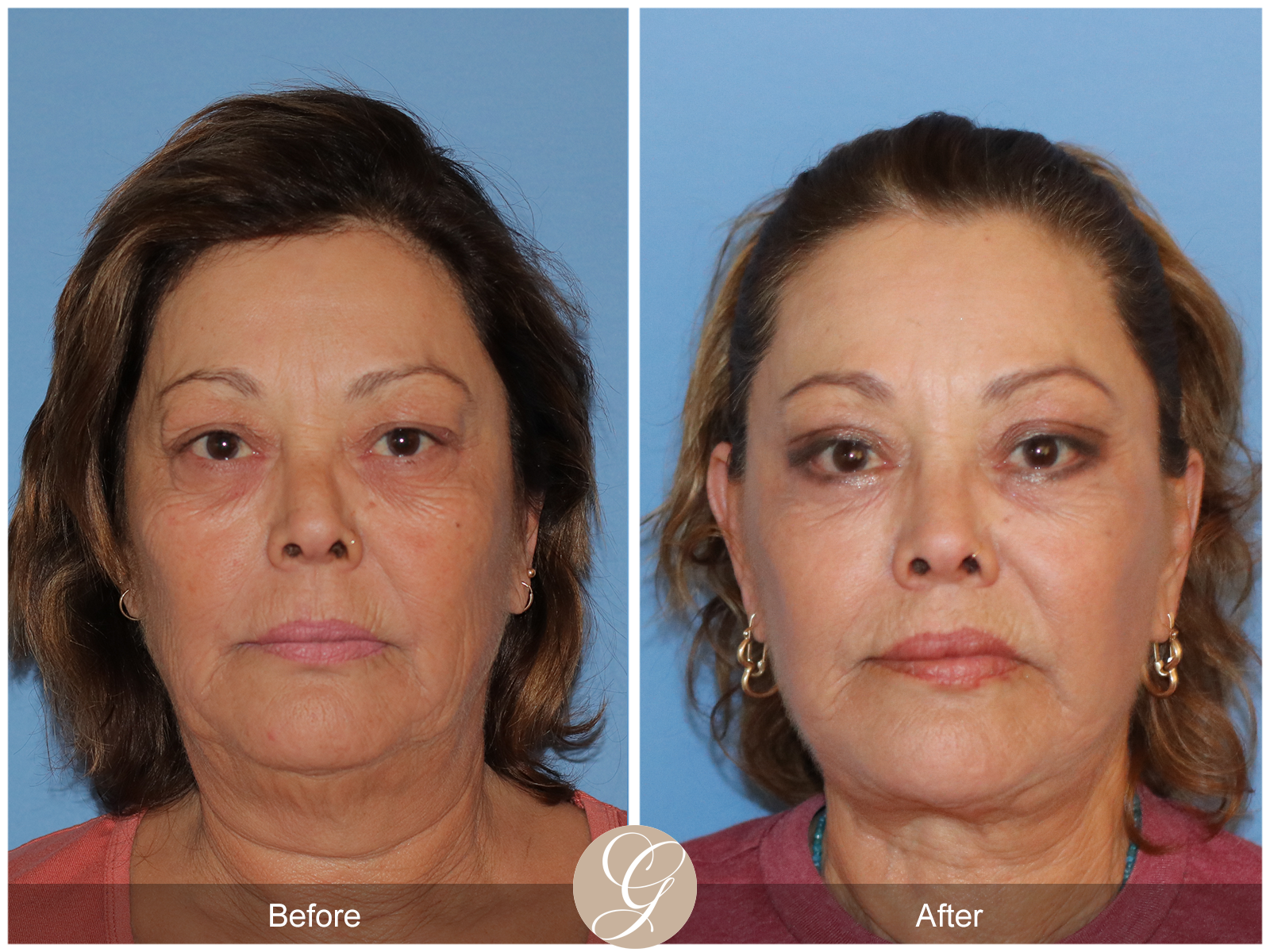
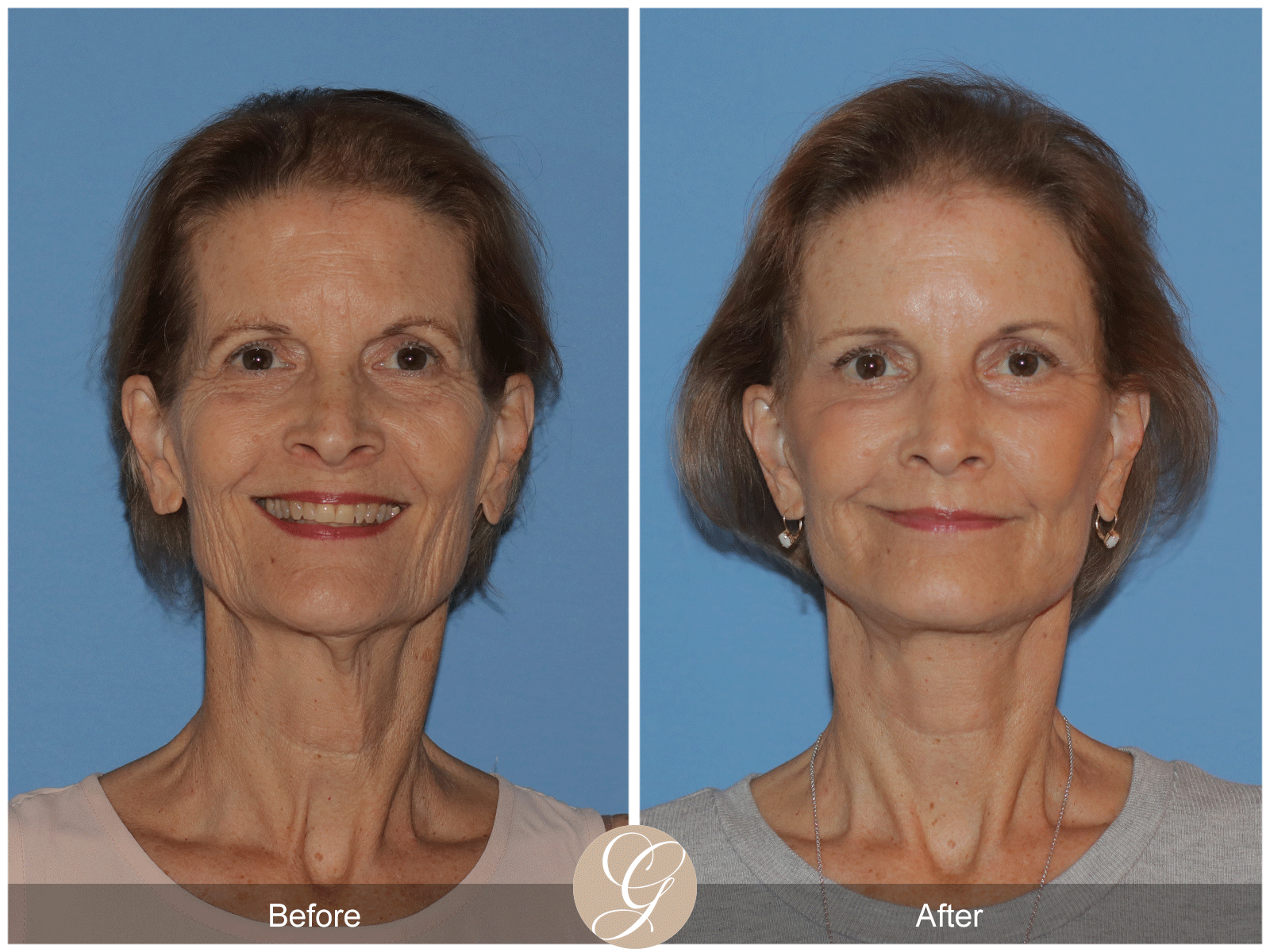
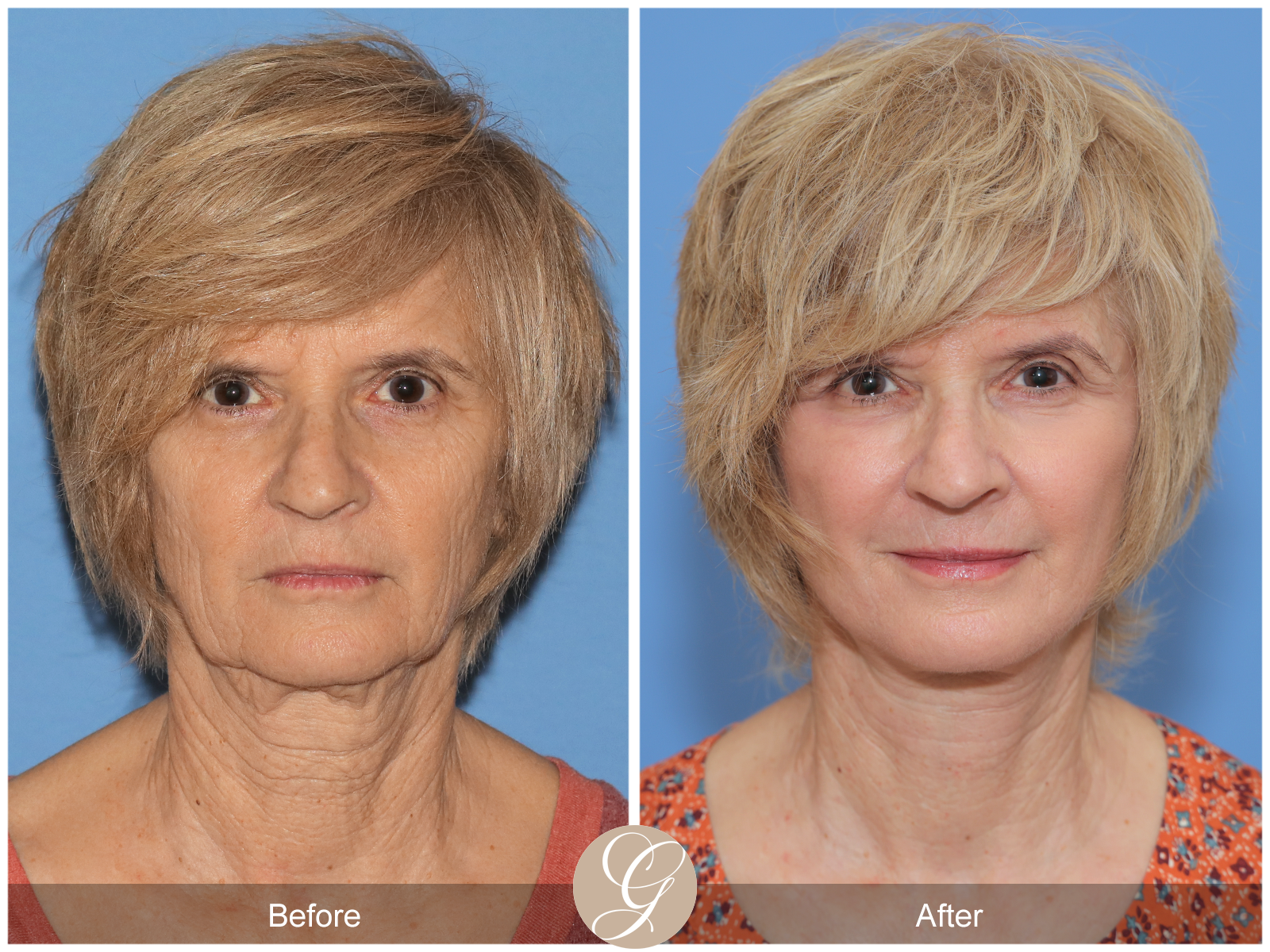
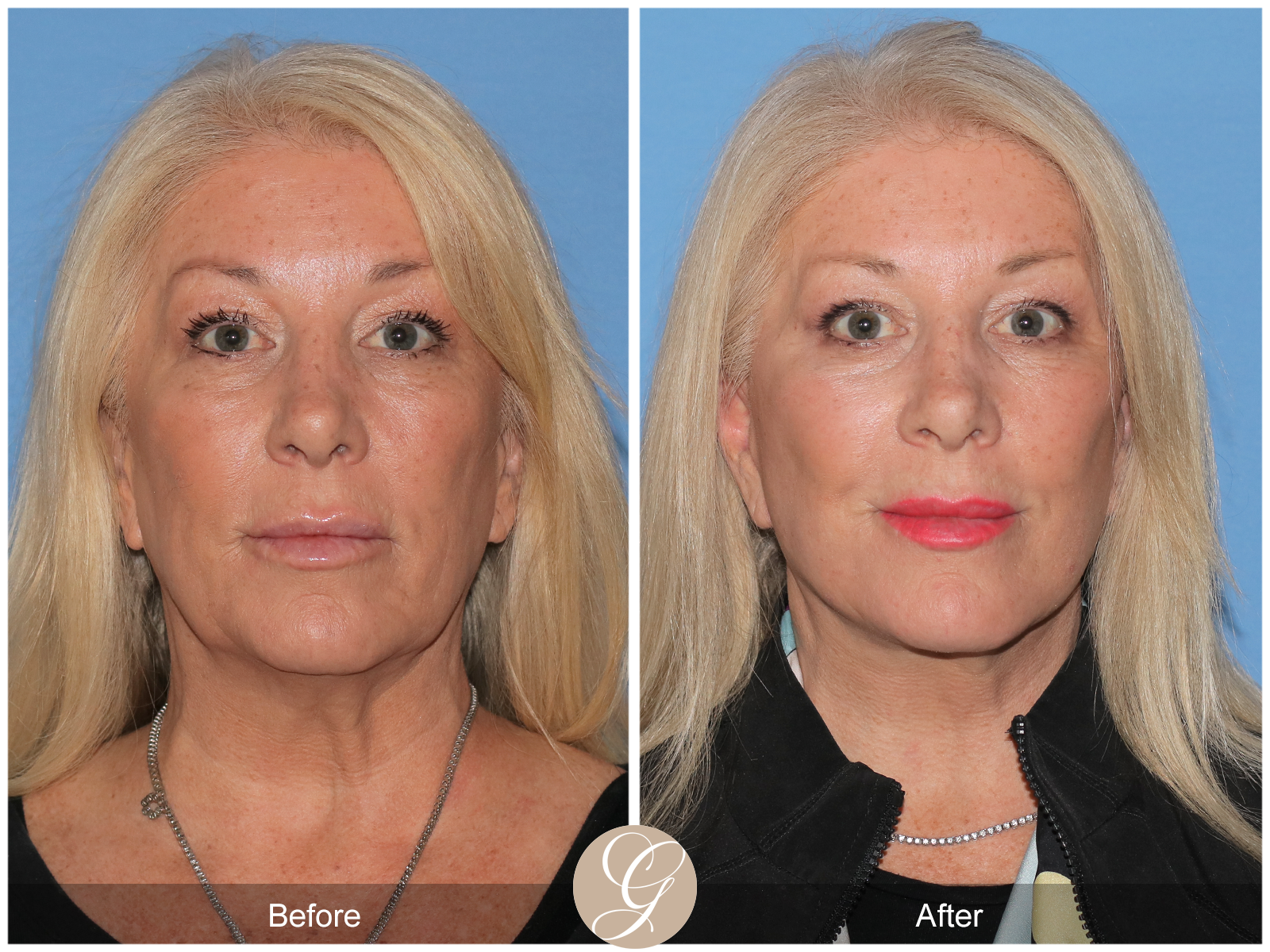
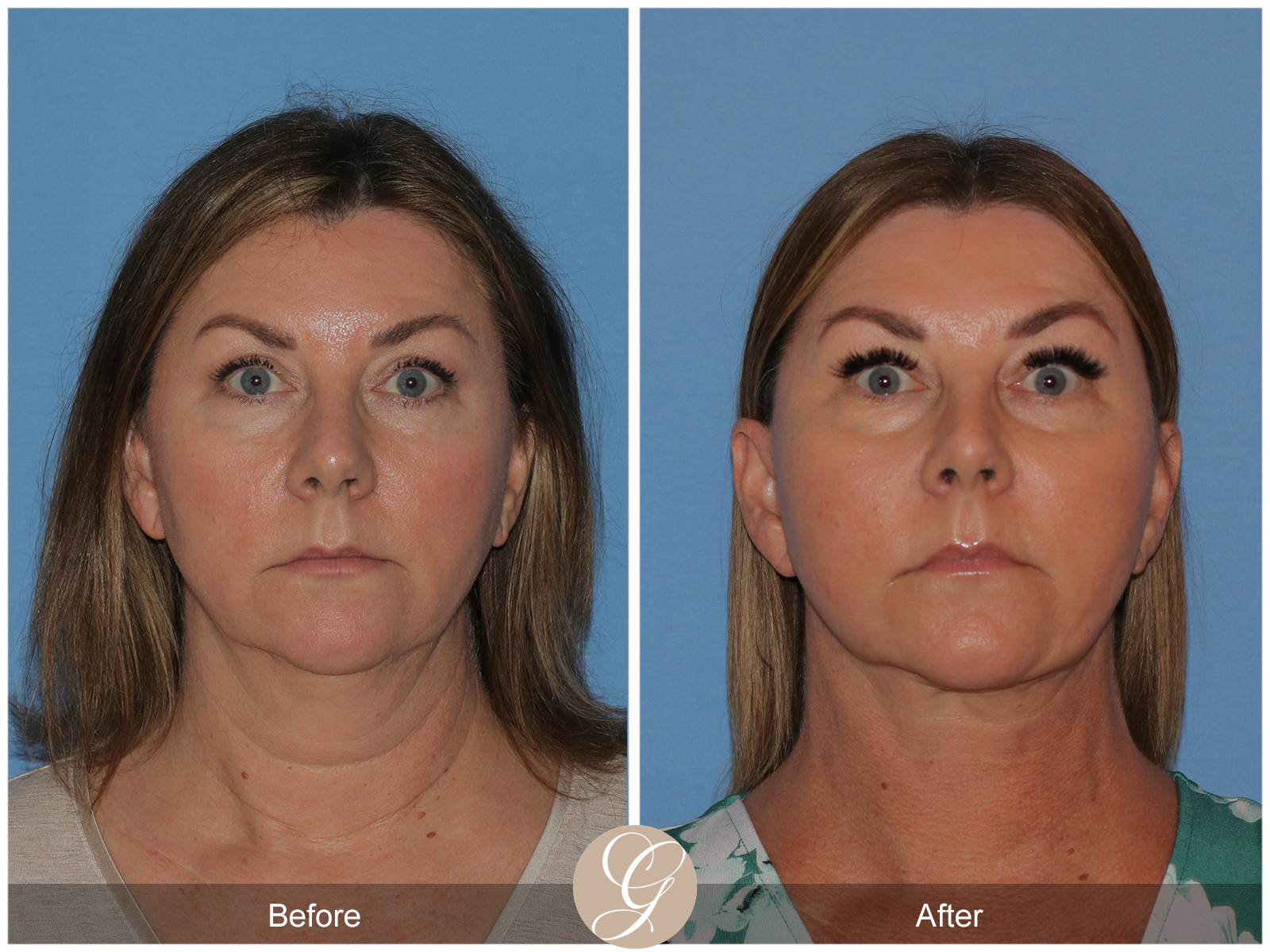
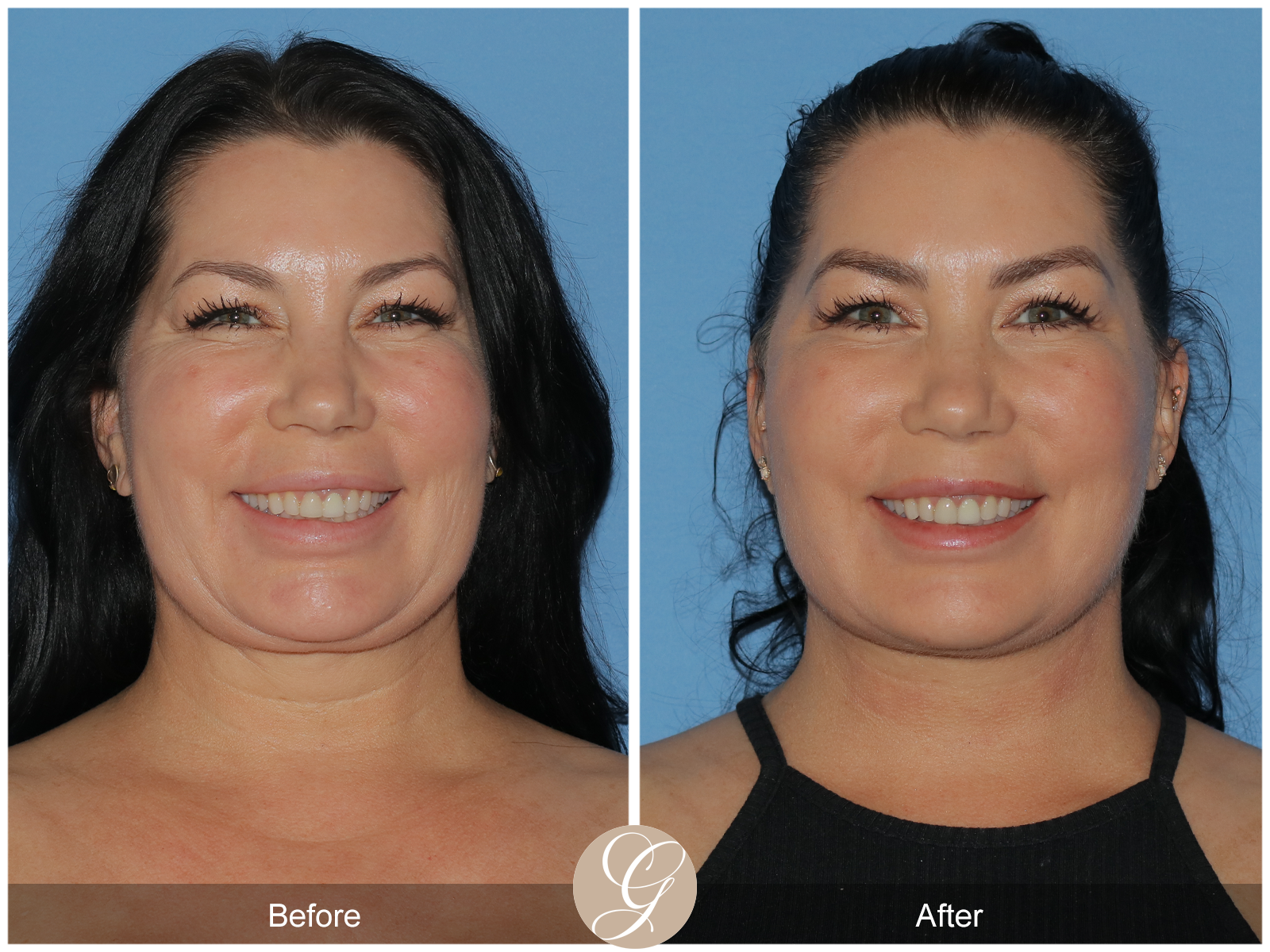
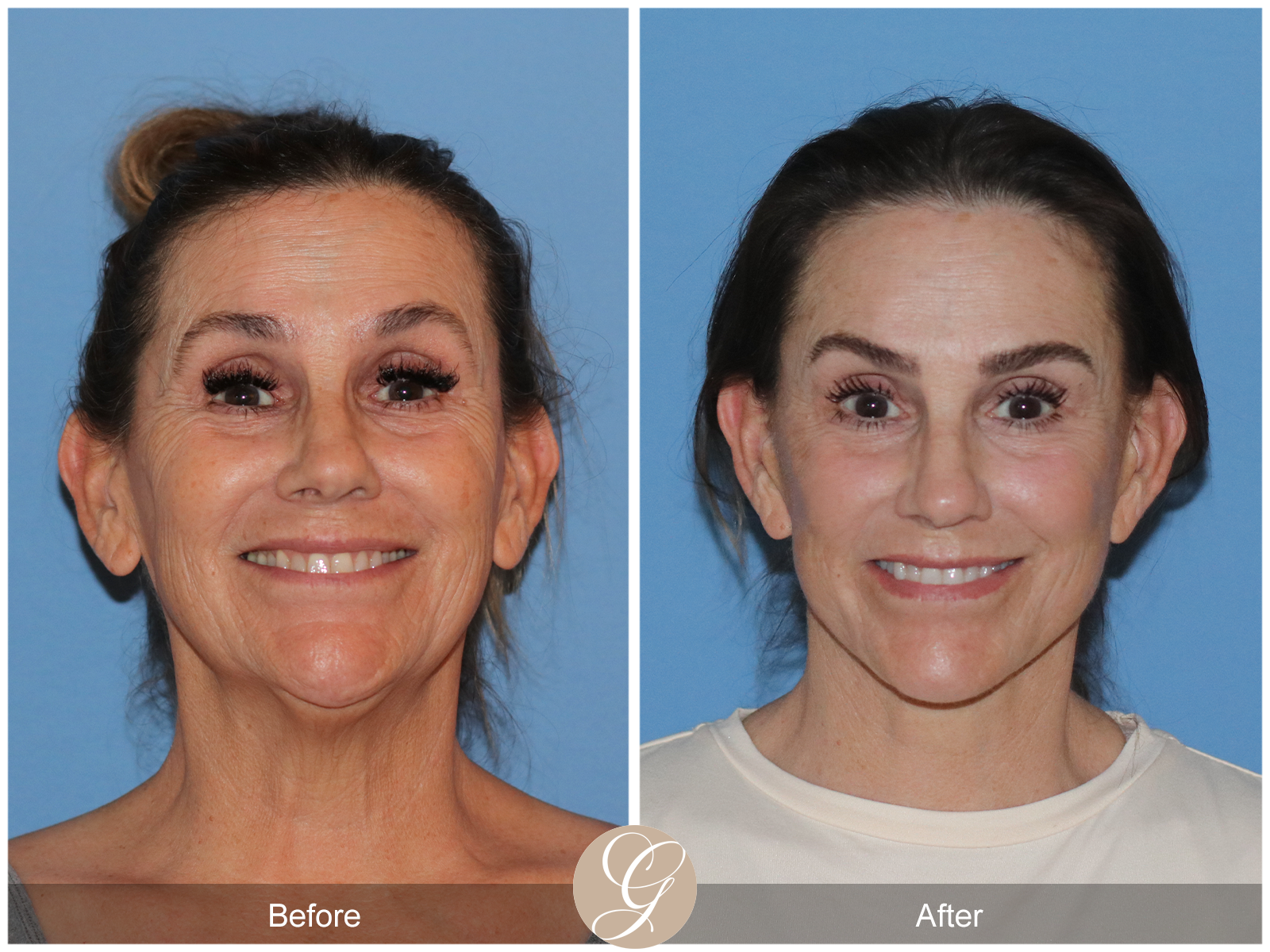
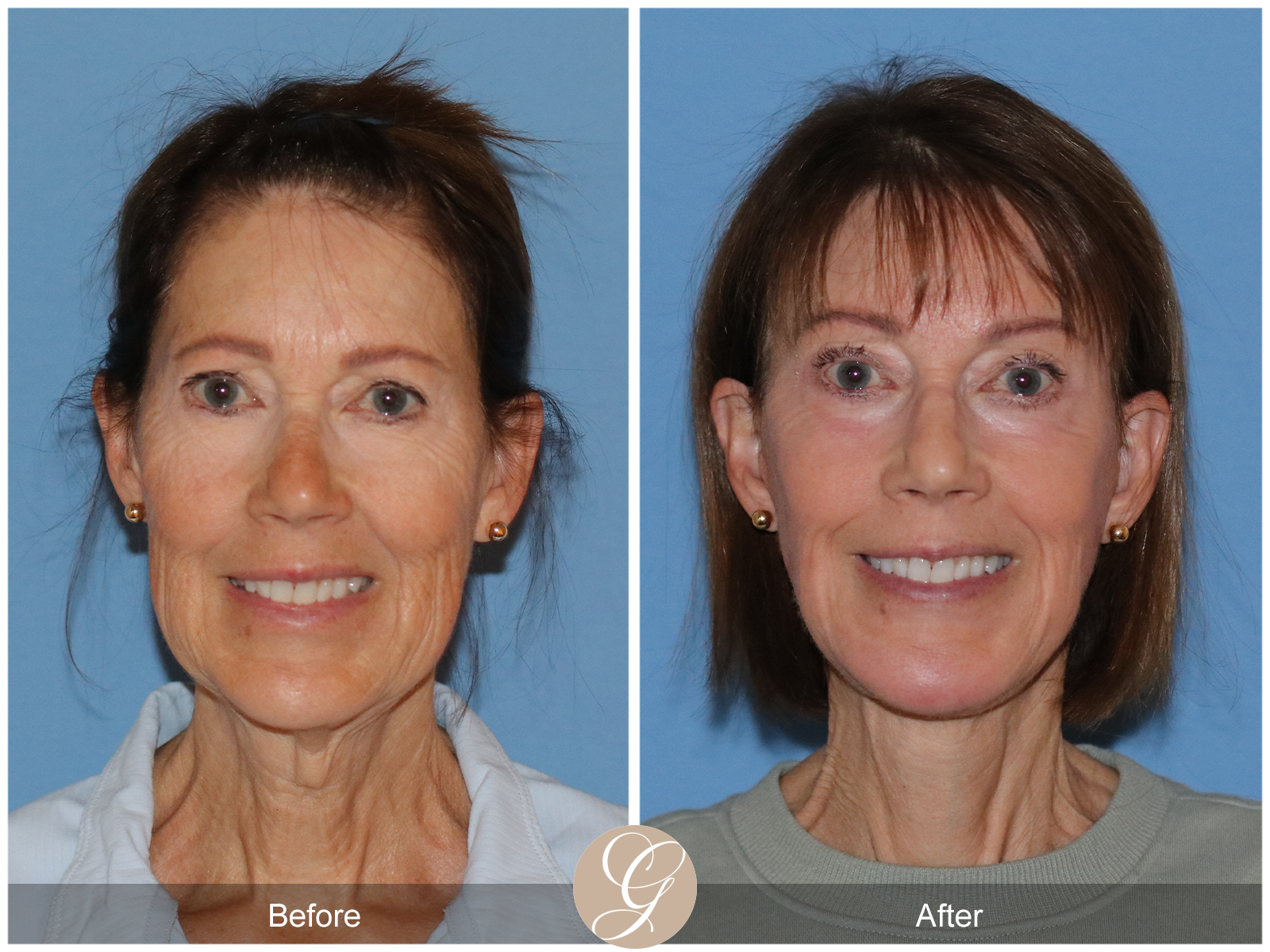
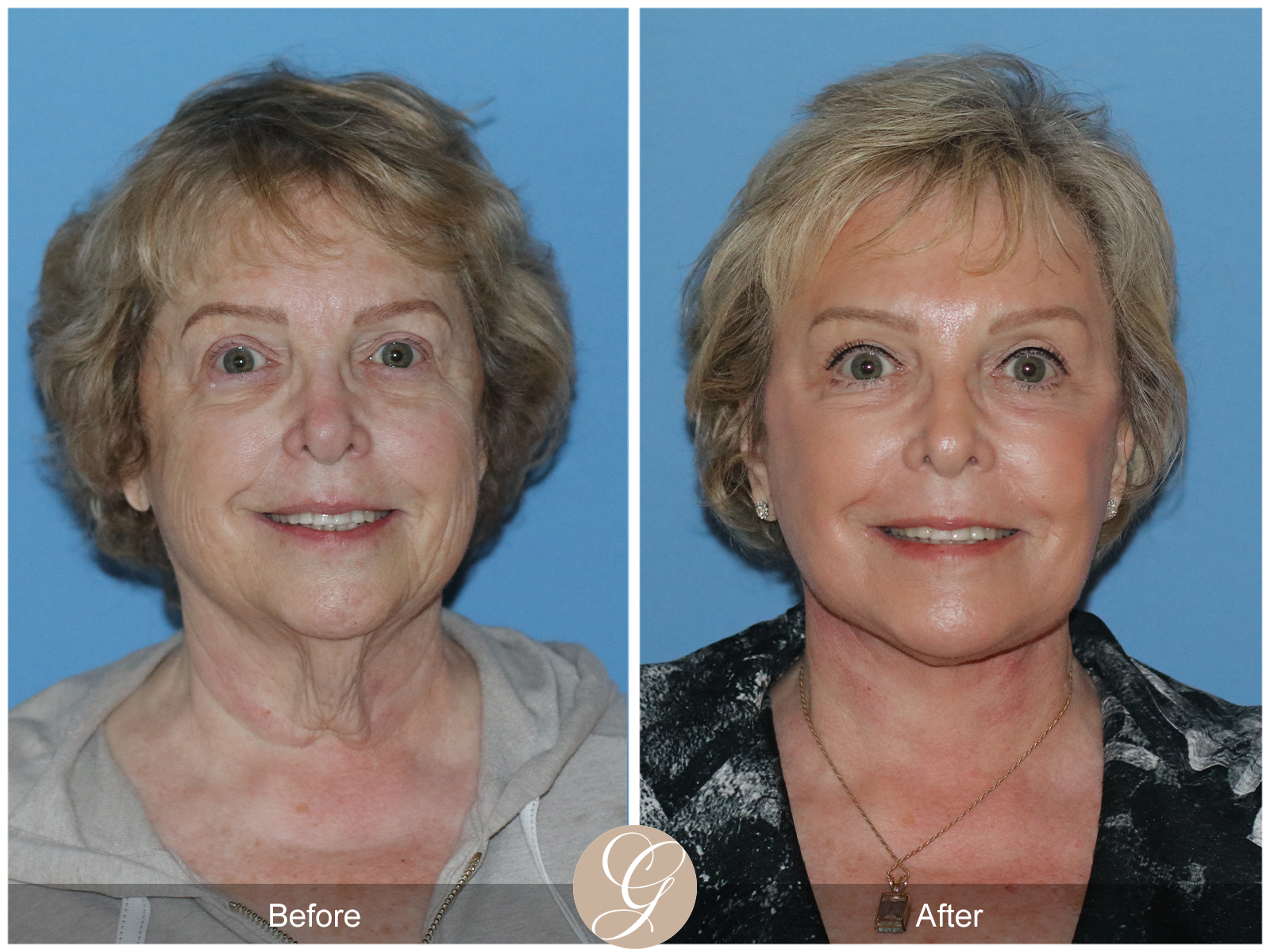
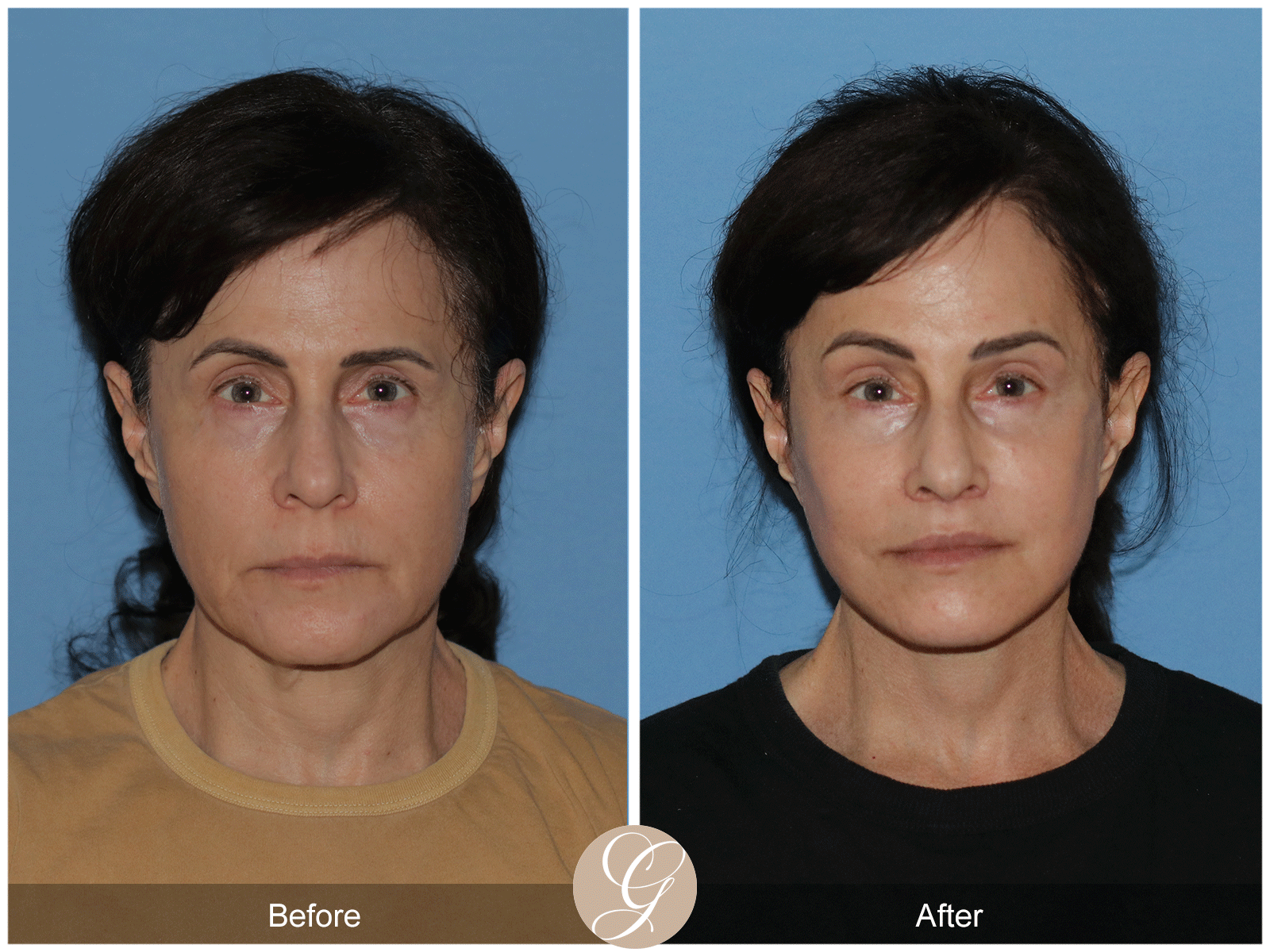
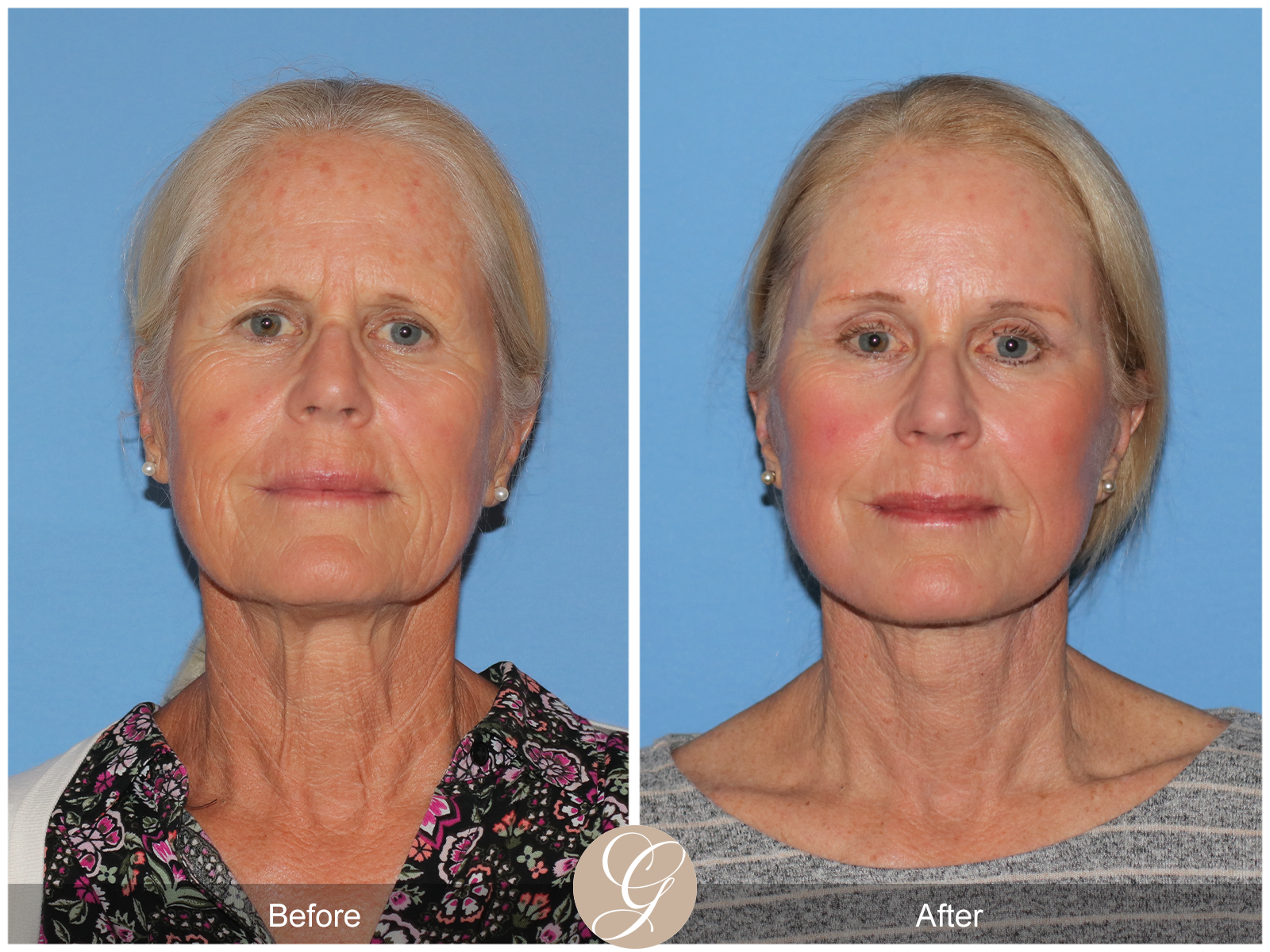
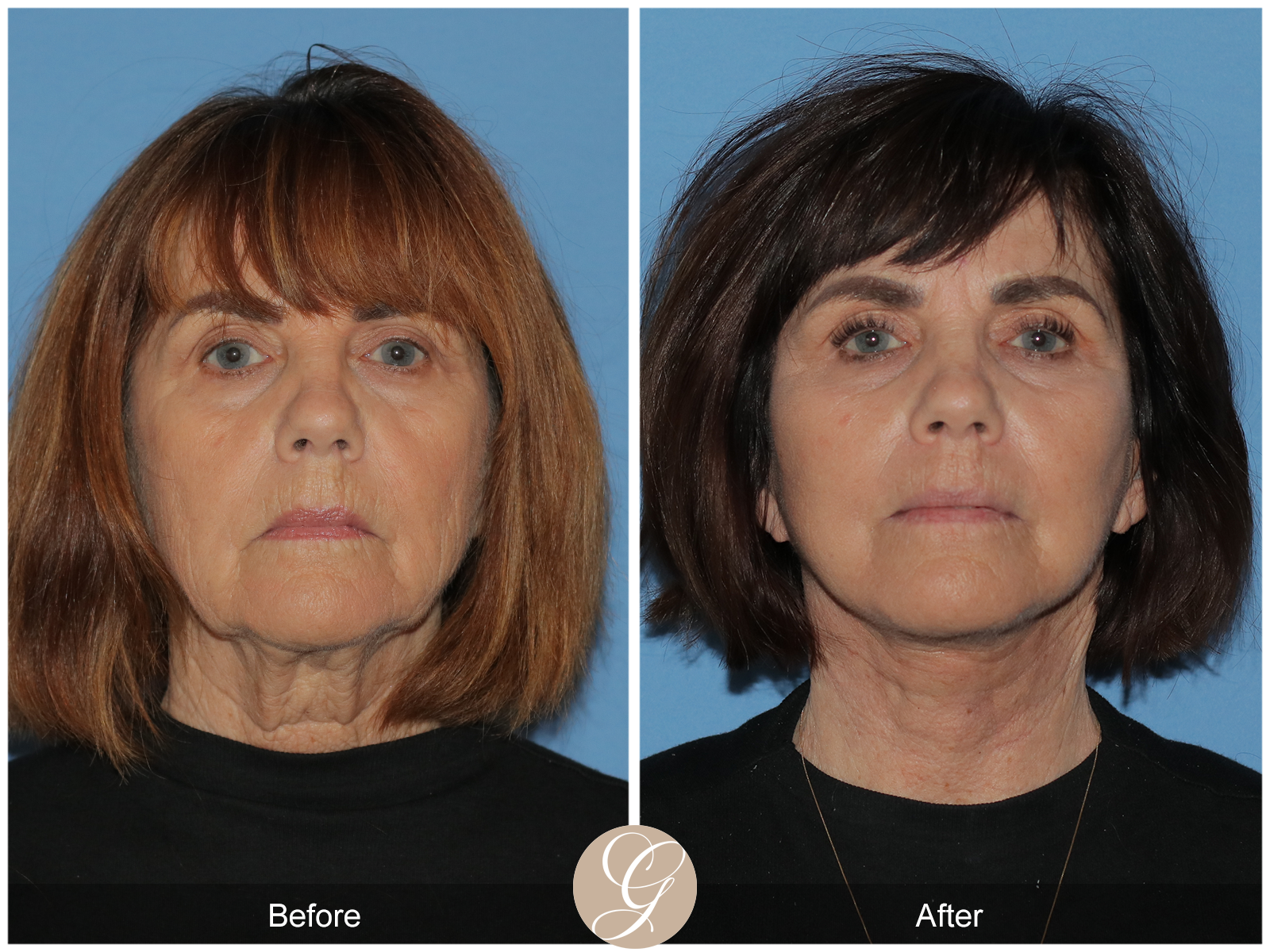
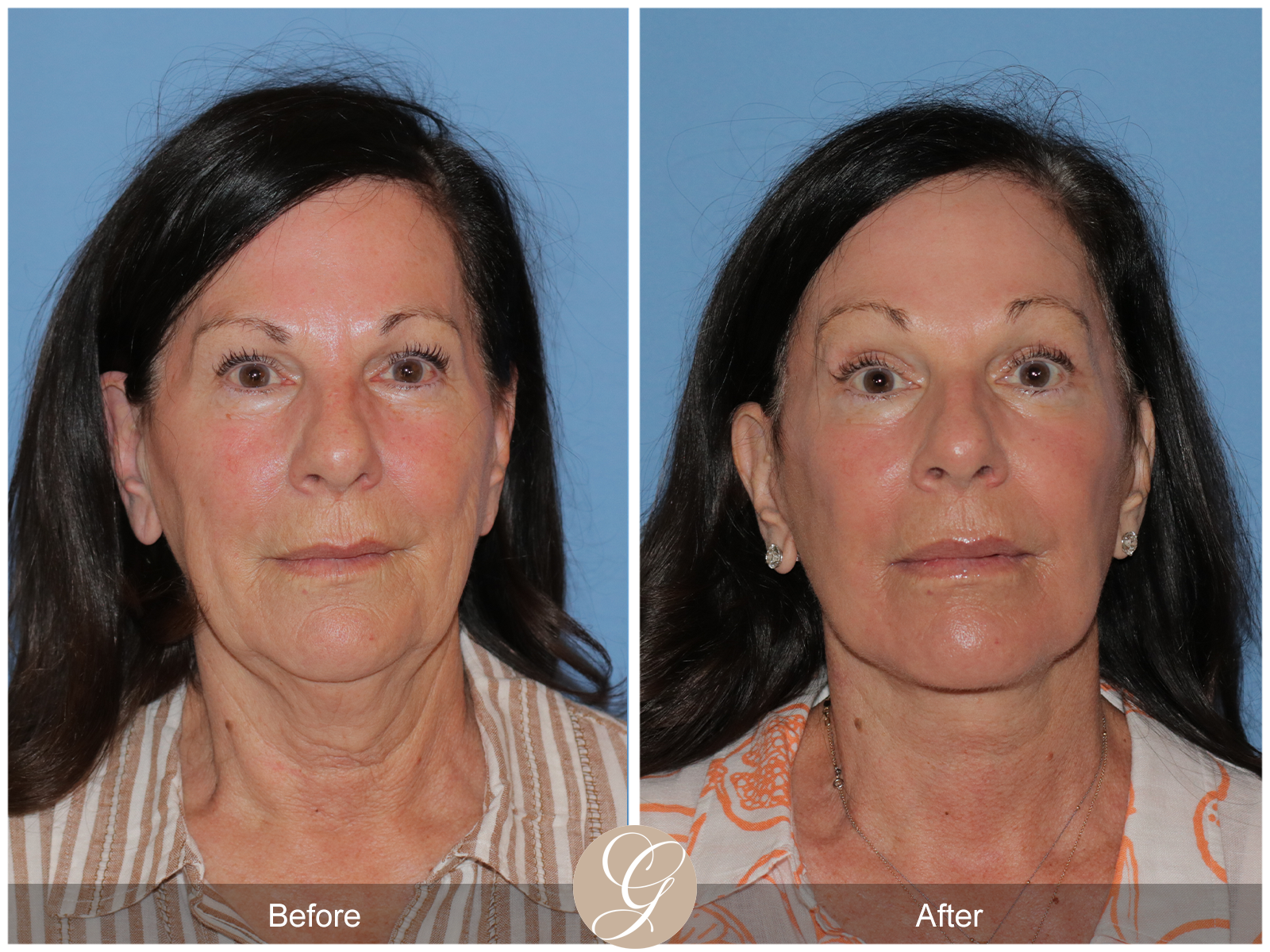
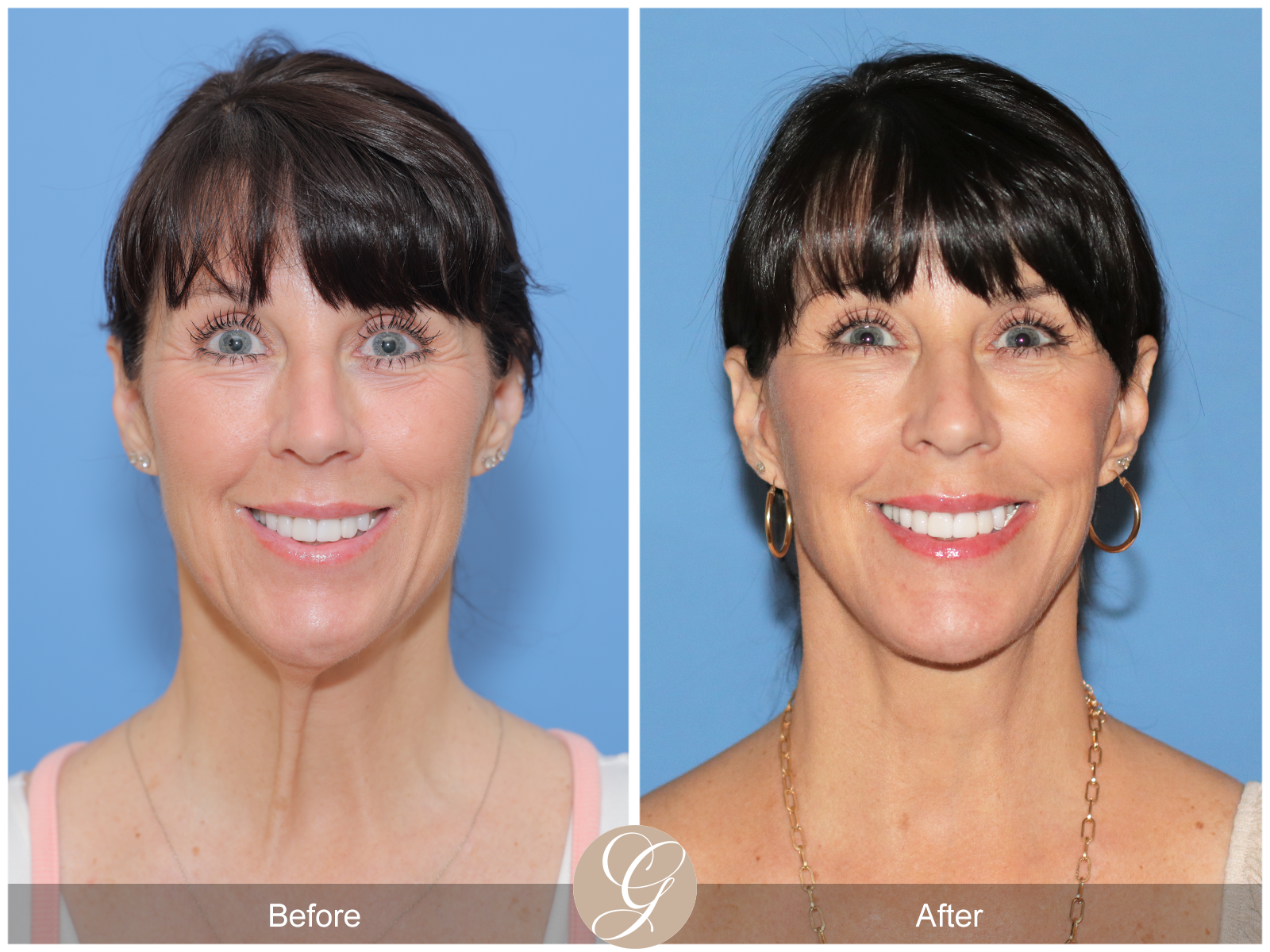
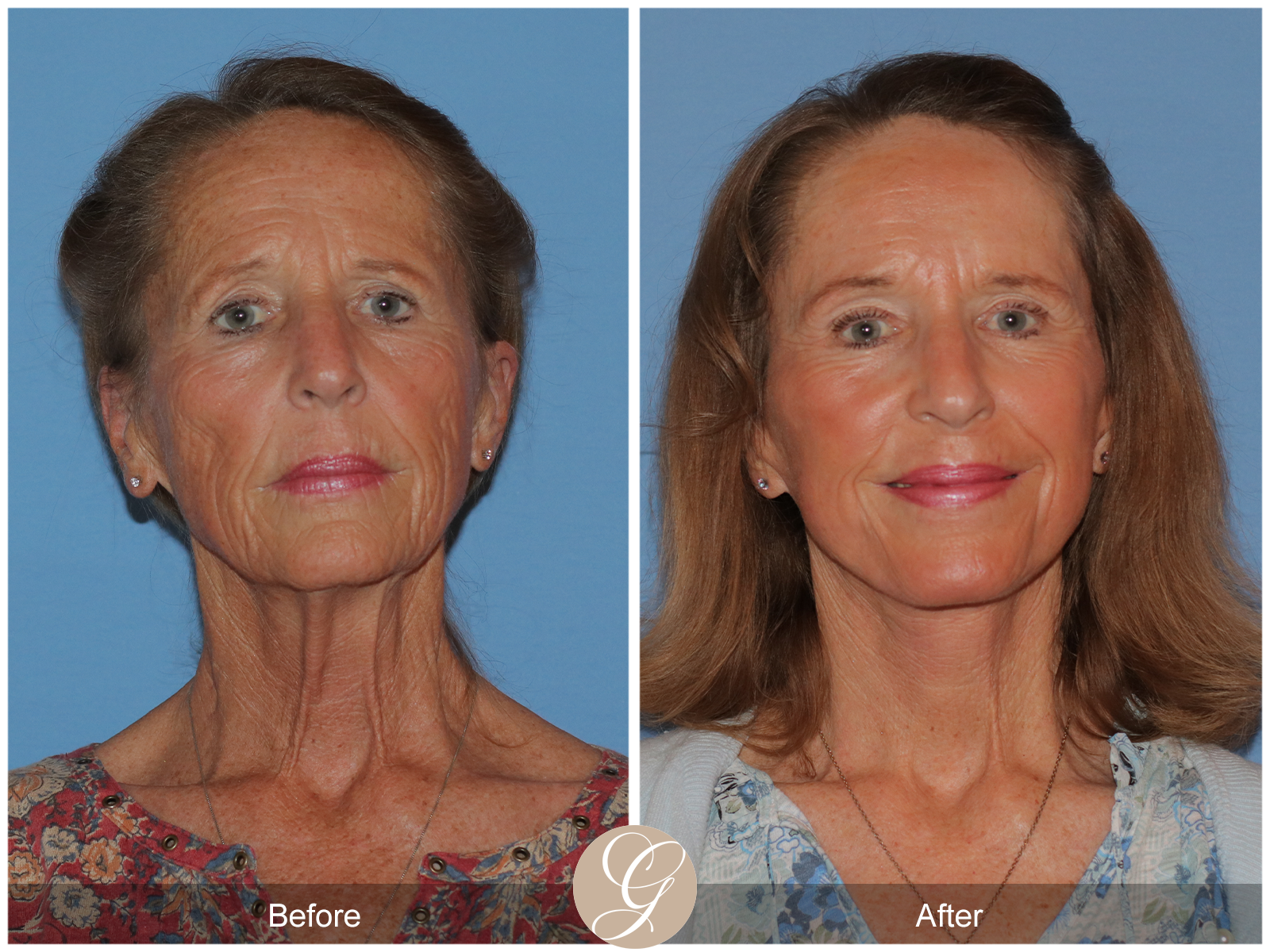
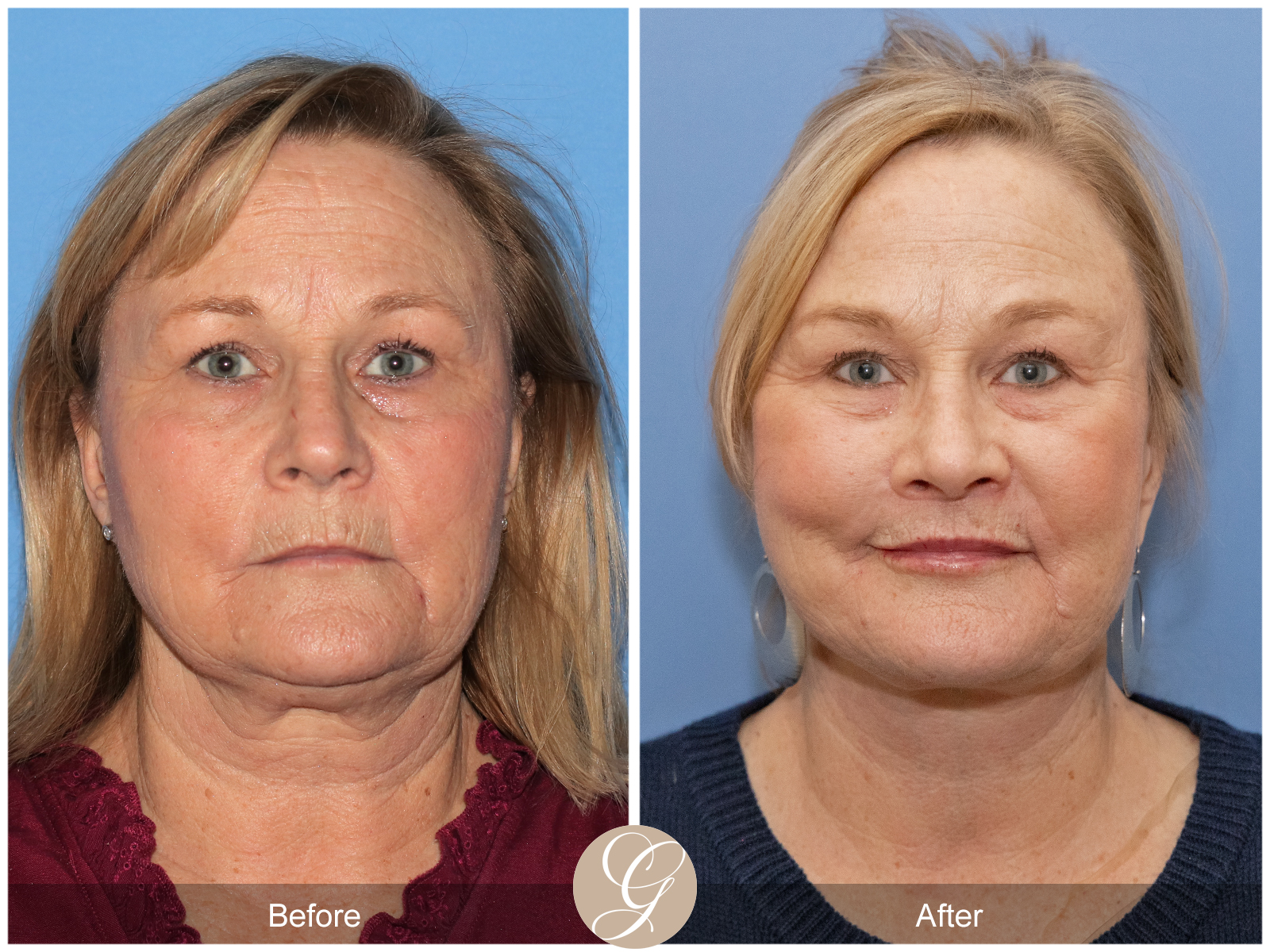
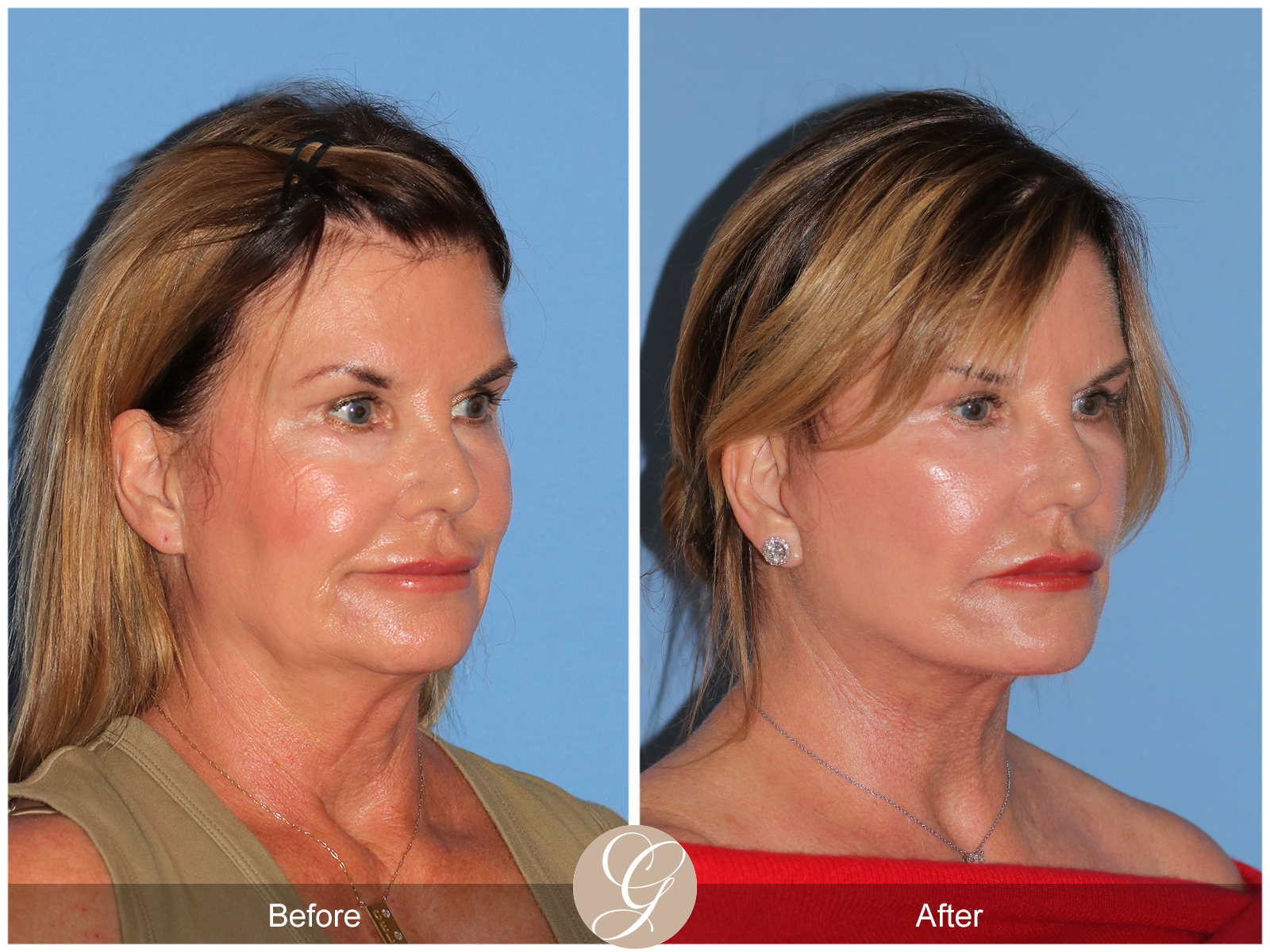
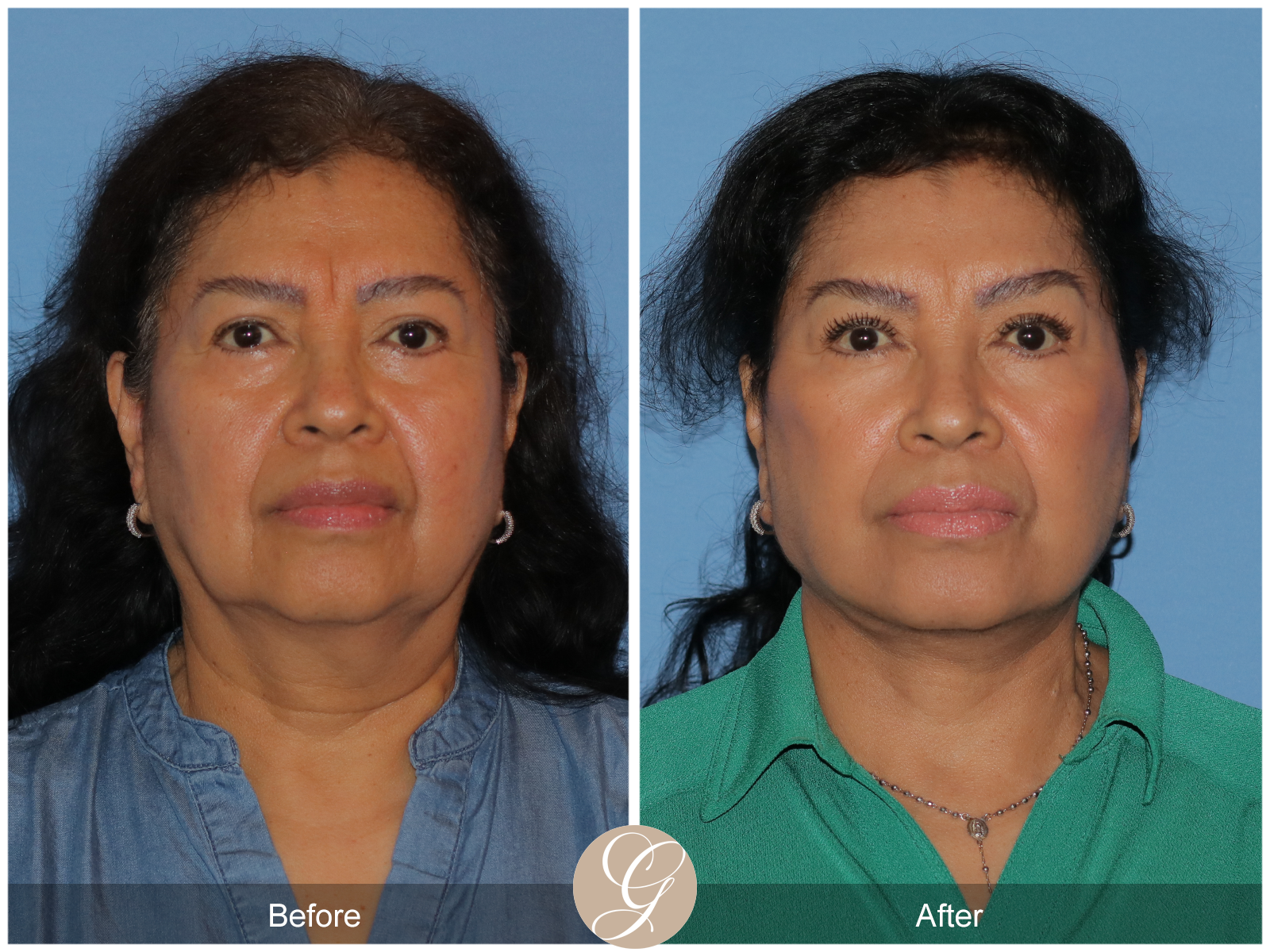
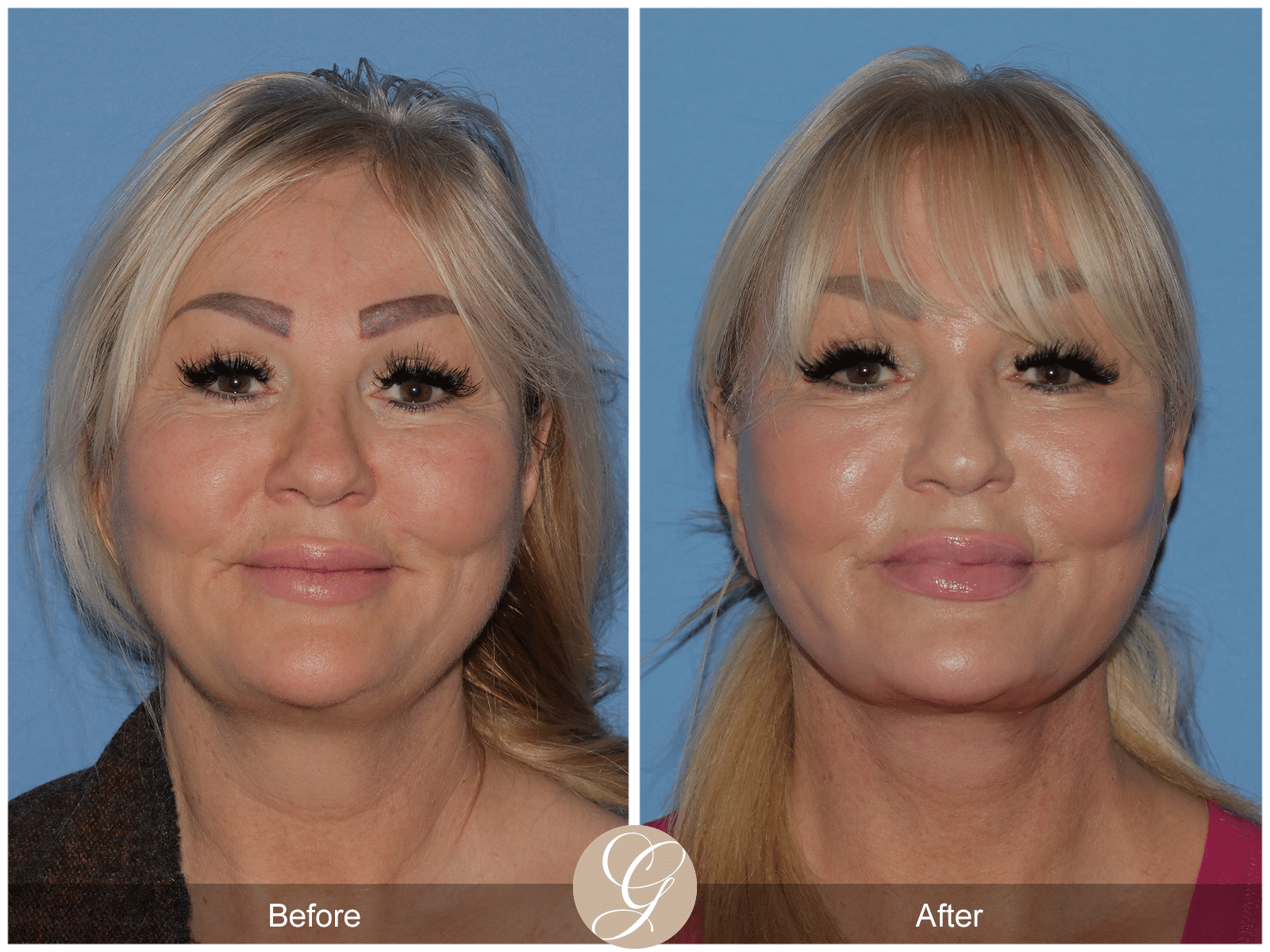
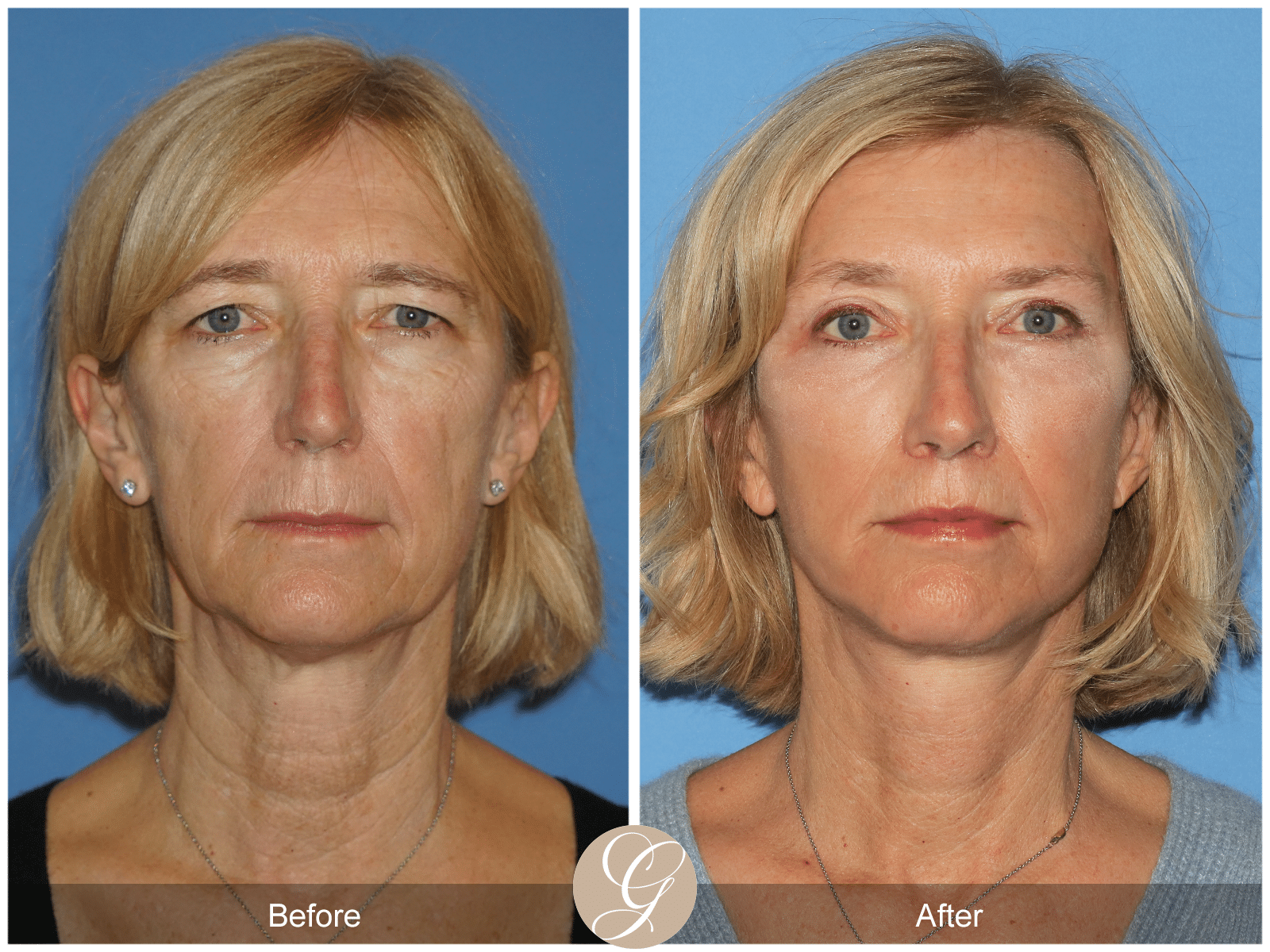
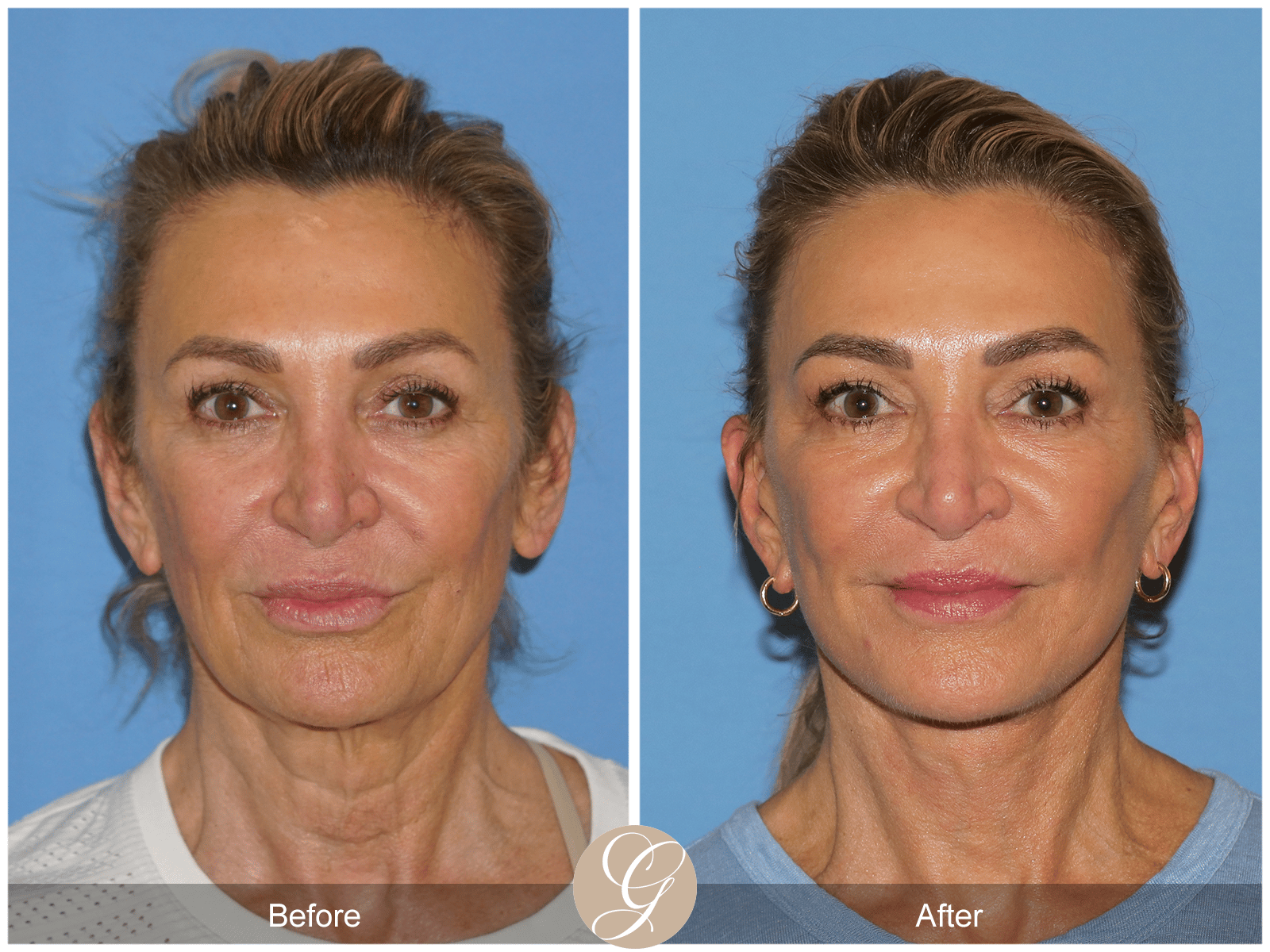
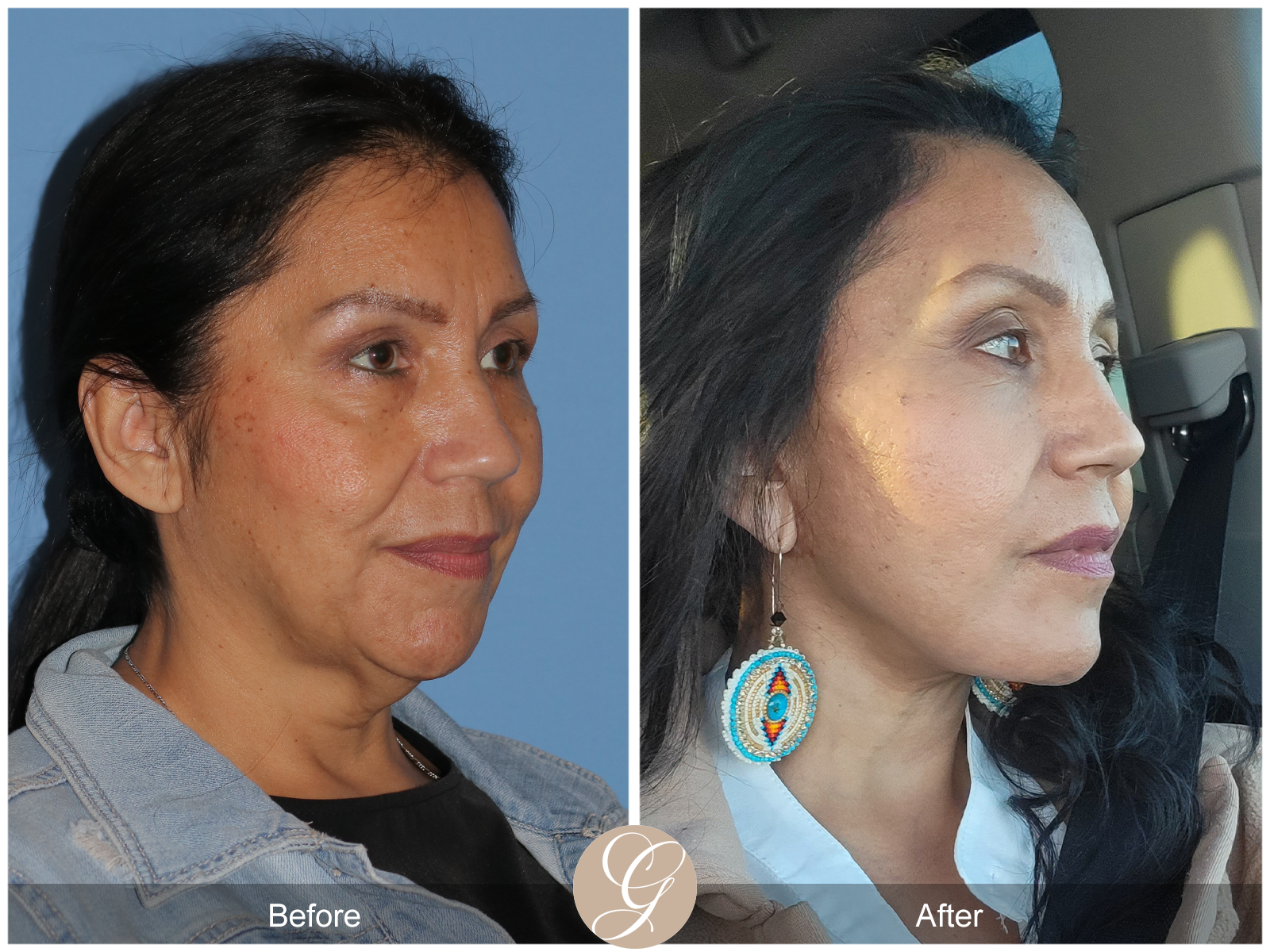
Preservation Deep Plane Facelift,
-
Post Op Timeline:
3 Months
-
Anesthesia:
Local / Twlight
-
Gender:
Female
-
Age:
40-49
-
Ethnicity:
NA
Procedure Description:
How Do You Select a Facelift Surgeon Who Will Protect Your Ethnic Features?
For a 47-year-old Latina patient considering a facelift, her biggest fear isn’t looking older, but of looking unfamiliar. In the hands of a surgeon who doesn’t understand ethnic facial anatomy, a facelift could subtly narrow the nose, thin the cheeks or unnecessarily Westernize certain features. So, the question isn’t just which technique to use, but whether your surgeon appreciates the anatomy of your face.
A good starting point is board certification in facial plastic surgery, plastic surgery or maxillofacial surgery. But it shouldn’t be the end of your consideration. Many of these surgeons spend most of their time doing rhinoplasty, reconstructive surgery, breast and body surgery. A facelift would be a small part of that. Rather than asking how many procedures they do in a year, ask how many facelifts they’ve done. Through repetition of this one procedure, they’ll develop a sense of what needs to be done in your face. And it’s only through that process that they’ll realize, for example, what in your face doesn’t need changing.
Don’t rely on advertising to judge a surgeon. Instead, look at outcomes. And ideally, look at photos of a patient at least six months or a year after surgery, when swelling has gone down and it becomes clearer what kind of lift they did. Don’t just look at beautiful “after” photos taken weeks after surgery.
Does this surgeon do a deep plane lift, meaning he repositions underlying facial structures? Or is it really a SMAS lift, but one he’s describing in other terms? A good indicator of a surgeon’s expertise is teaching credentials and published work.
More importantly, if your surgeon understands your ethnic features, he could tell you what your face needs and, just as importantly, what it doesn’t. He’d protect, for example, the fullness, proportions and bone structure of your face. That’s what makes your face unmistakably yours.
Keep Browsing Our Gallery