Gallery of Cosmetic Surgery
 Aesthetic Lounge


Procedures:
Deep Plane Facelift,
-
Surgeon:
-
Post Op Timeline:
2 Months
-
Anesthesia:
Local / Twlight
-
Gender:
Female
-
Age:
50-59
-
Ethnicity:
NA
Procedure Description:
Does Deep Plane Facelift Surgery Hurt? What About Recovery Pain?
Most patients are surprised to learn that it’s not discomfort but rather patience that is the challenge of a deep-plane facelift. Under twilight anesthesia, patients feel nothing during the surgery while completely asleep. And in the days that follow, they’re more likely to feel pressure, tightness and swelling than pain. In the days immediately after surgery, most patients need over the counter pain medication. But time is needed. Socially, most people feel ready within two weeks of a deep plane facelift. And only at 9 to 12 months do we see the full result of a deep plane facelift (see our facelift rapid recovery guide). If a patient expects an immediate change from a mini facelift, they may well find this lengthy time period more problematic.
There are technical reasons a deep-plane facelift is more demanding than most other superficial facelift techniques. In particular, a deep plane facelift the surgeon works very close to the facial nerve by lifting the deep layer which has caused the laxity of the face and neck. This kind of surgery needs more experience surgeon who has done the procedure thousands of times, knowing variations in each patient. An expert surgeon will have all the tools you need to make your recovery as smooth as possible while giving you an amazing result.
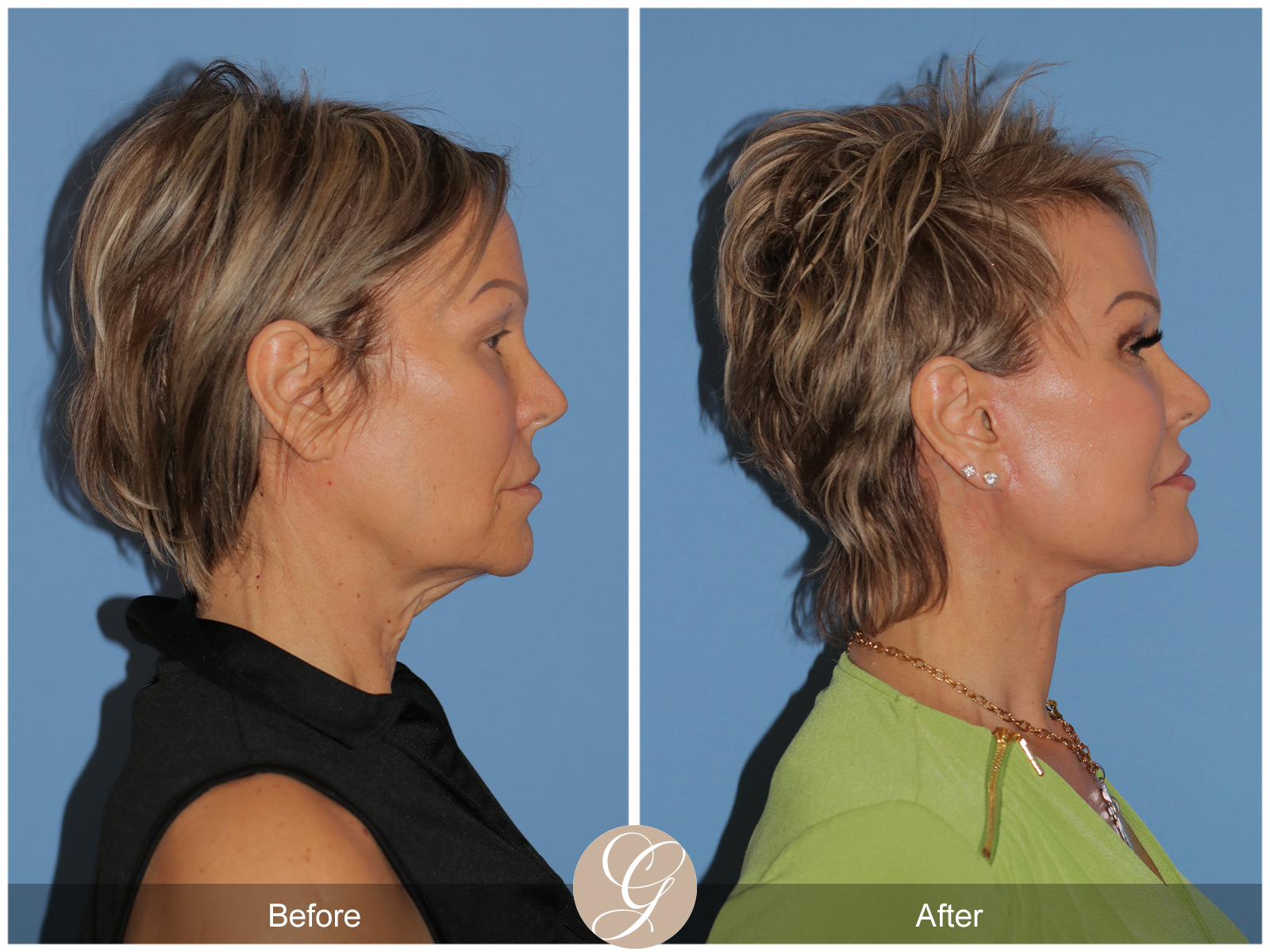
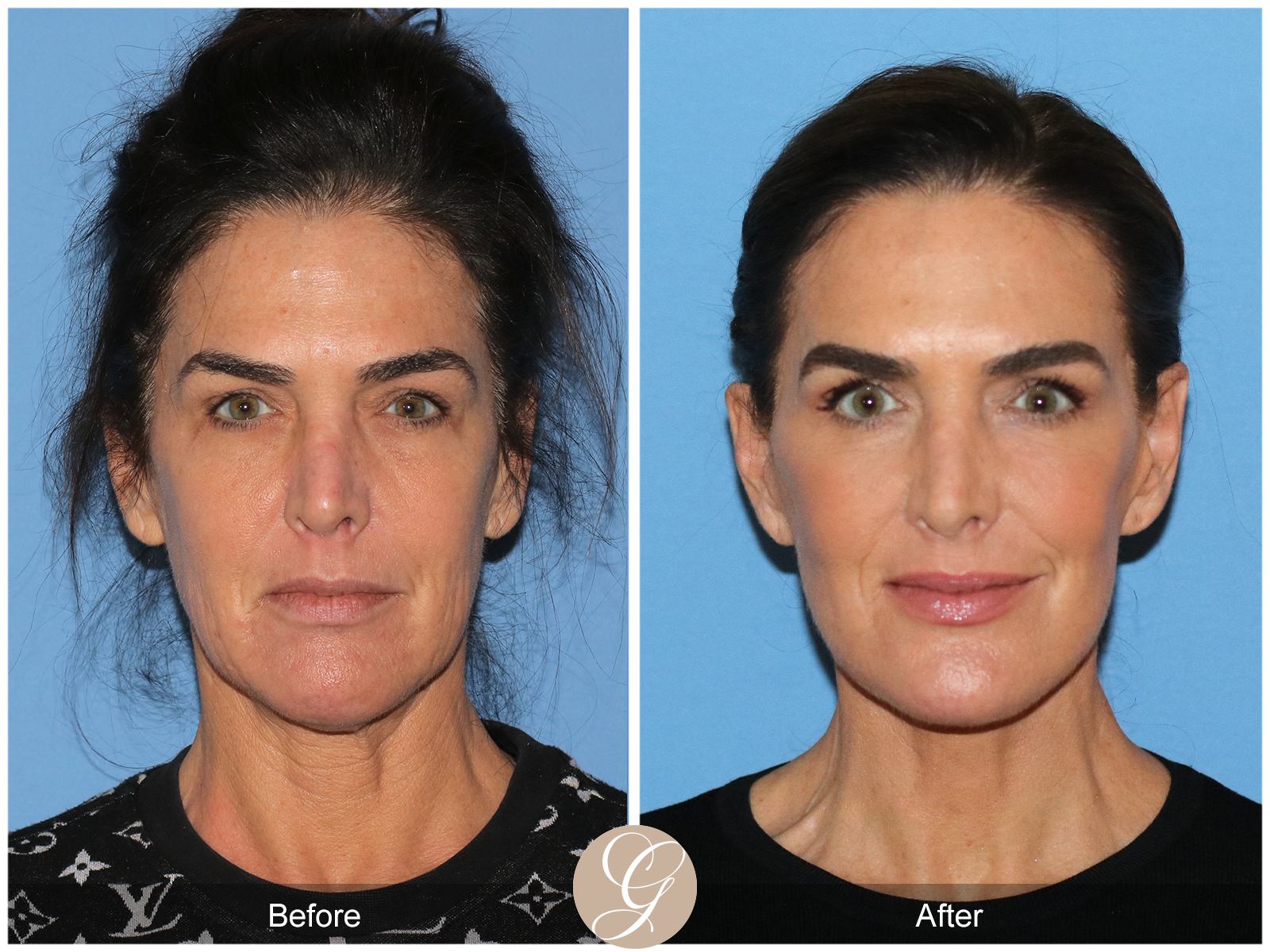
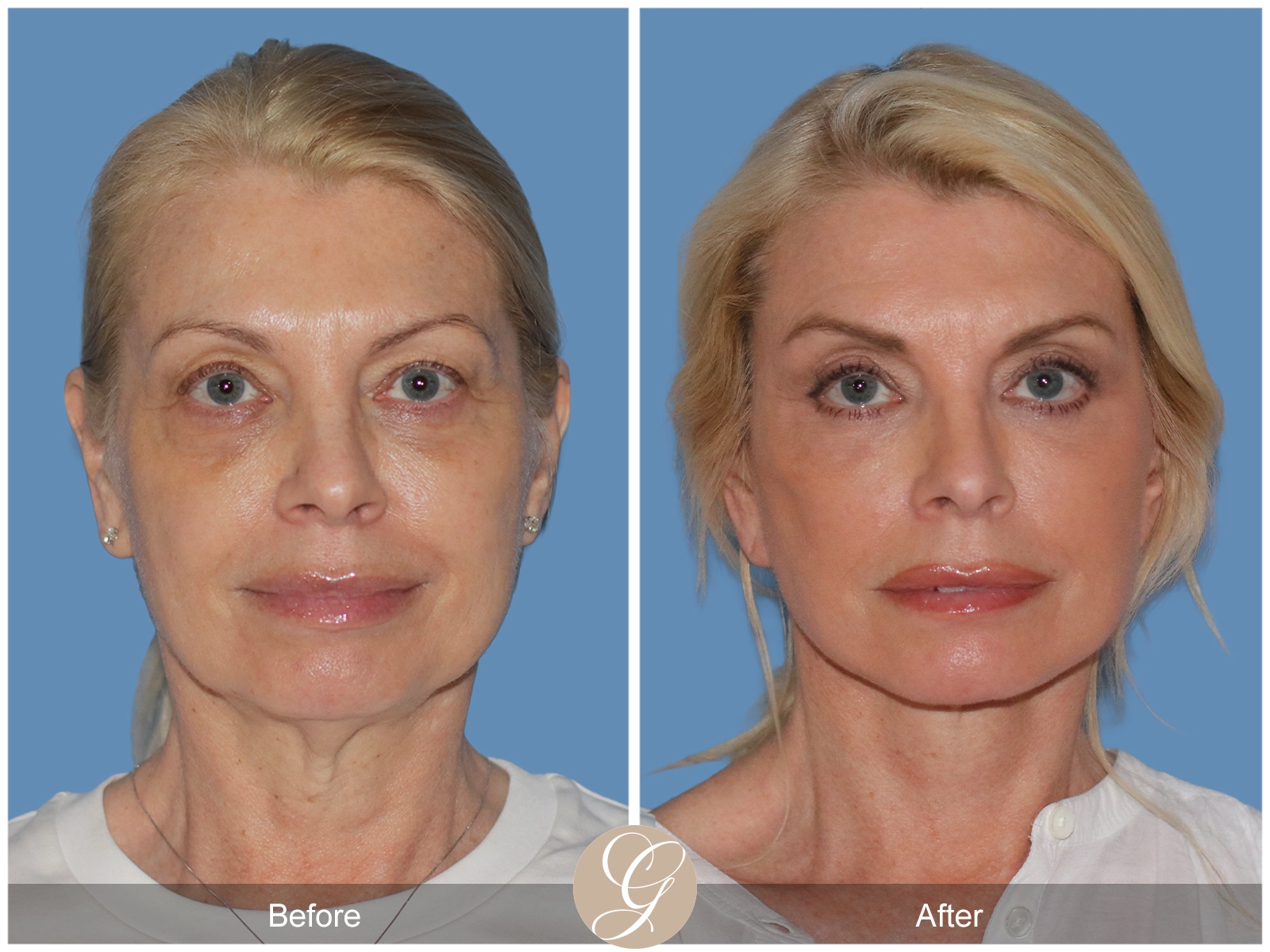
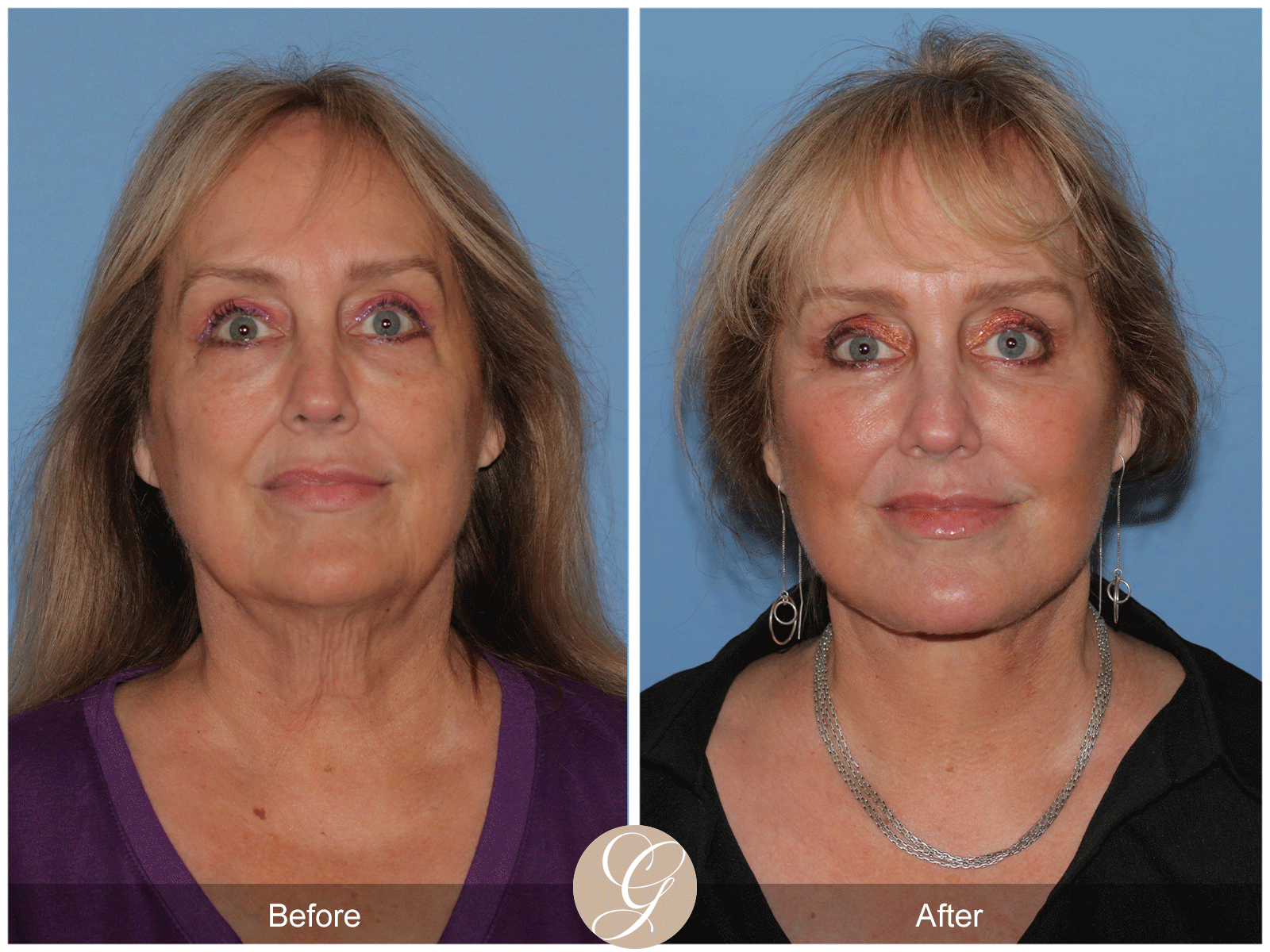
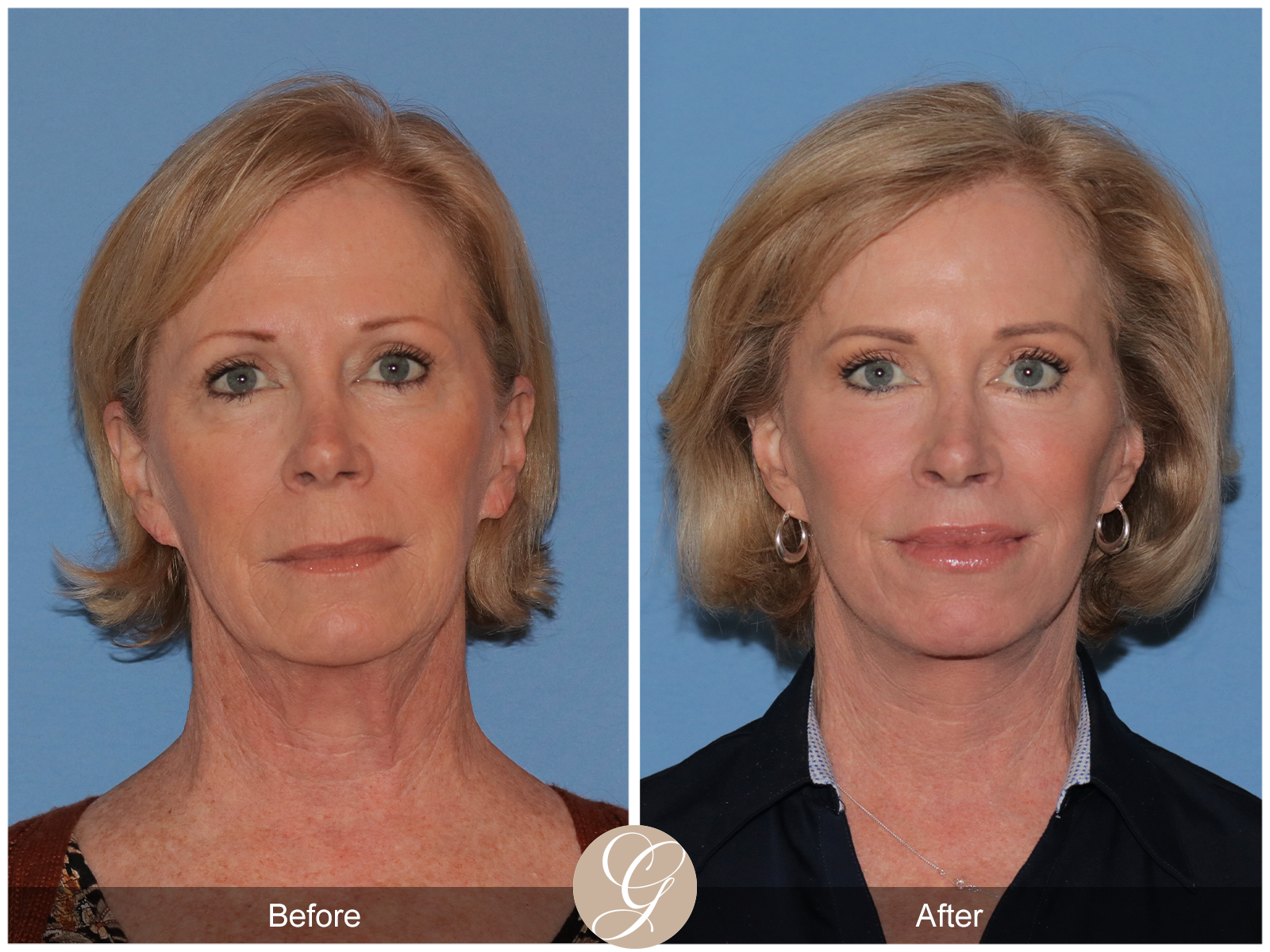
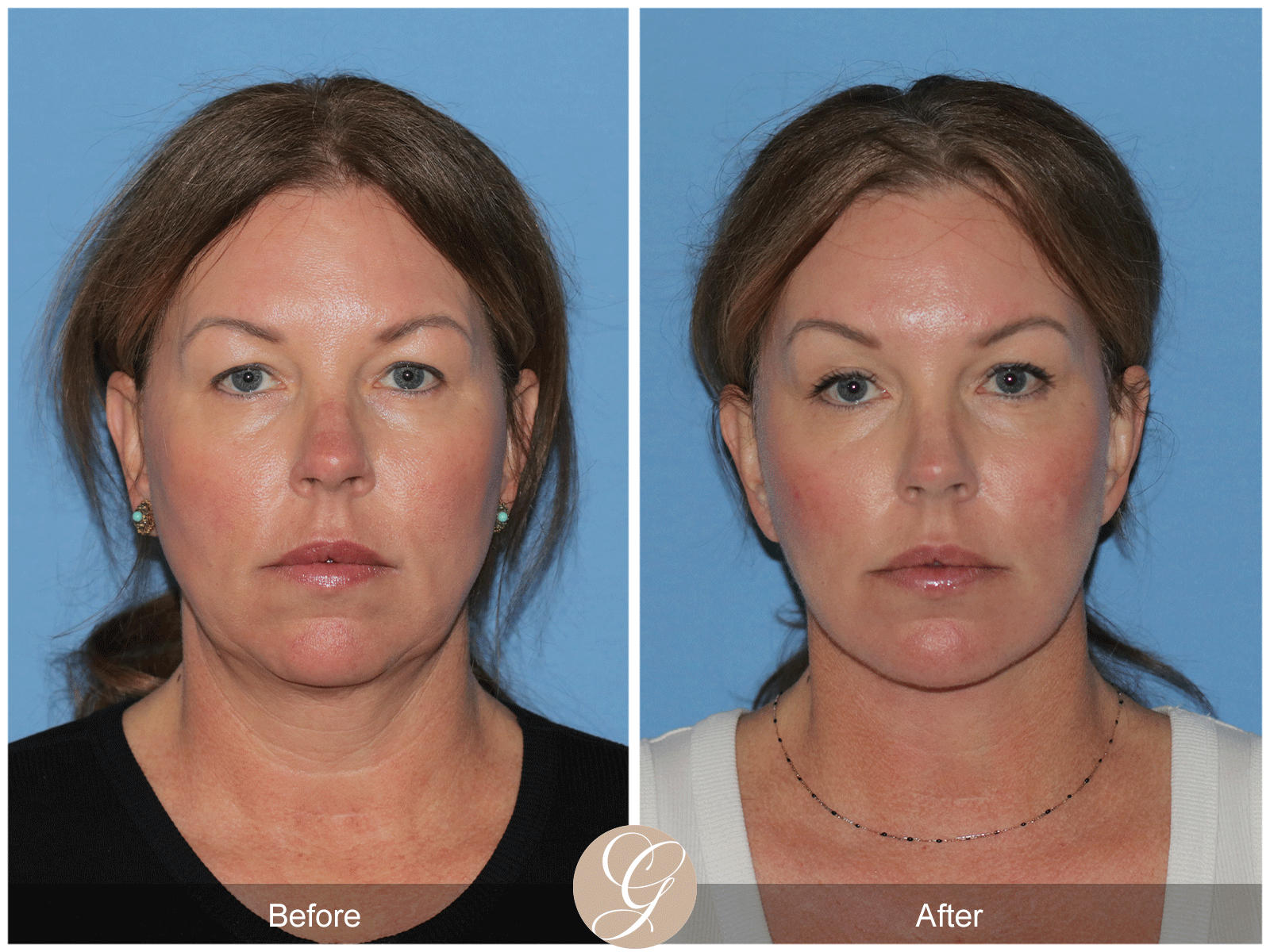
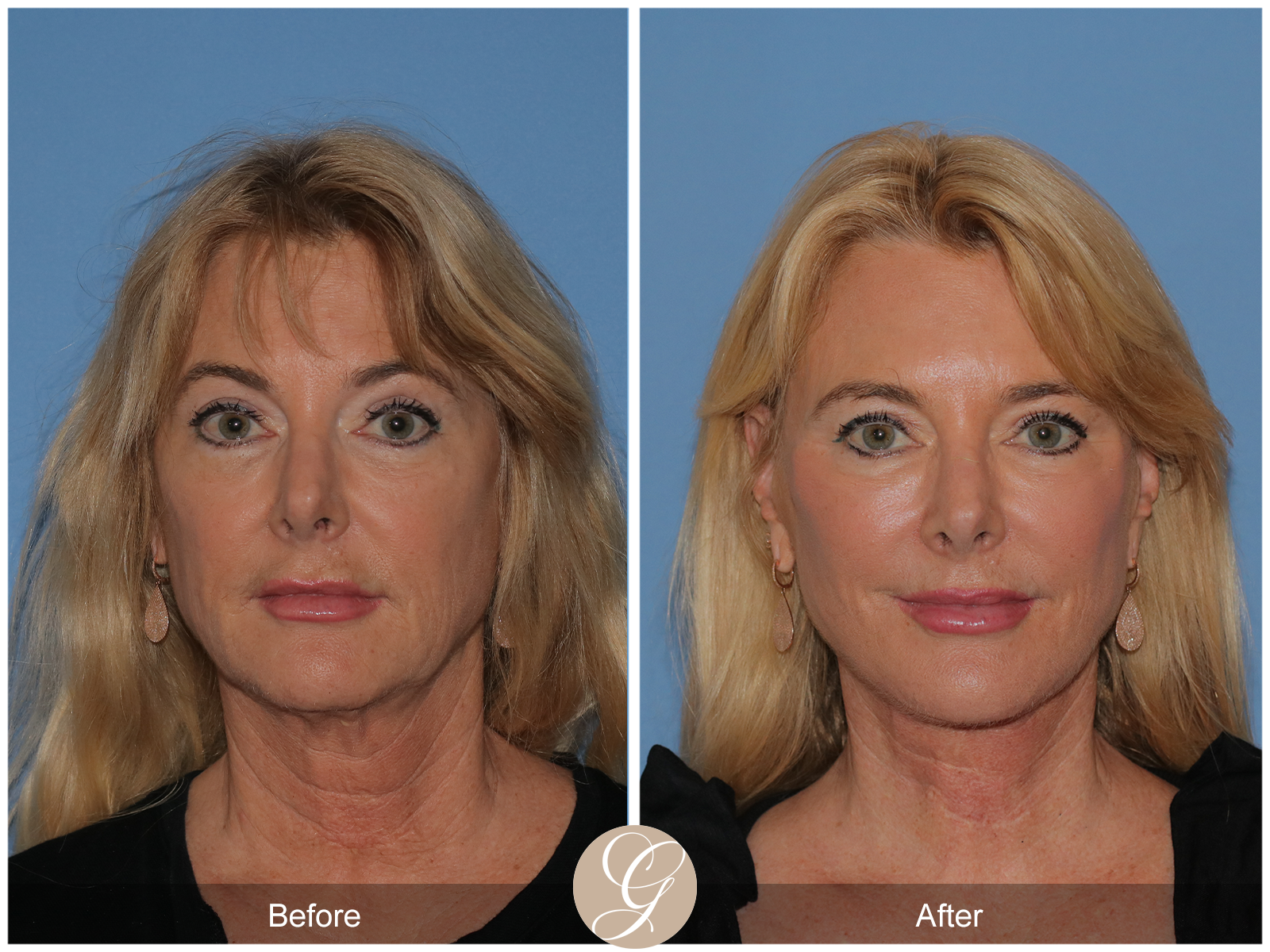
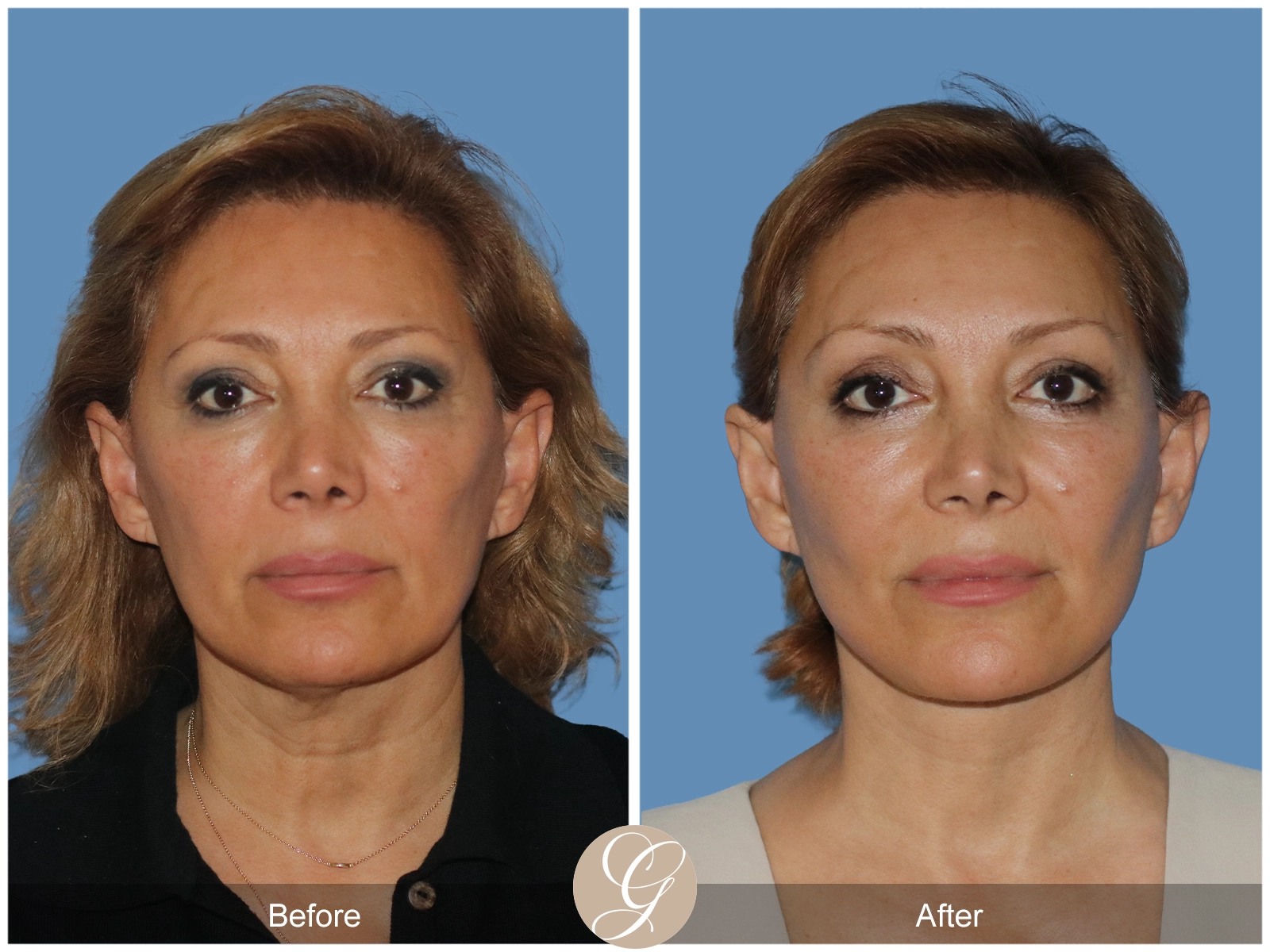
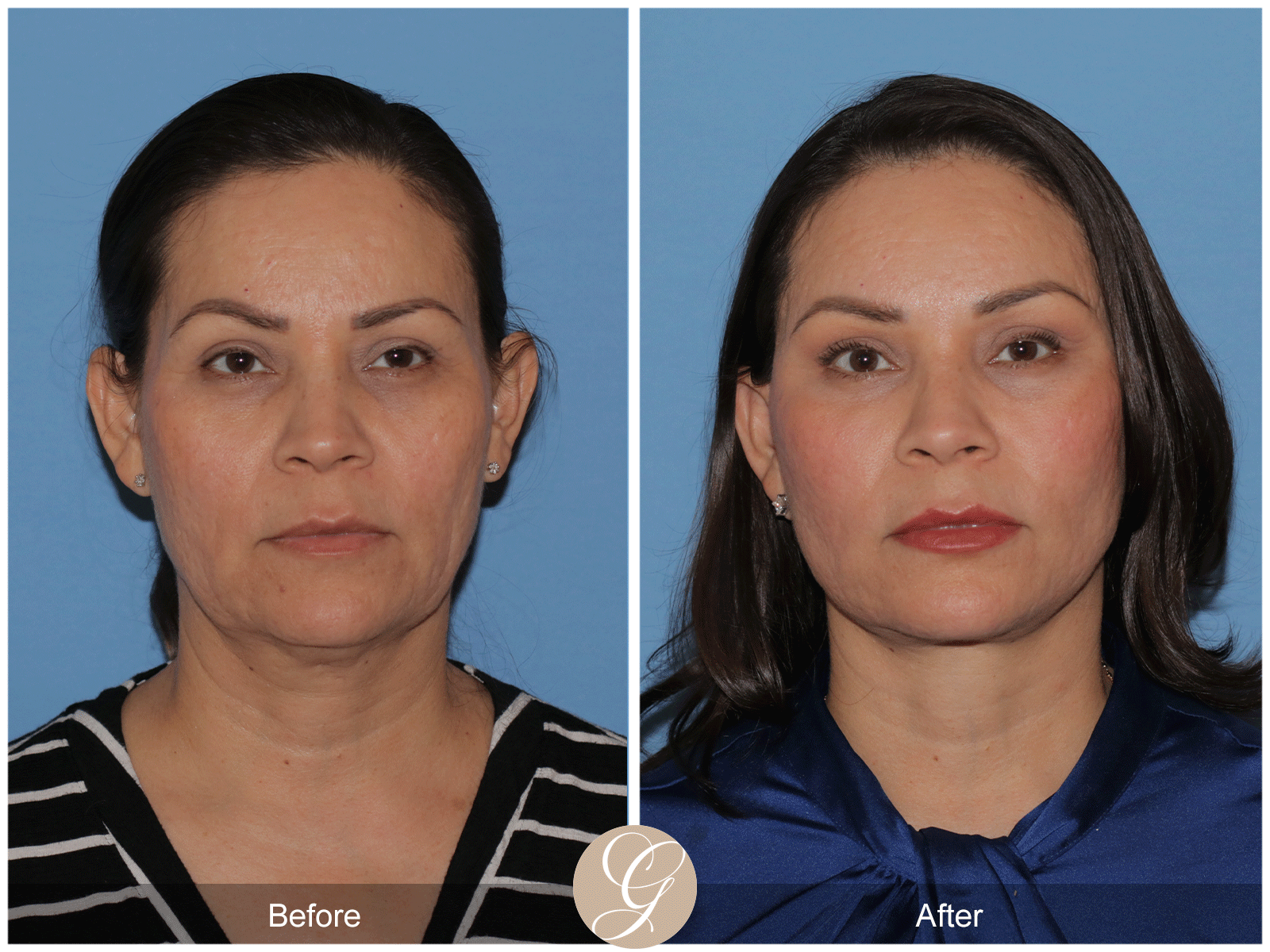
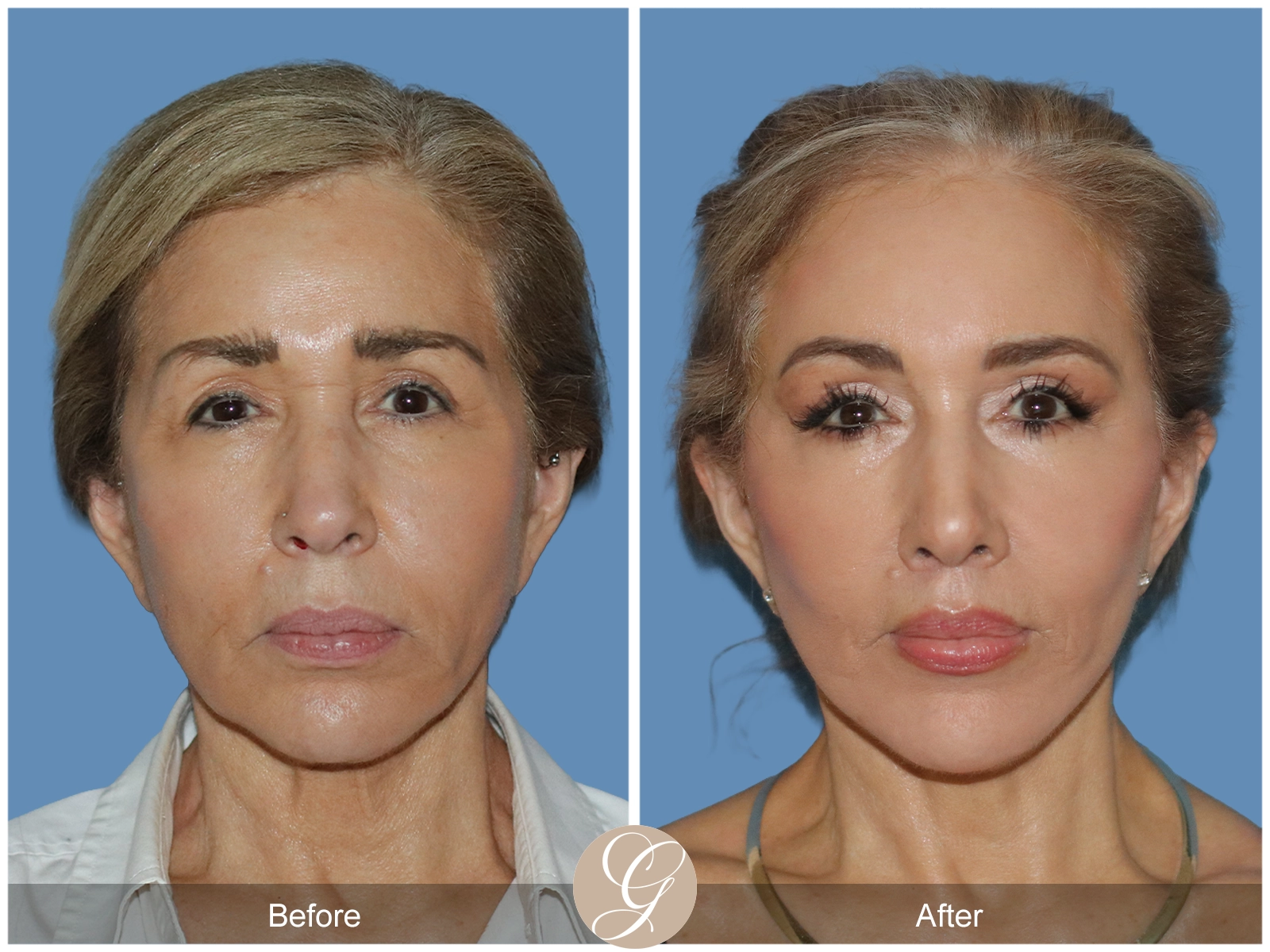
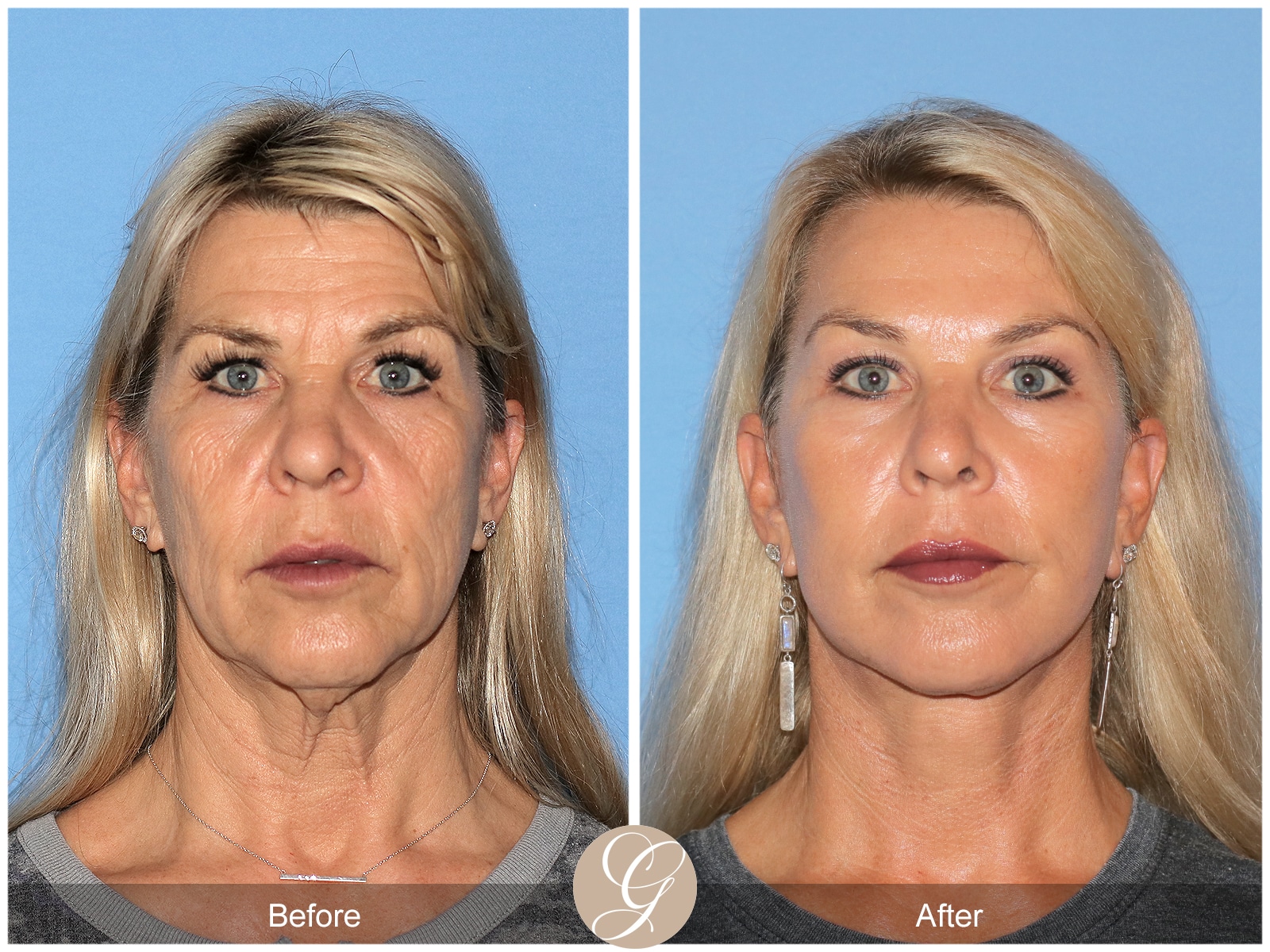
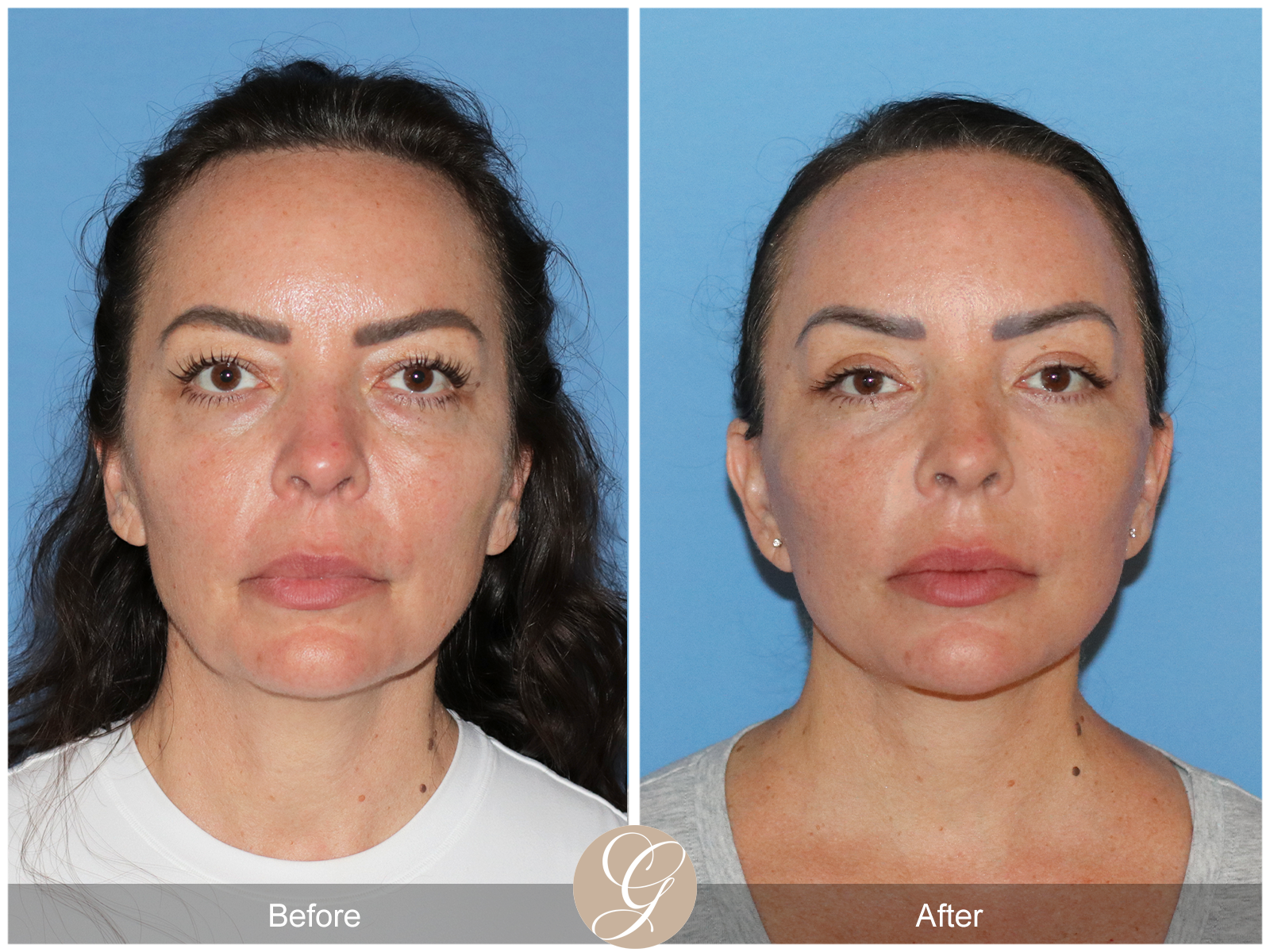
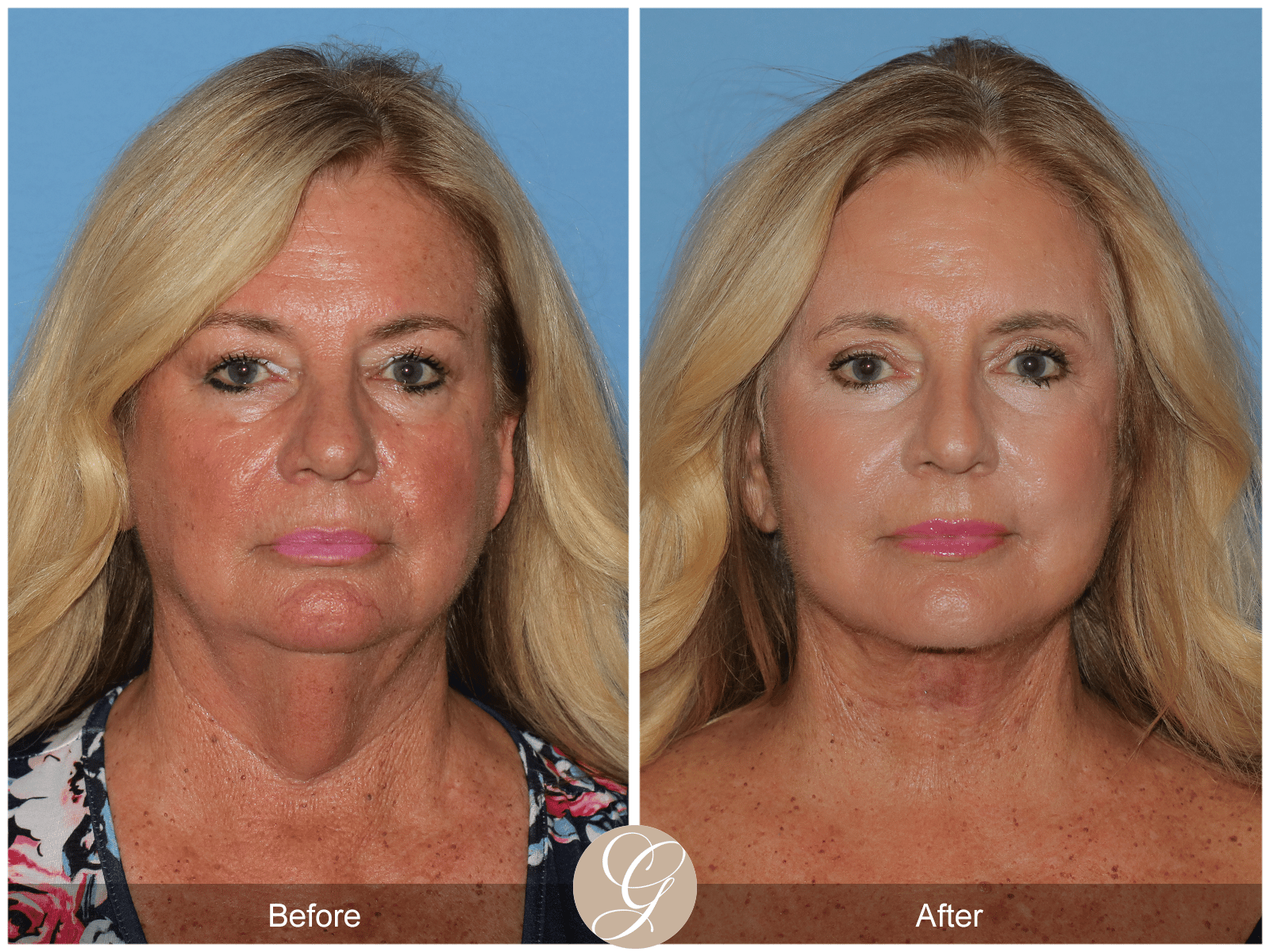
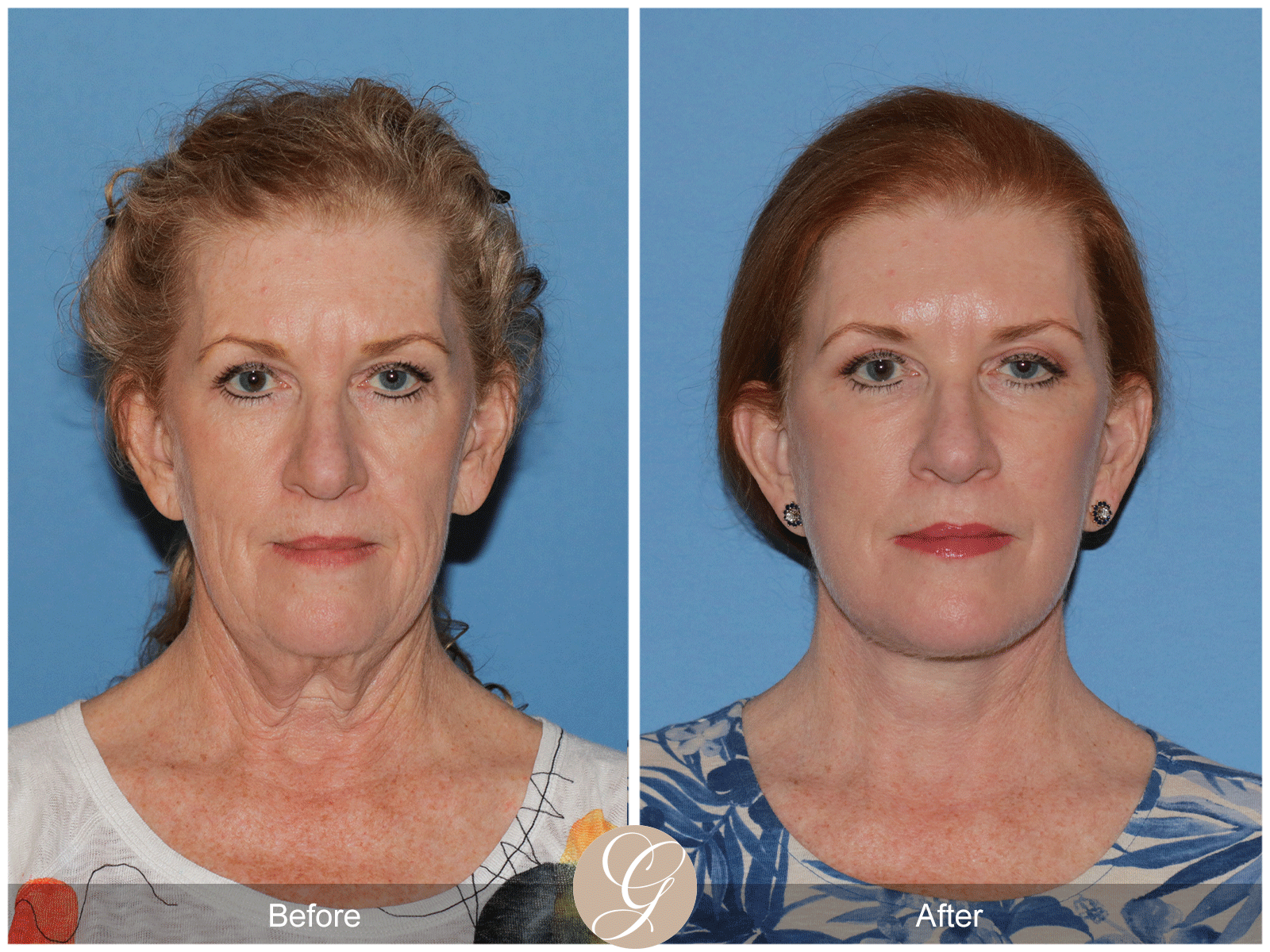
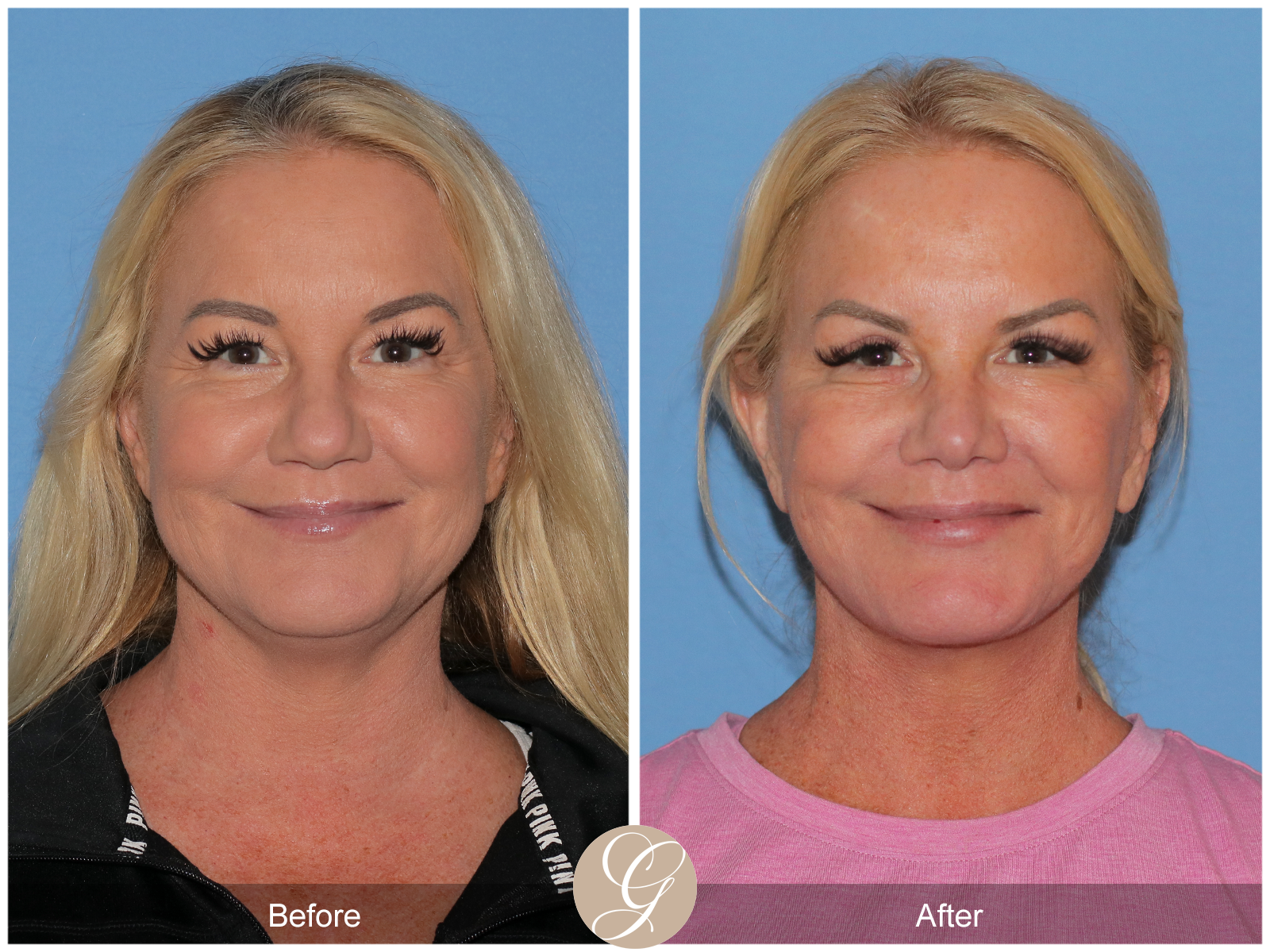
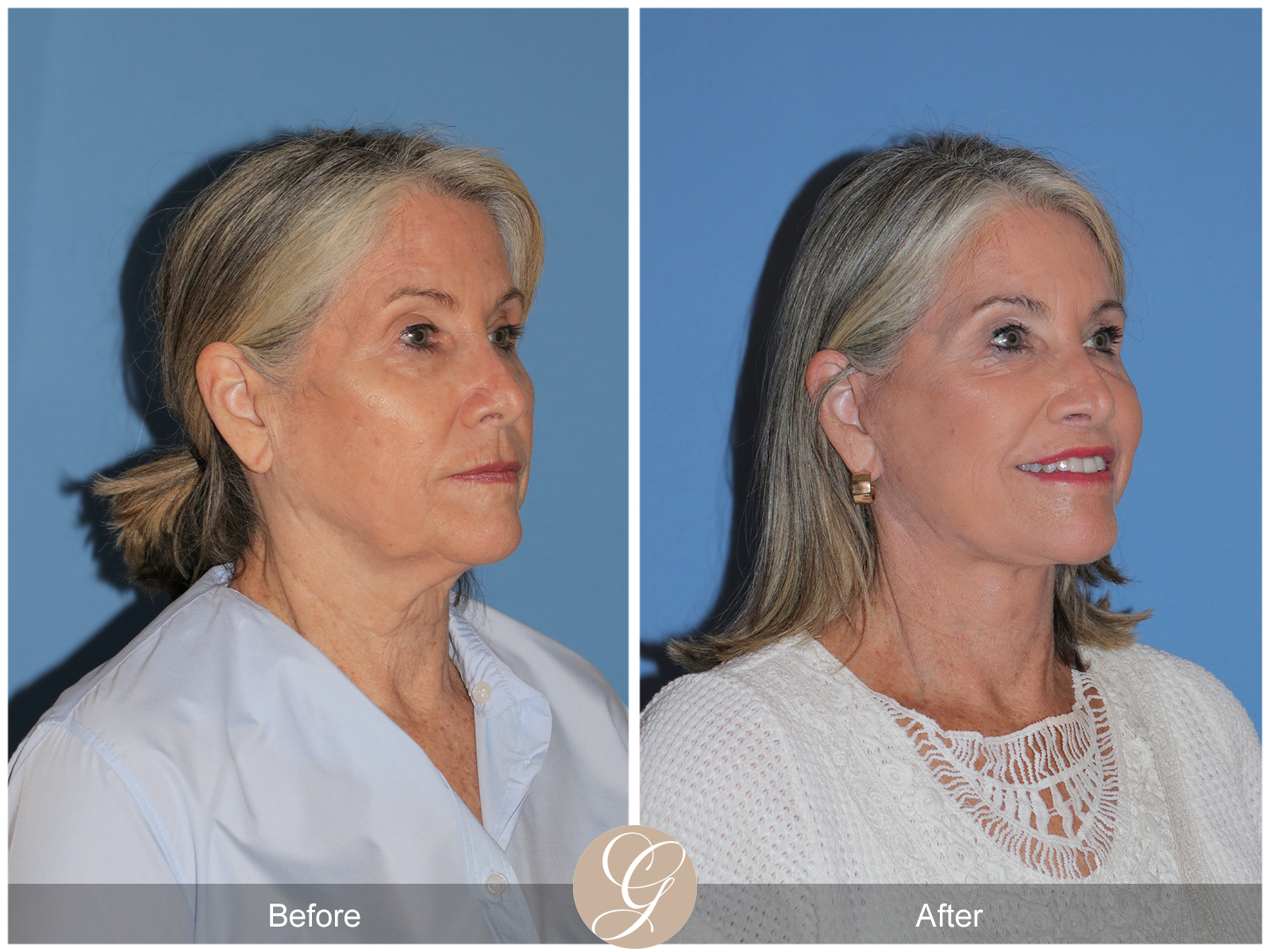
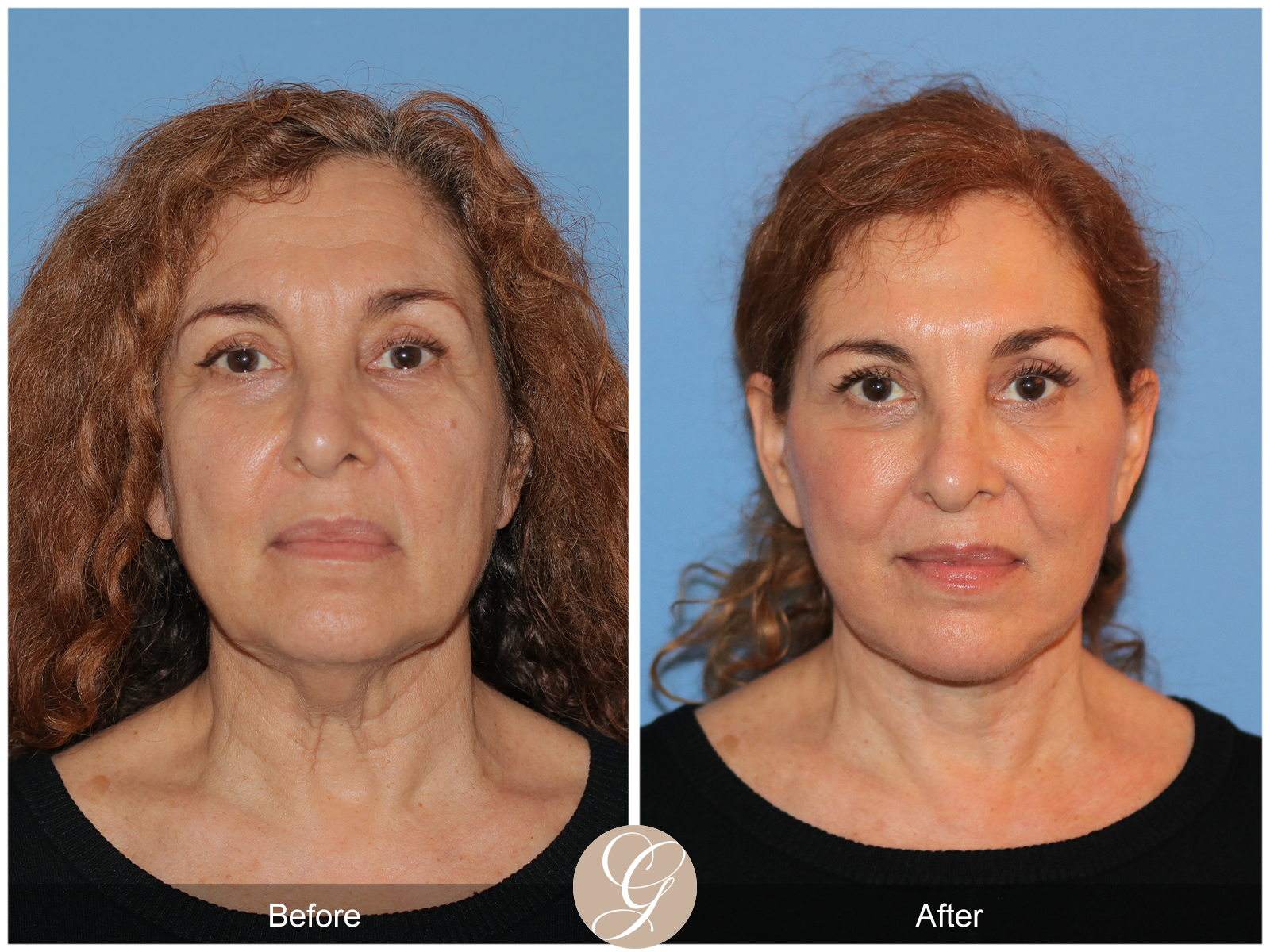
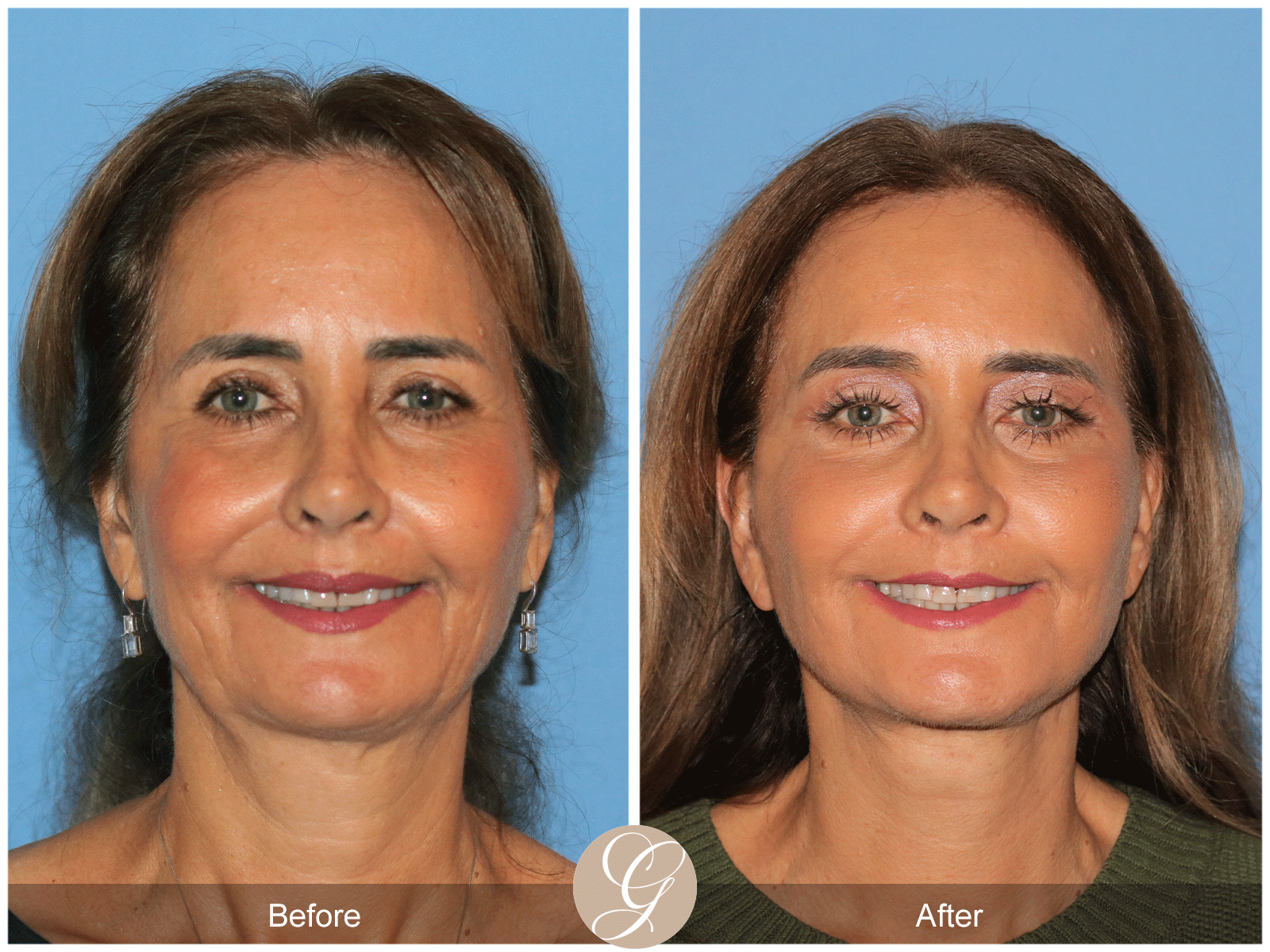
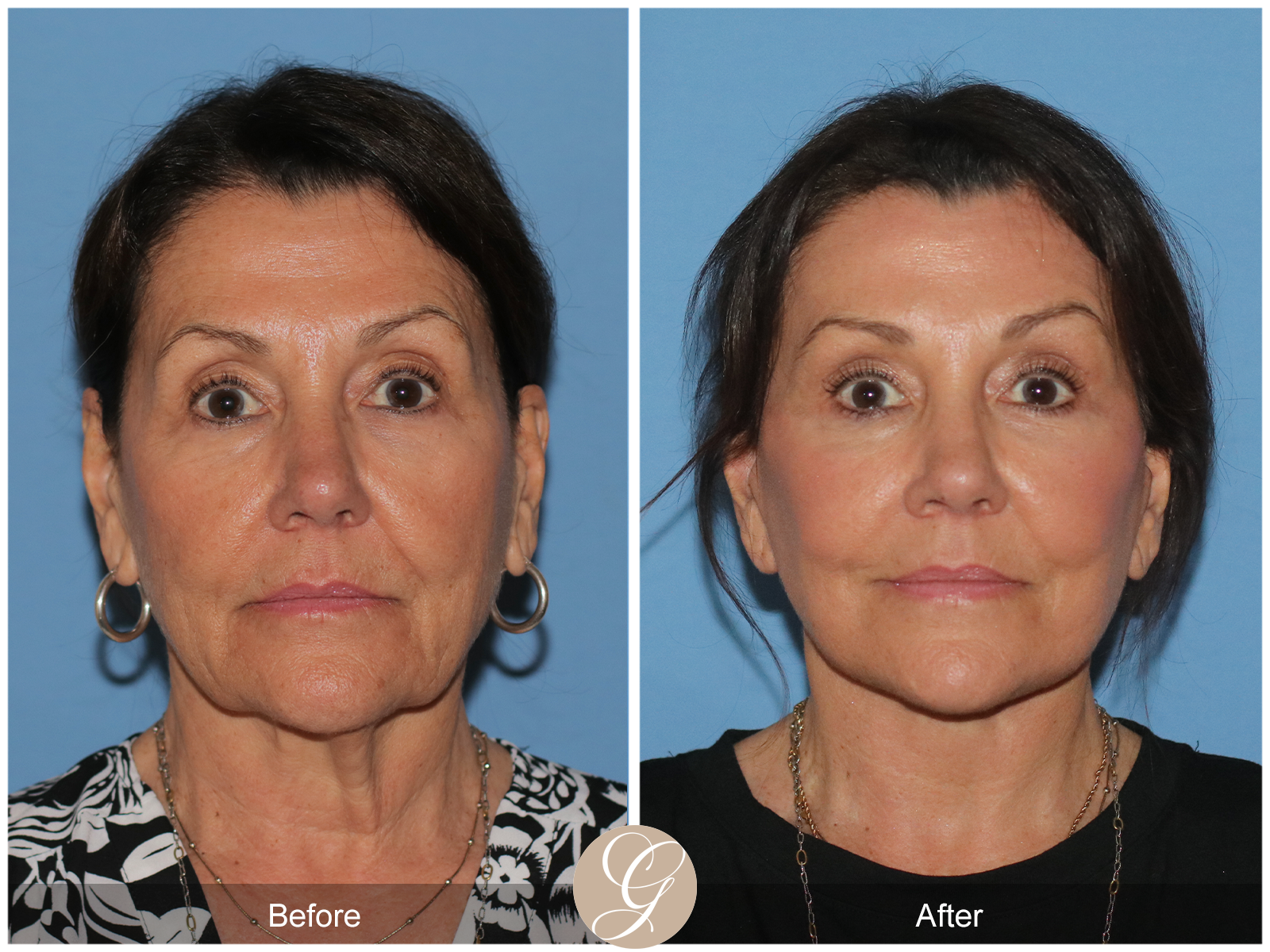
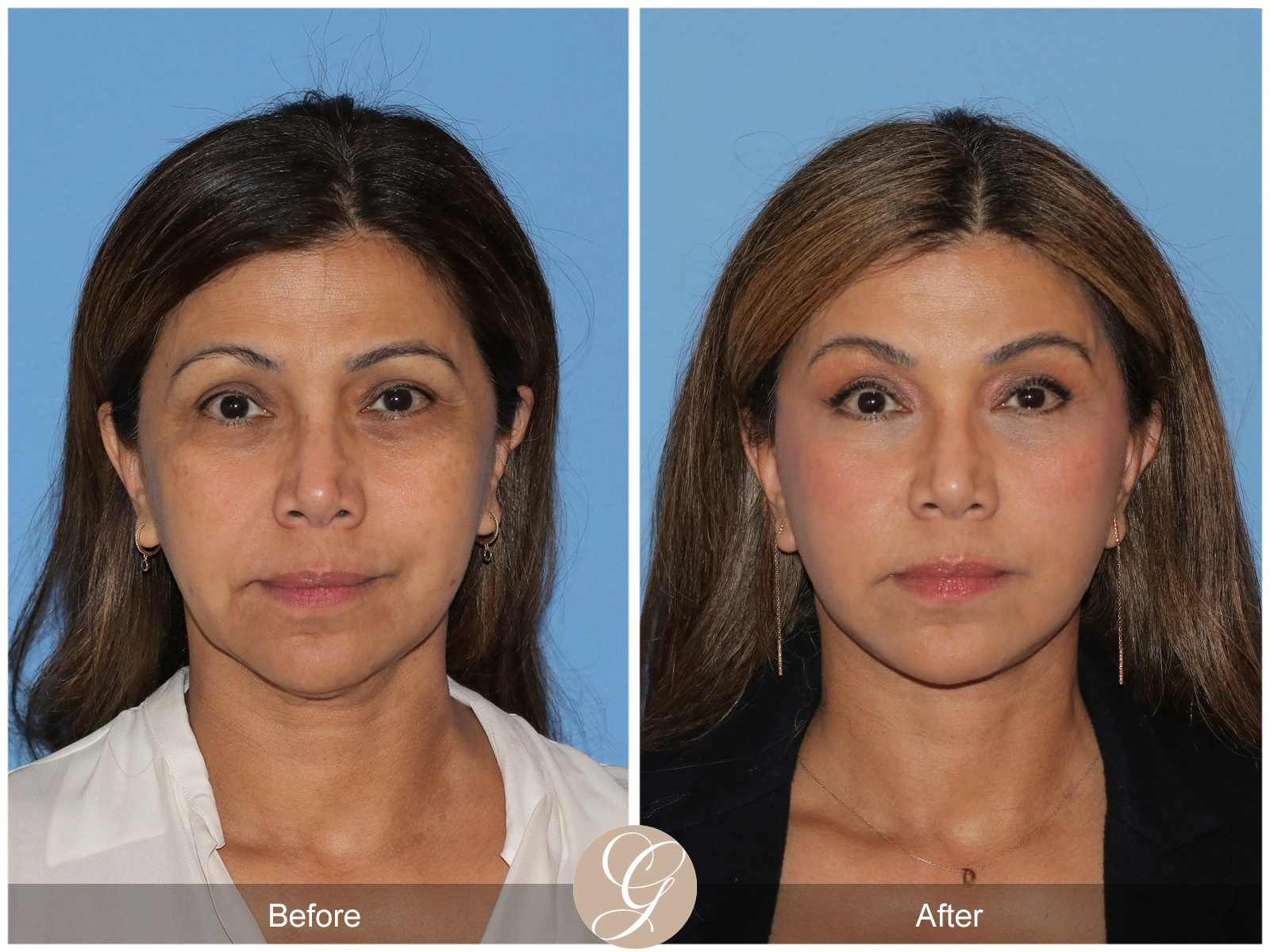
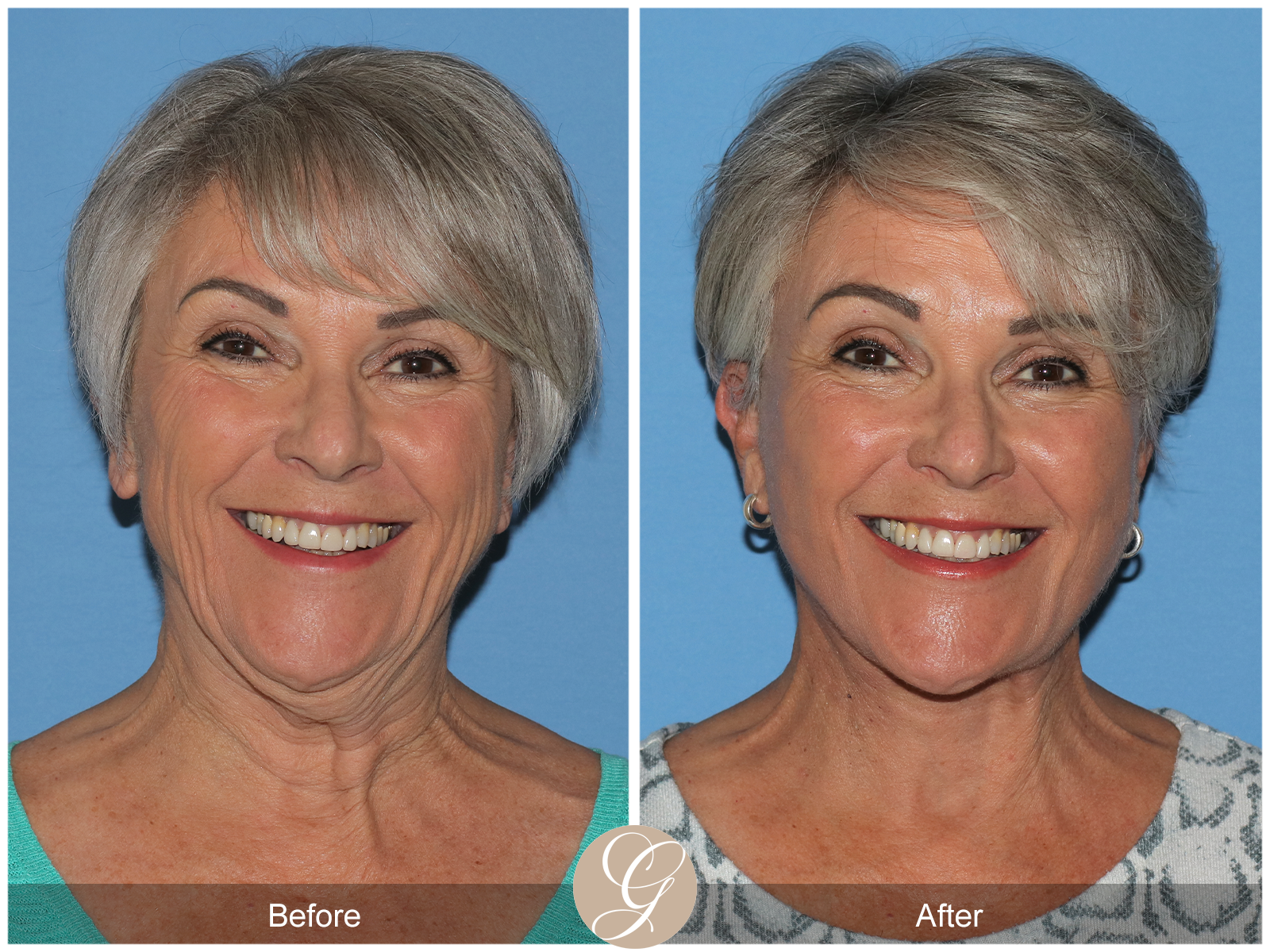
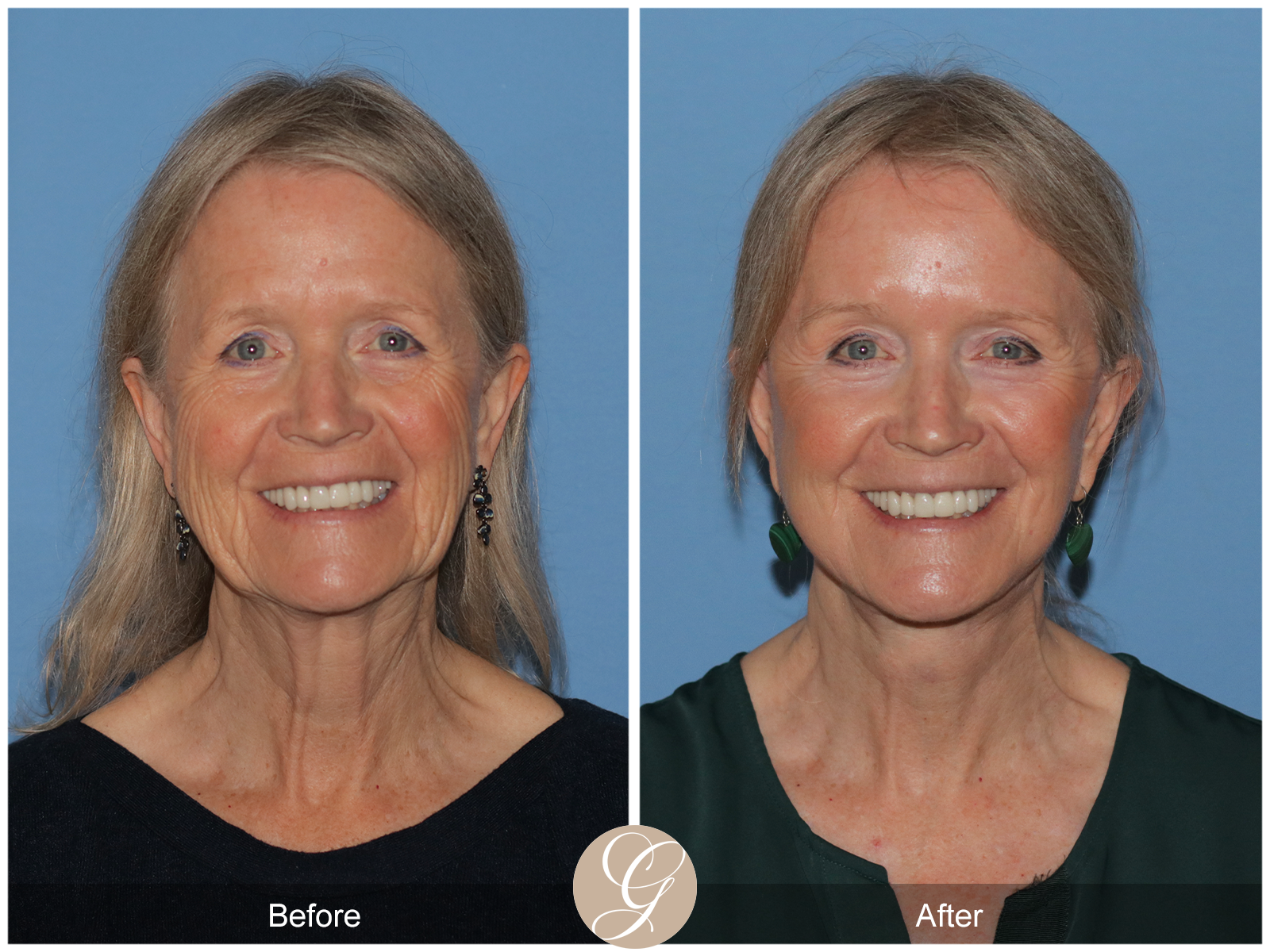
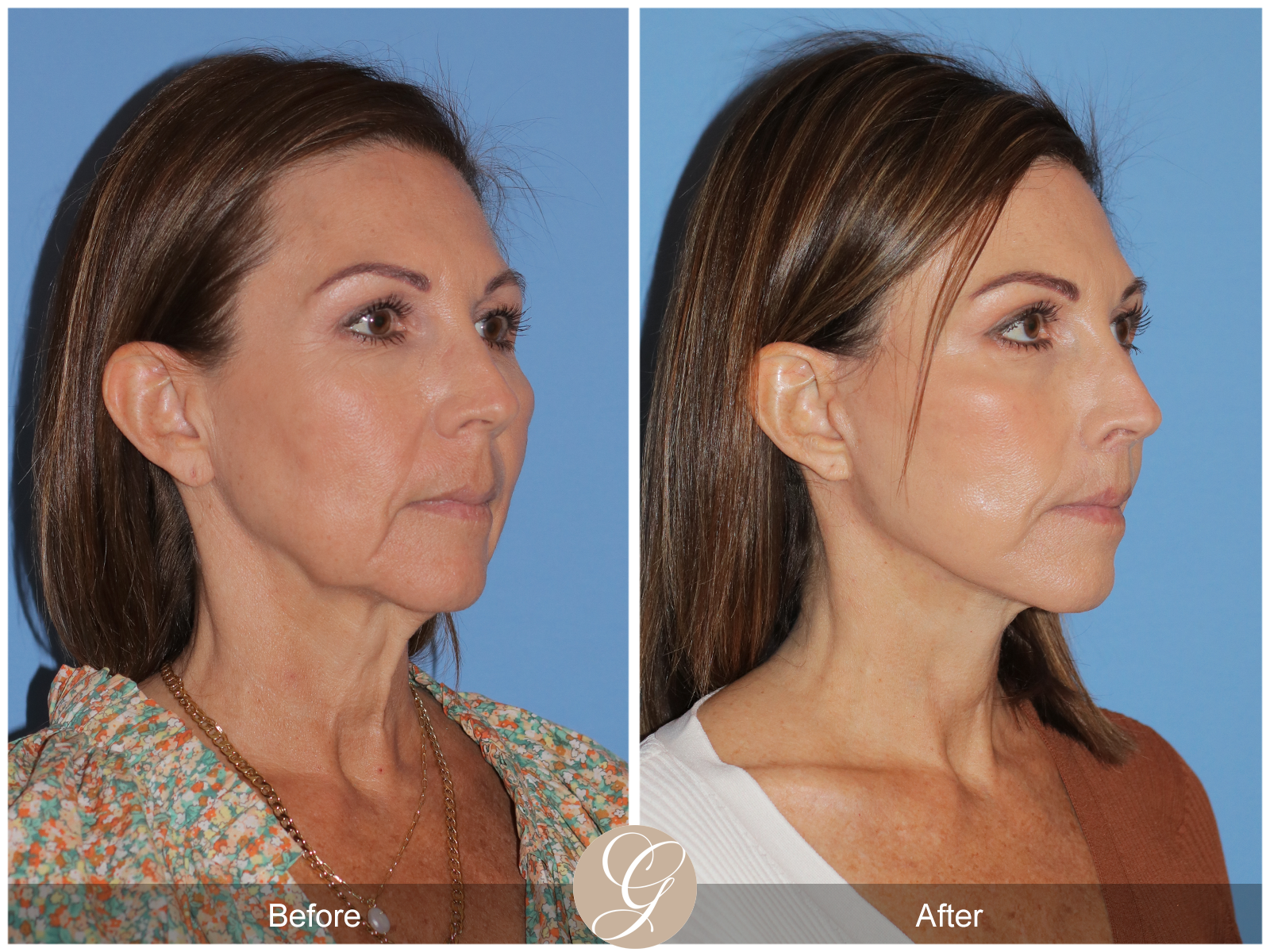
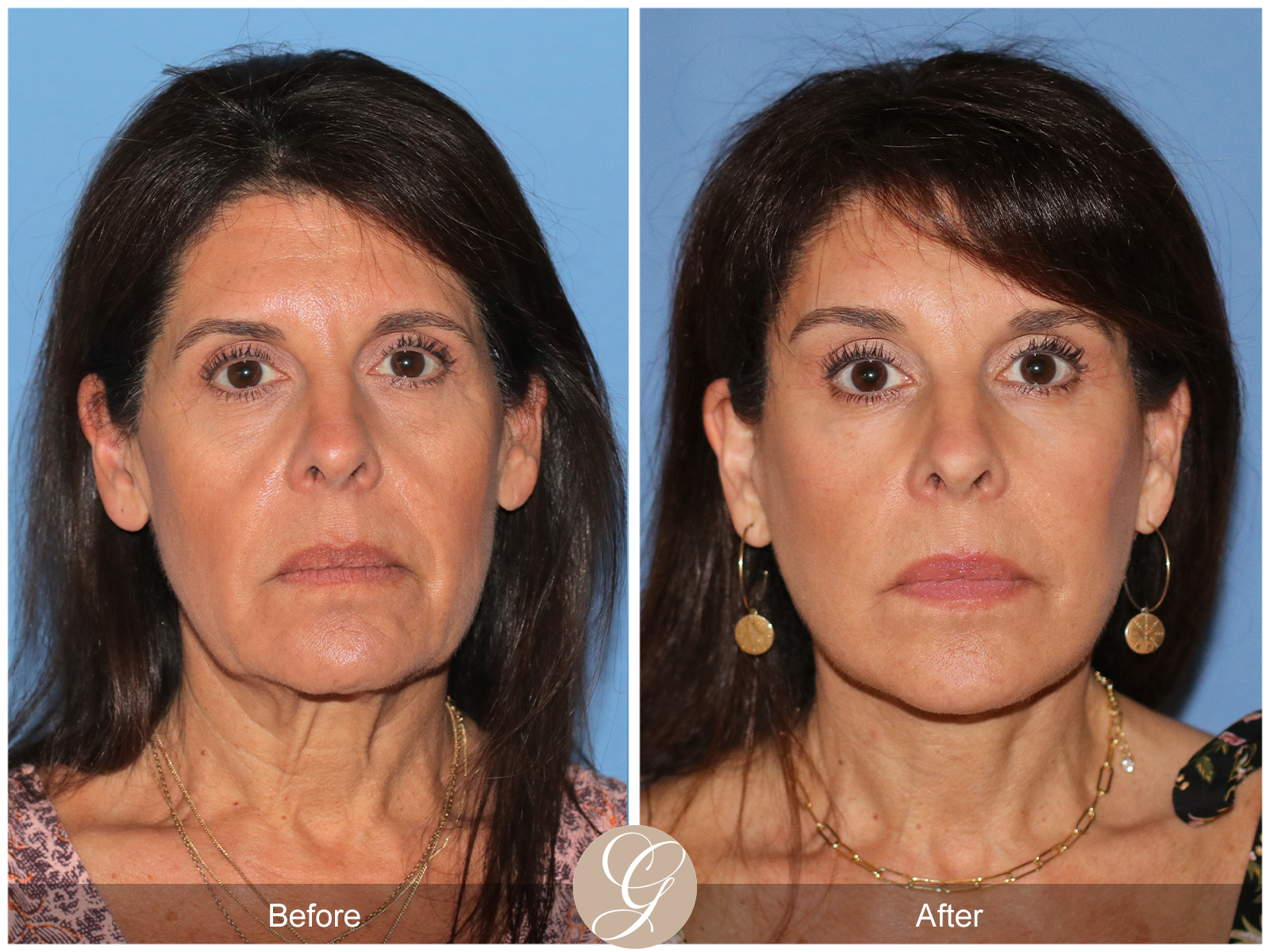
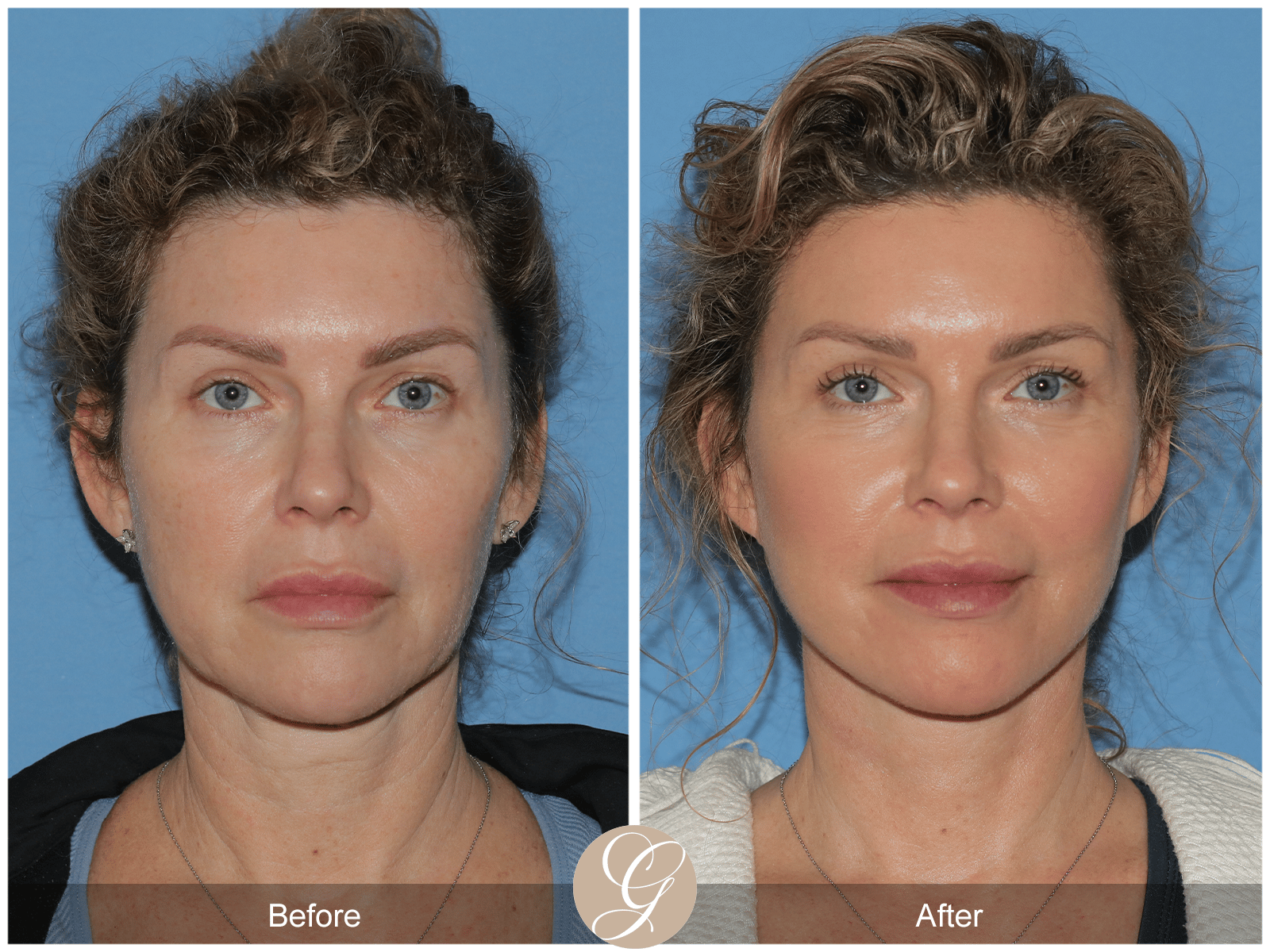
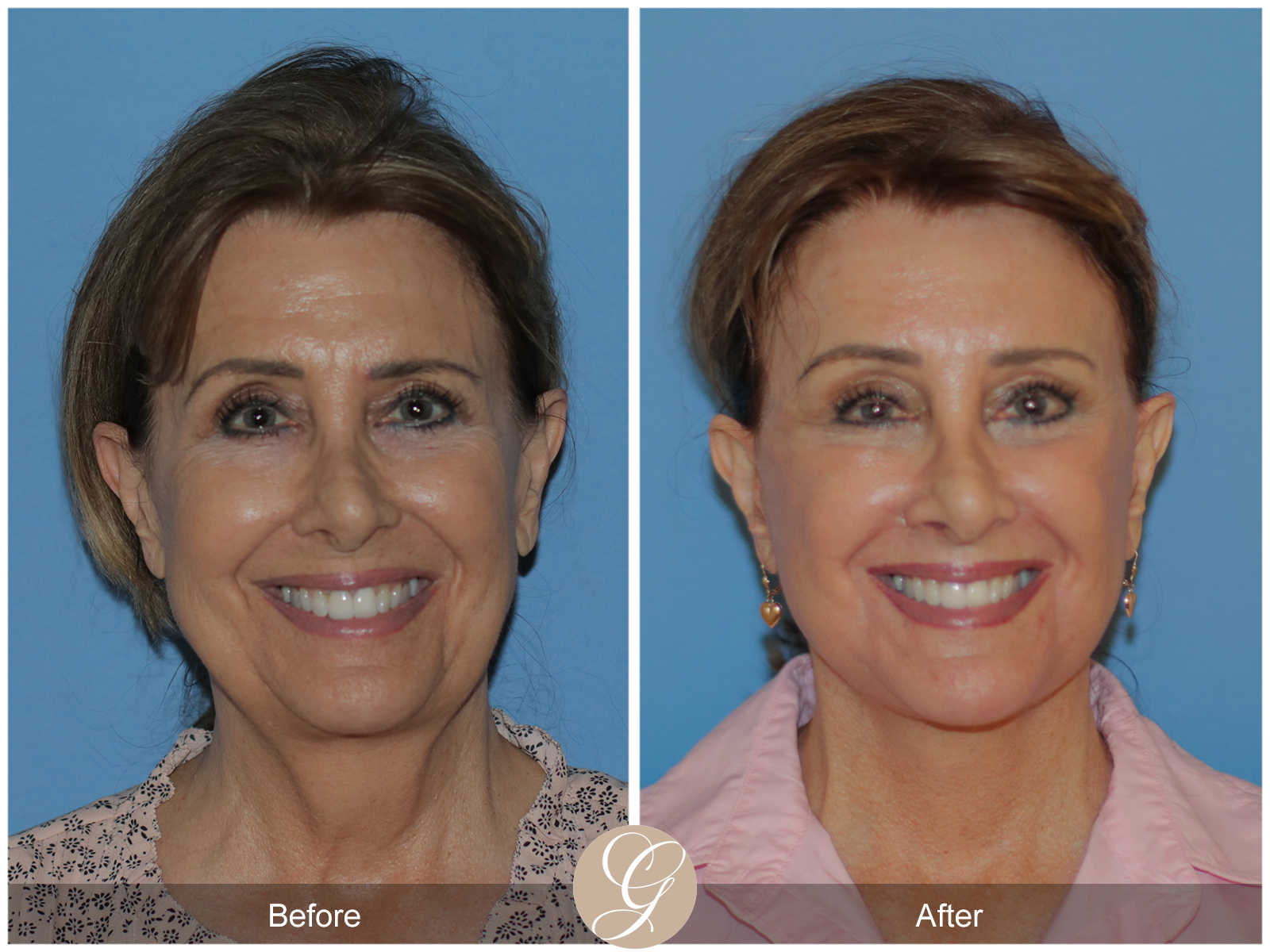
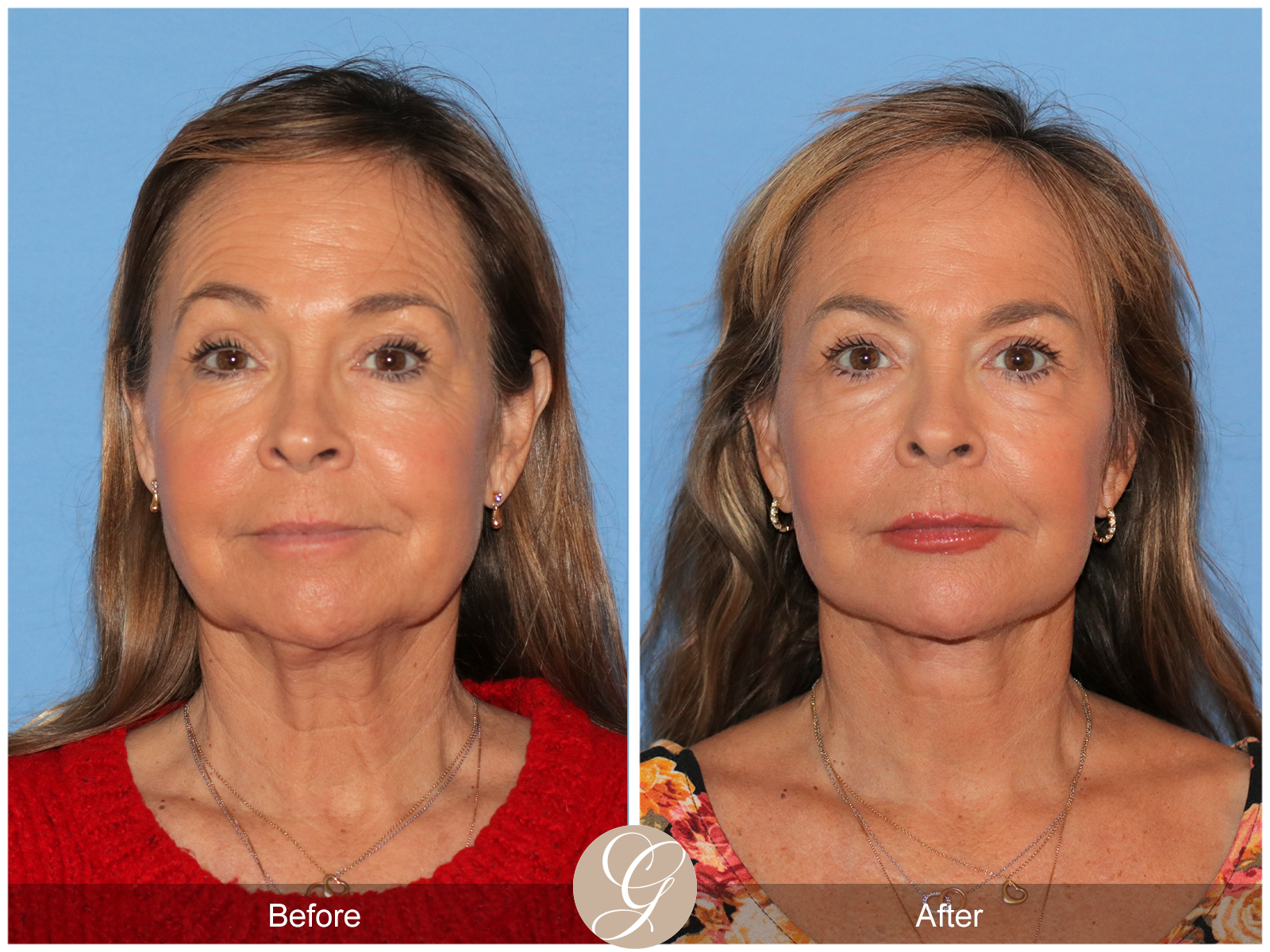
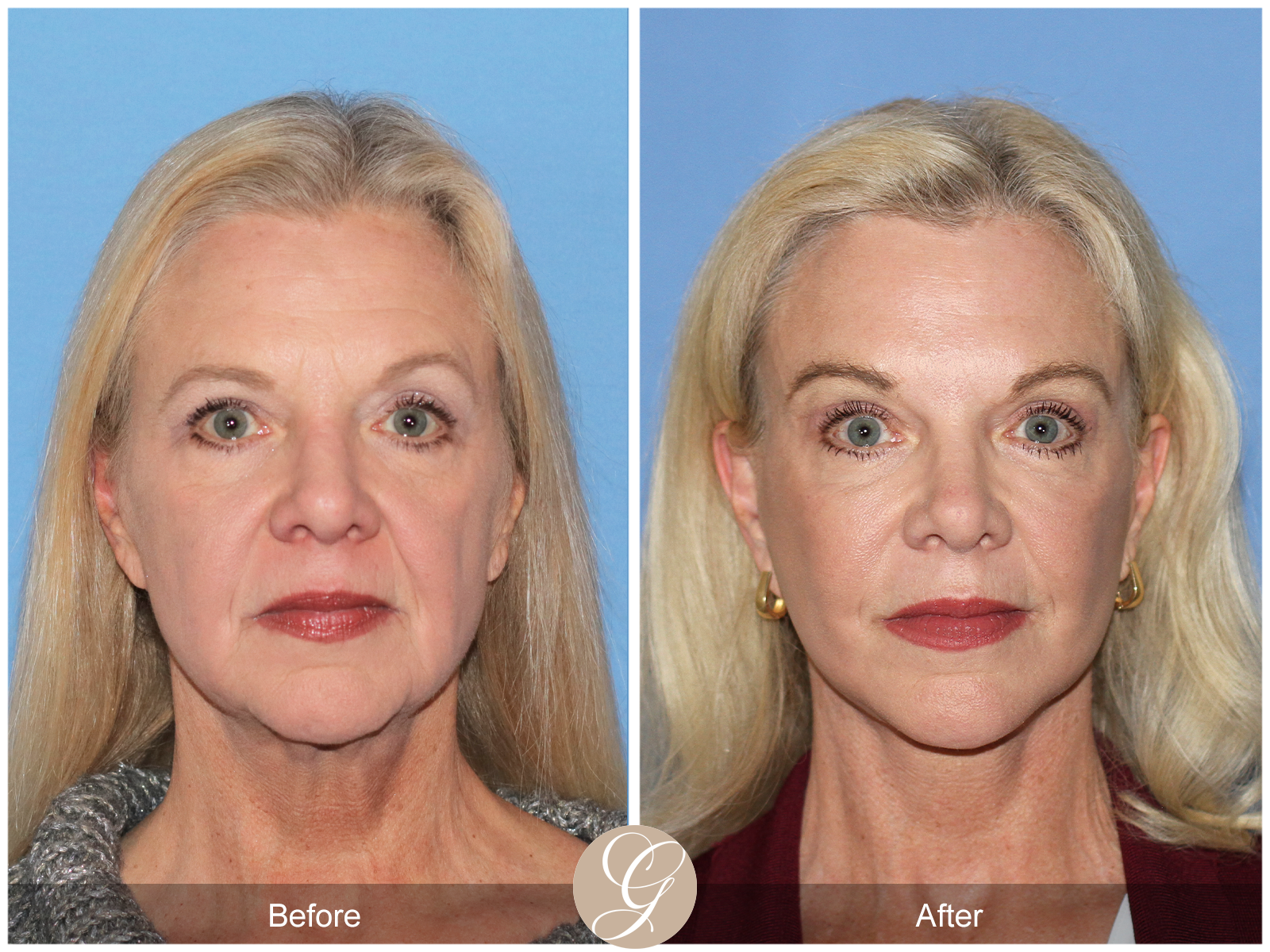
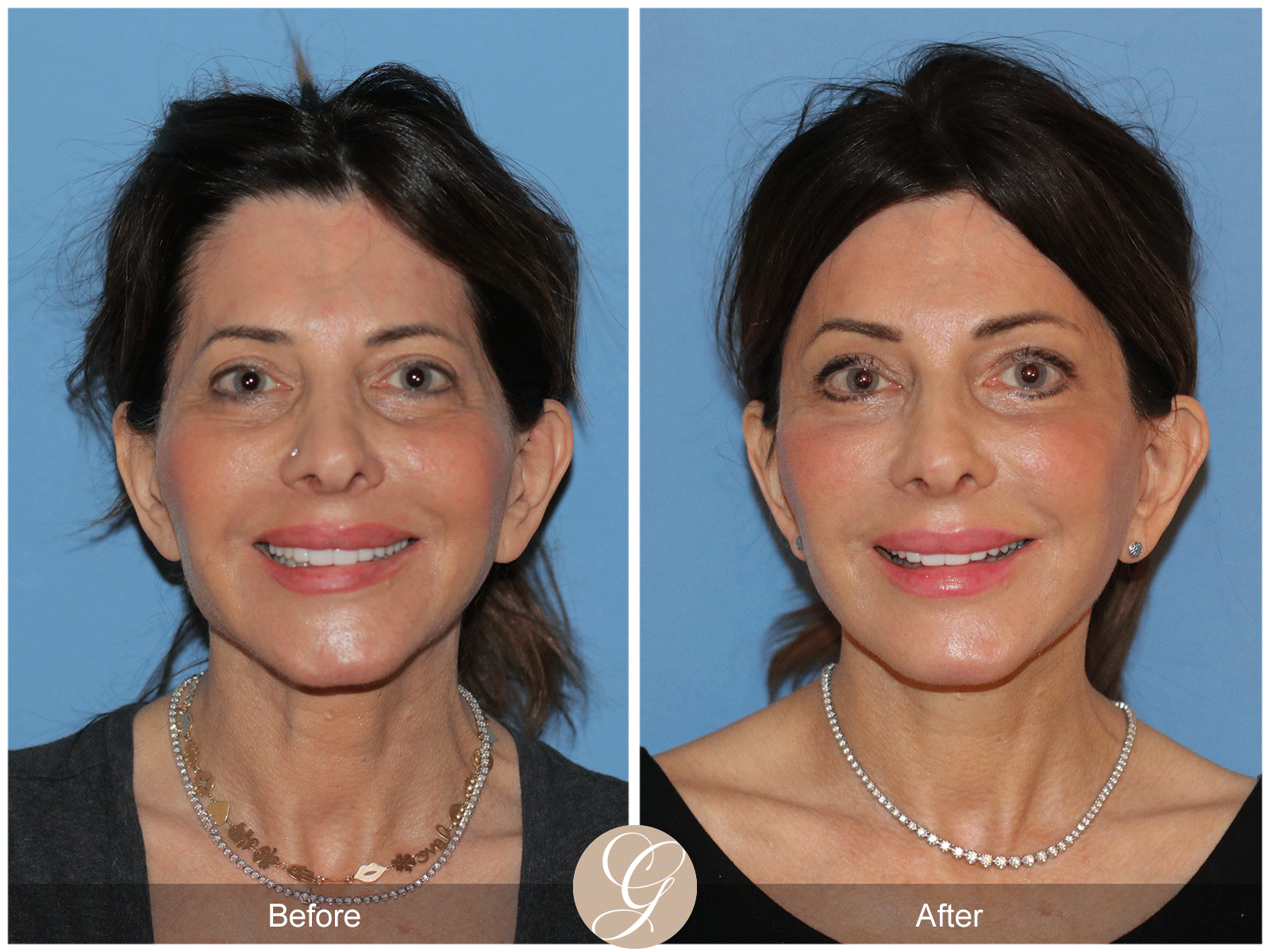
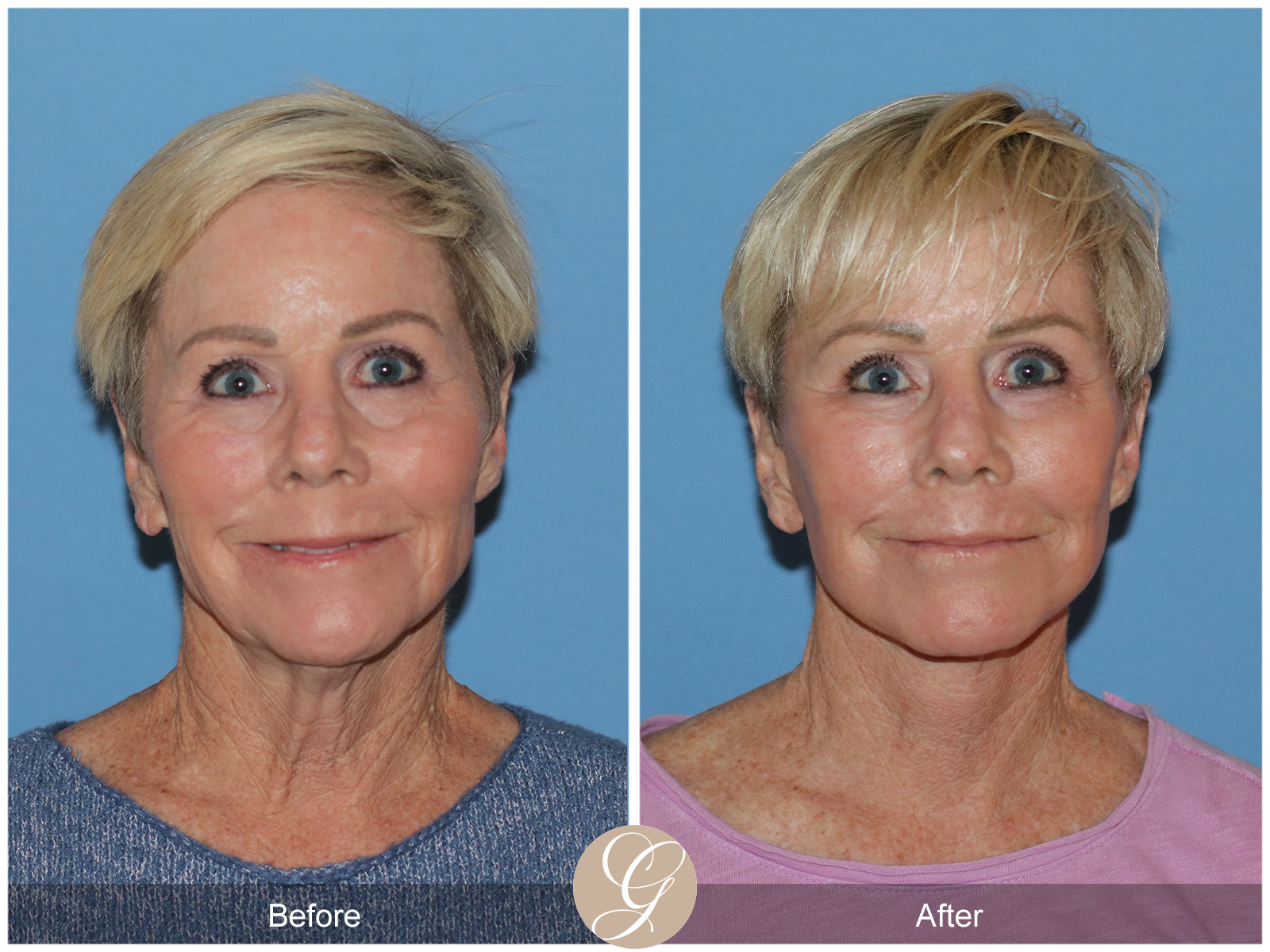
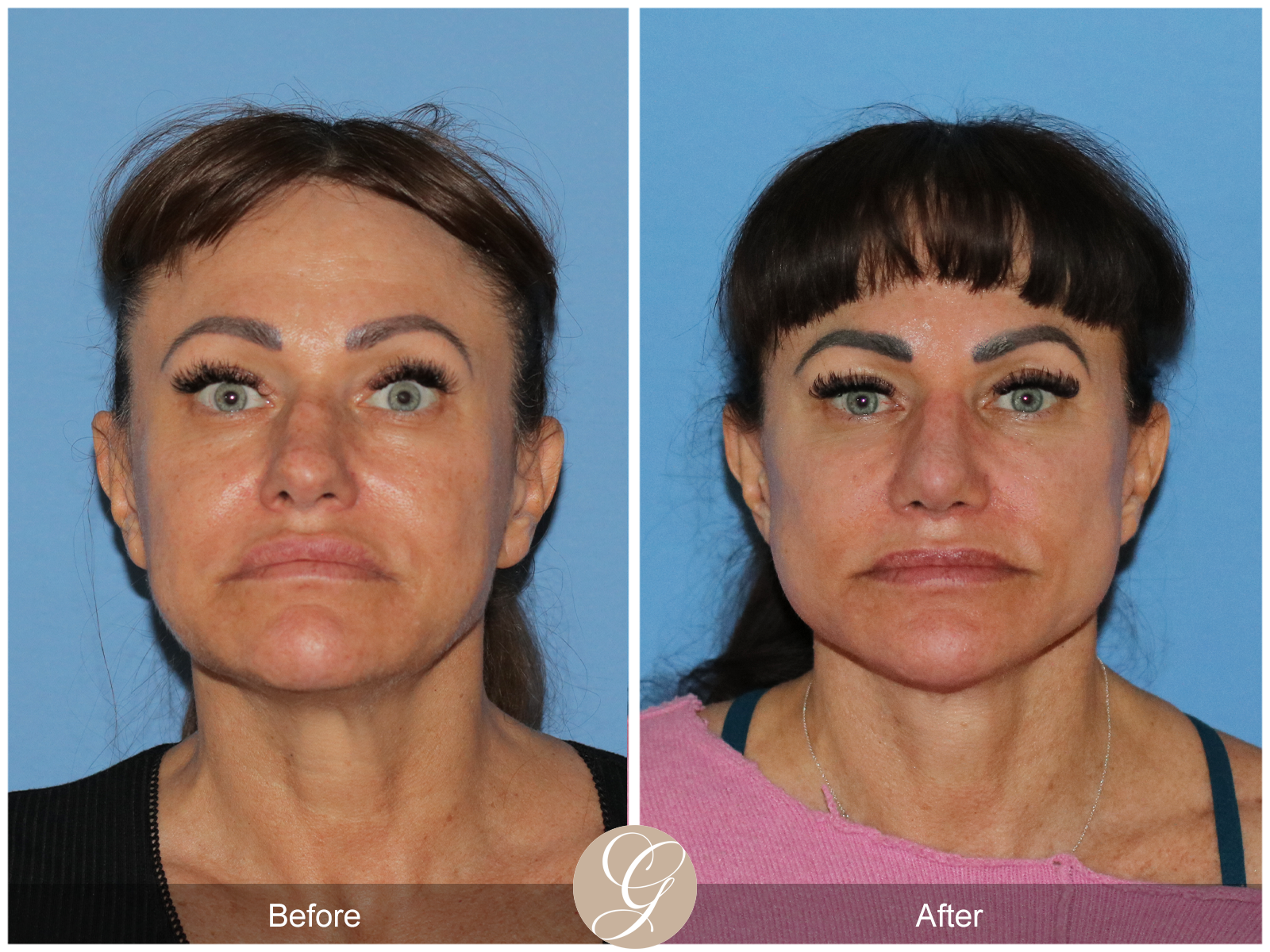
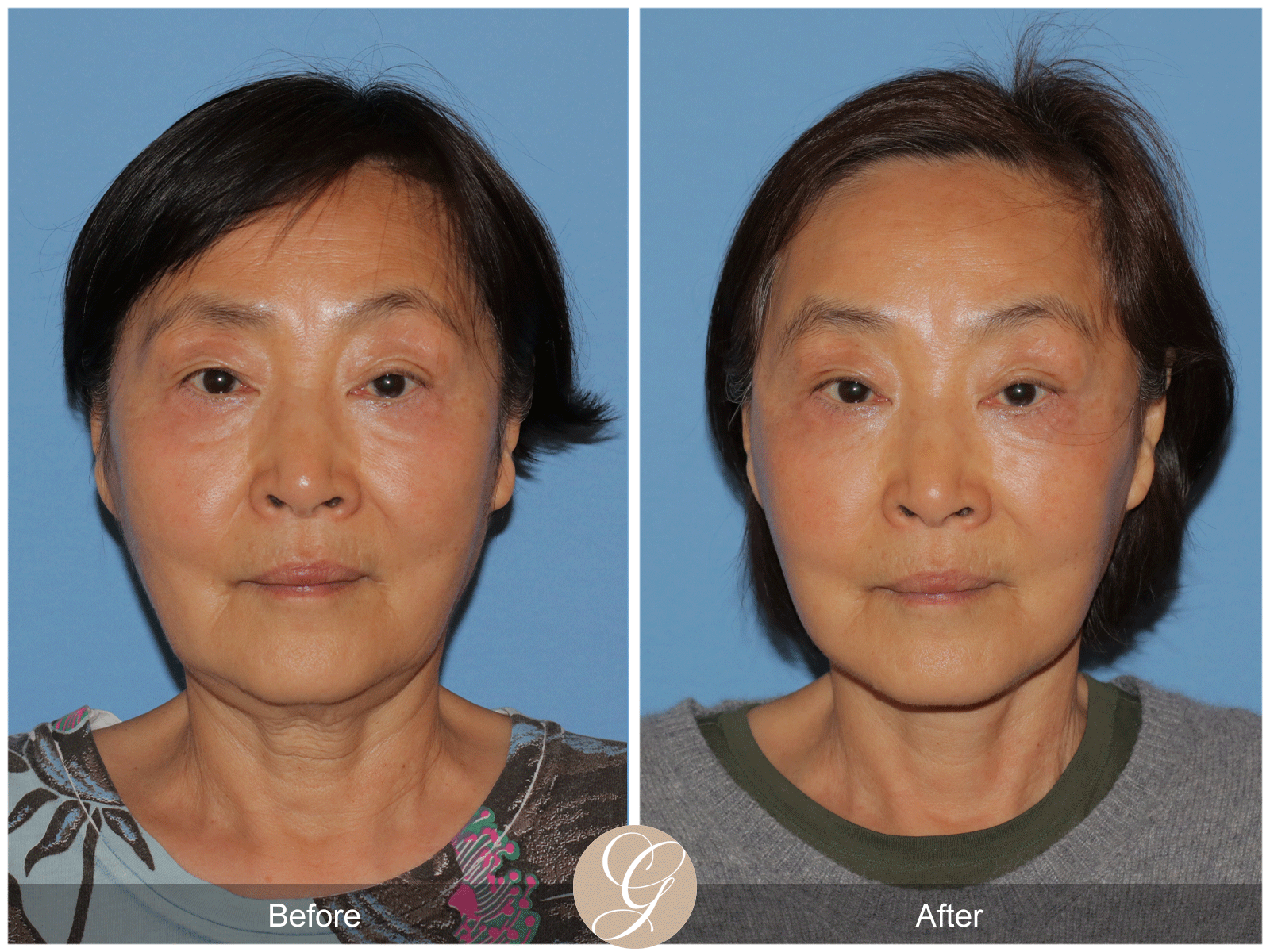
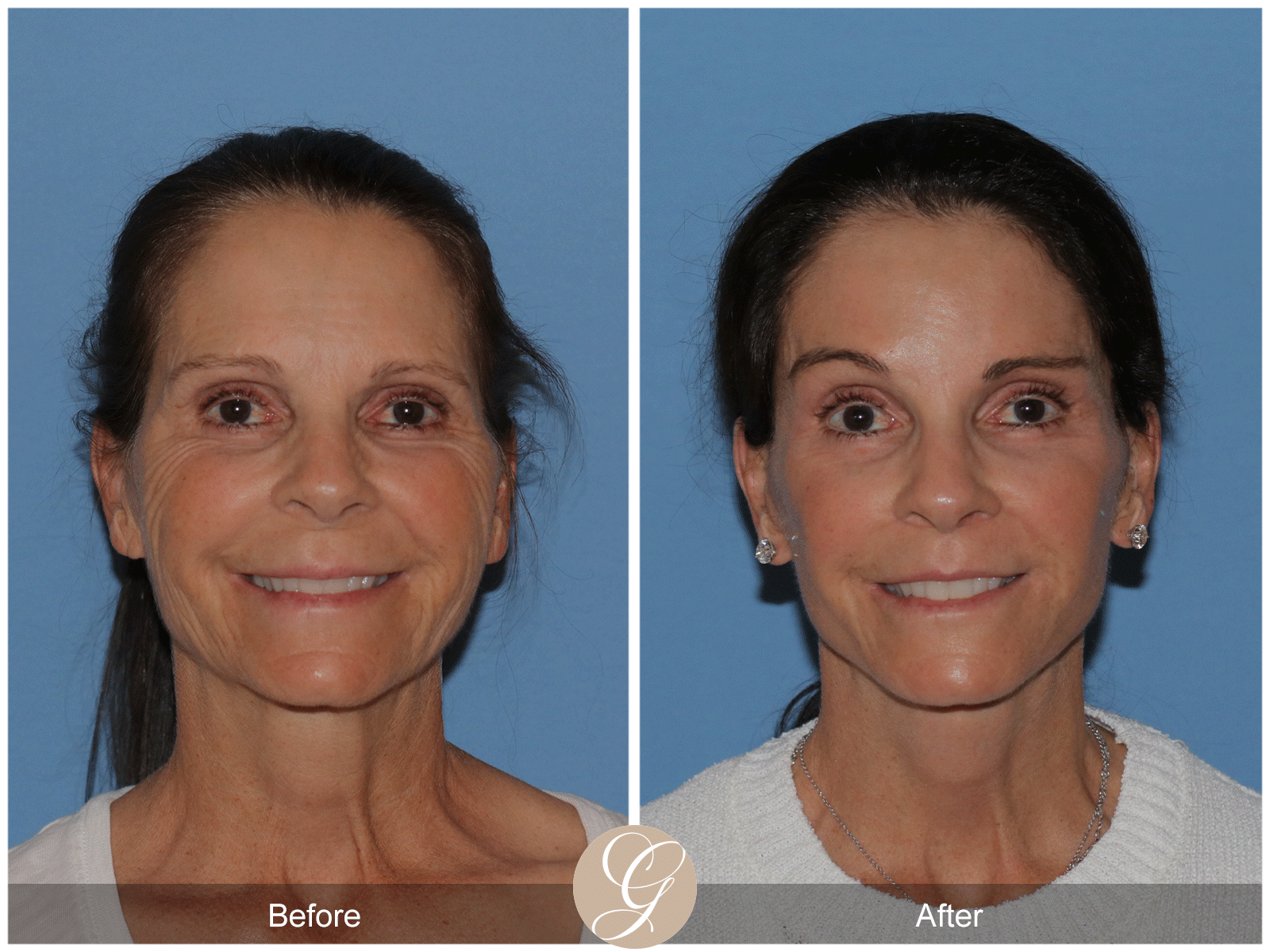
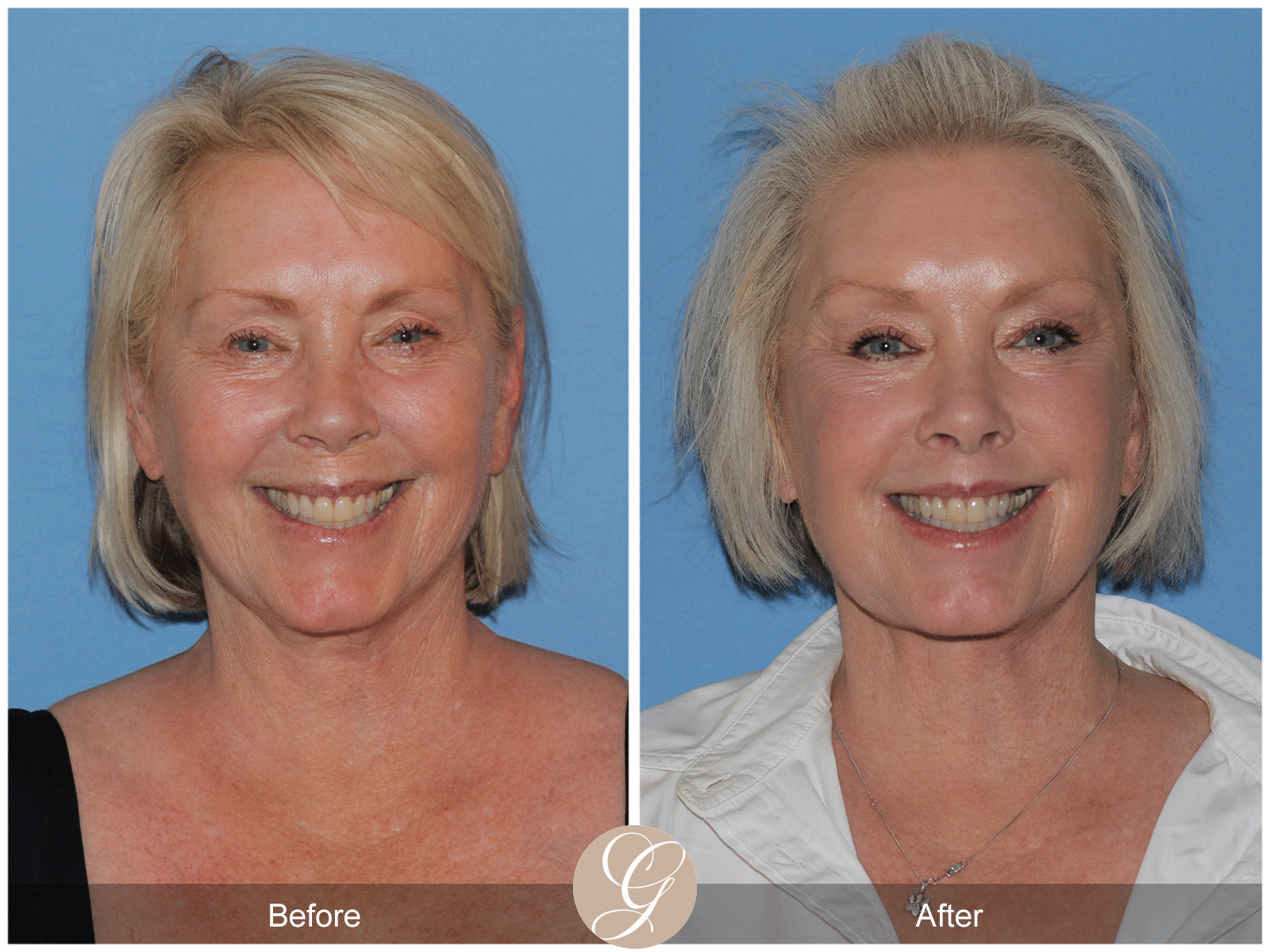
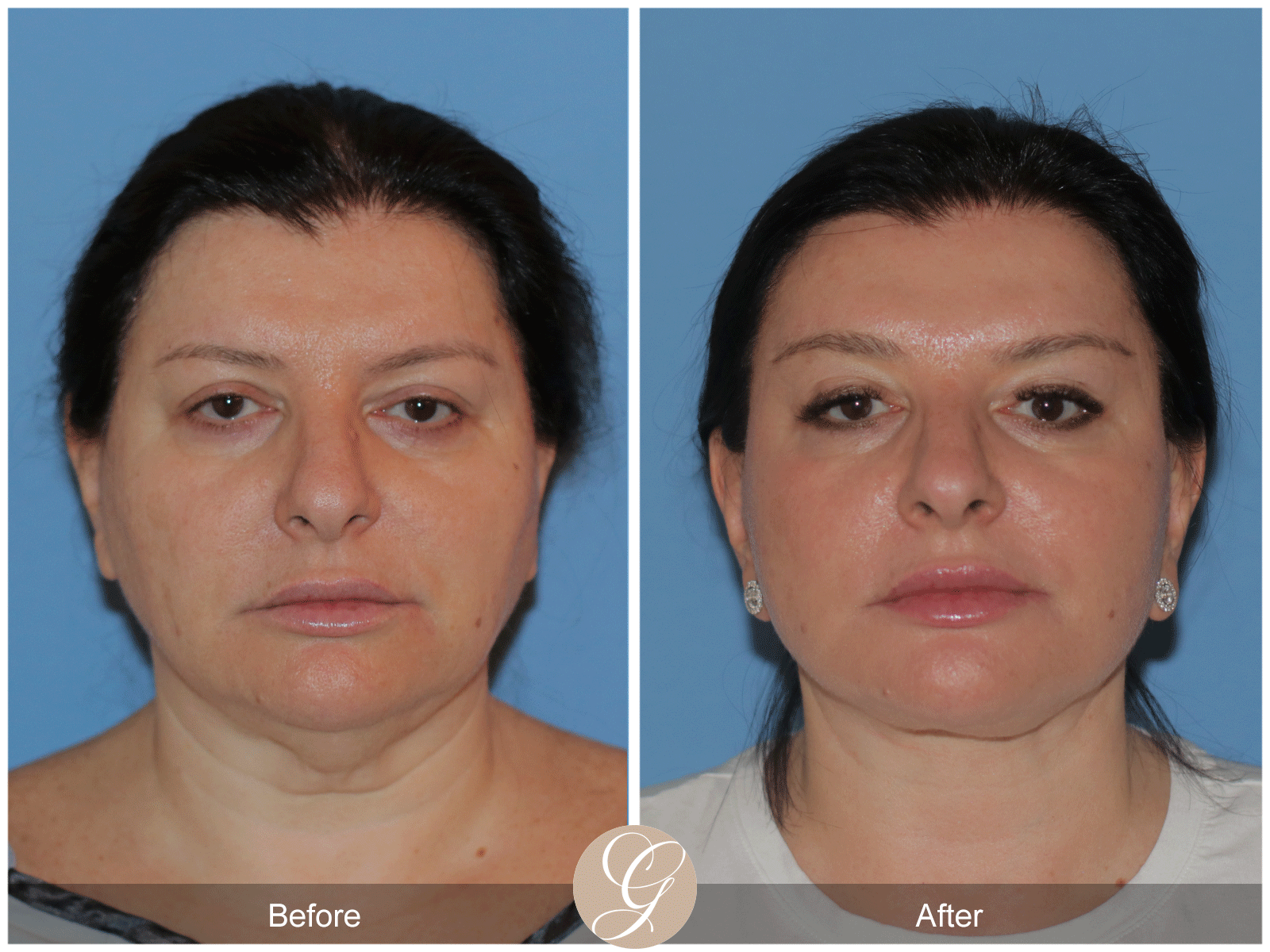
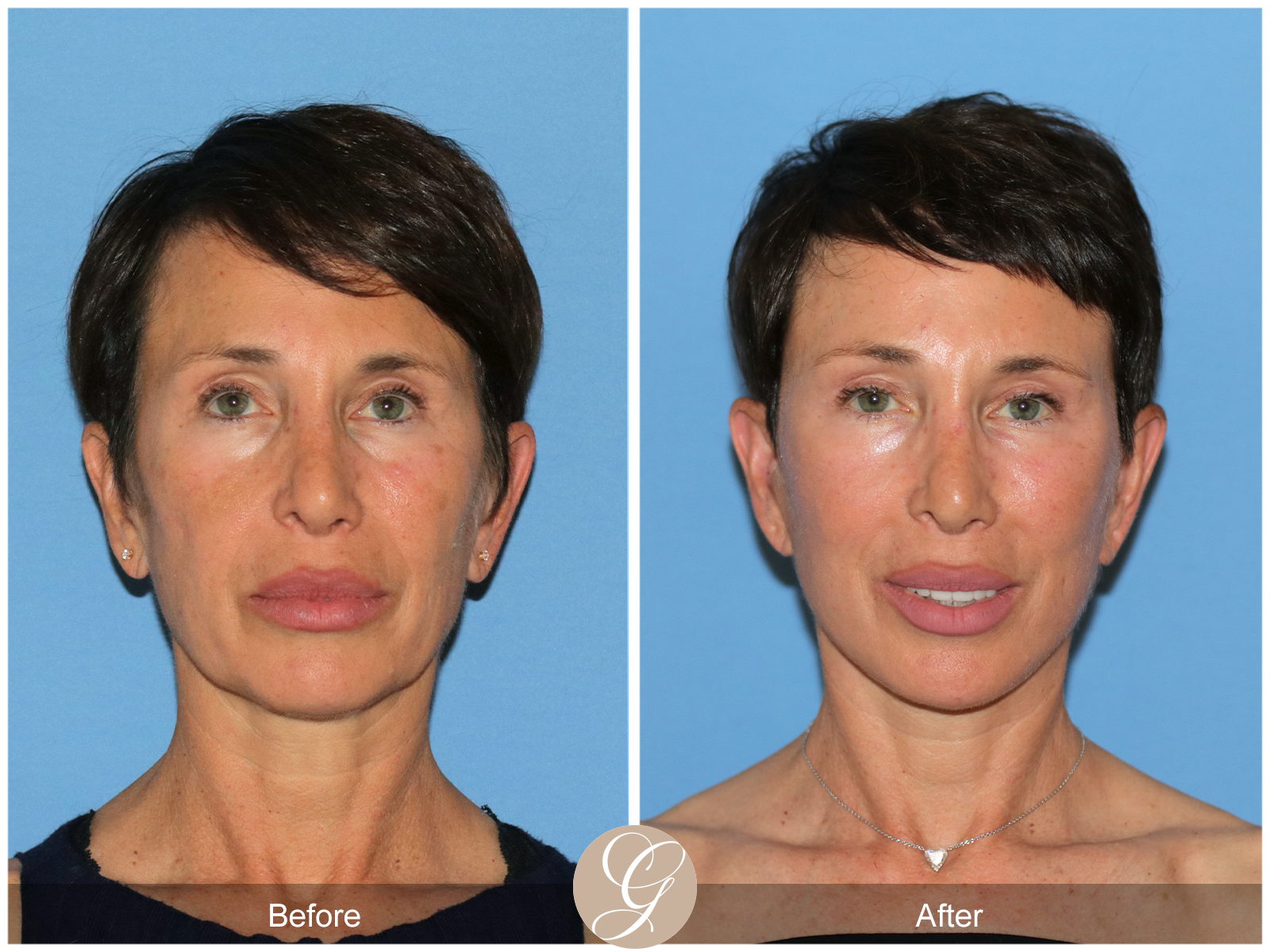
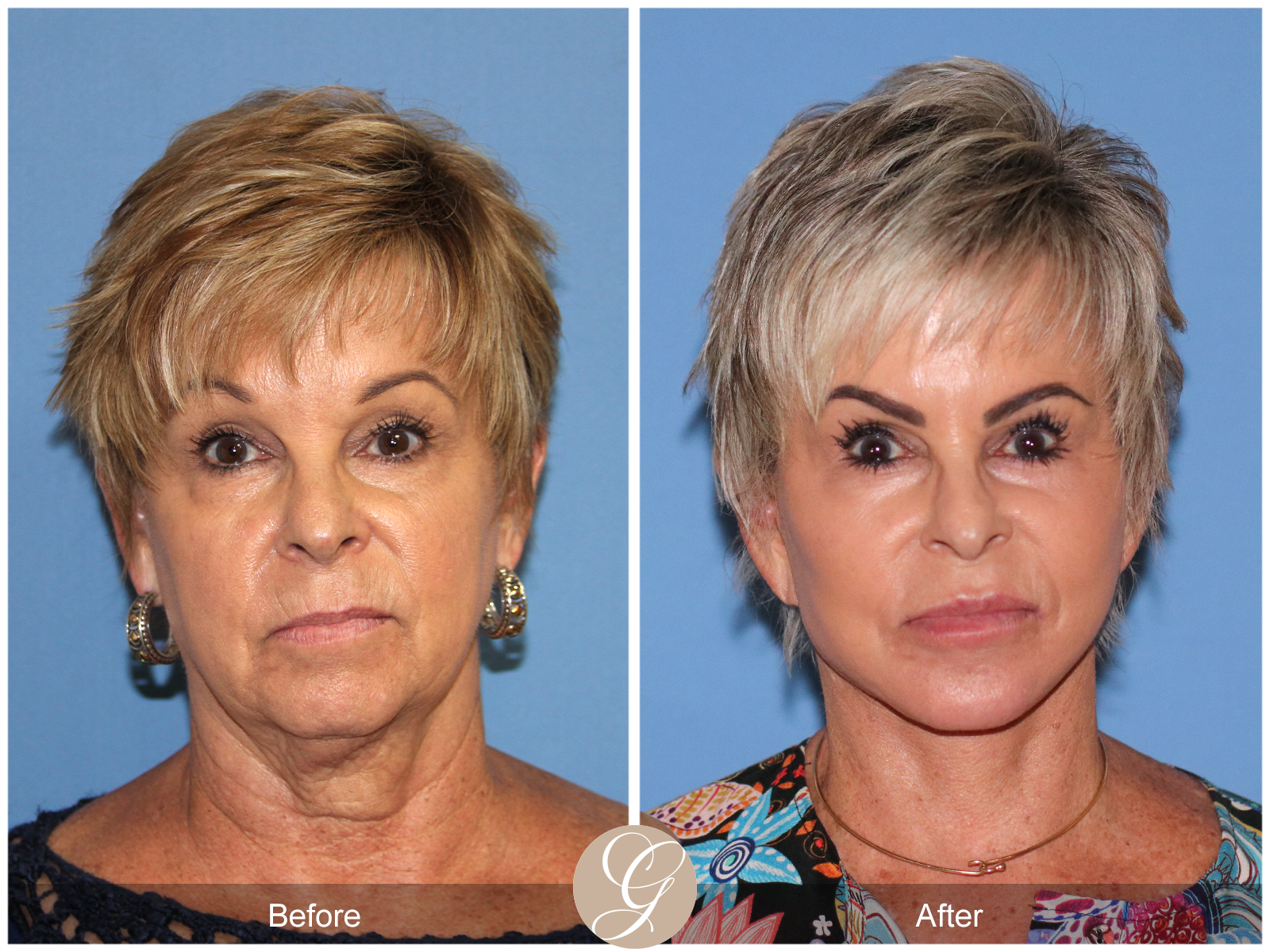
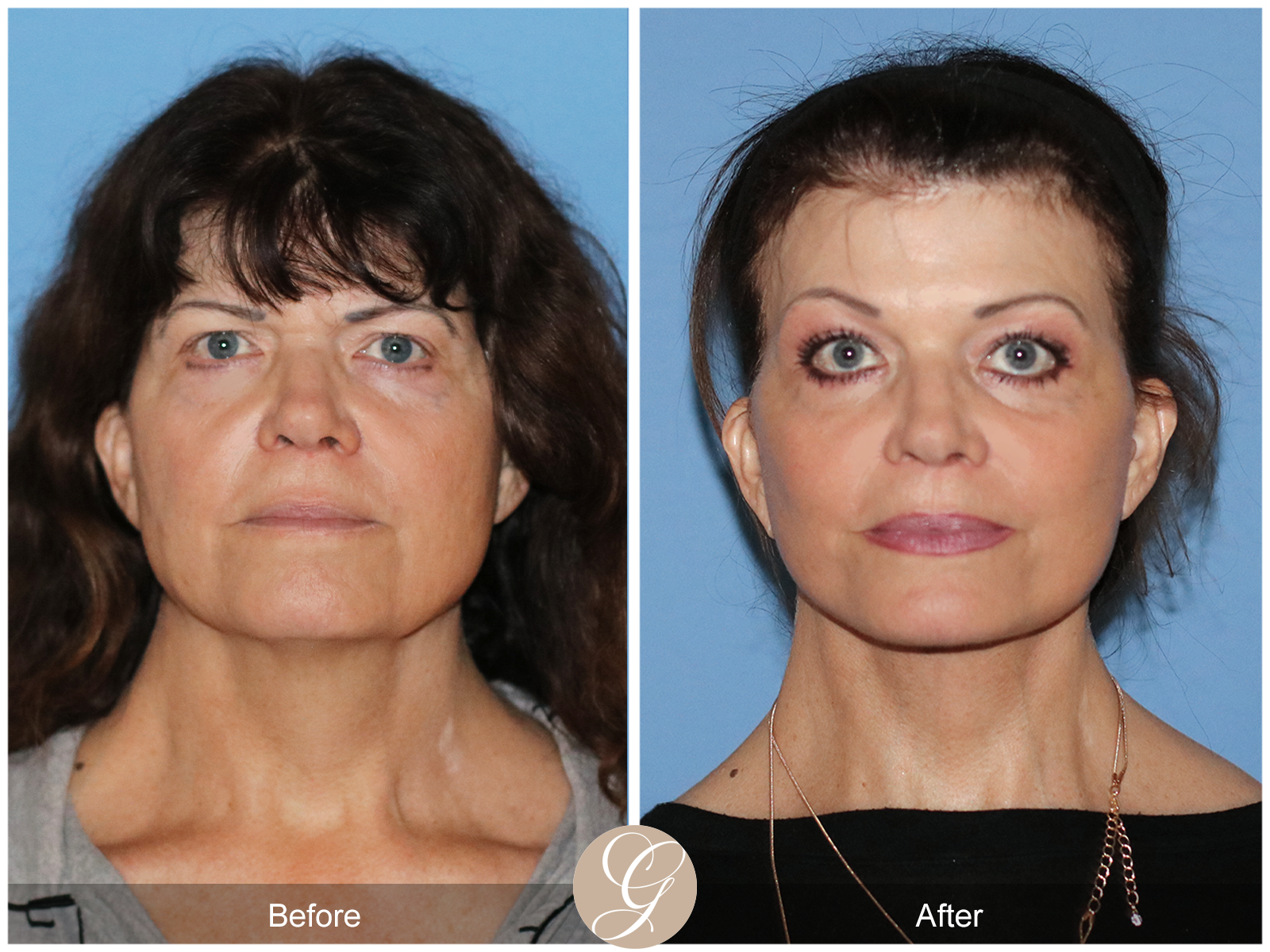
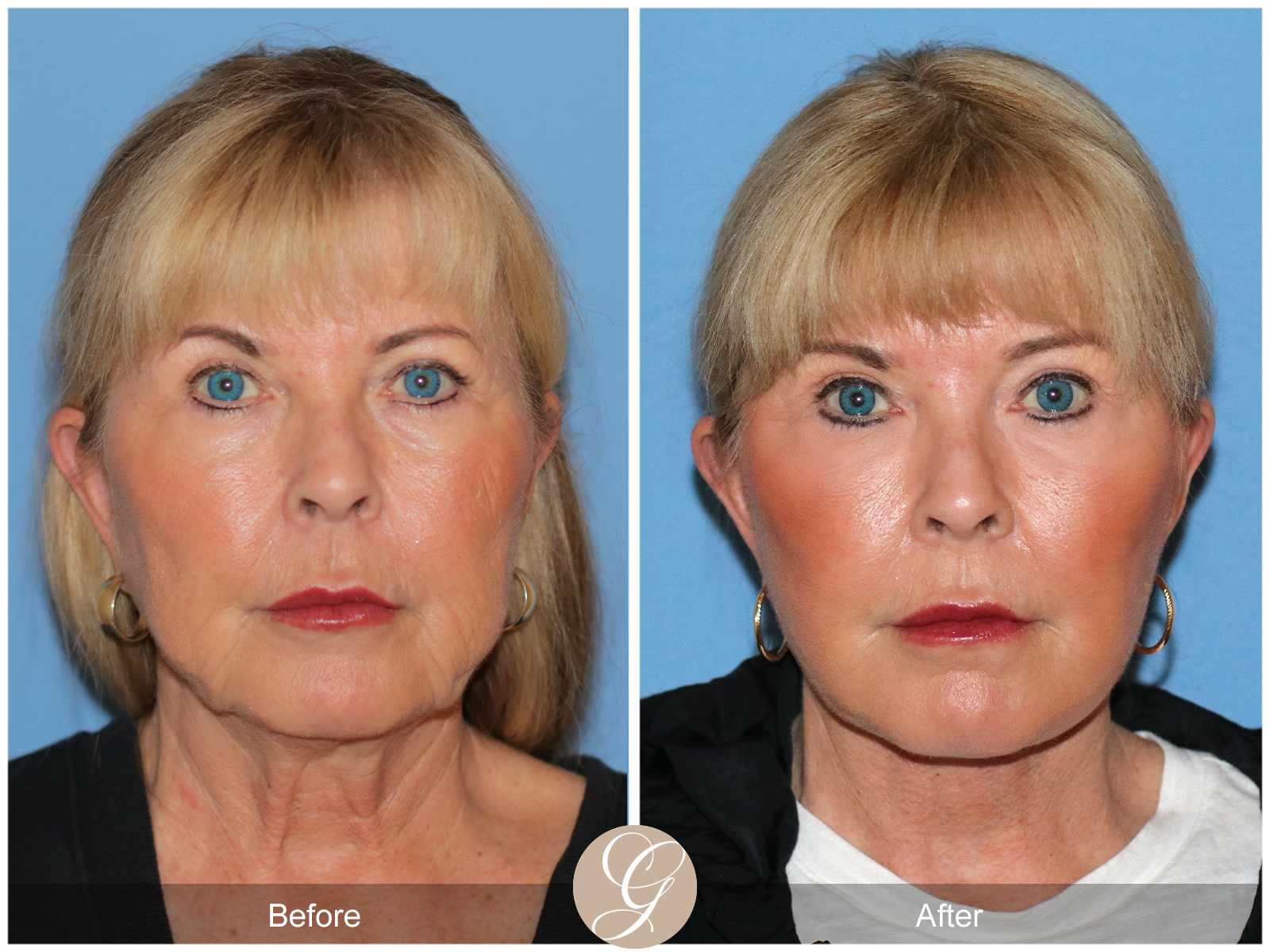
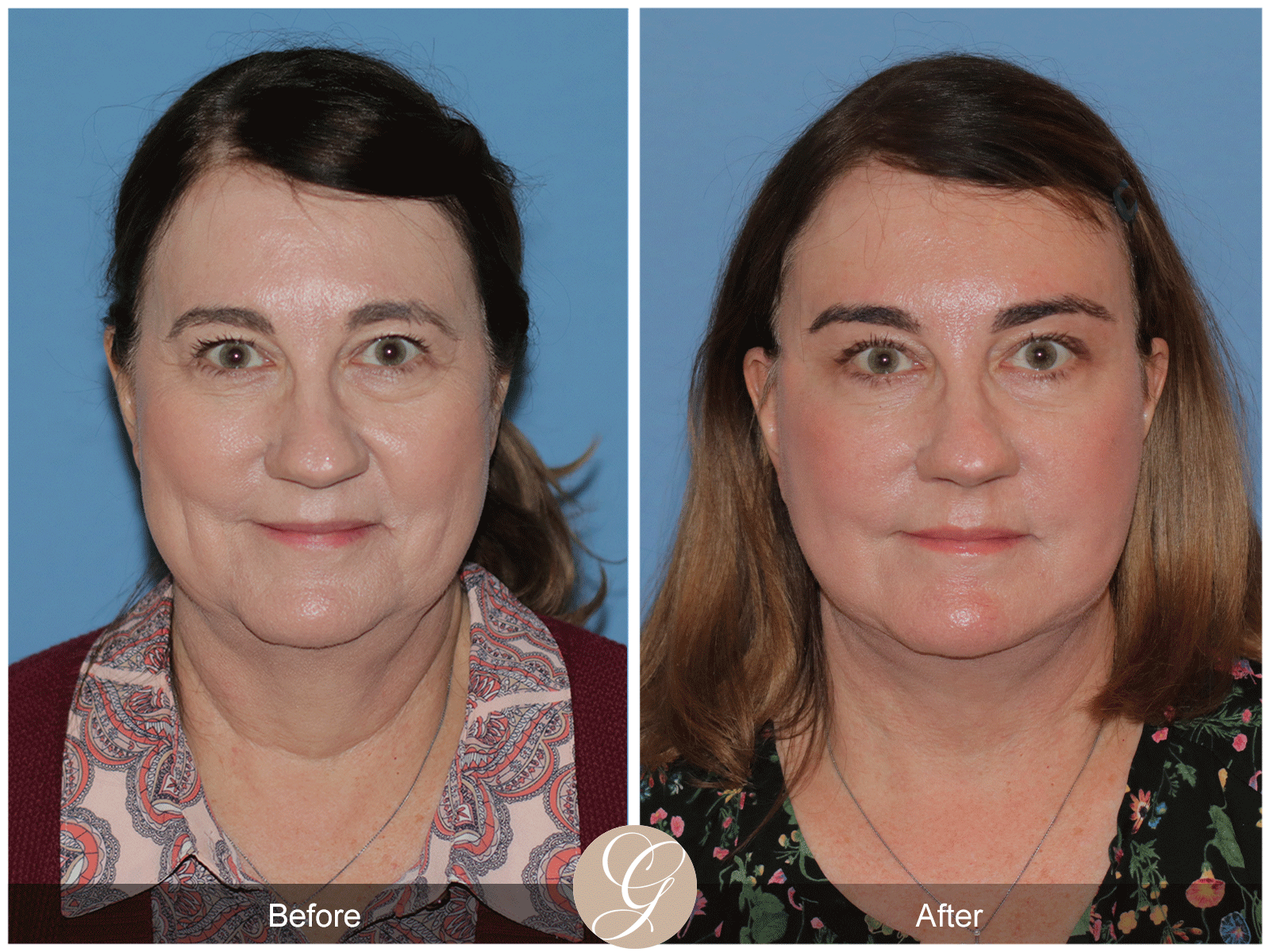
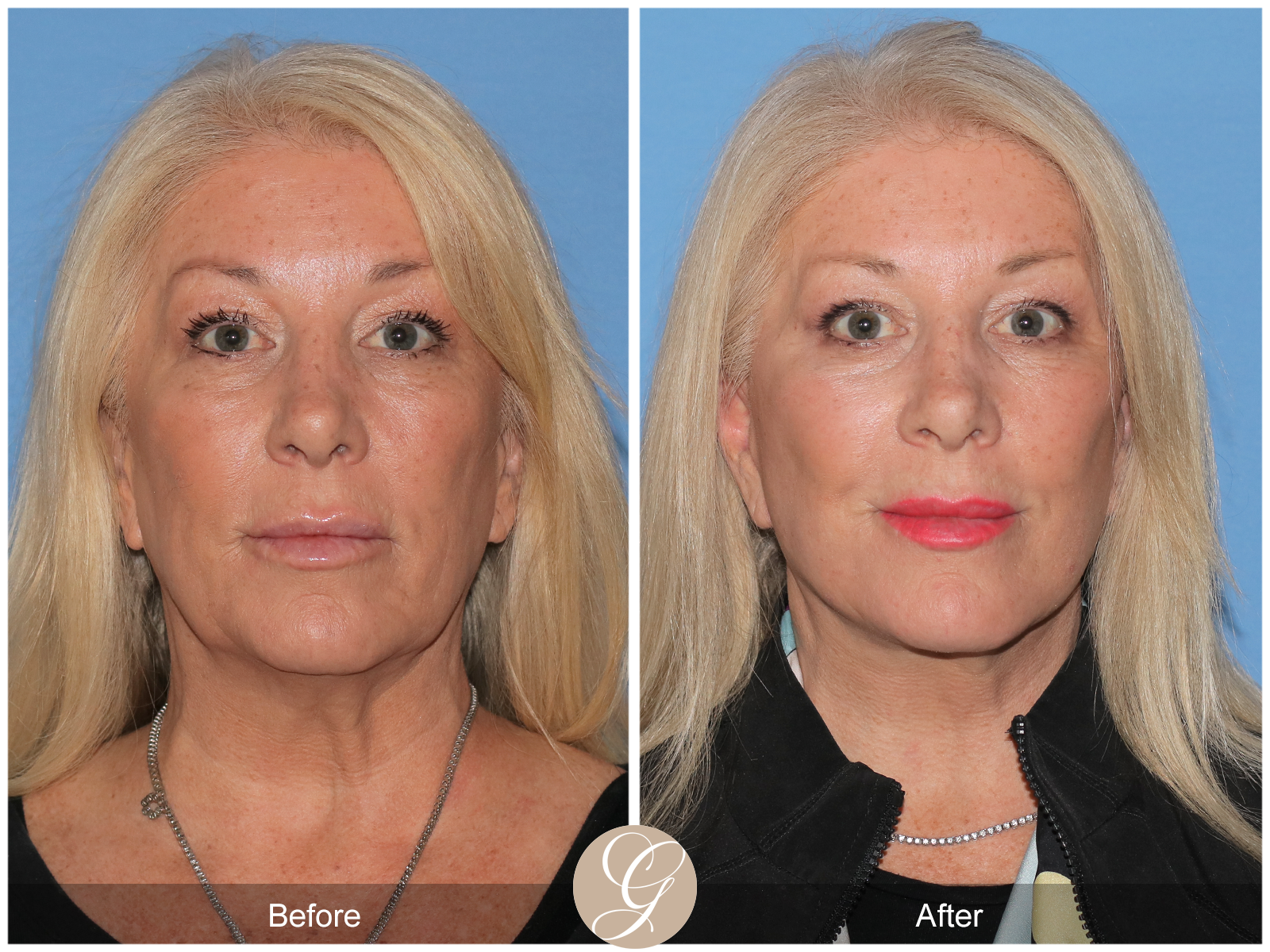
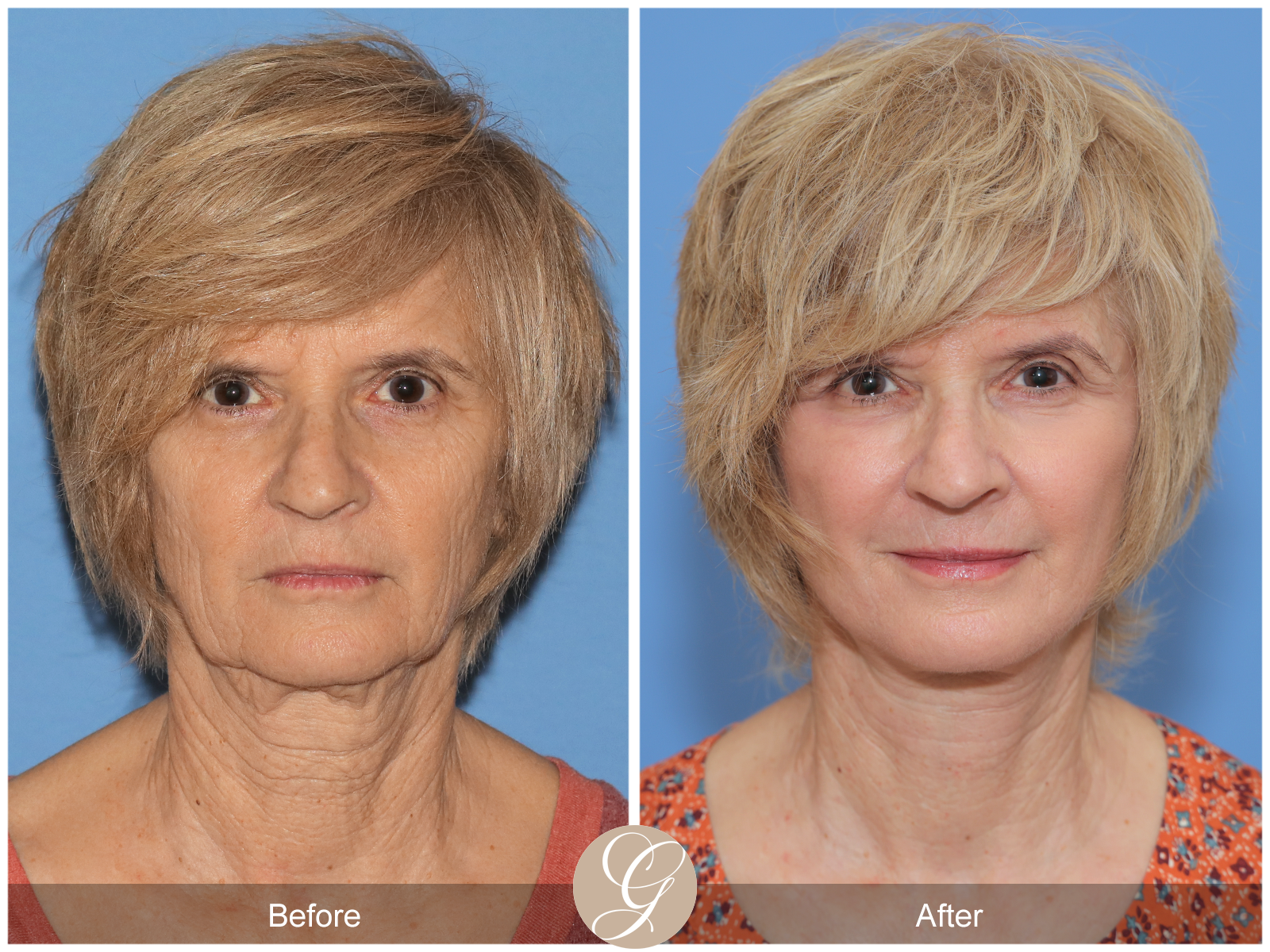
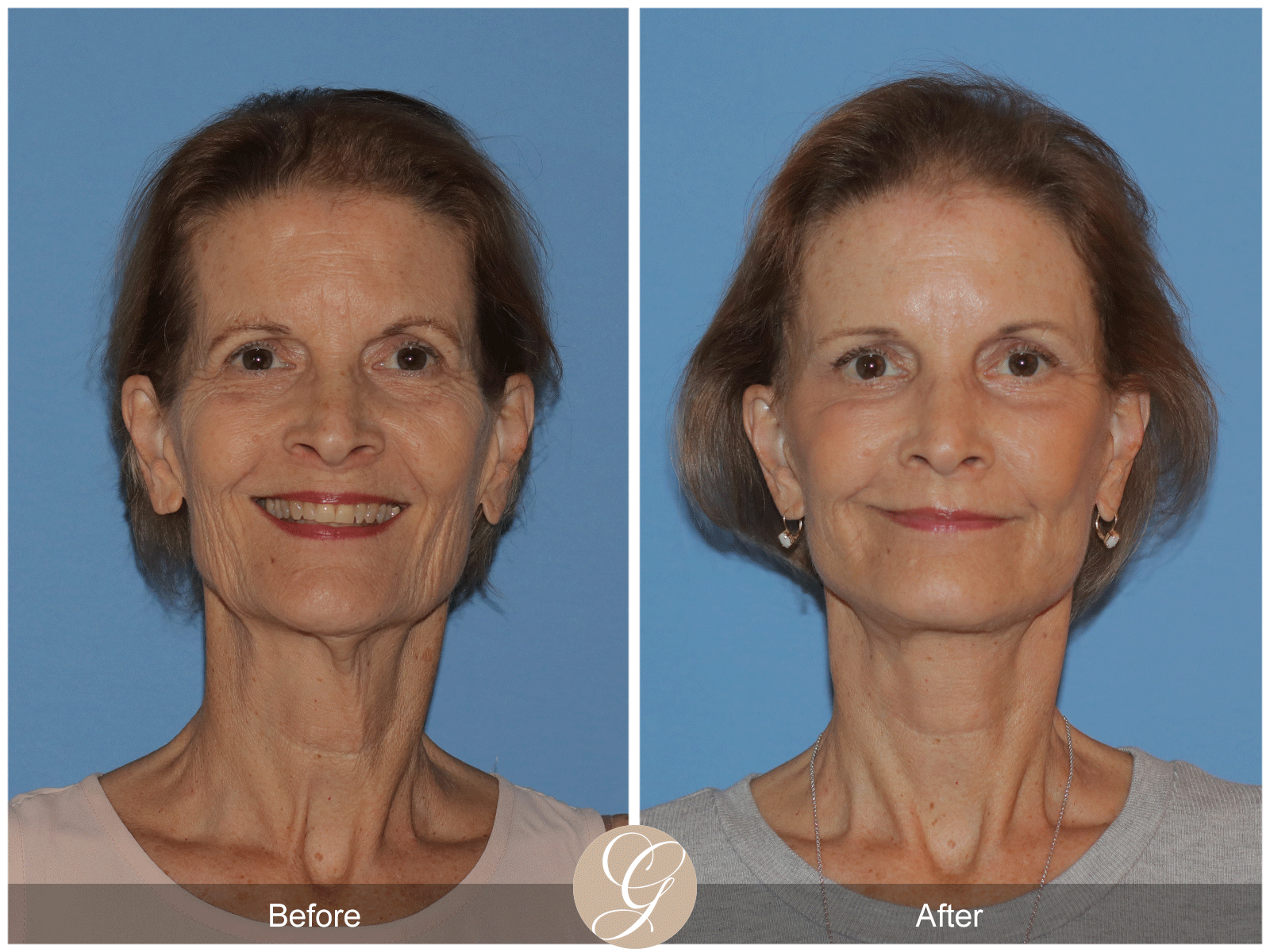
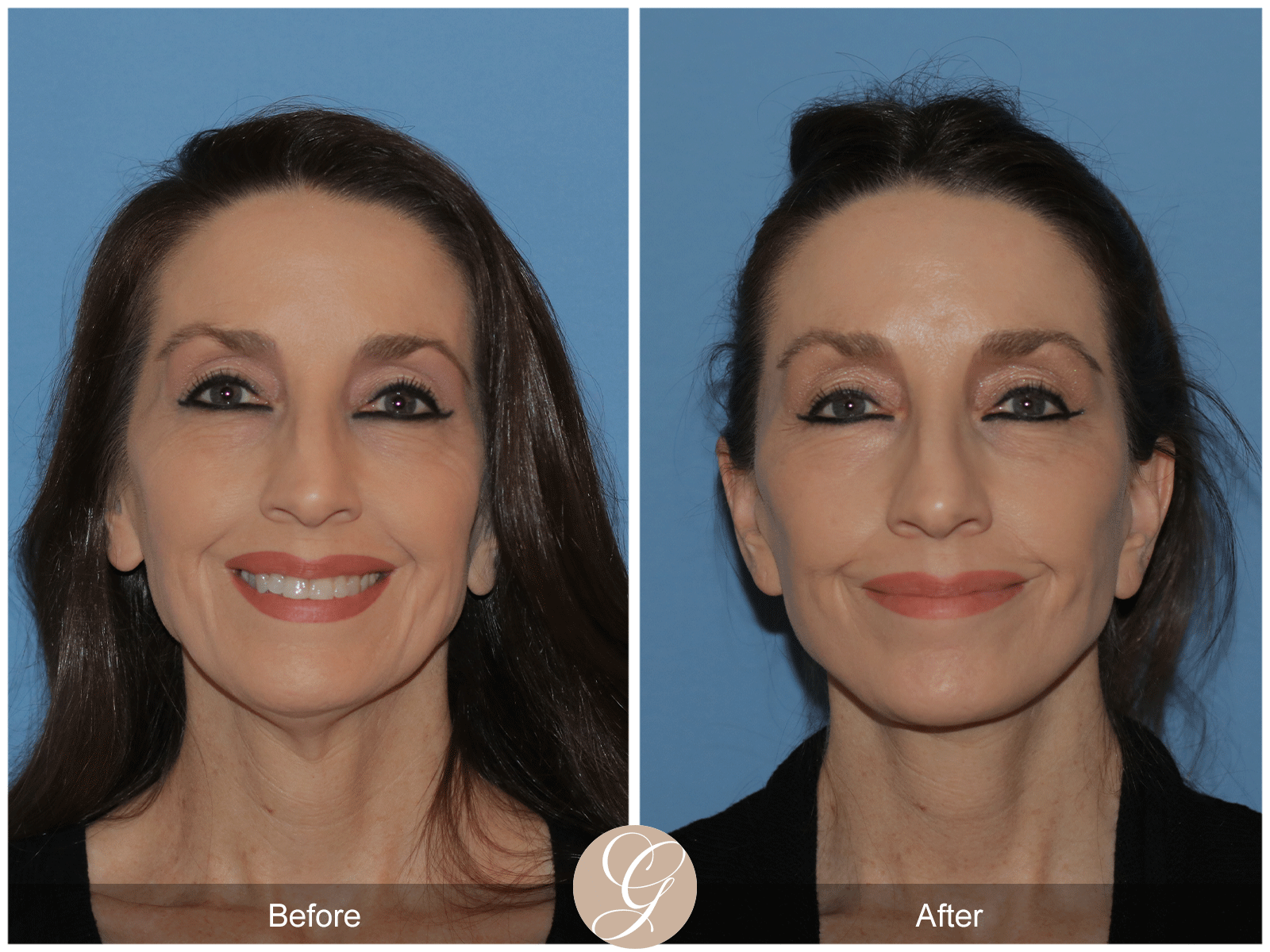
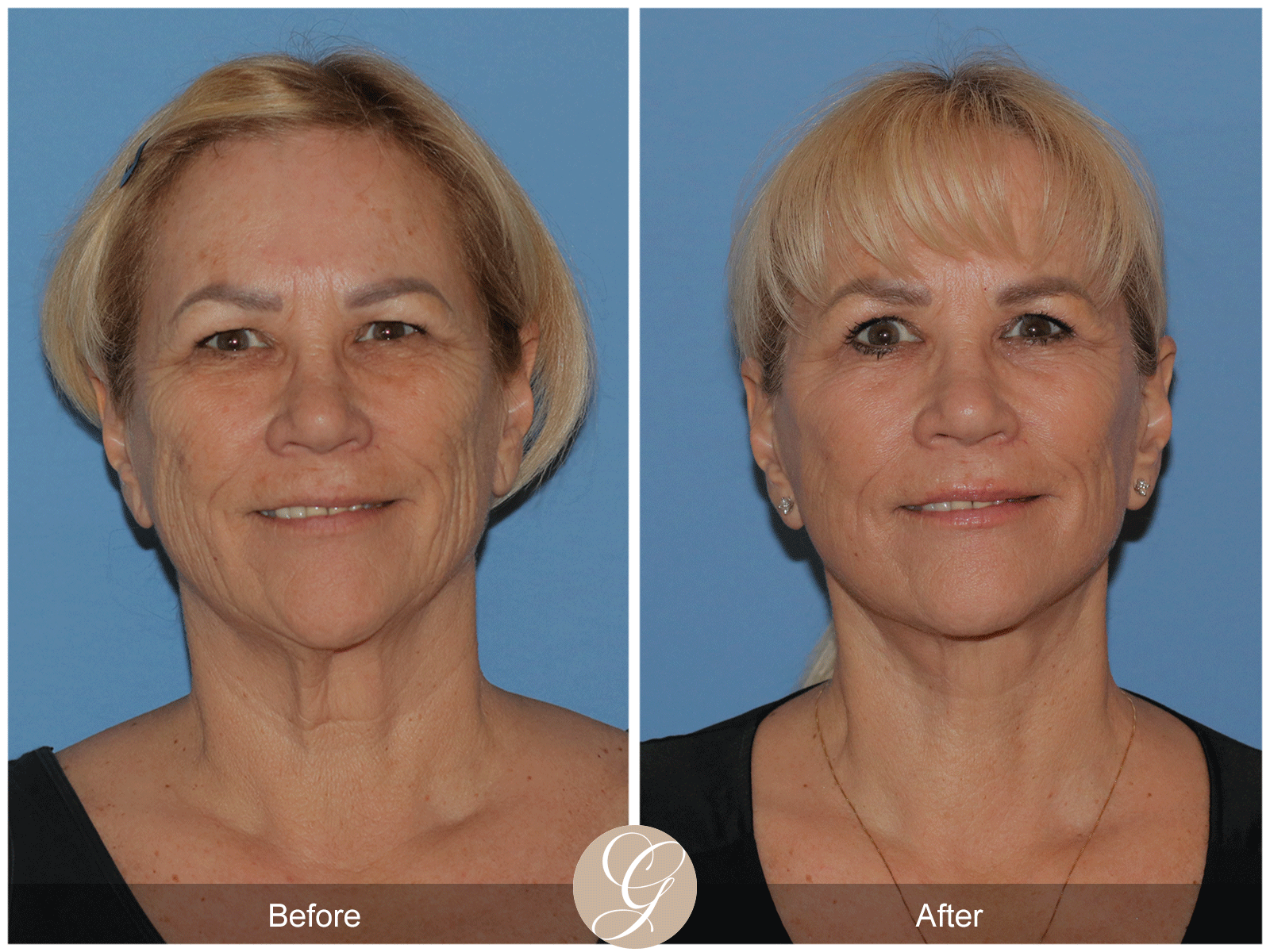
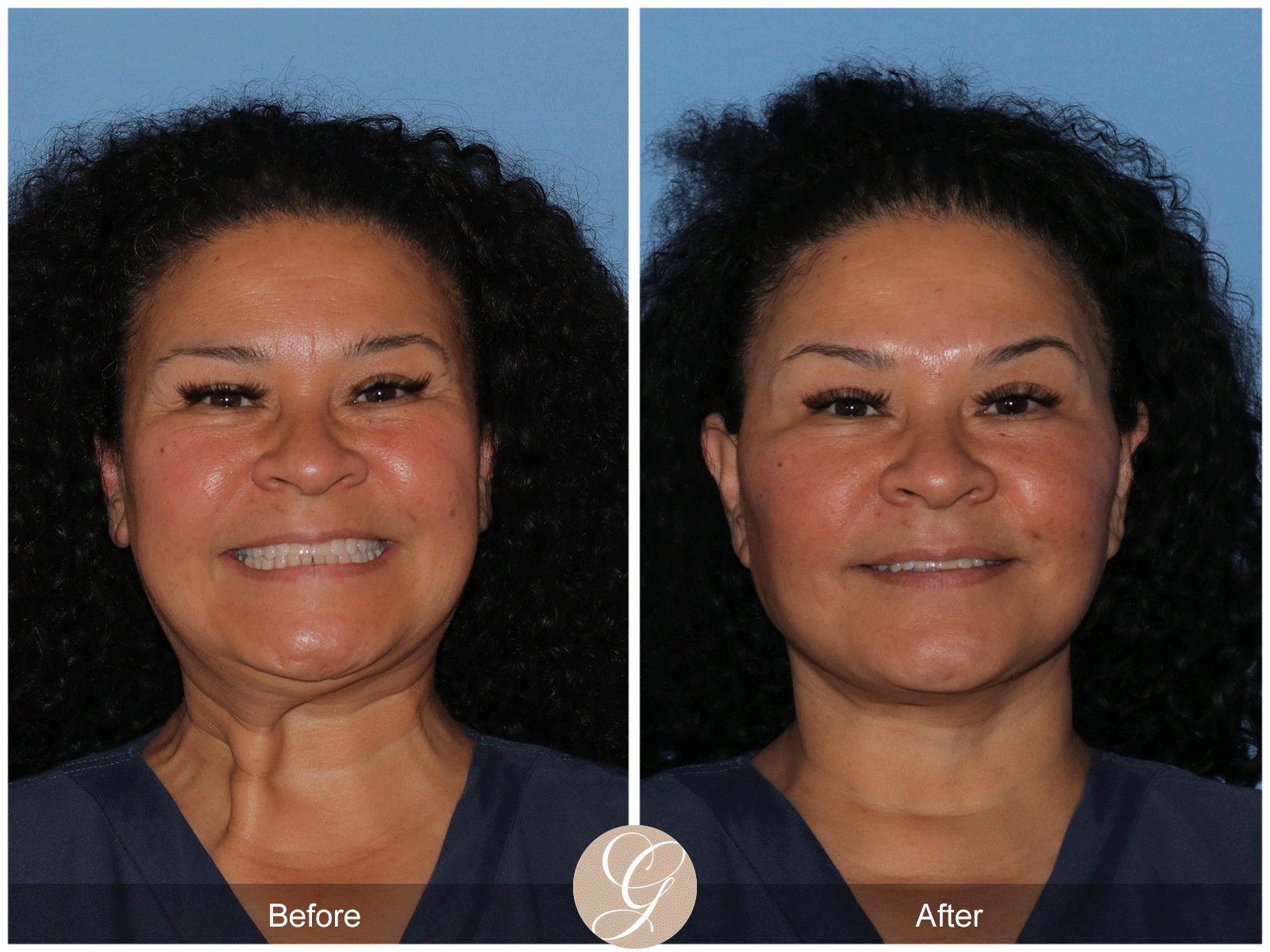
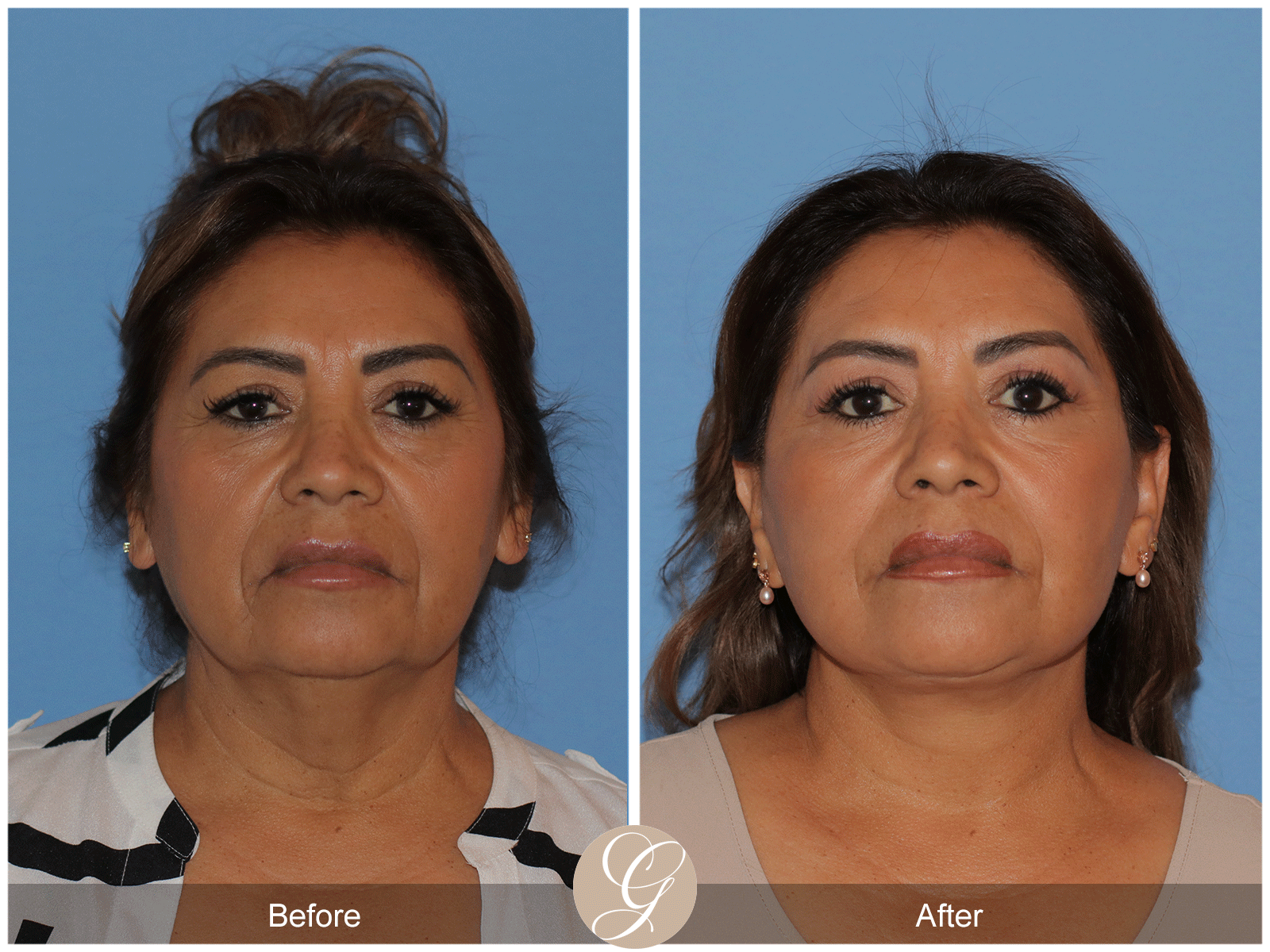
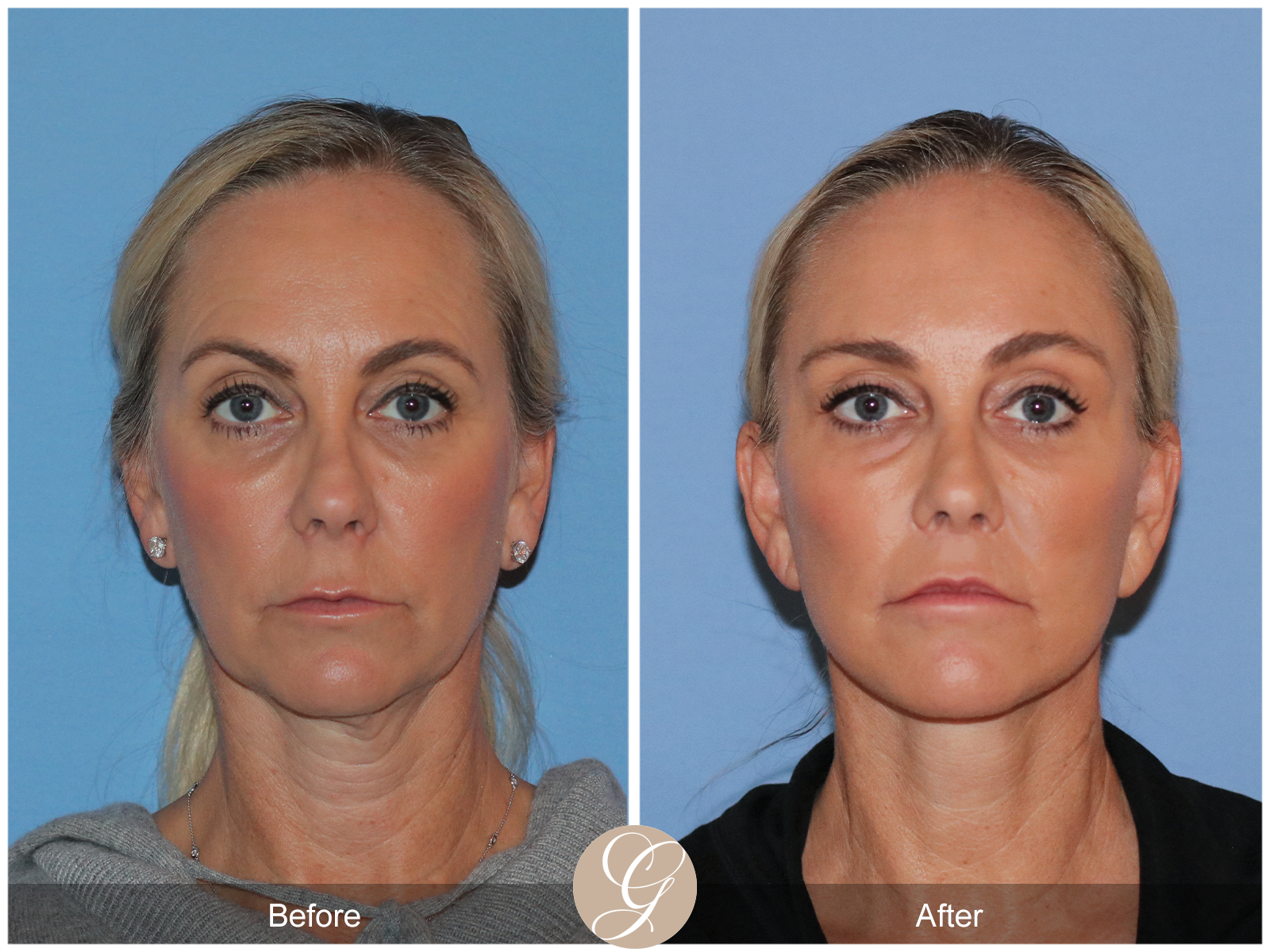
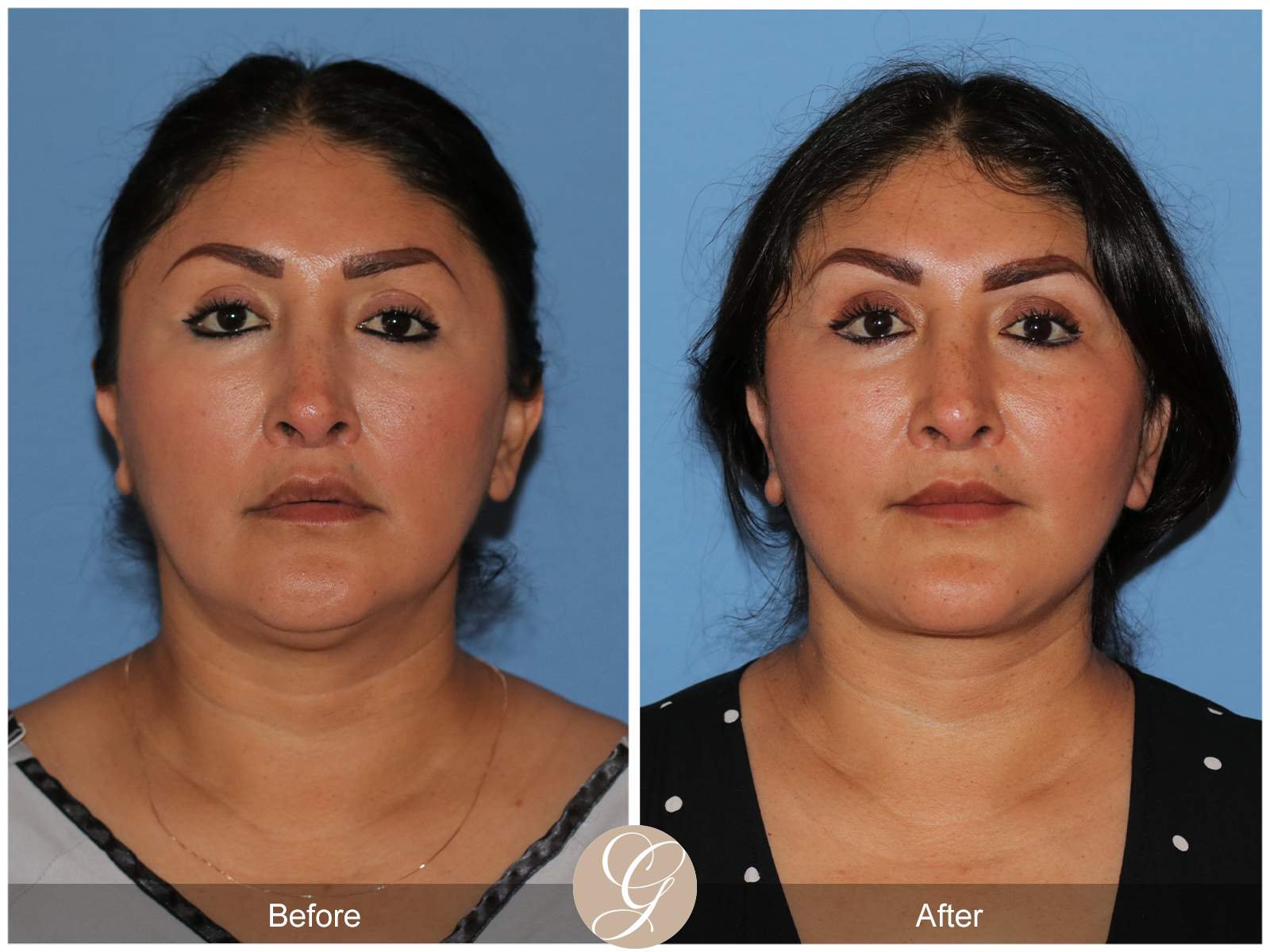
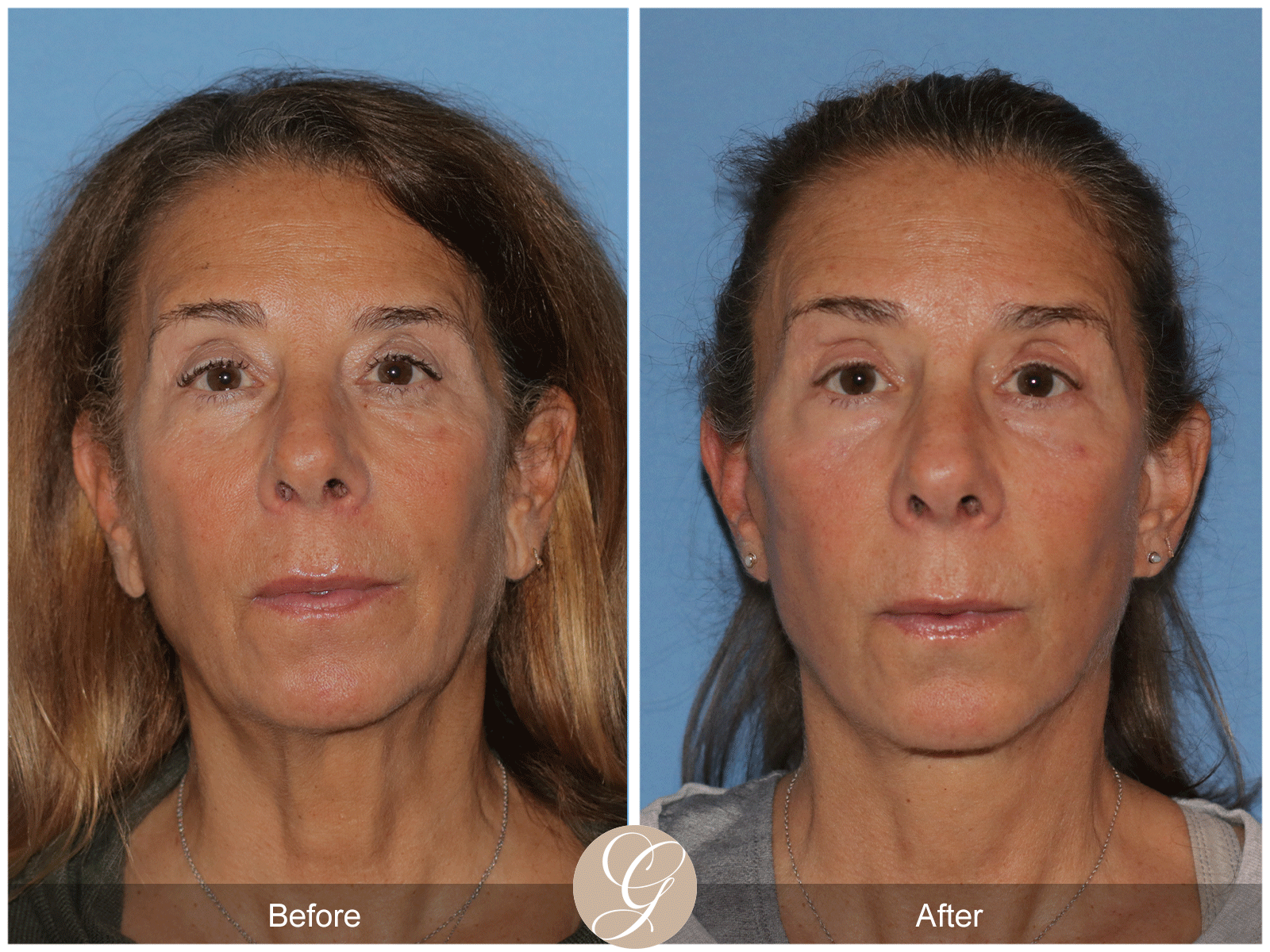
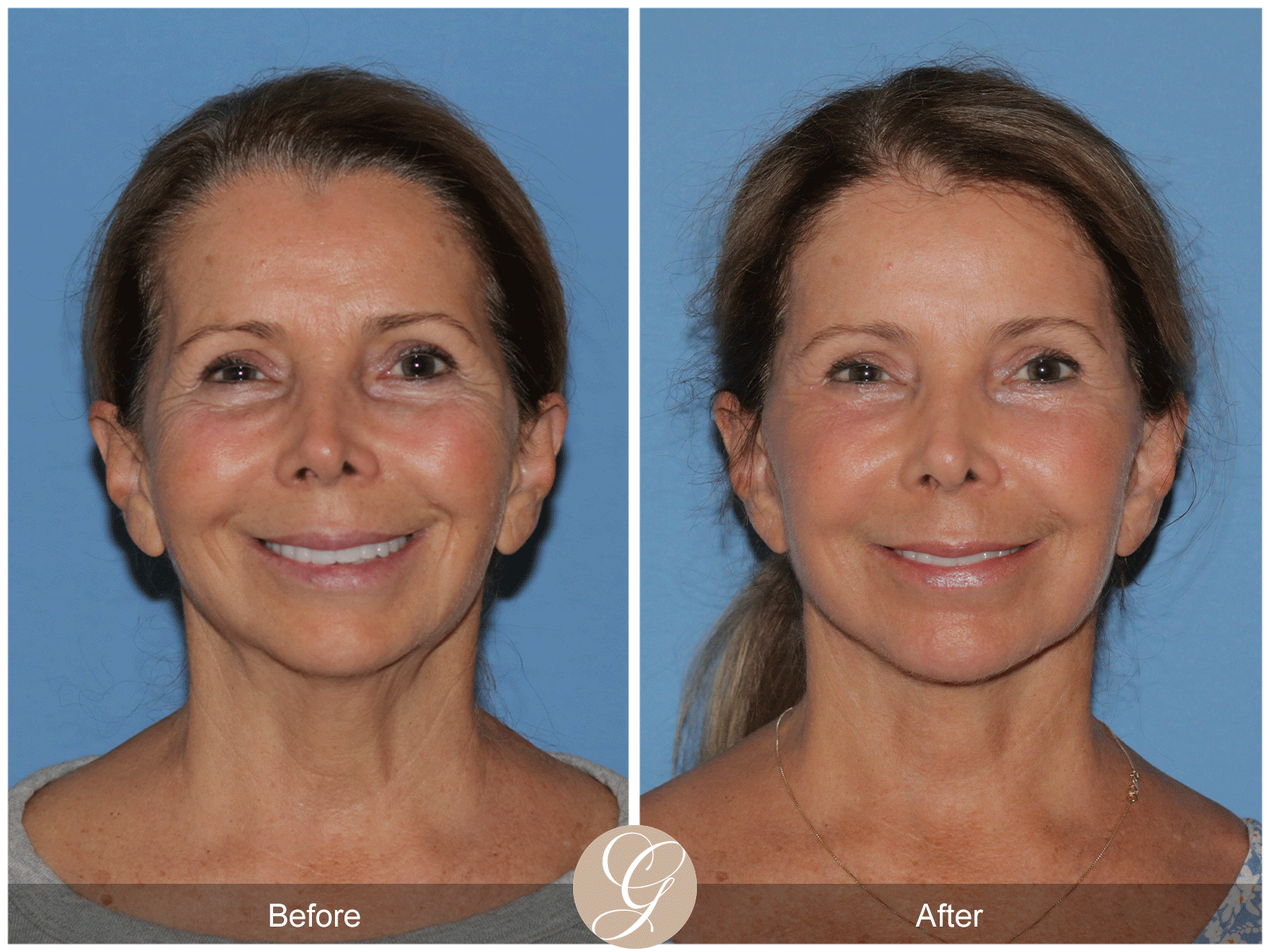
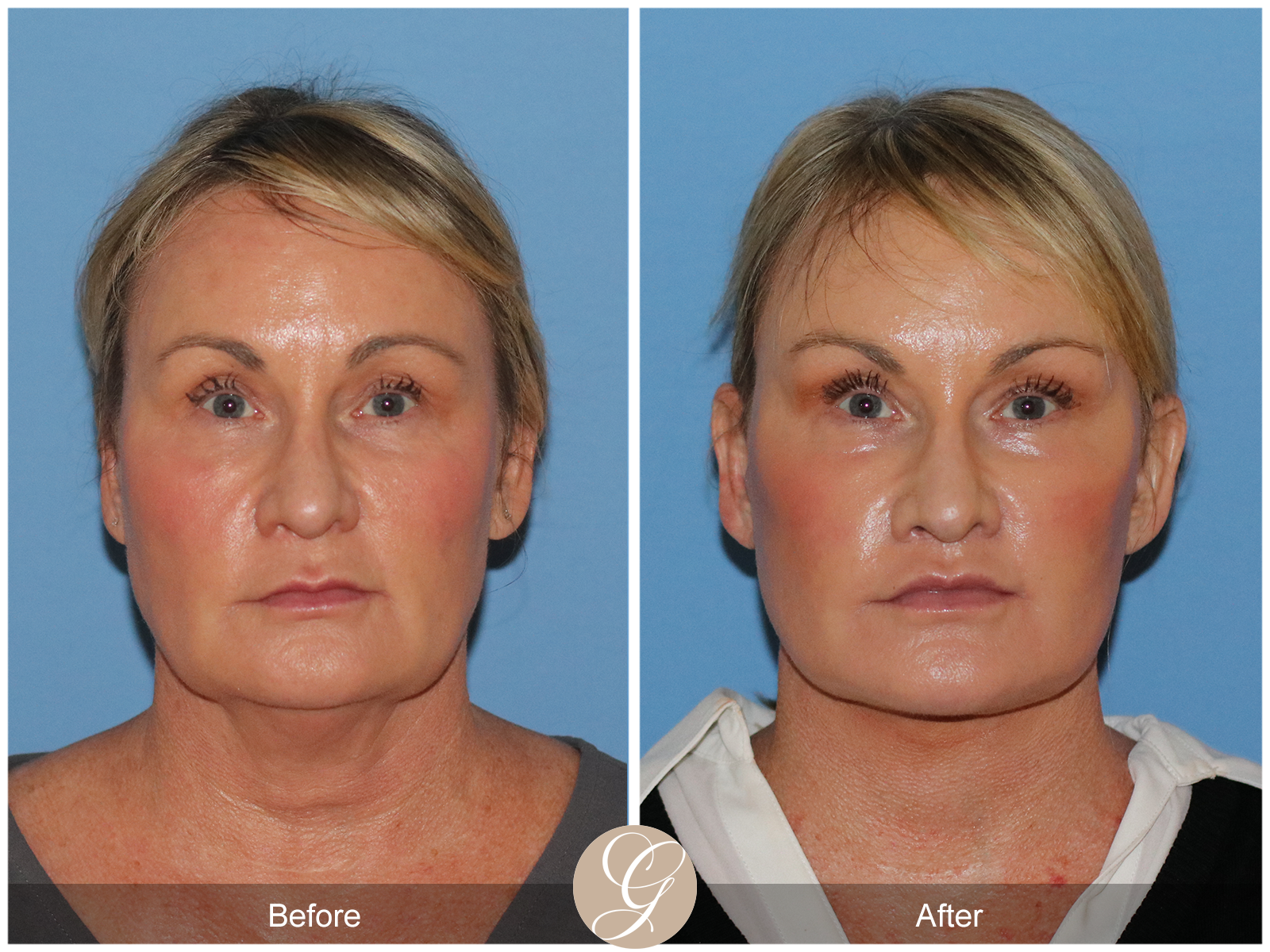
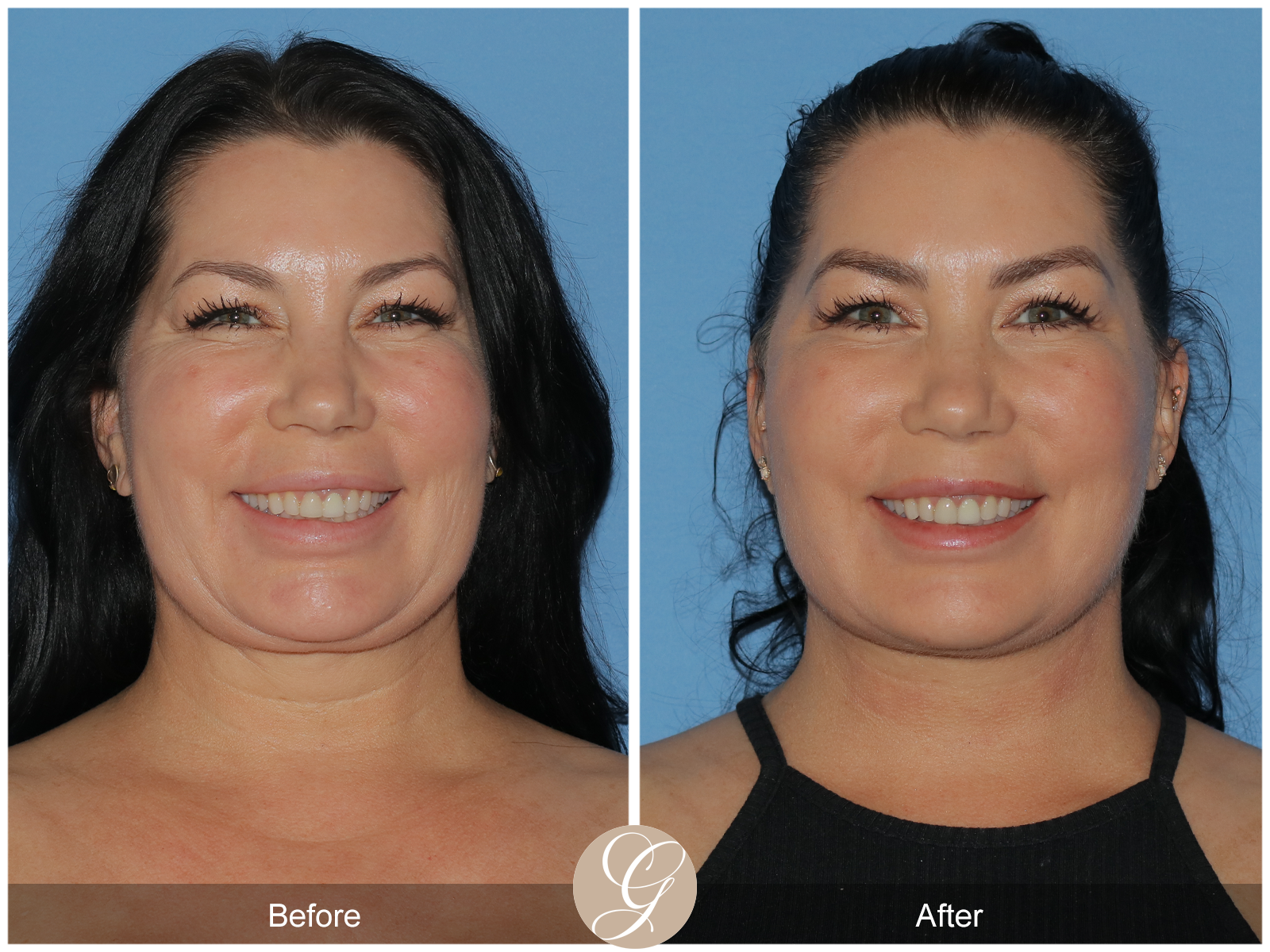
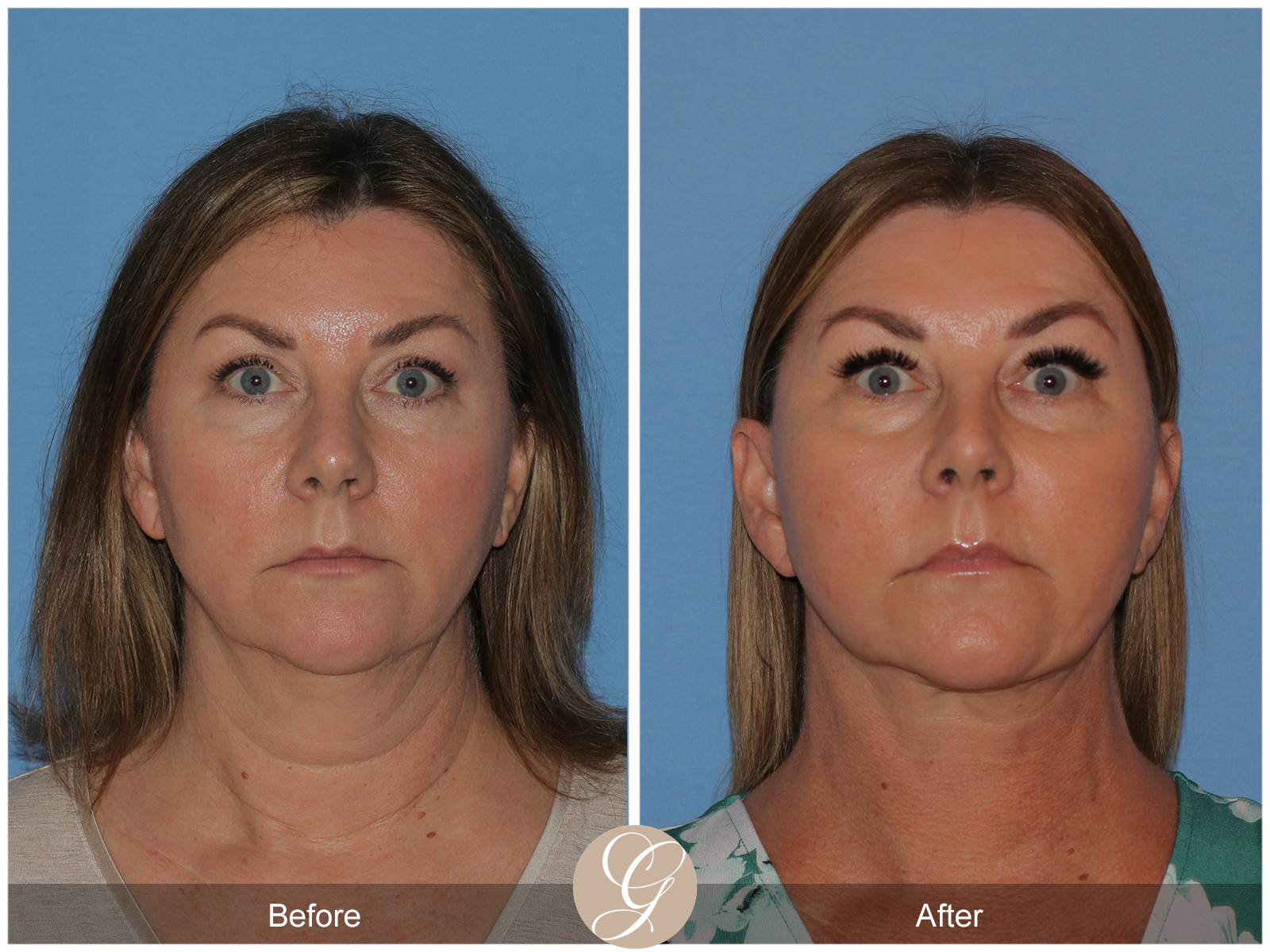
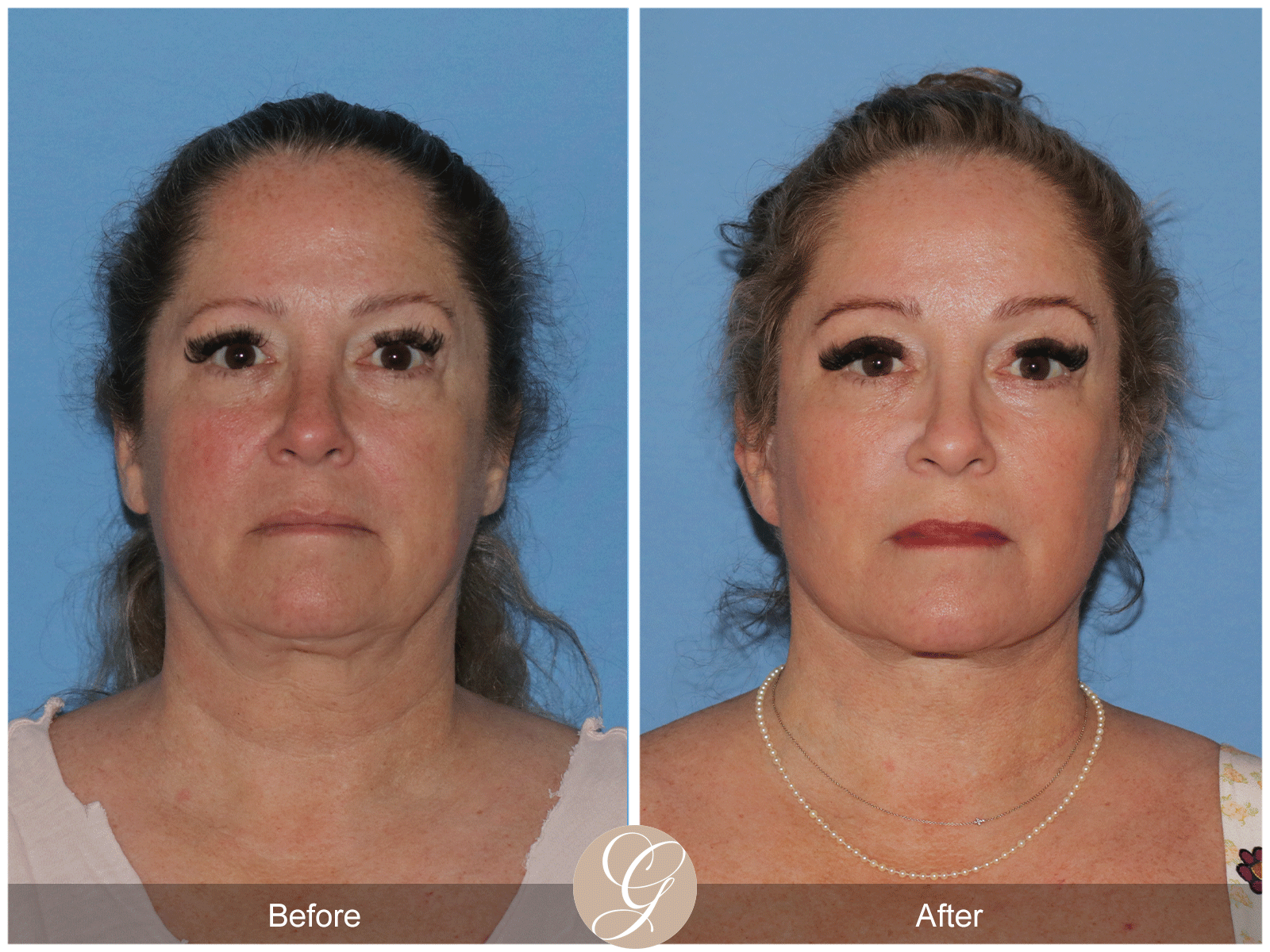
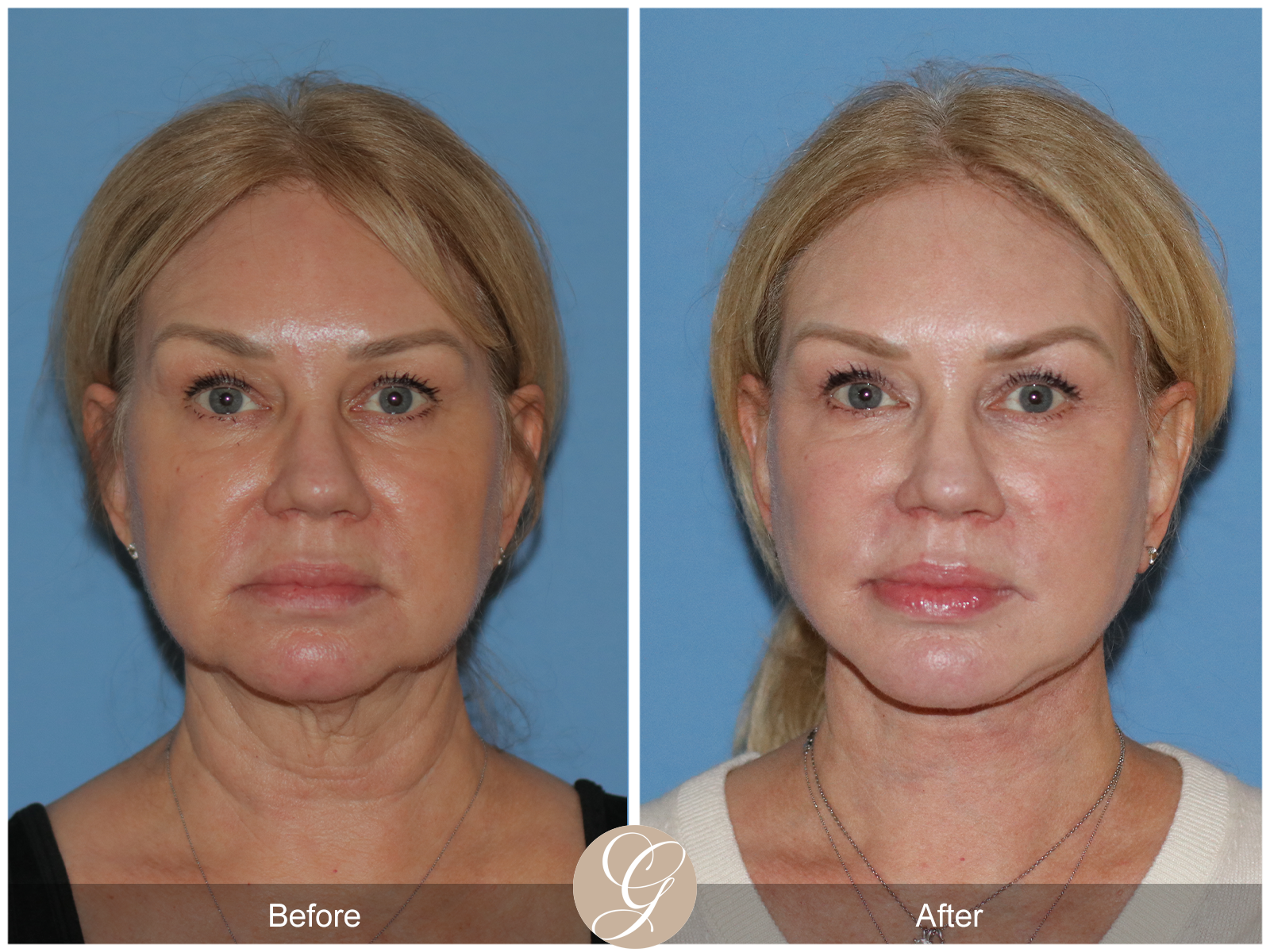
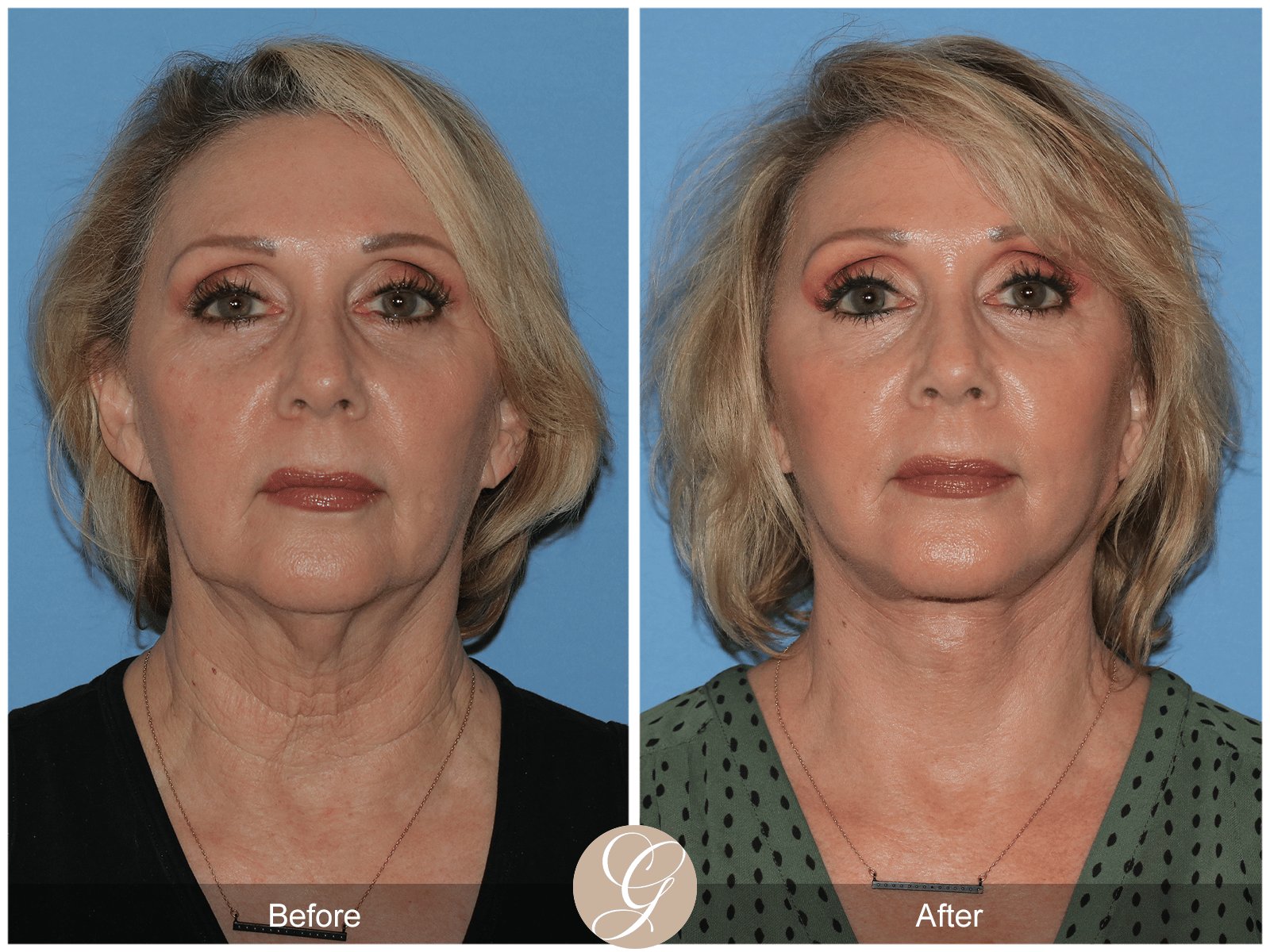
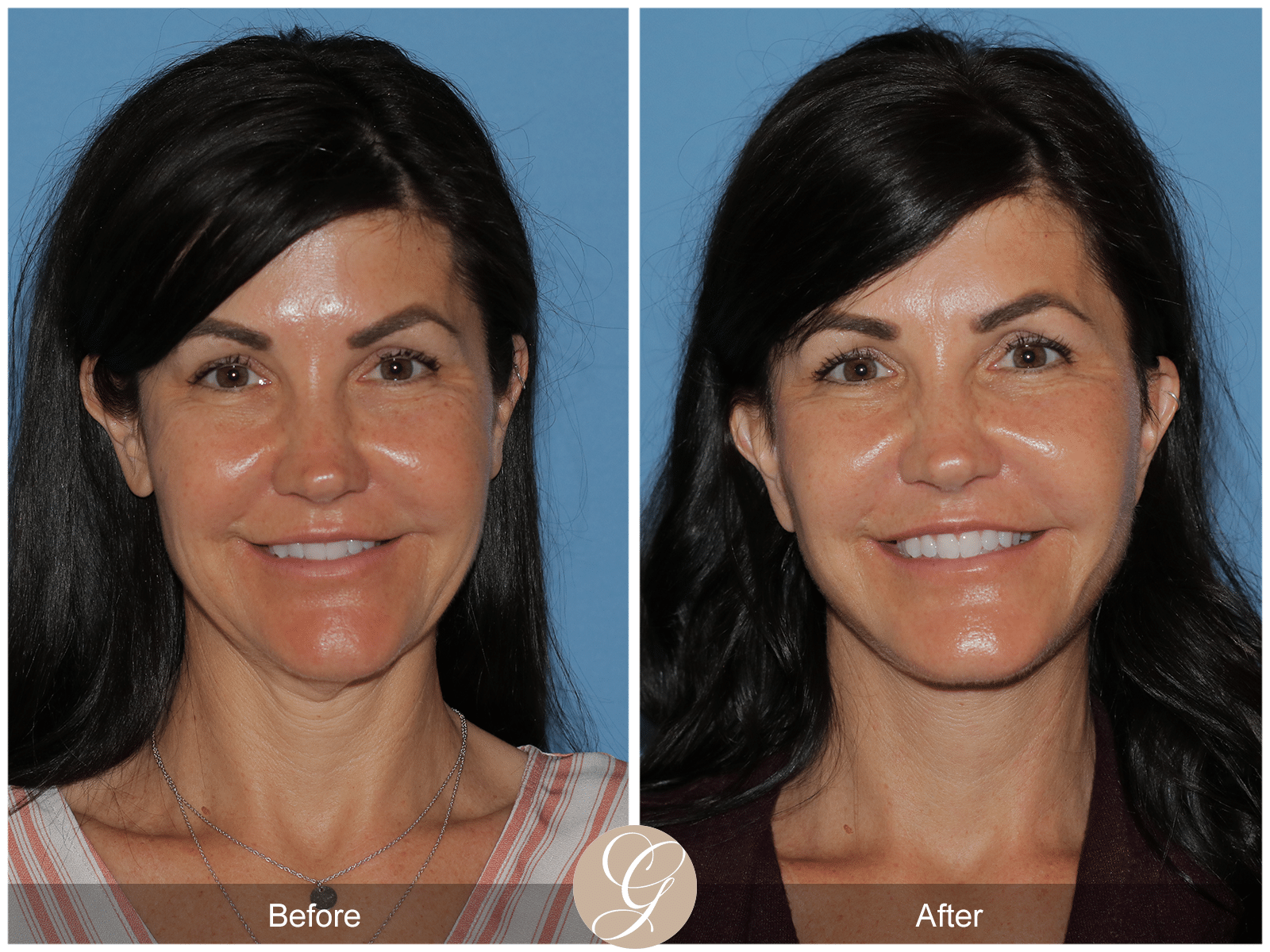
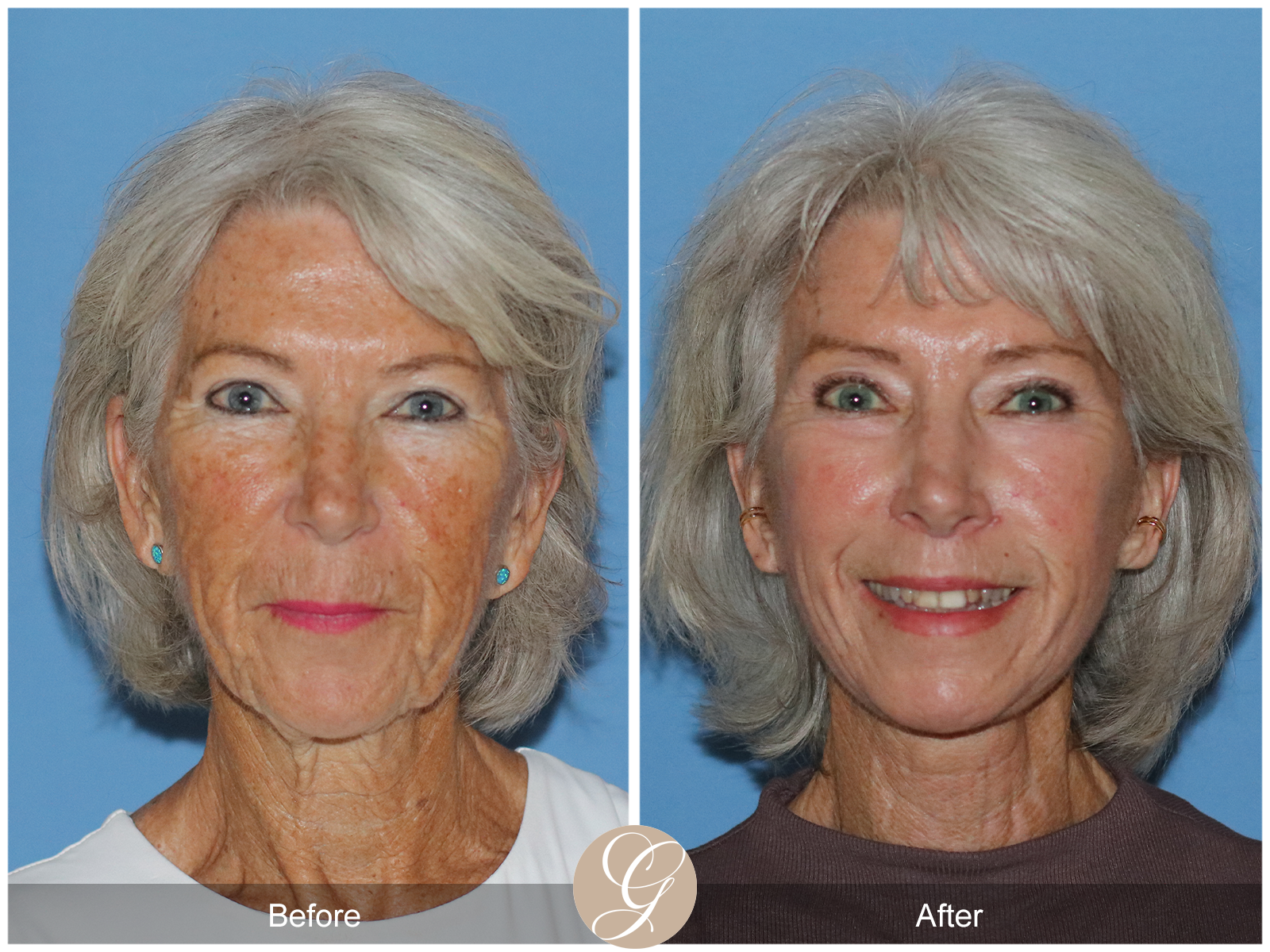
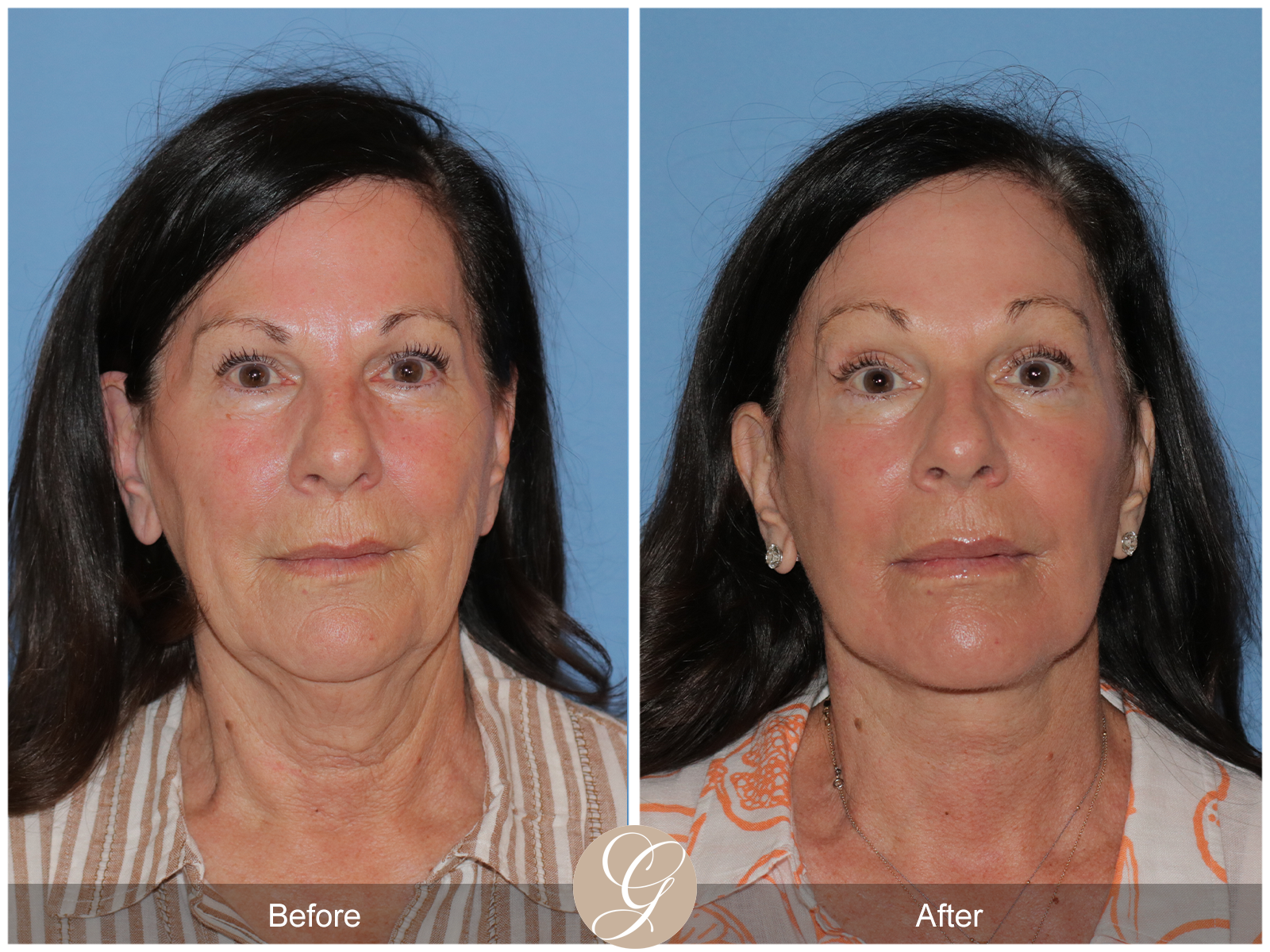
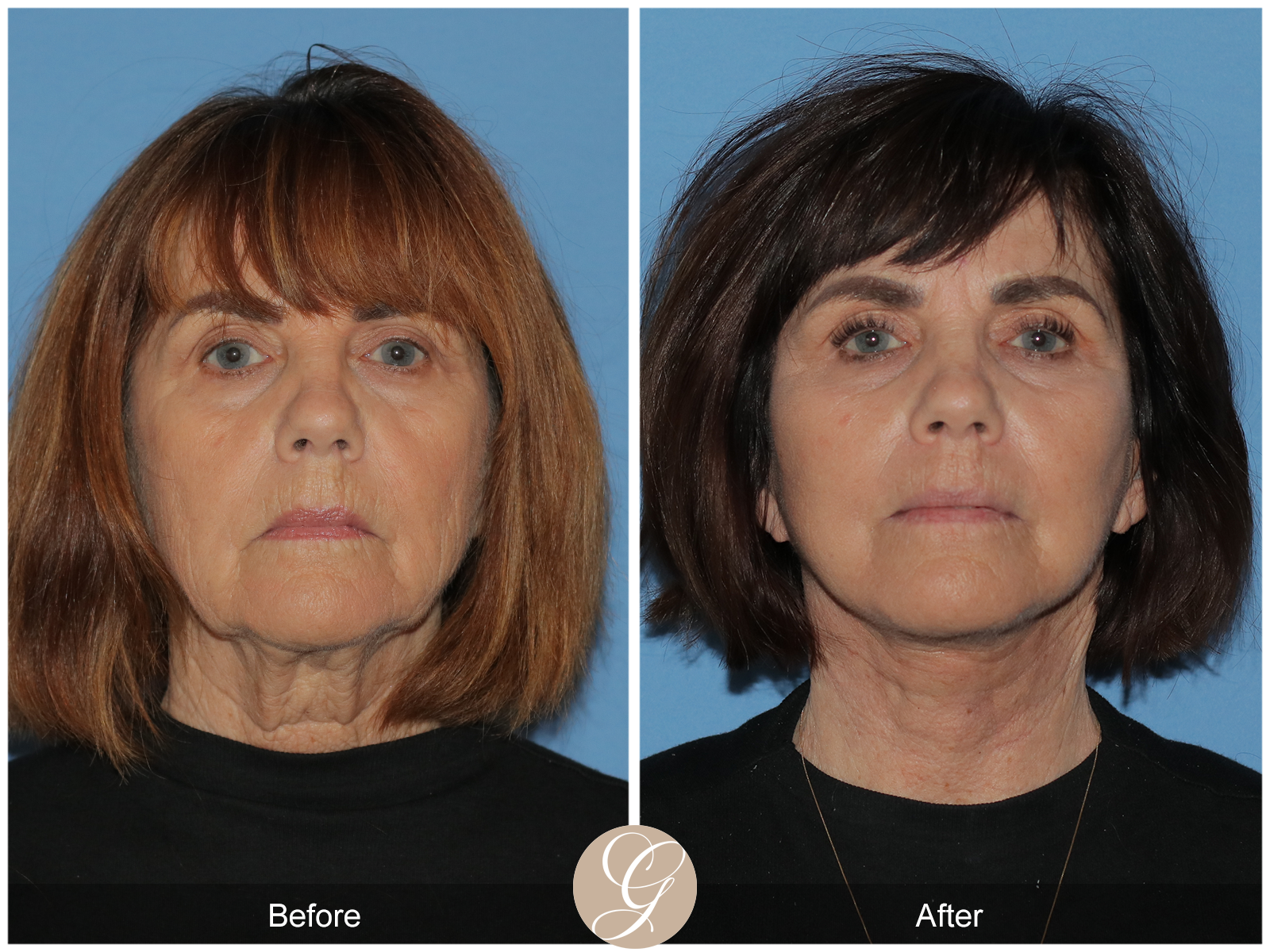
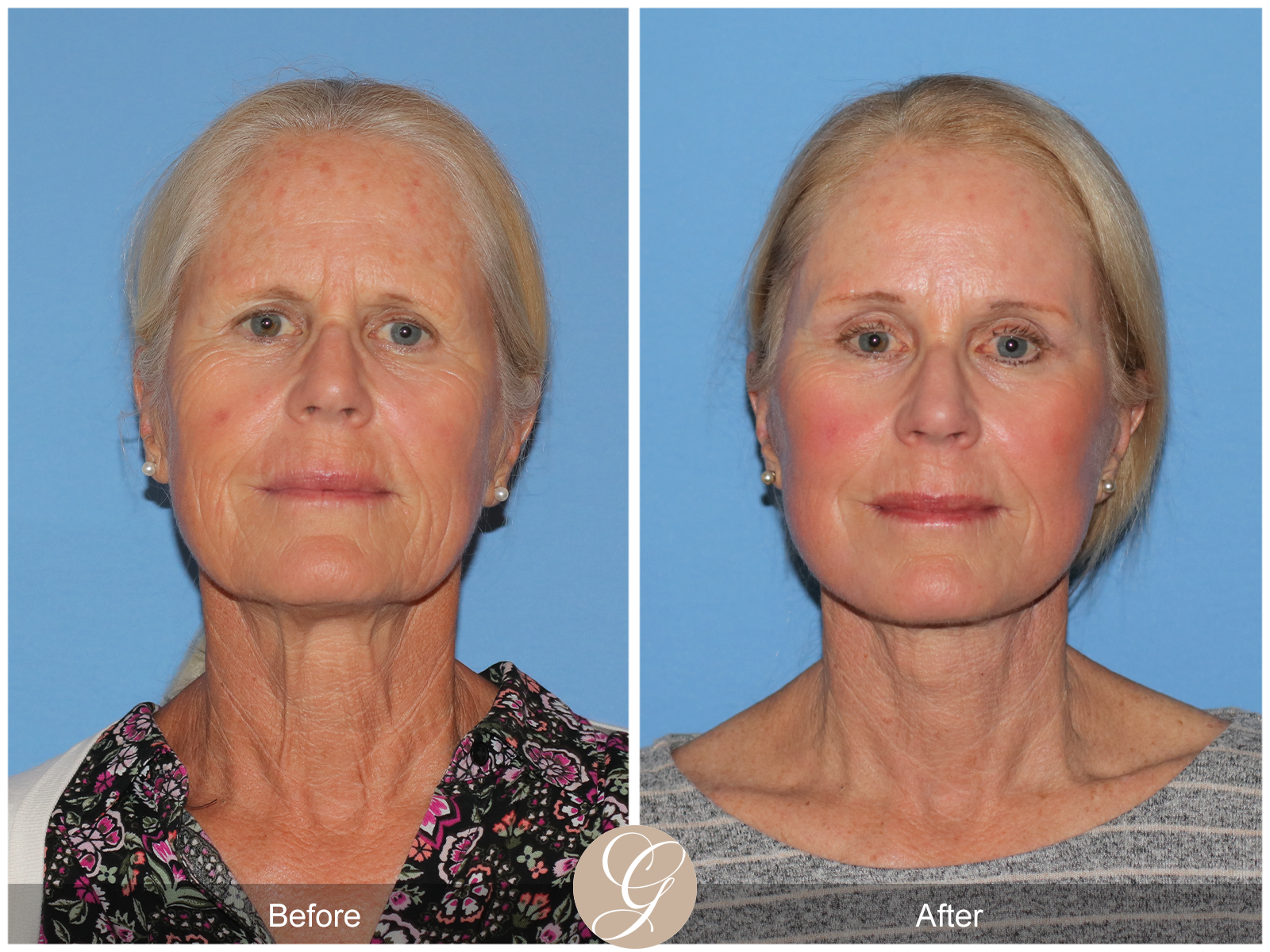
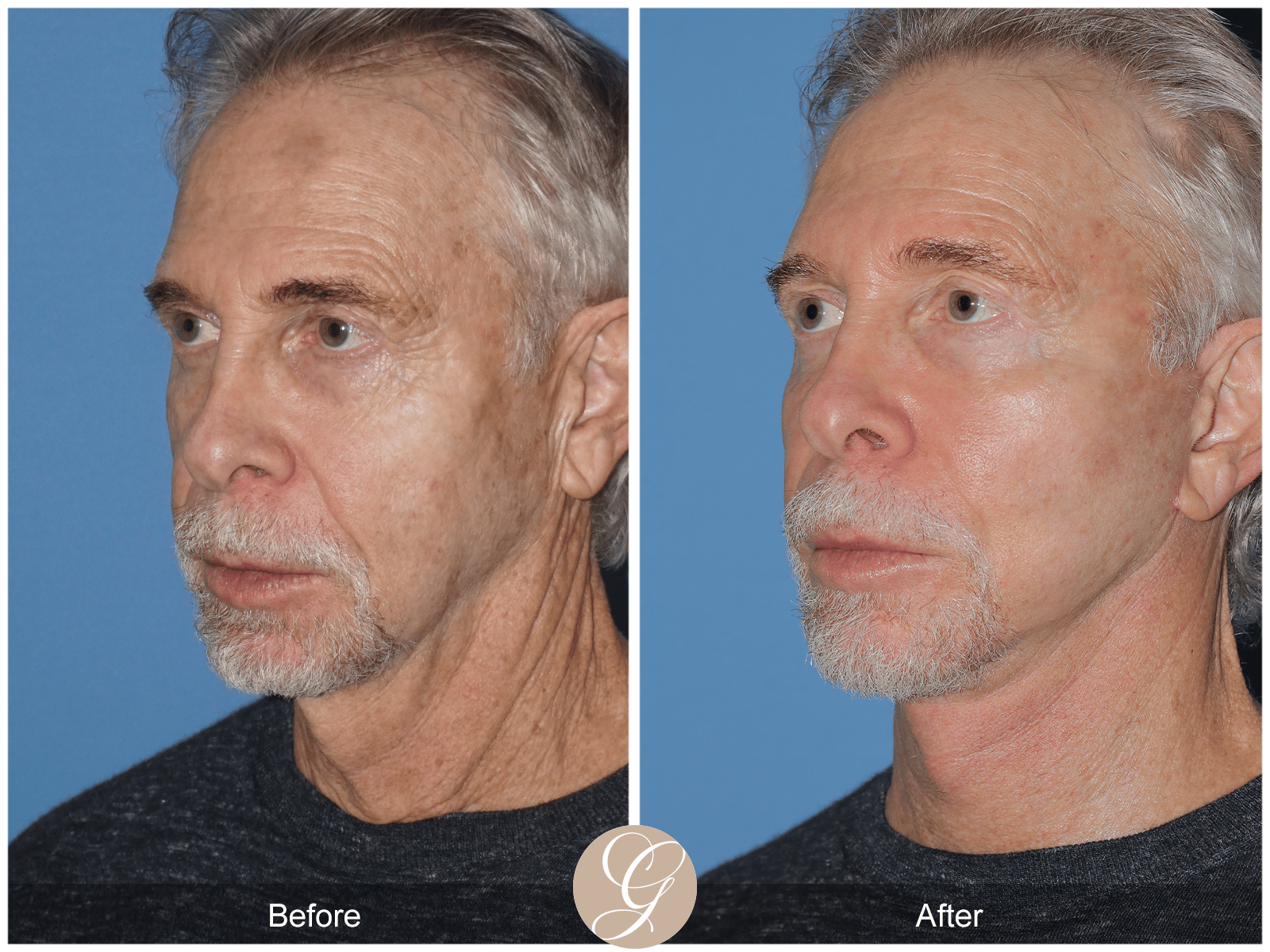
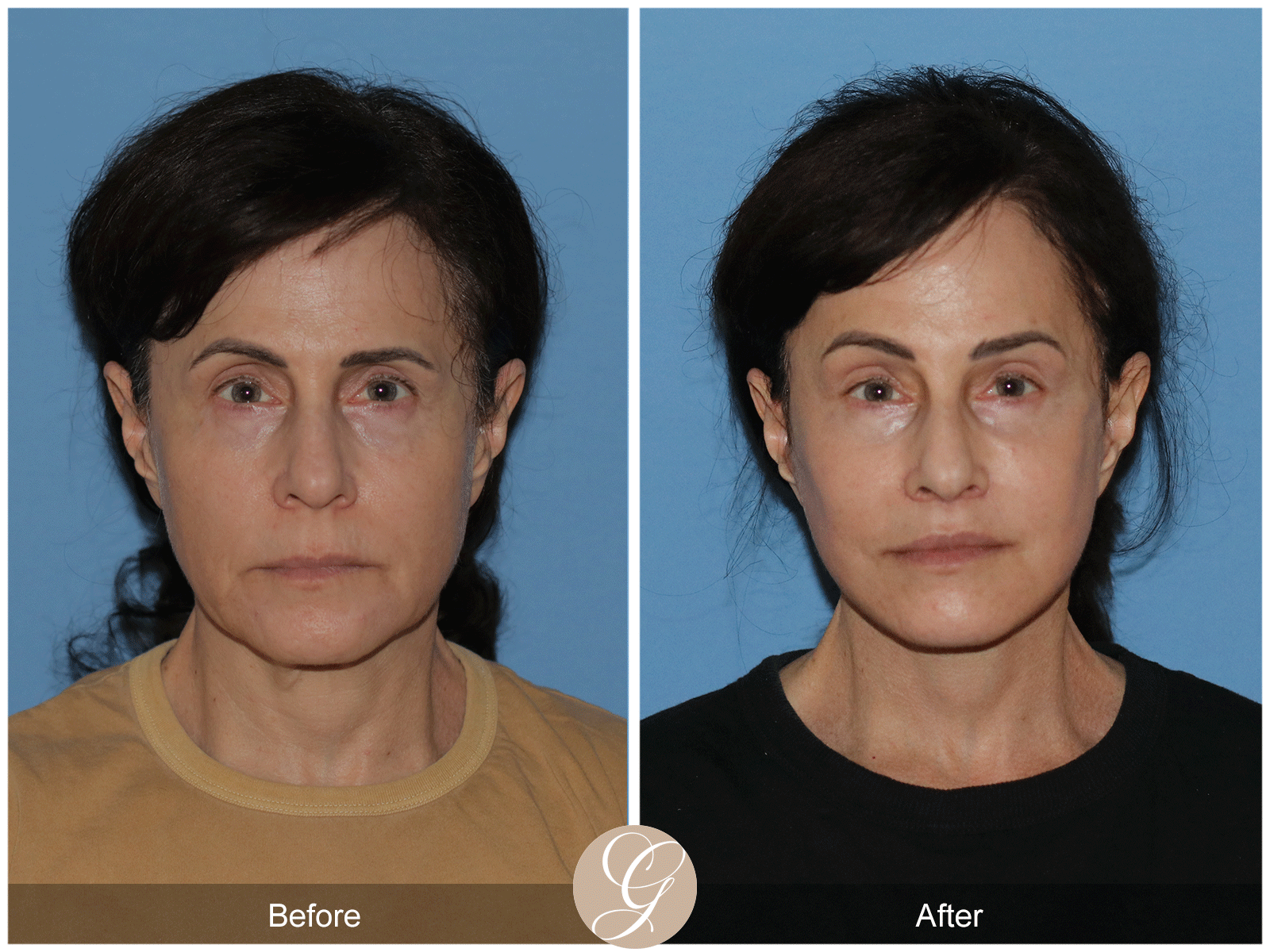
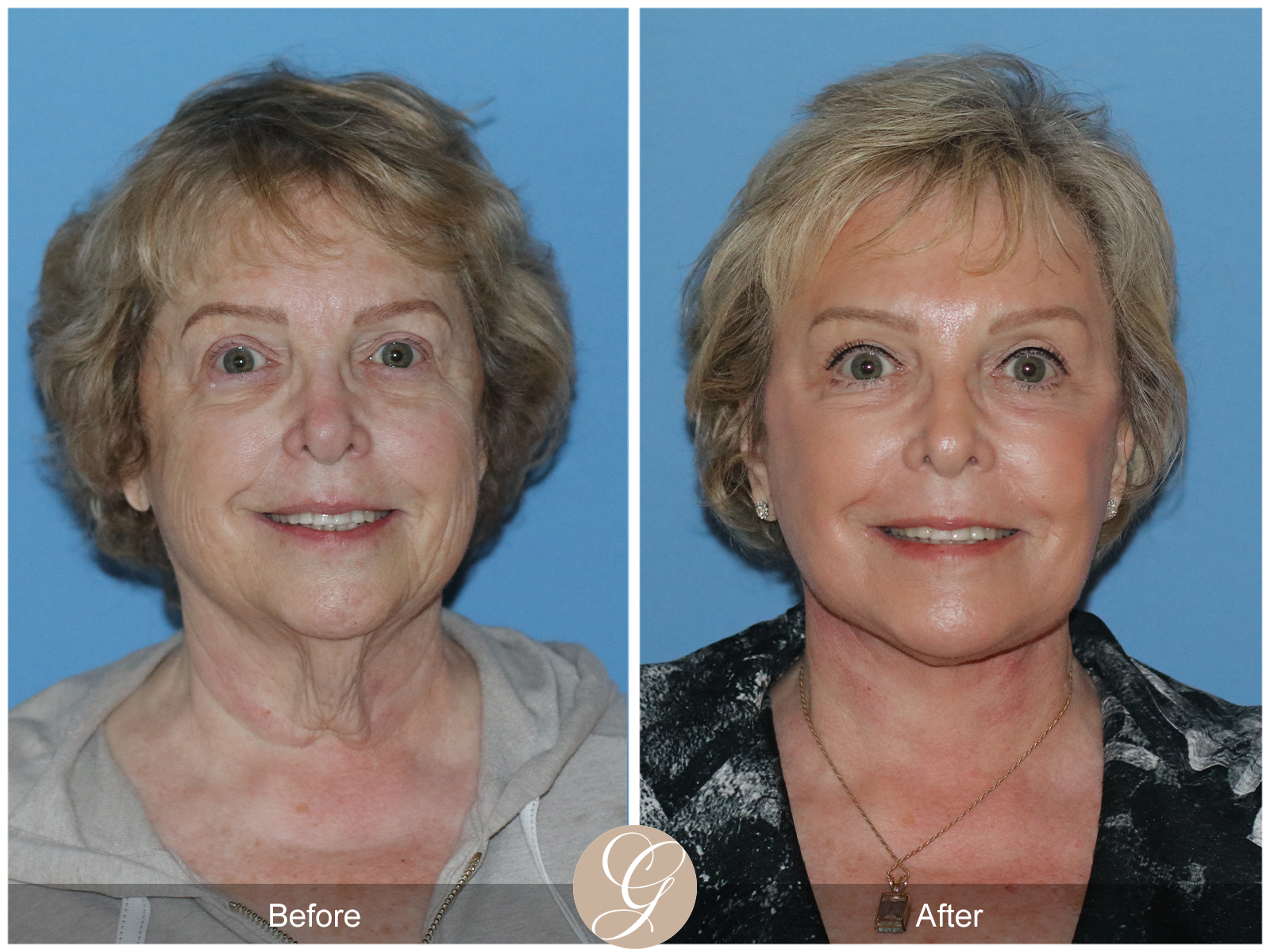
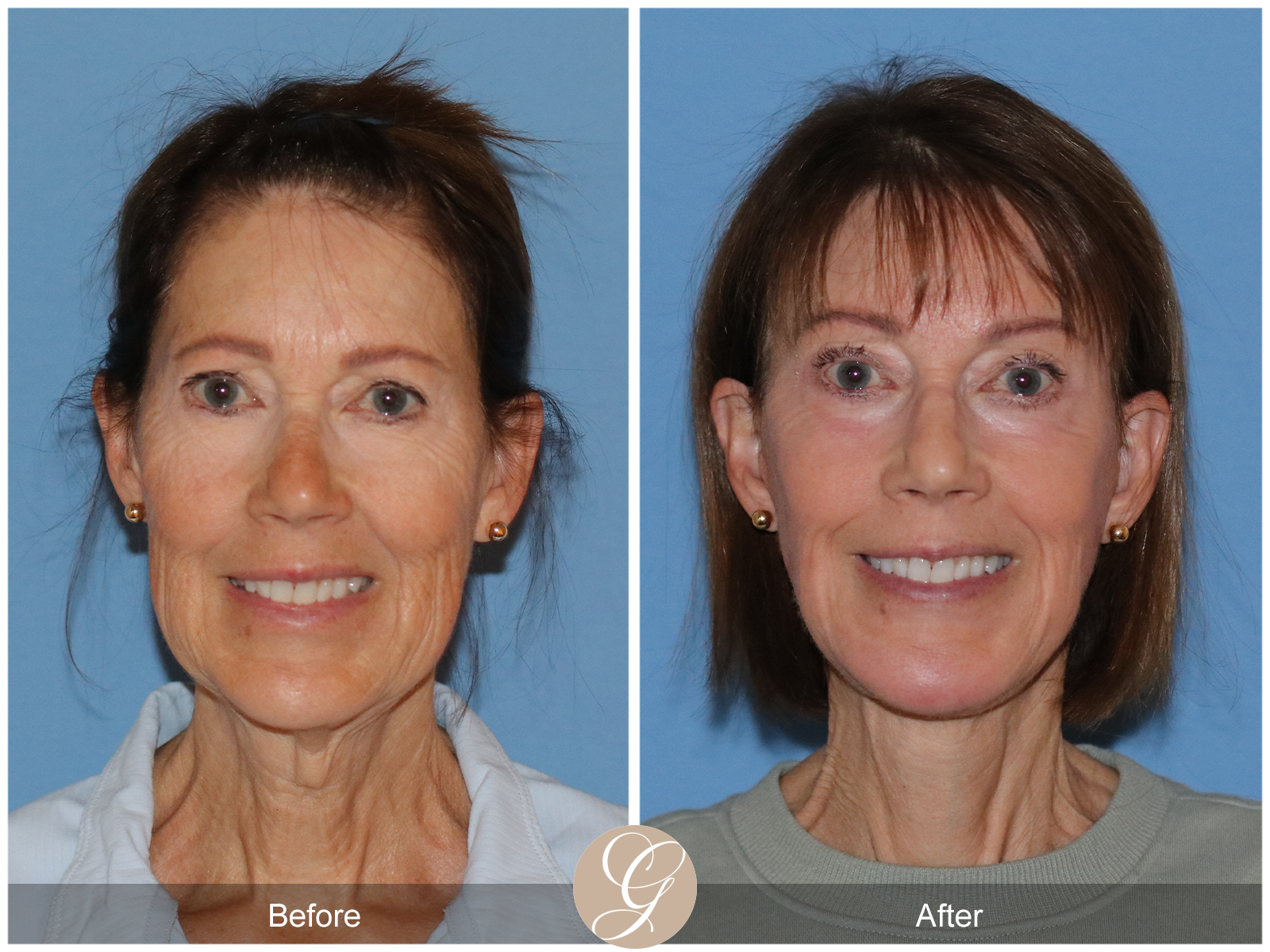
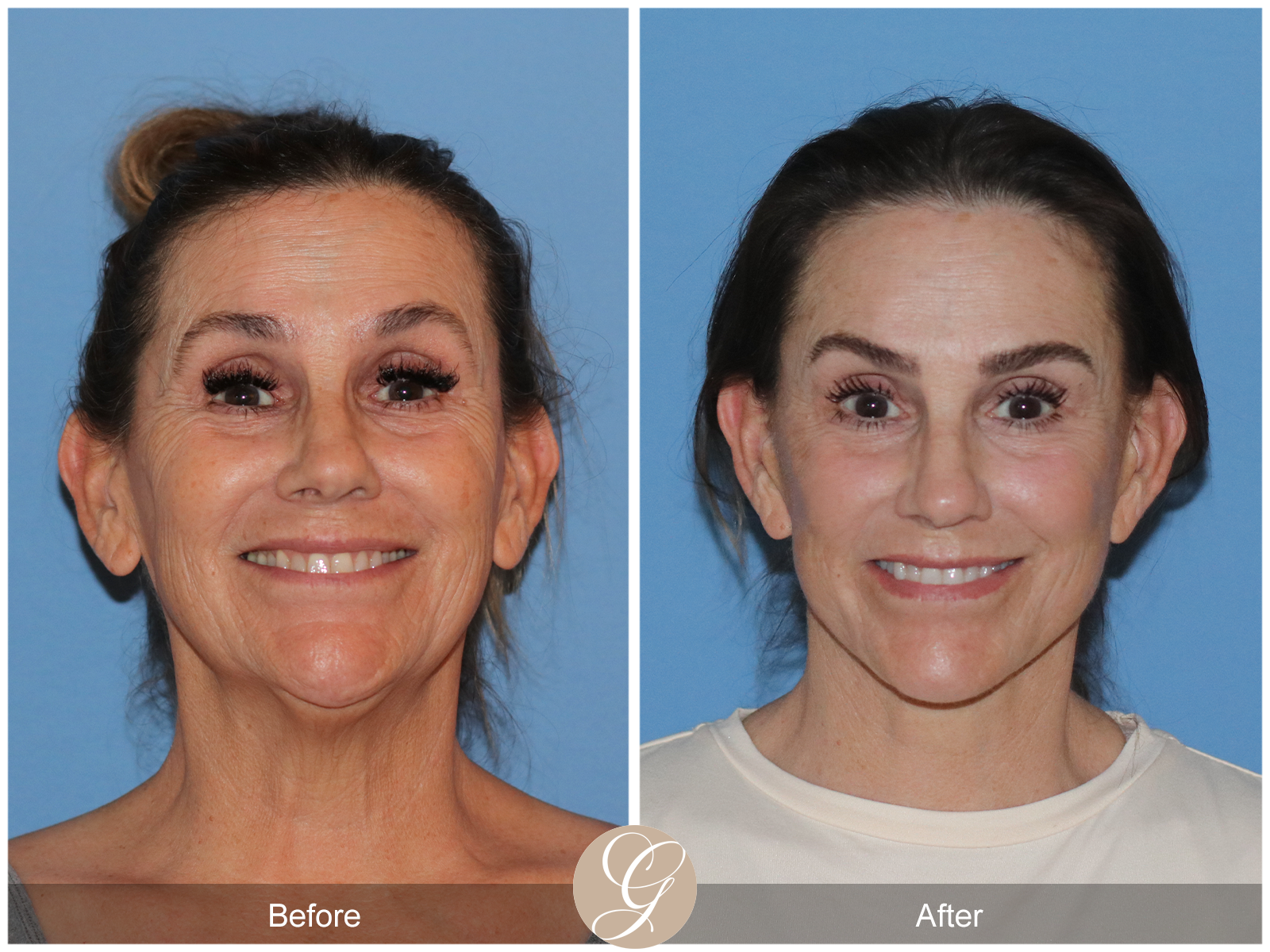
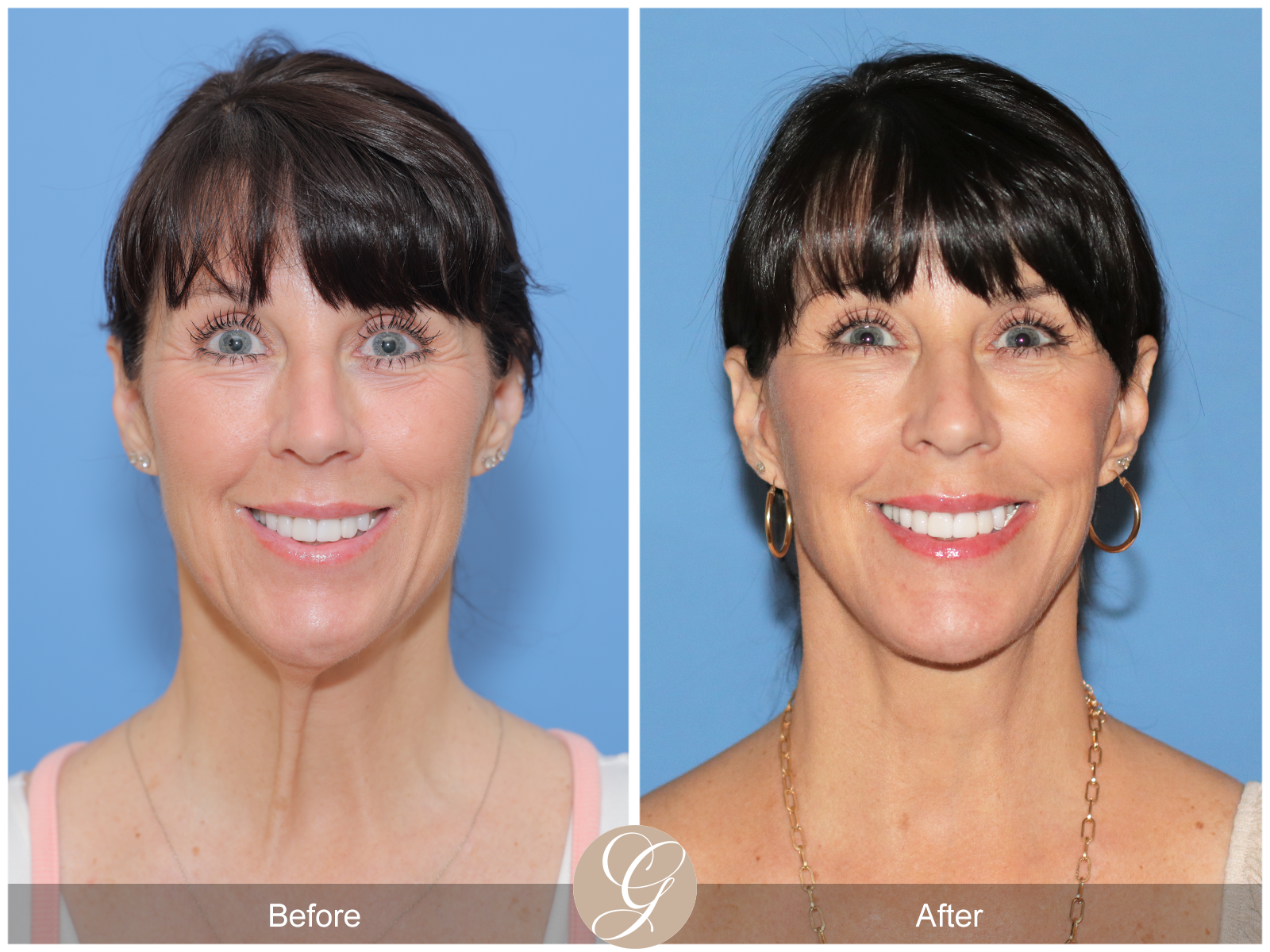
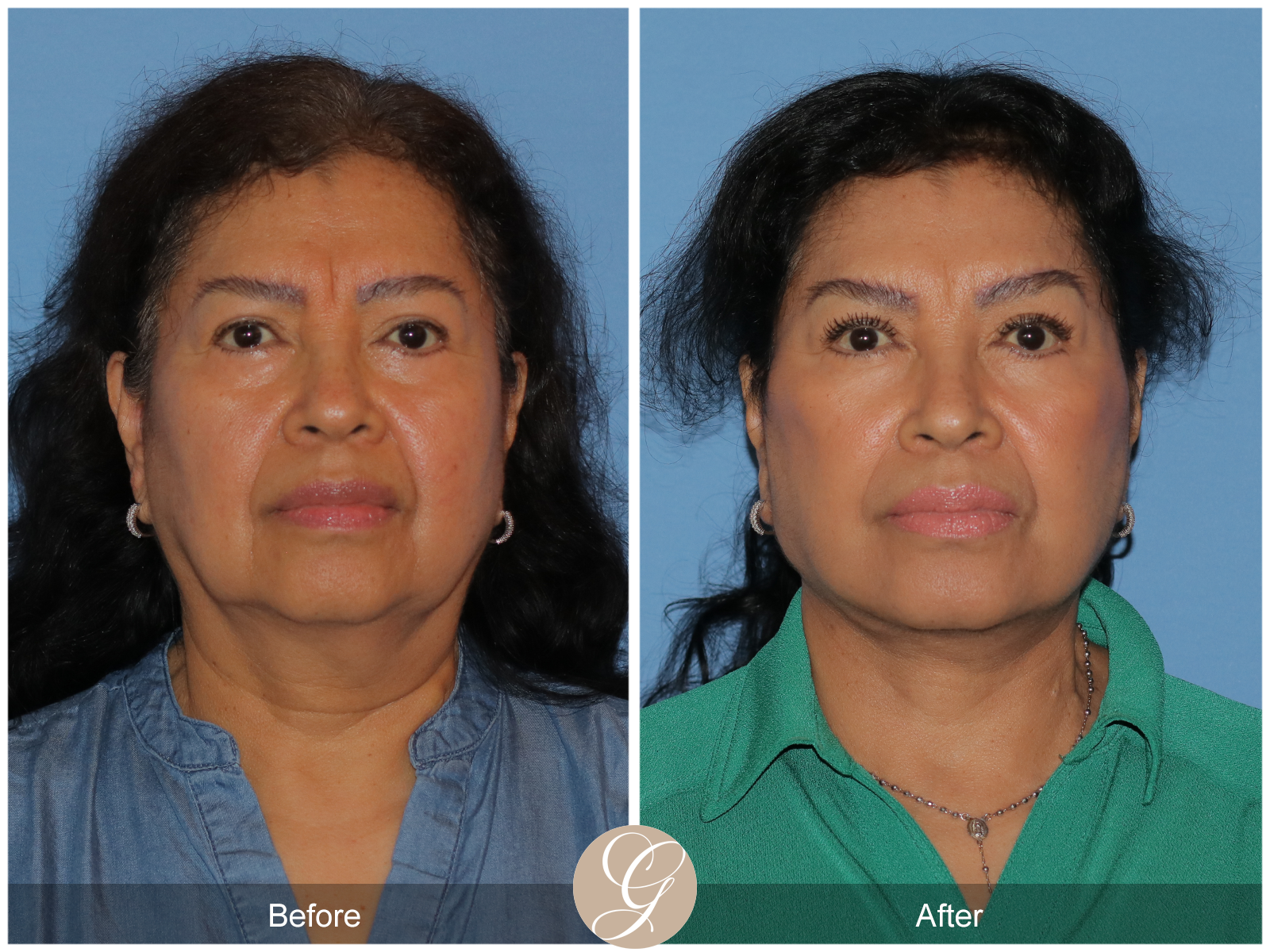
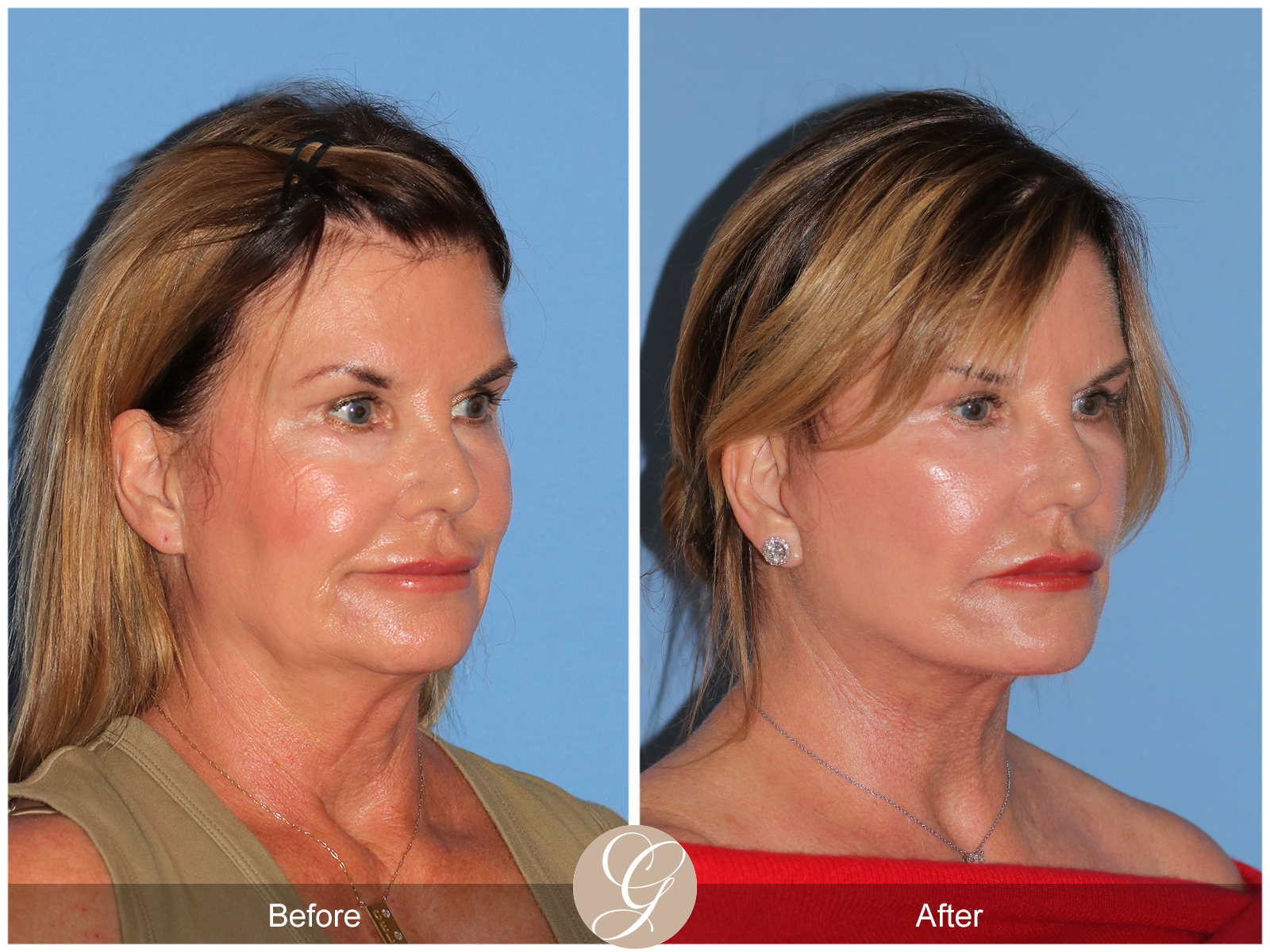
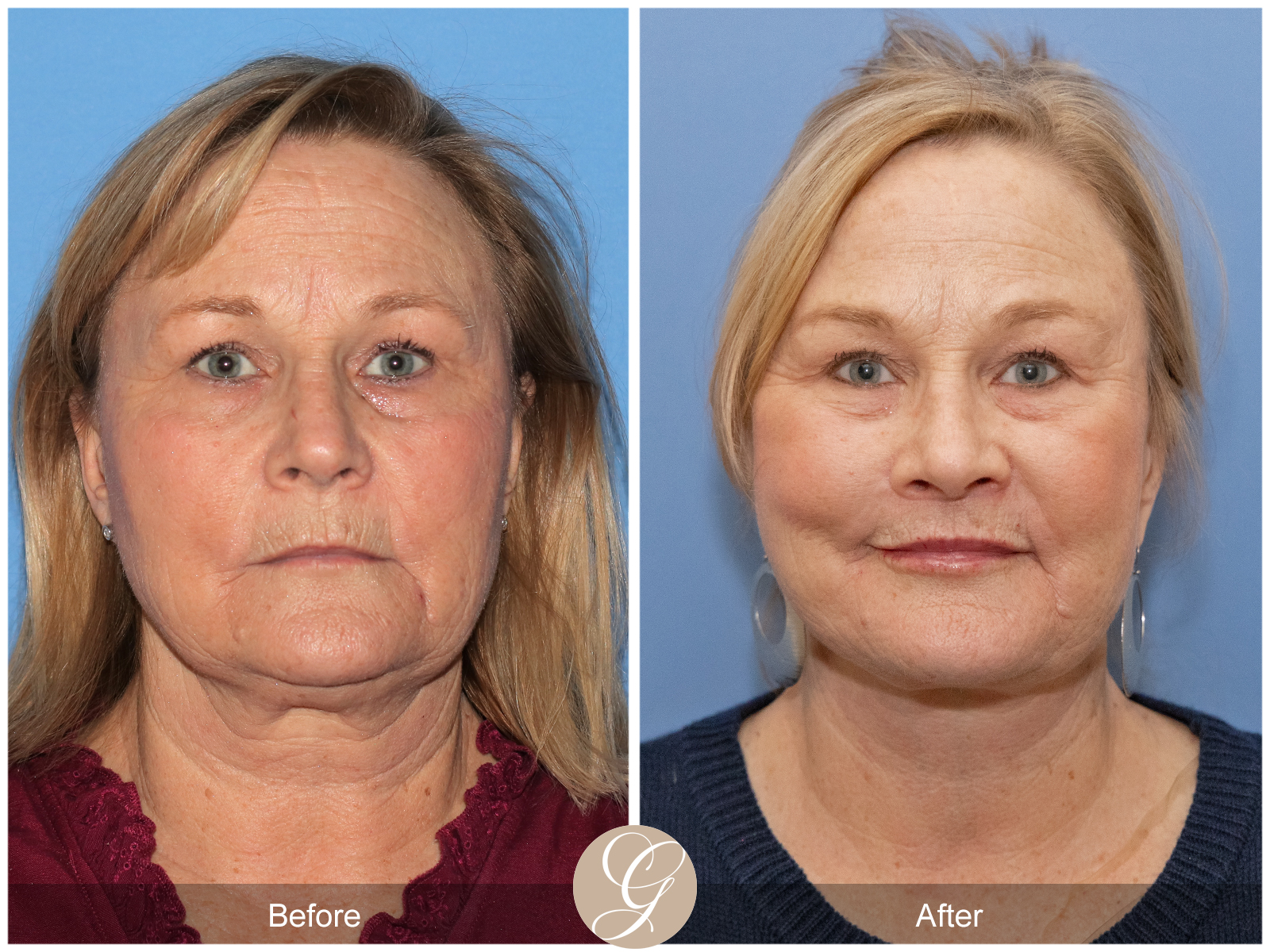
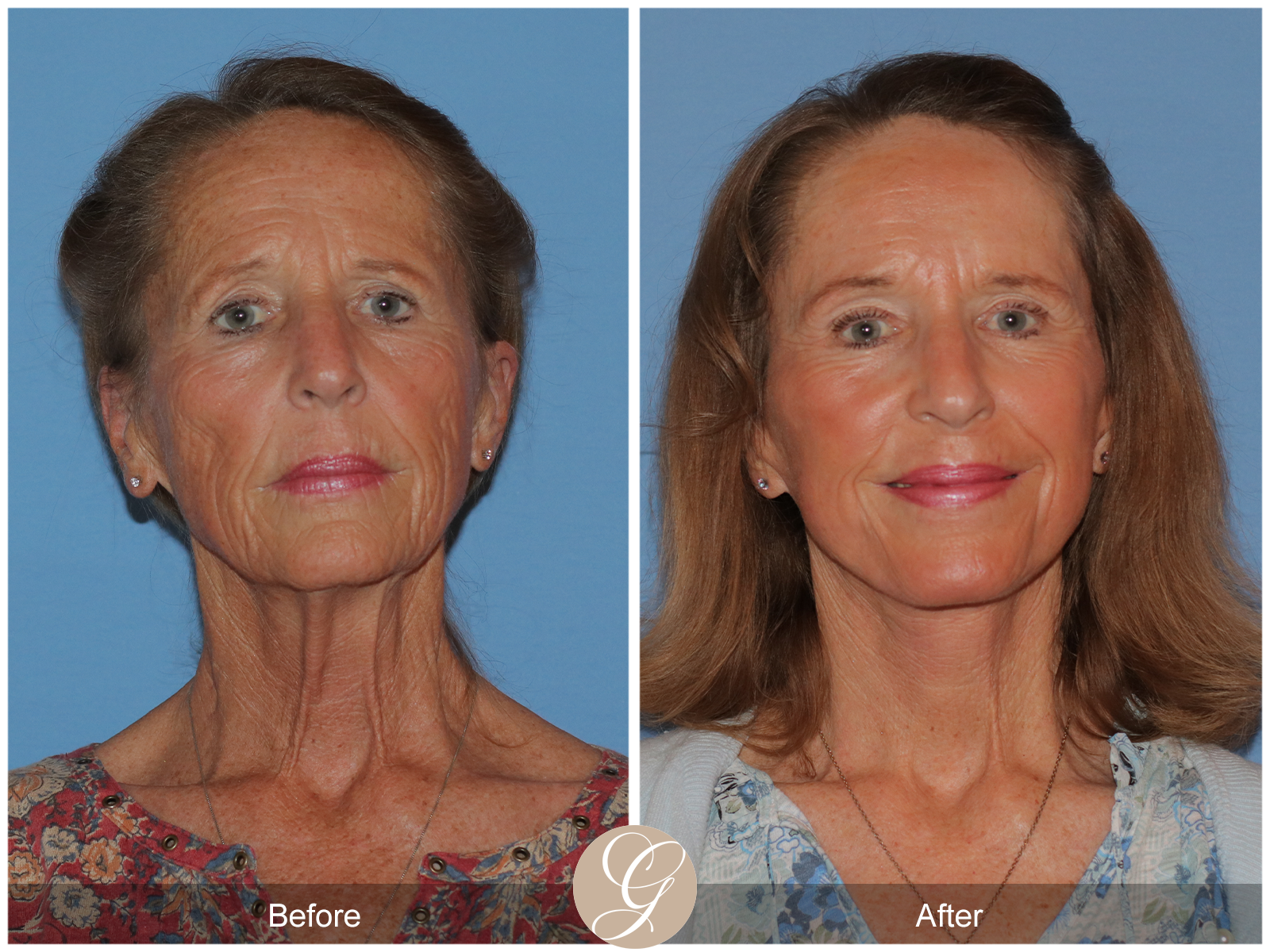
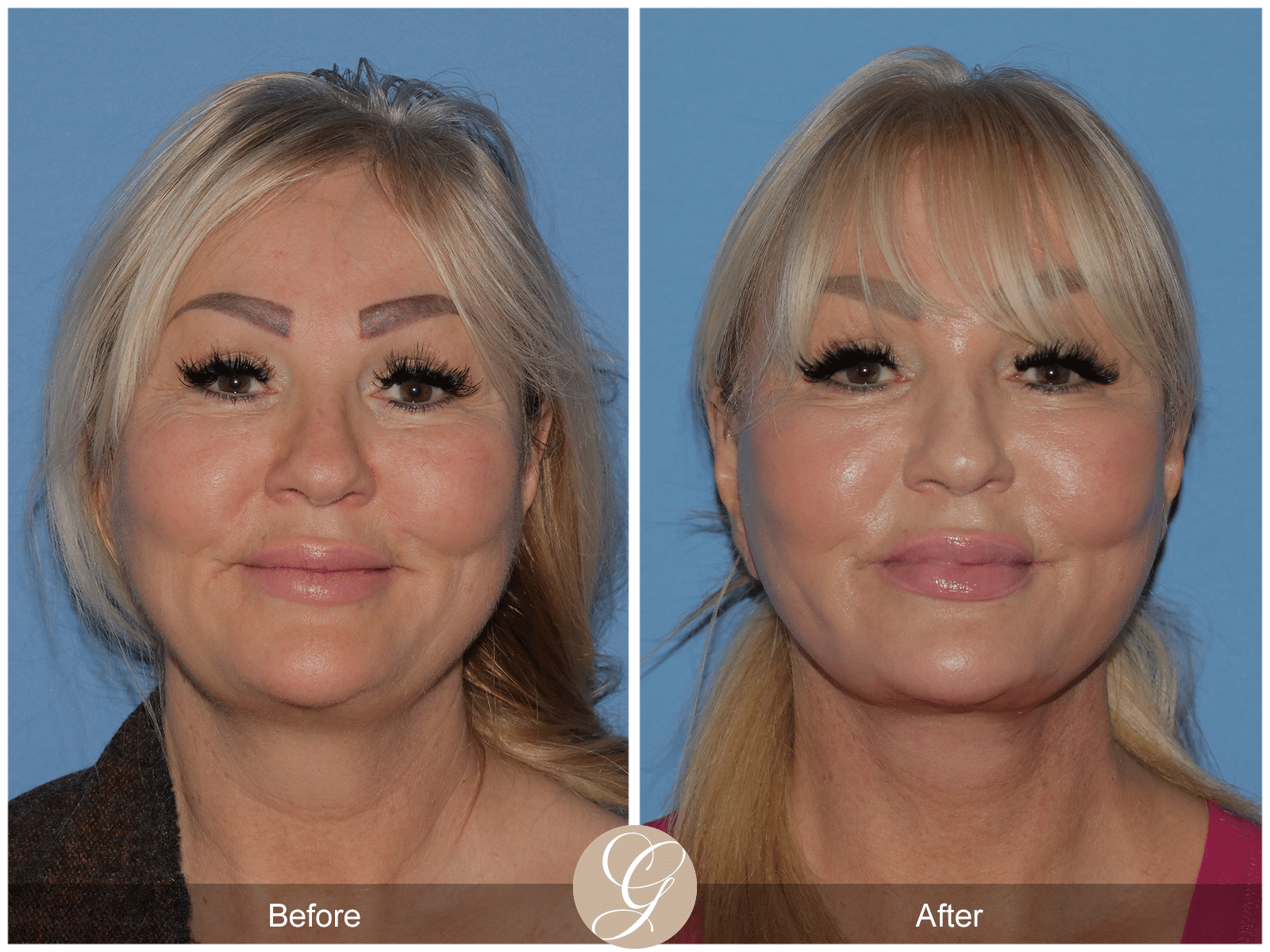
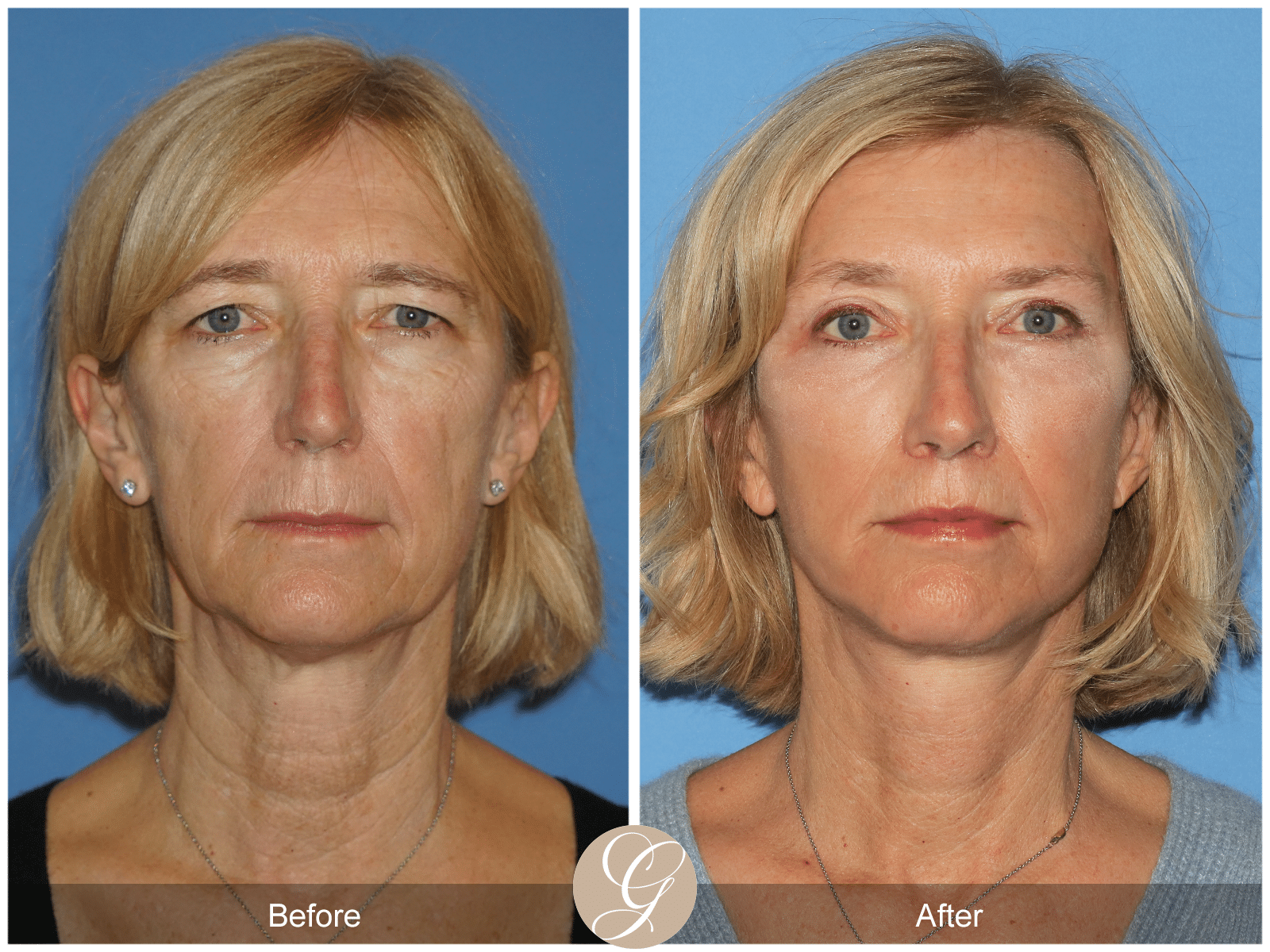
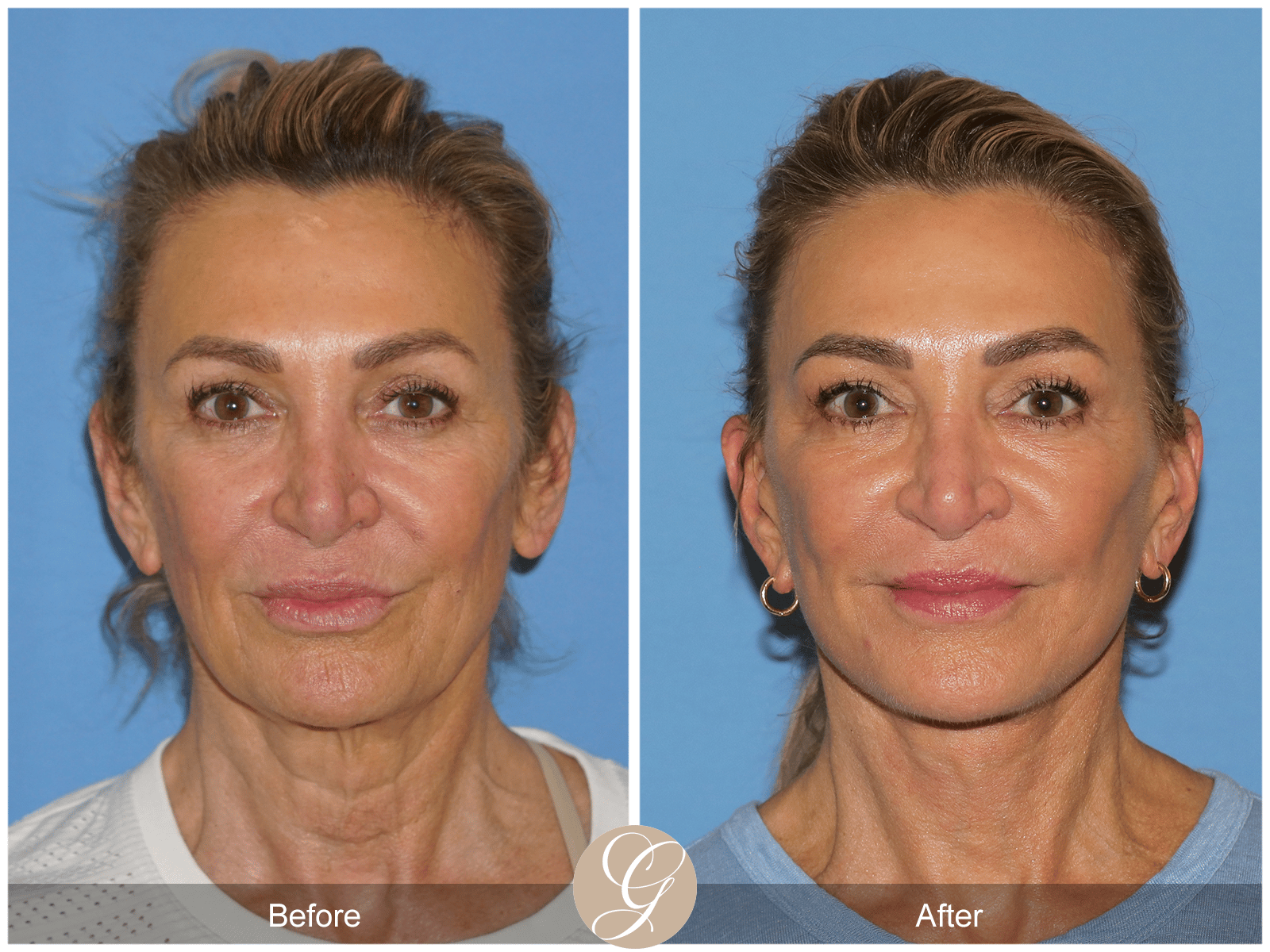
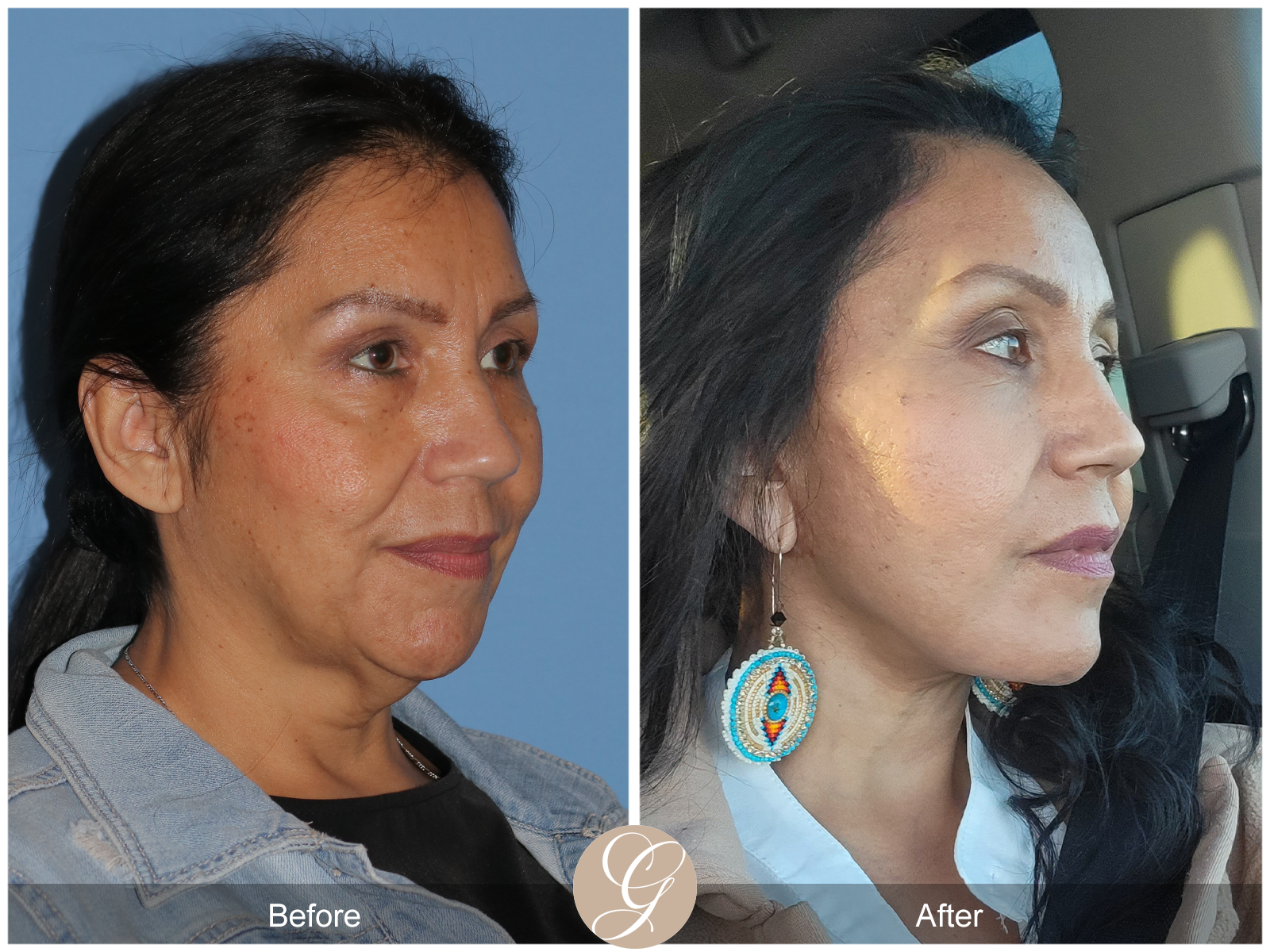
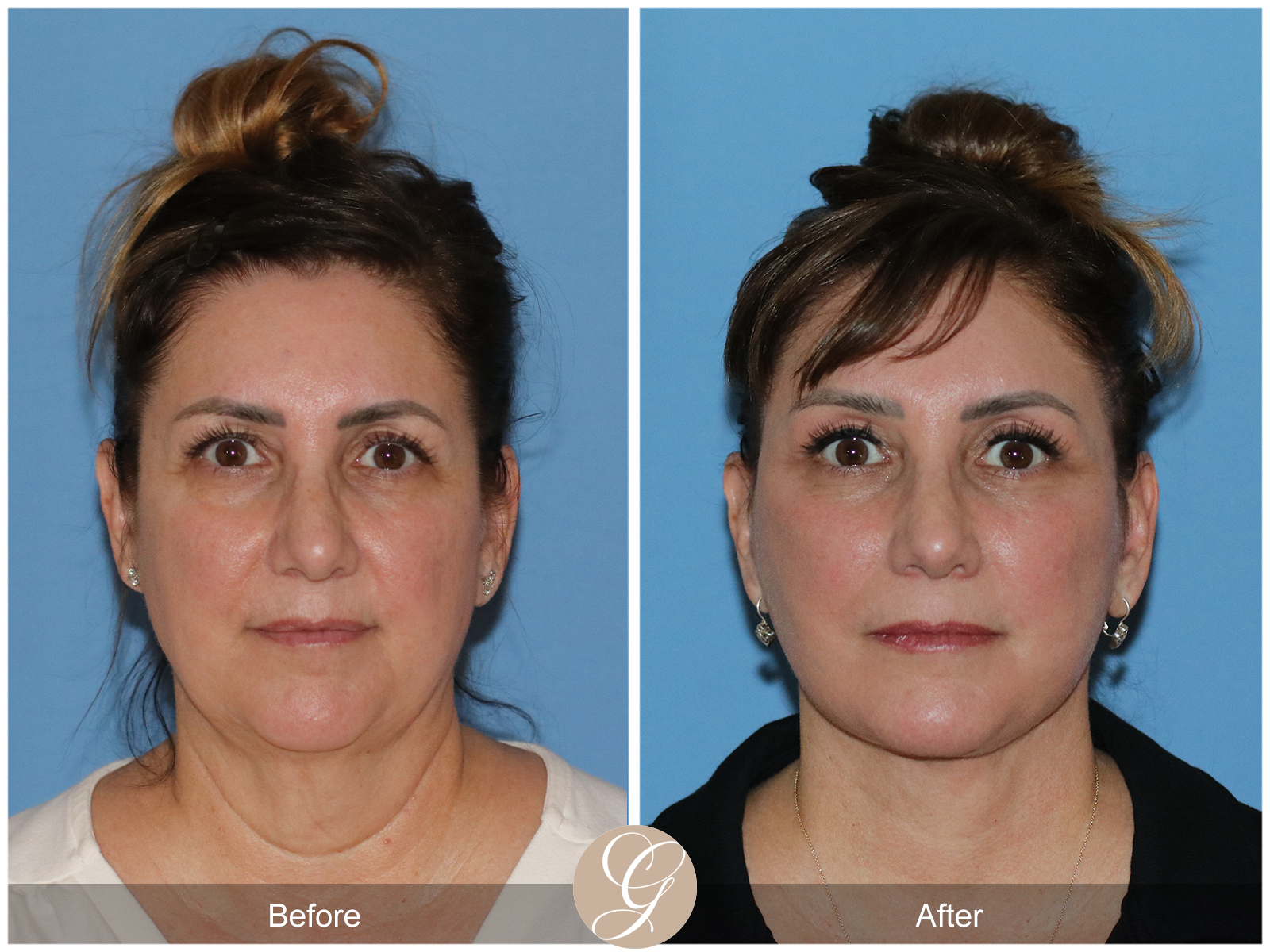
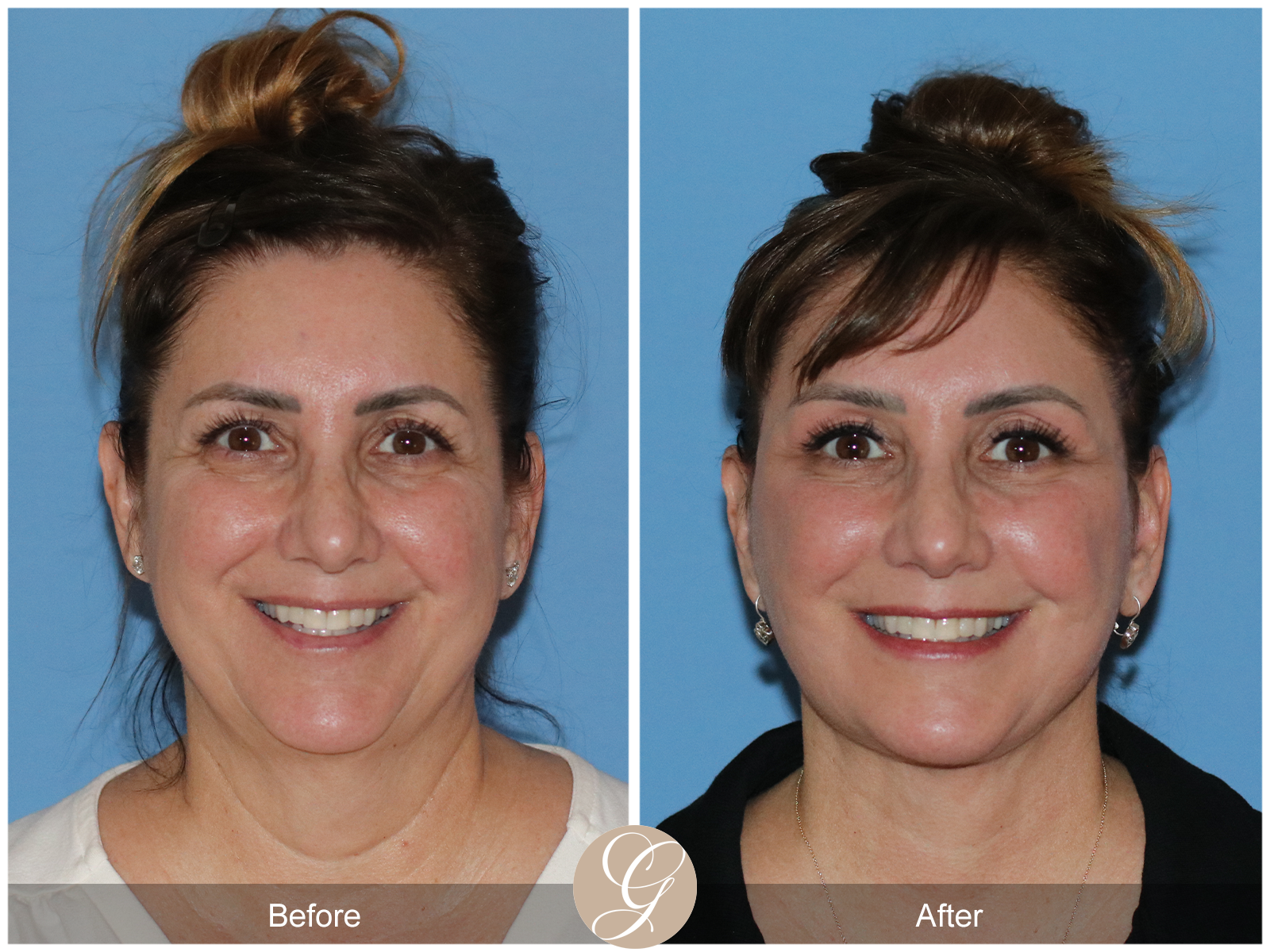
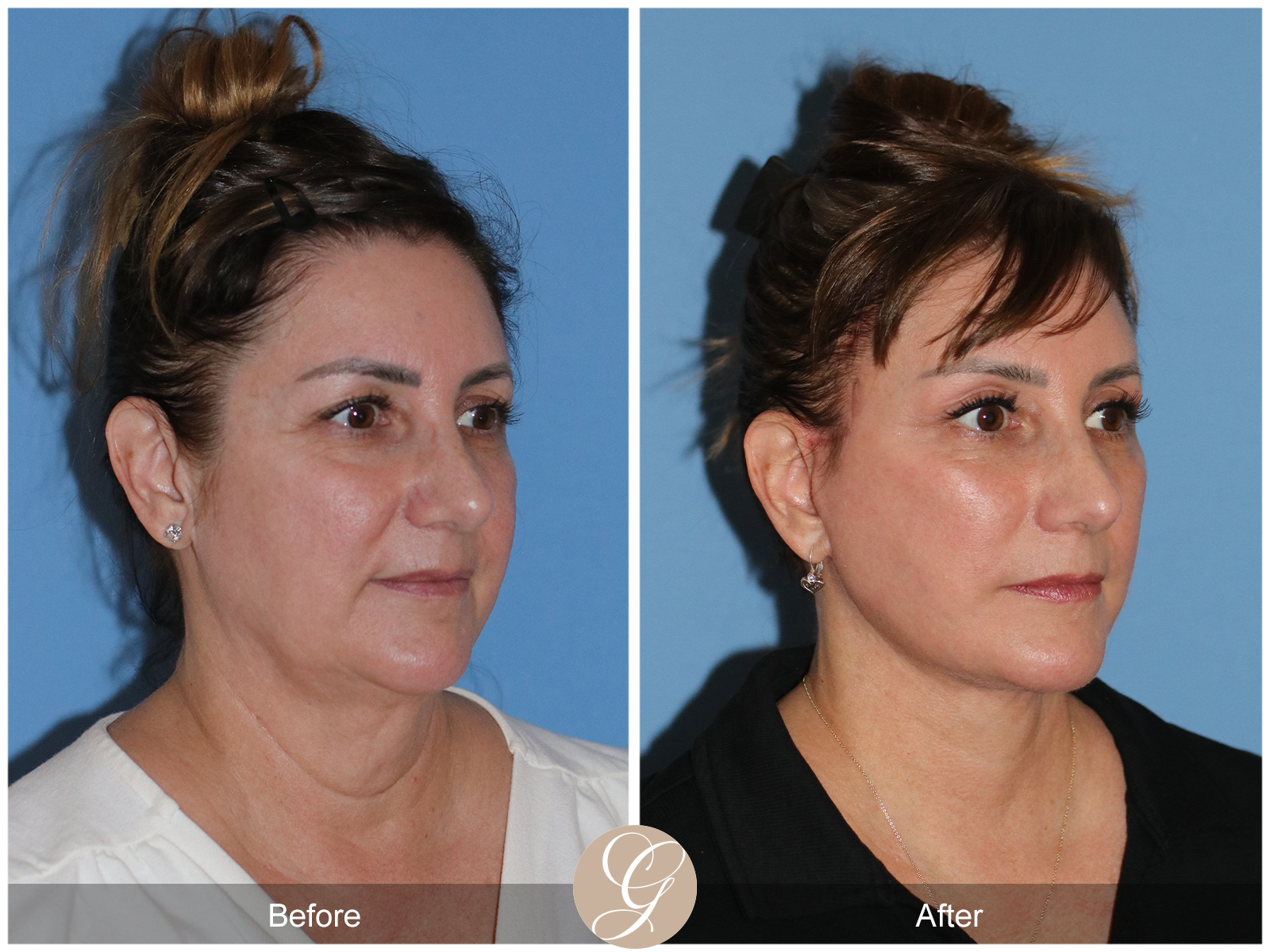
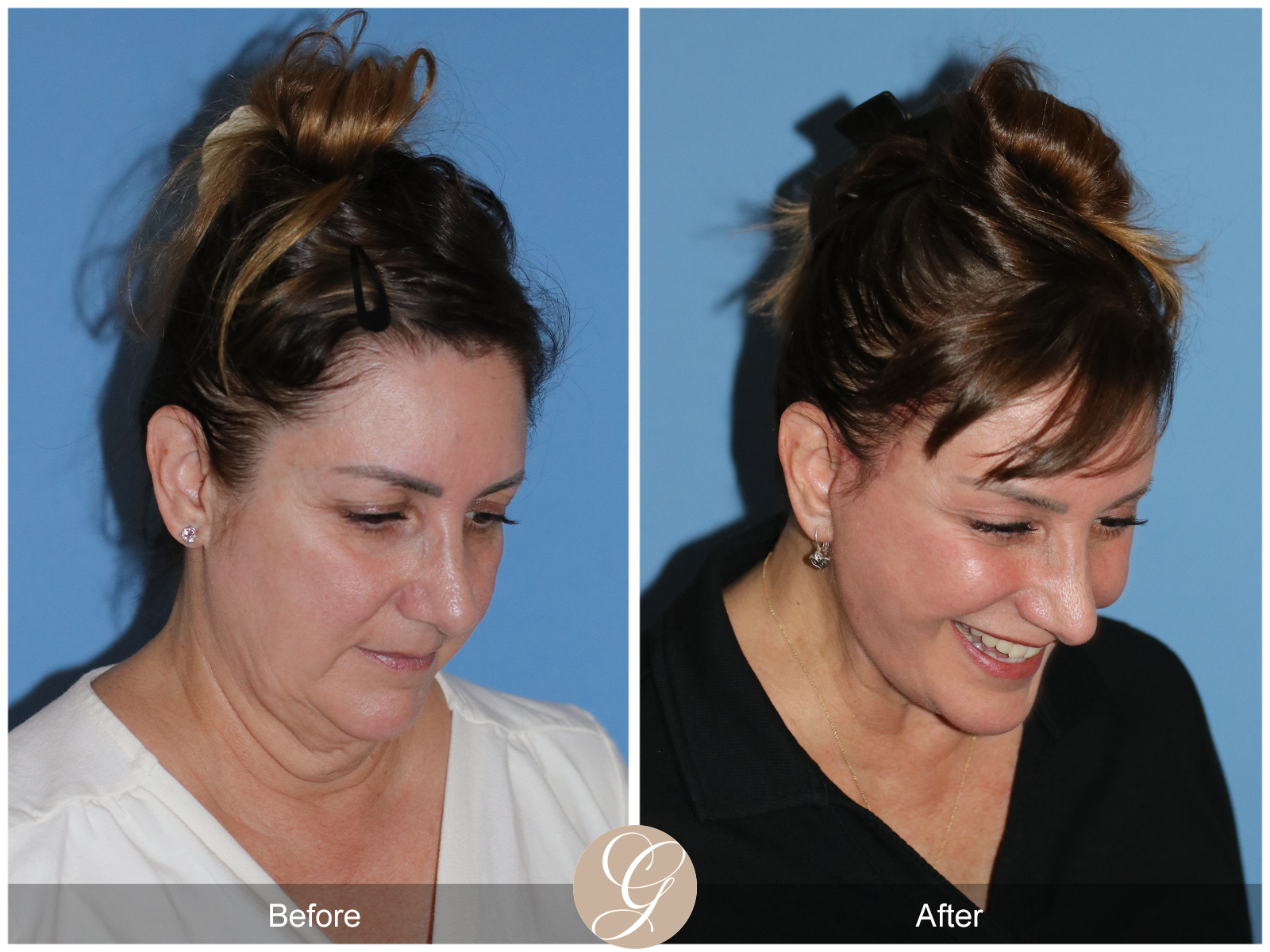
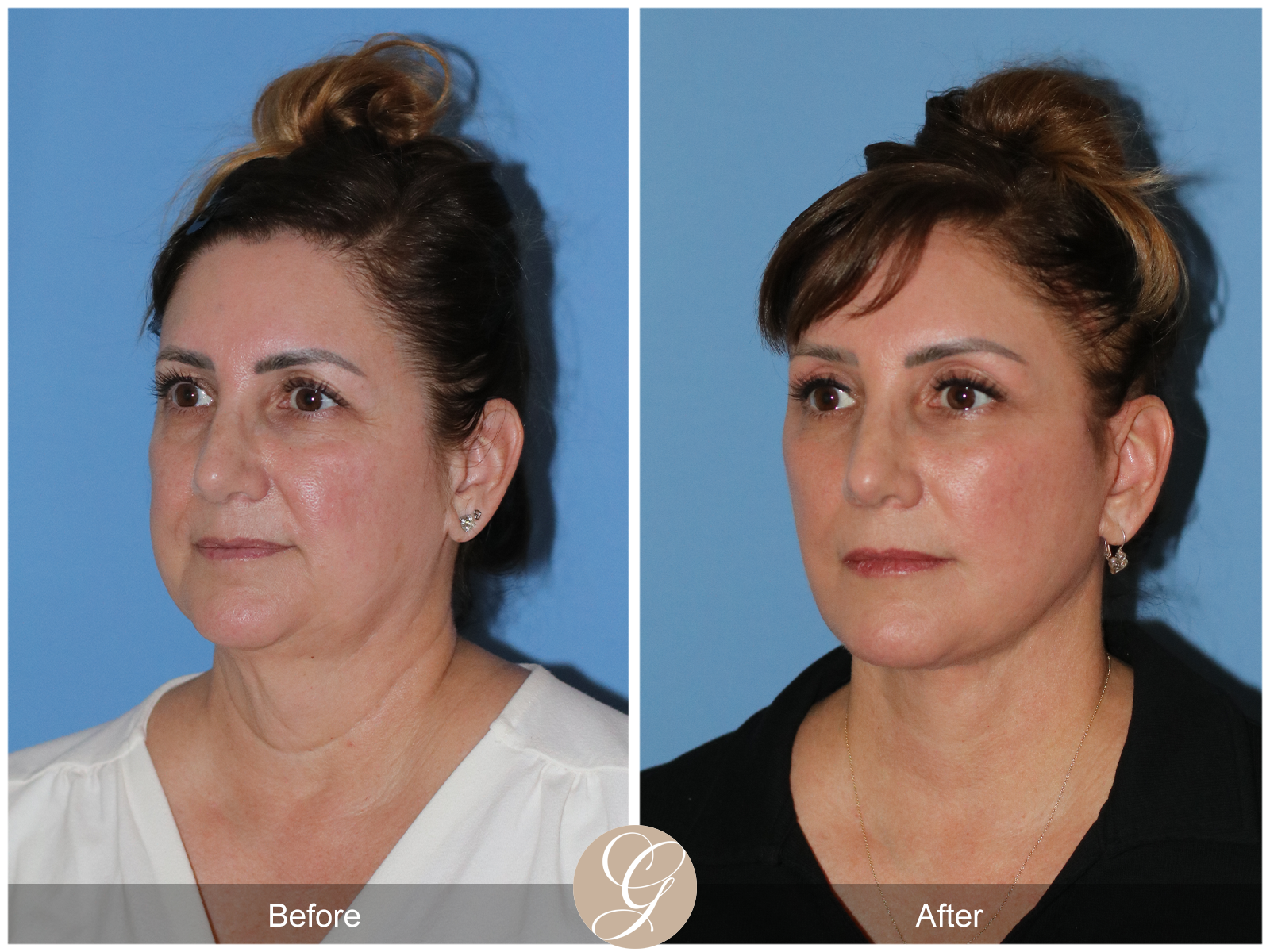
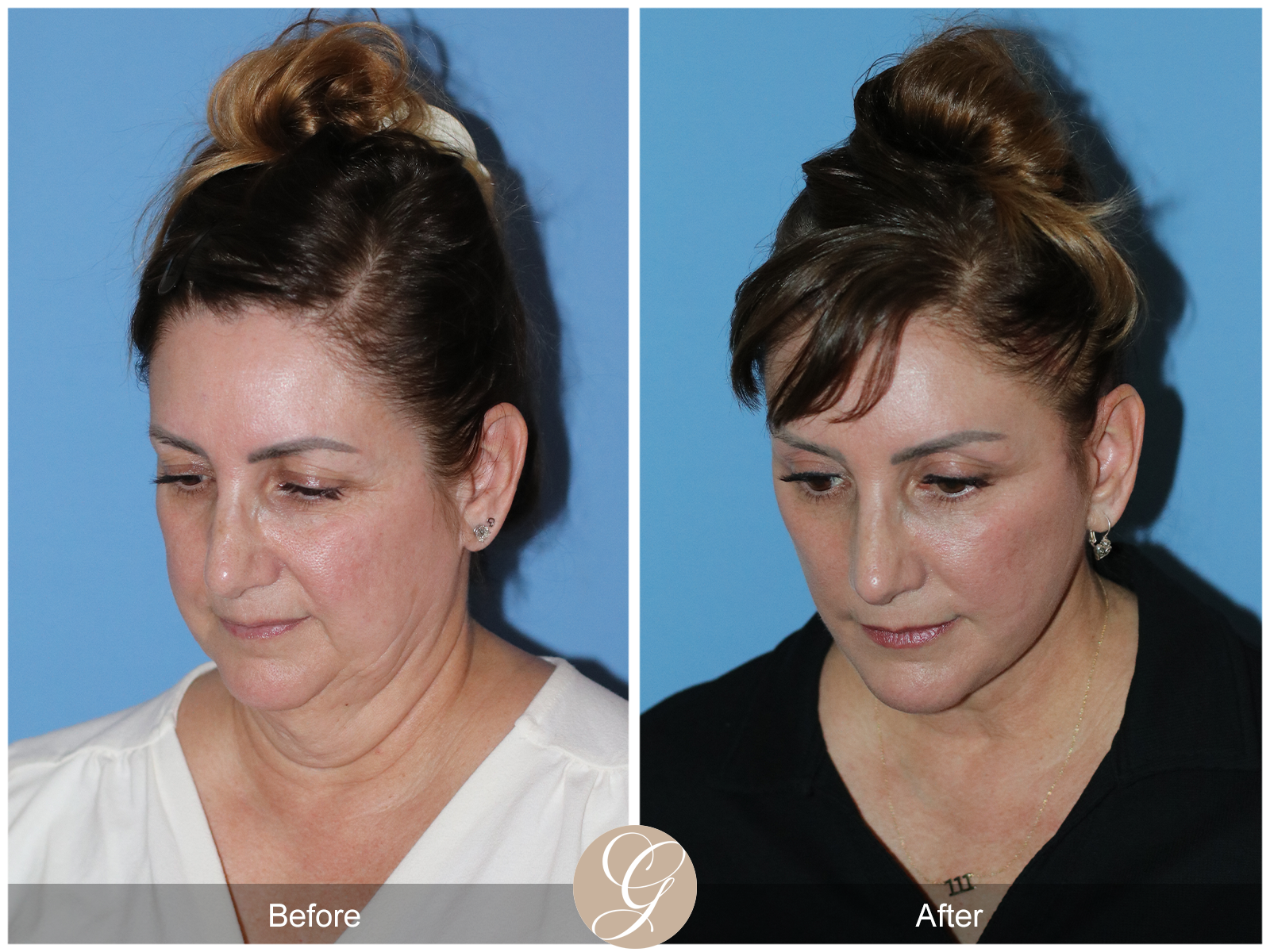
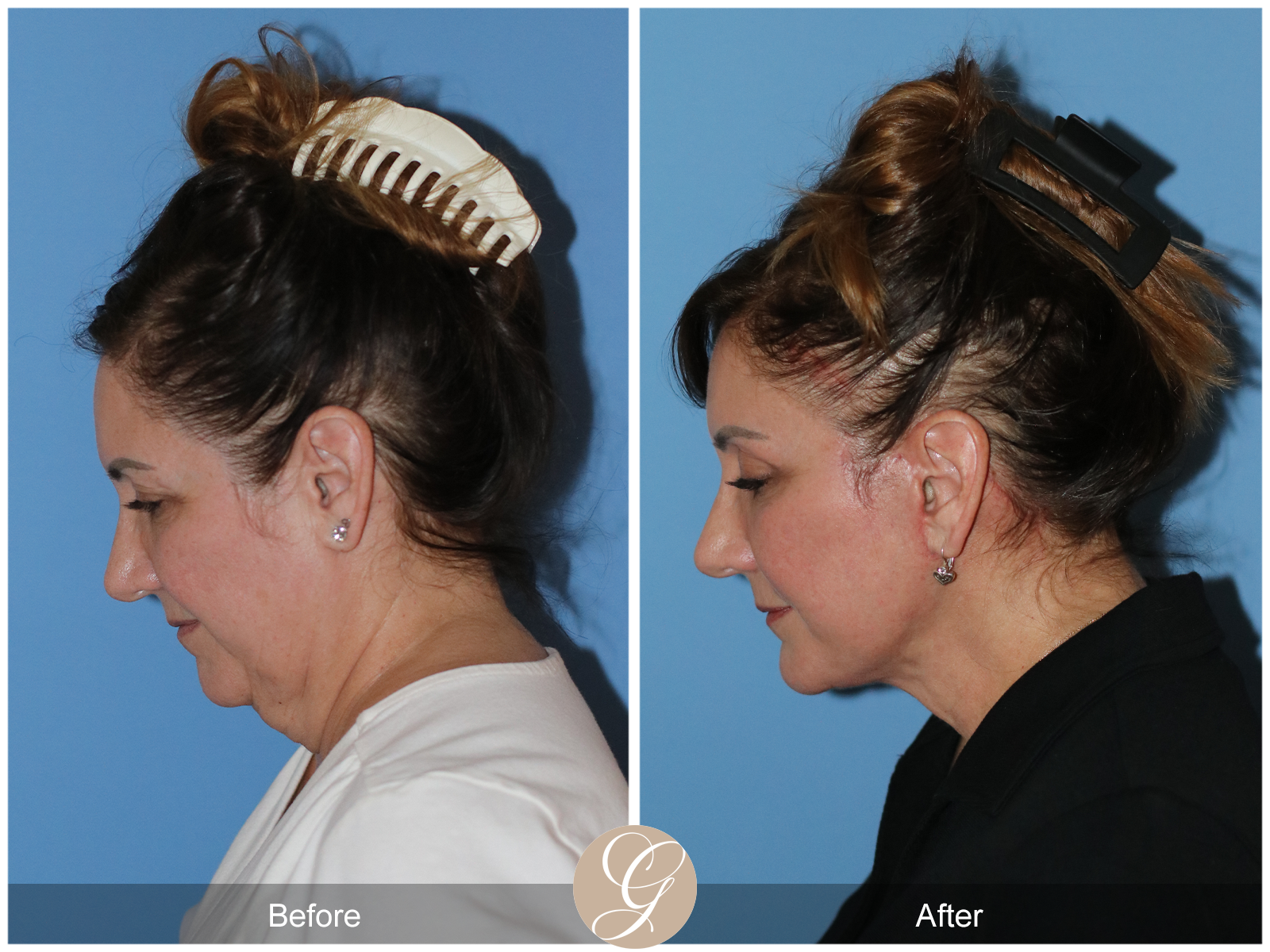
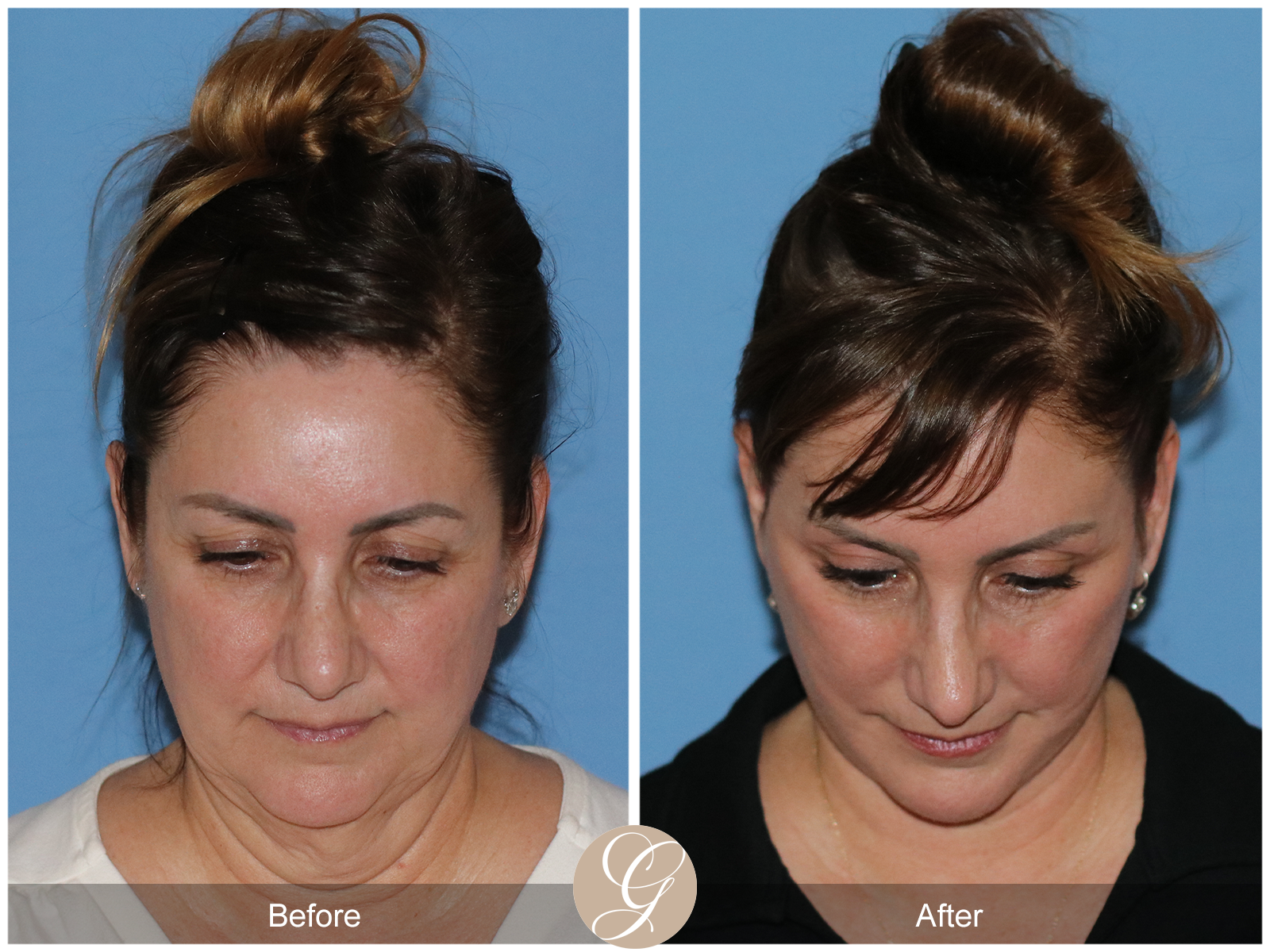
Michelle had a preservation deep plane facelift and temporal brow lift under twilight anesthesia. She didn’t feel much pain, but in these two months before and after photos, there are still some edemas and more healing ahead. Yet already her face looked much fresher and more natural. And no one could tell she’d had surgery. After a year, she would see even more refinement of her result.
Keep Browsing Our Gallery