 Gallery of Cosmetic Surgery
 Aesthetic Lounge



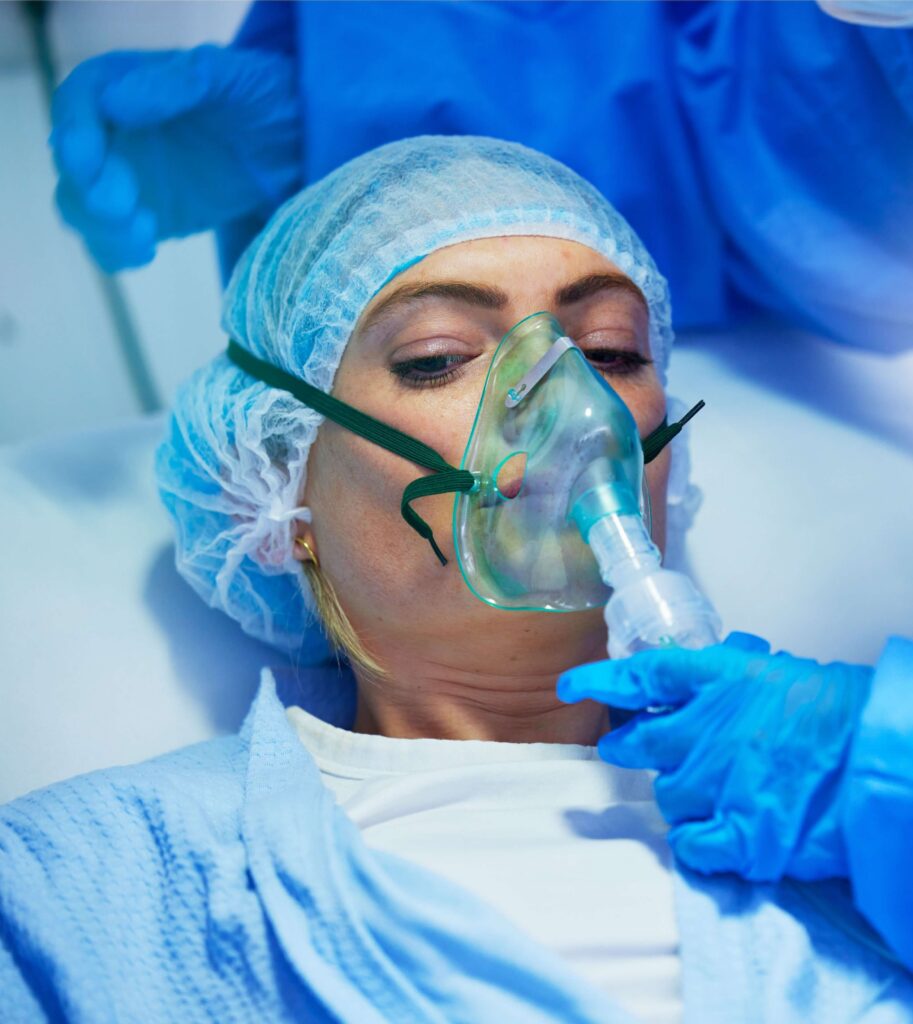
Other than awake mini facelift surgery, which is NOT my preferred method, there are two types of anesthesia that a surgeon can offer for deep plane facelifting. The first is general anesthesia, by far the most common type of anesthesia used for facial rejuvenation procedures. A tube is placed down your throat, and using gases, your muscles are paralyzed. Since you stop breathing on your own, a machine continuously breathes for you. The second option is called twilight sedation, or conscious sedation, using IV sedation, similar to a colonoscopy, and is administered by an anesthesiologist.
Why I Prefer Twilight Sedation for Deep Plane Facelift Surgery
I’ve been using twilight sedation with local anesthesia for over 20 years while performing my facial rejuvenation surgeries, since the majority of my patients are between 40 and 80 years old. With this method, your brain is in a deep sleep, but your body is not paralyzed, and your face is completely numbed so you don’t feel any pain. You breathe entirely on your own the whole time, without a breathing tube, which is also cumbersome when working around the face.
When General Anesthesia Is — and Isn’t — the Right Choice
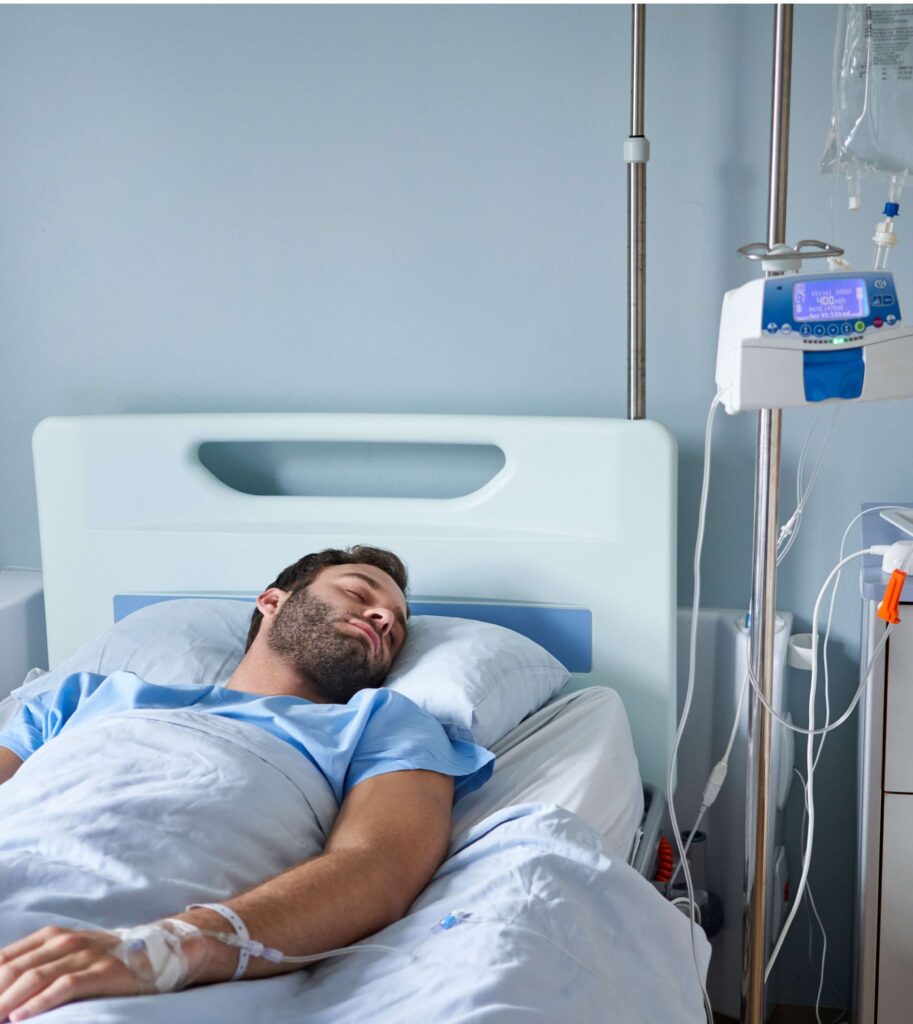
General anesthesia must be used for invasive procedures like lung surgery, open heart surgery, or a tummy tuck, where the body needs to be paralyzed, and it completely makes sense in those cases. But during facial surgery, there is no need to shut down and paralyze the entire system to perform a deep plane facelift. With twilight sedation and local anesthesia, the brain is asleep and the face is numbed with local anesthetic. Afterward, patients wake up smoothly, without nausea or severe grogginess, and without any memory of the surgery.
The Risks of General Anesthesia for Facelift Patients
After general anesthesia for a facelift, many patients take much longer to wake up, experiencing prolonged grogginess, a hangover effect, or fogginess that can linger for days. The older we get, the harder it is on the body, with a higher risk of potential complications like blood clots, aspiration pneumonia, and drug reactions. In addition, about 30% of patients experience significant nausea after general anesthesia, which increases the risk of hematoma or bleeding.
The Benefits of IV Sedation for Facelift Recovery
With IV sedation, many of these issues are significantly reduced. The medications clear much faster from the system. Agents commonly used for procedures like colonoscopy, such as Propofol and Versed, leave the body more quickly. Another key advantage is that recovery begins the same day. By avoiding the post-anesthesia crash, the body starts recovering almost immediately. Within a short period after surgery, patients are alert enough to eat, drink, and rest comfortably. That early nourishment, giving your body what it needs right away, plays an important role in healing and sets recovery on the right path.
Every Patient Is Different — Your Safety Always Comes First
Medicine is never one-size-fits-all, and there are patients with specific medical, emotional, or psychological histories where general anesthesia may be the better and safer choice. The goal is always to make the safest, most thoughtful decision for each individual. If you are a prospective patient or someone considering surgery elsewhere, this is an important conversation to have with your surgeon.
Schedule a Facelift Consultation
If you are considering a deep plane facelift and want to learn more about which anesthesia option may be right for you, I invite you to schedule a personal consultation. Together, we will review your medical history, discuss your goals, and create a surgical plan tailored specifically to you, with your safety and comfort as the top priority. Contact our office today to take the first step.
View All Blogs