Gallery of Cosmetic Surgery
 Aesthetic Lounge




On This Page

Anesthesia:
Twilight

Duration:
4-5 Hours

Recovery:
1-2 Weeks

Results:
6+ Months
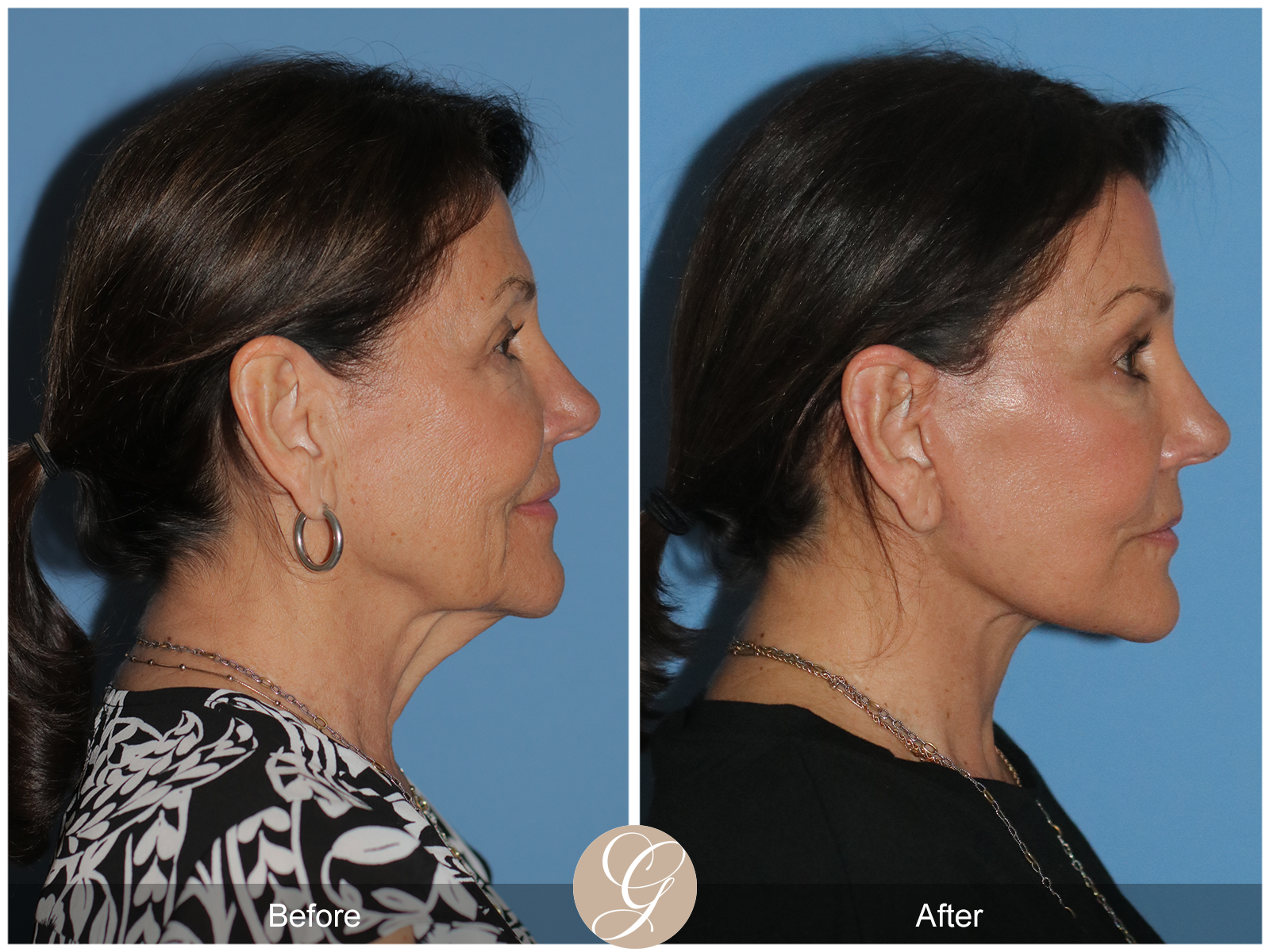
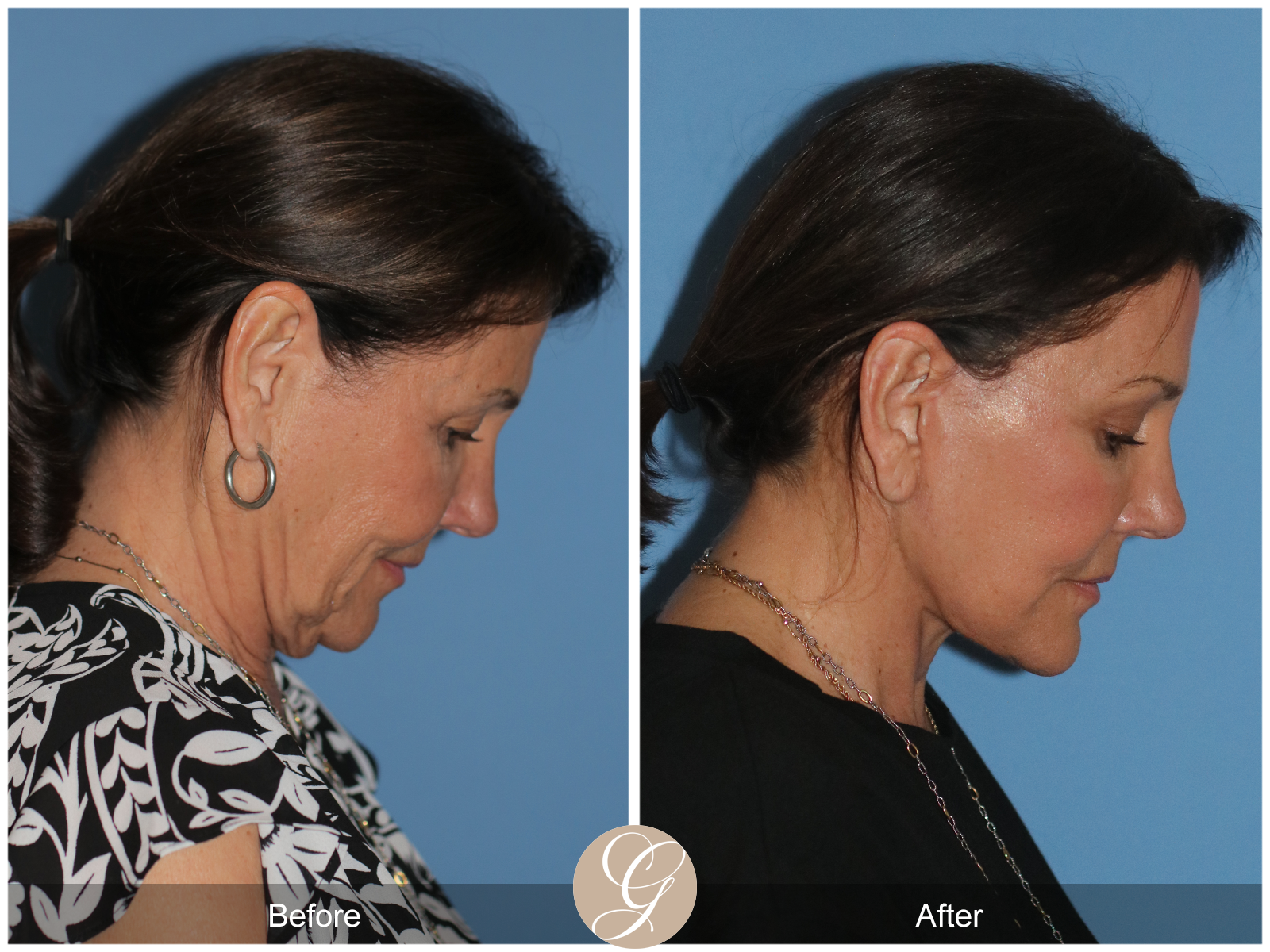
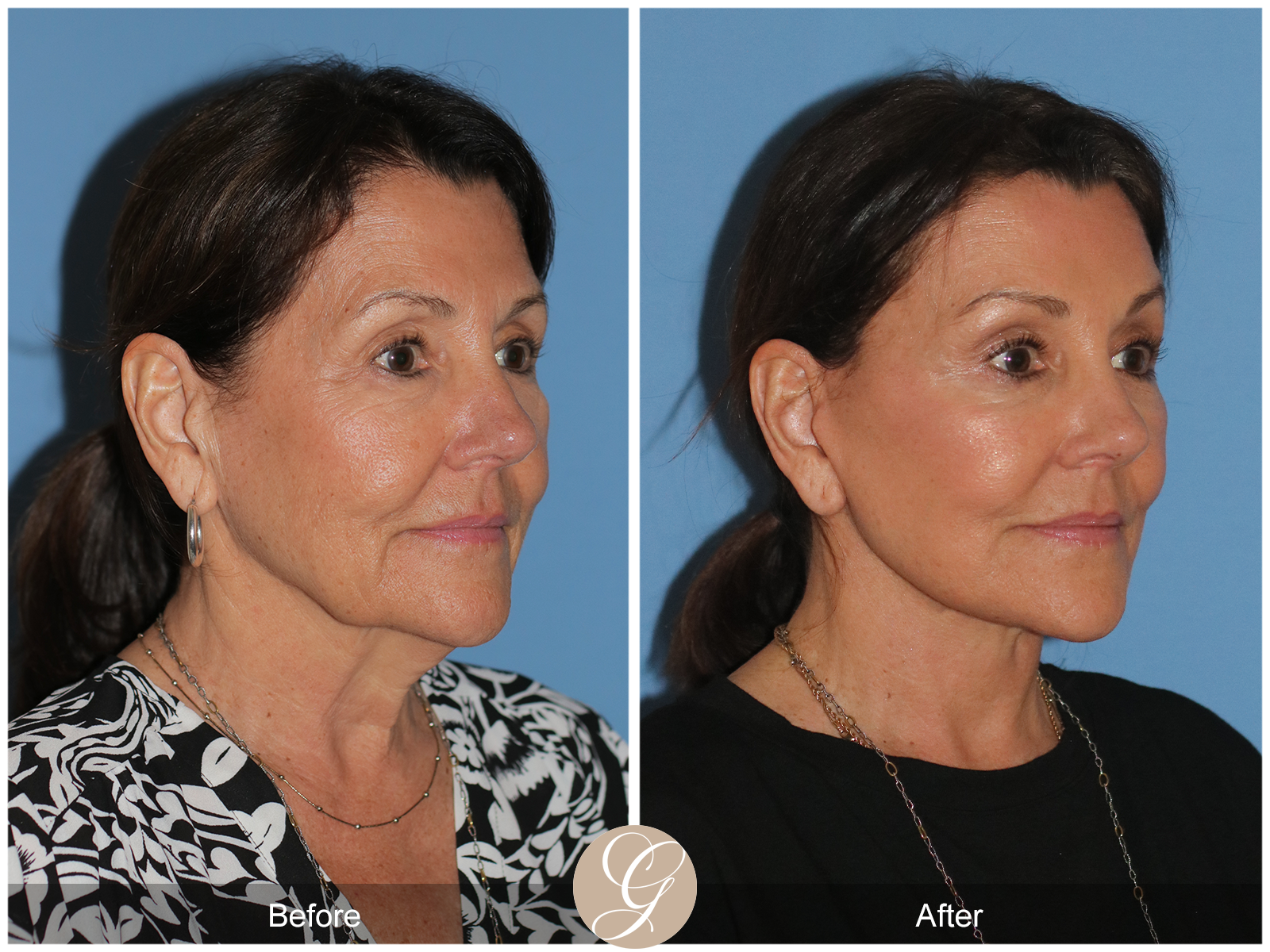
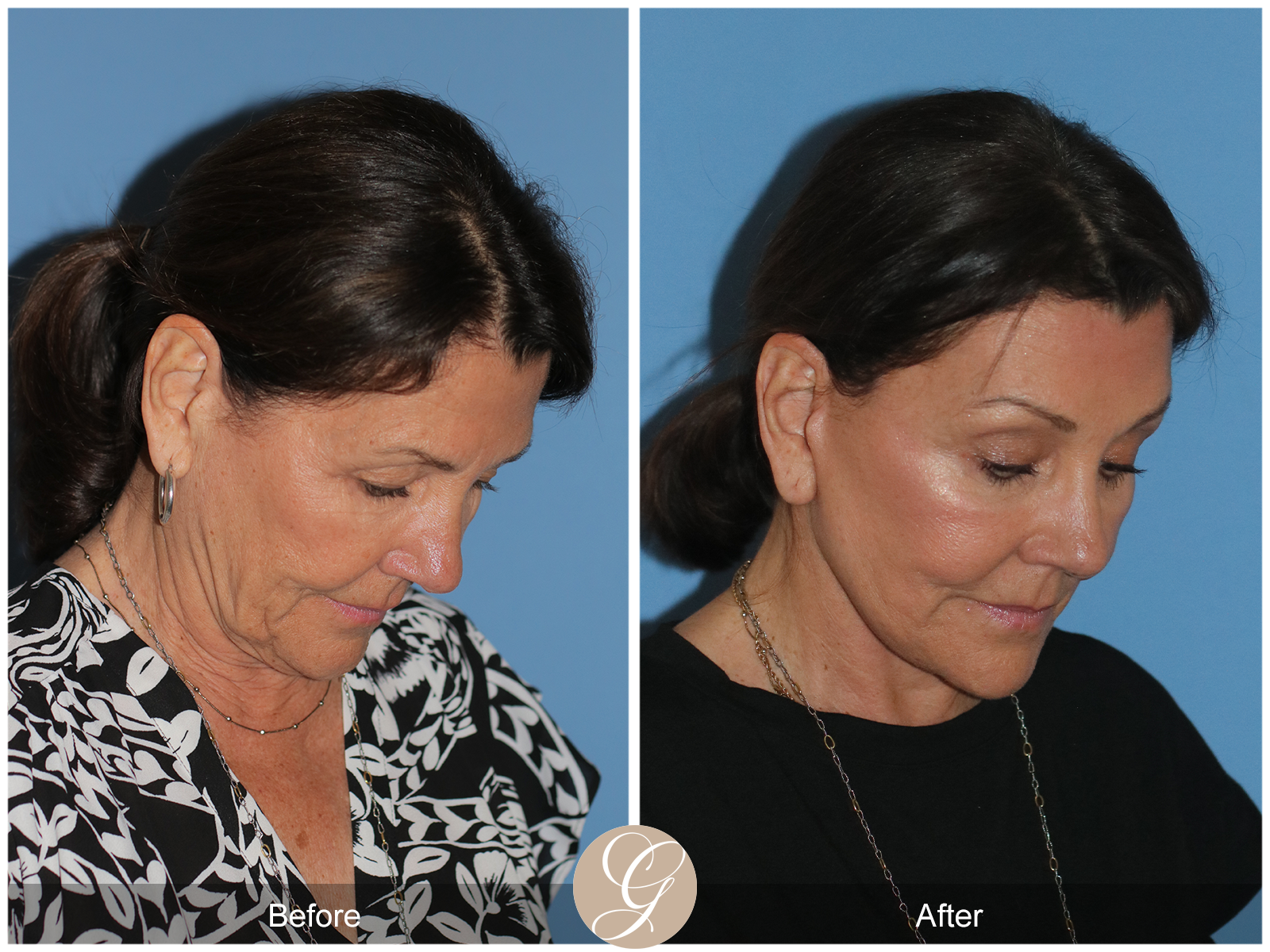
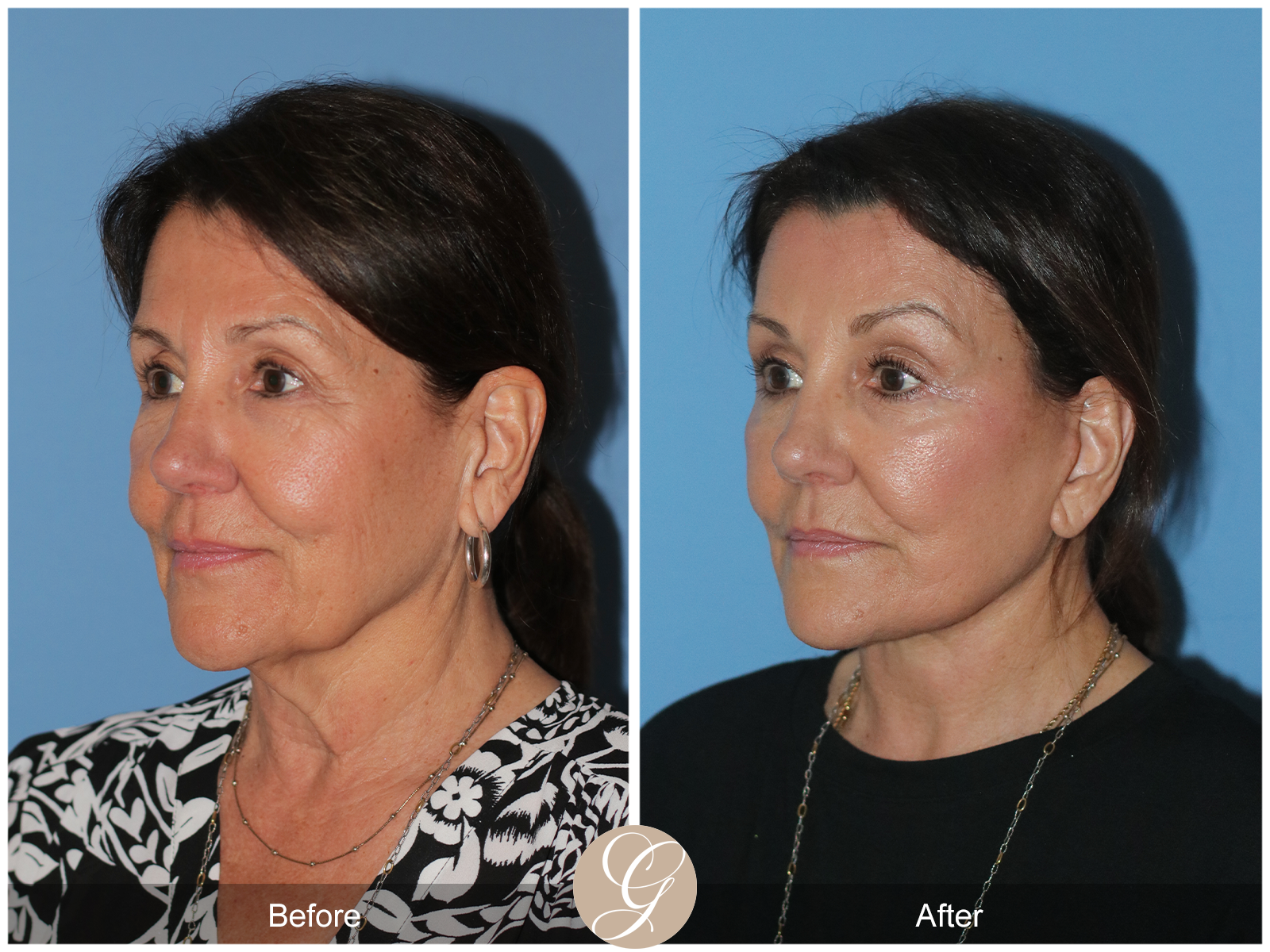
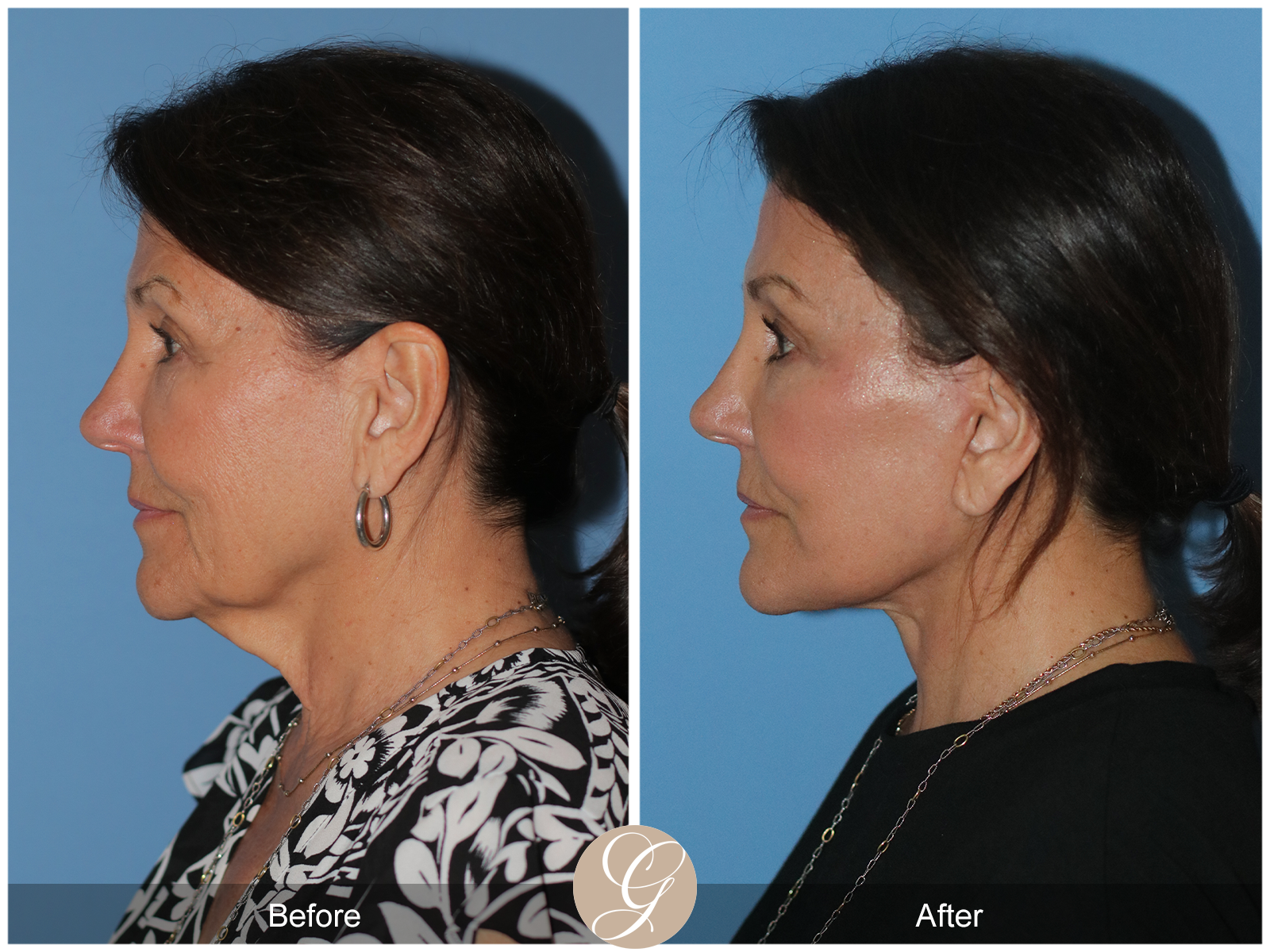
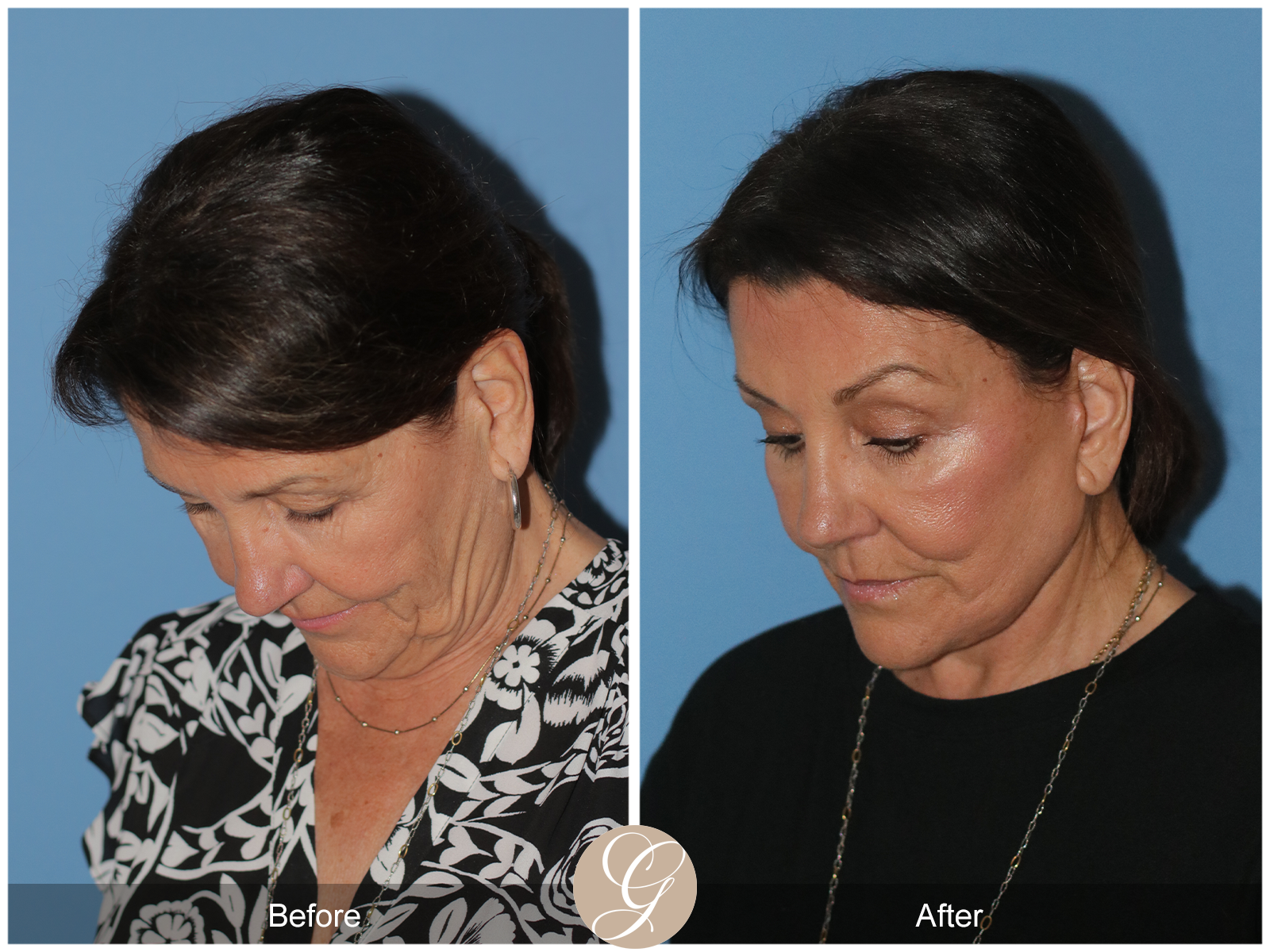
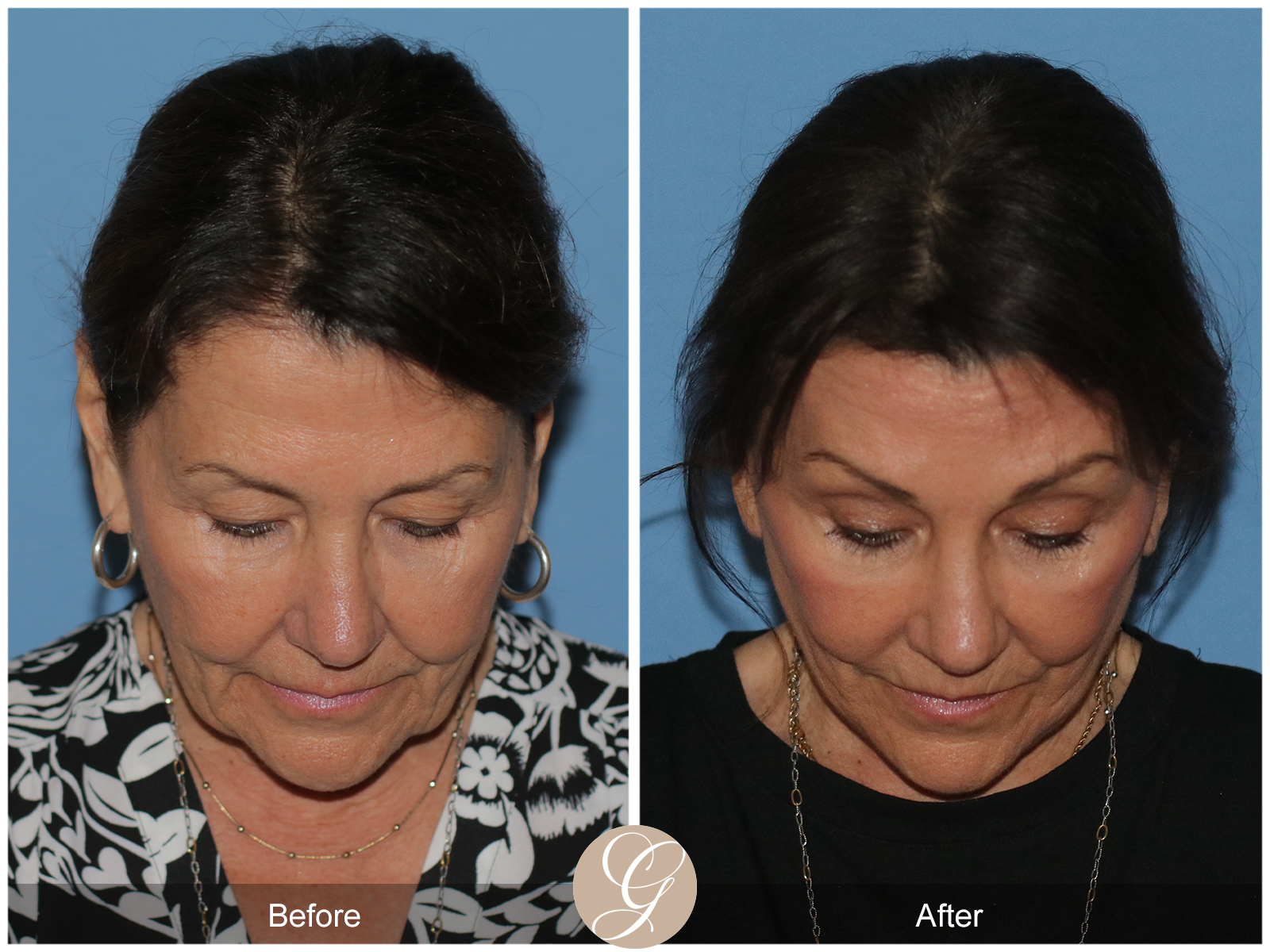
Preservation facelift, also known as Preservation Lift also known as Preservation Deep Plane Facelift, is a cutting-edge facelift technique that aims to rejuvenate the face while preserving its natural appearance and reducing recovery time compared to traditional deep plane facelift.
In a Preservation Lift, surgeons release and reposition the retaining ligaments of the face to achieve a more comprehensive correction of the midface, lower face, and neck tissue as a whole. This technique allows for a more natural and long-lasting outcome, as it preserves the natural contours and features of the face rather than creating a stretched or tight appearance.

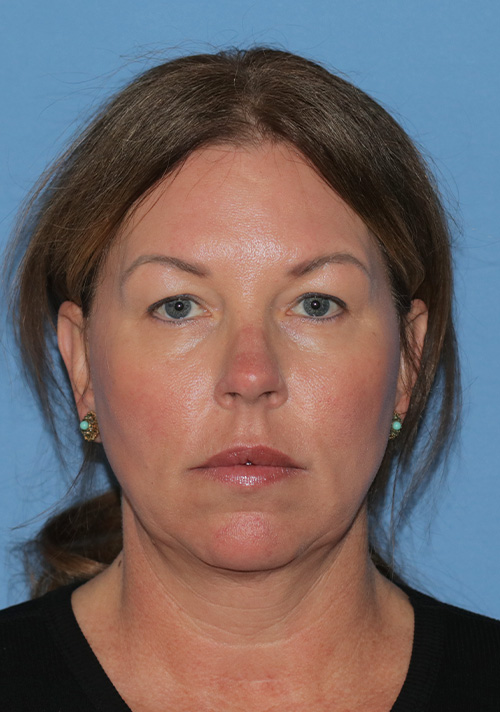




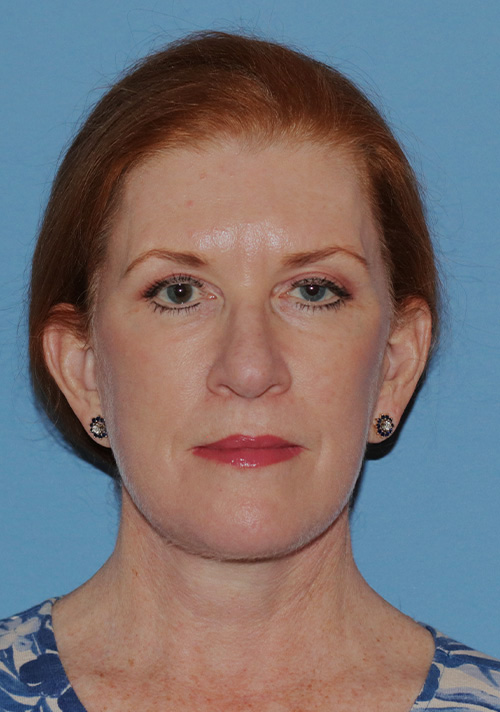


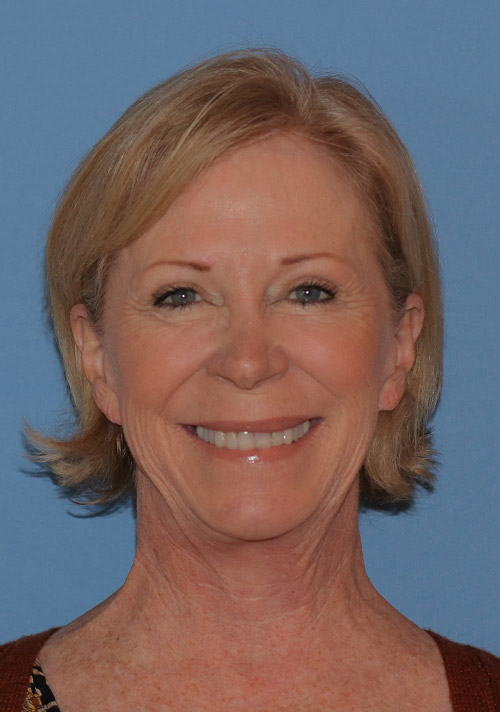


“Dr. Sadati is a gift to all of us!”
Tanya
Preservation Deep Plane Facelift
“A ‘filter-less’ future is something that I’m really excited about.”
Cheryl
Preservation Deep Plane Face and Neck Lift
“I felt like it was an extremely fast healing process.”
Jerome
Preservation Deep Plane Facelift
“After meeting him and his staff for the first time, I knew I had to look no further. He is very confident. He’s kind, and his staff is amazing.”
Linda
Preservation Deep Plane Facelift
“The healing process is a journey. It’s not a destination. It takes time to get there.”
Cheril
Preservation Deep Plane Facelift

Our patients say it best
4.7 stars from 1,653 reviews and counting!


Preservation Lift Facelift Technique
This technique is the next generation of facial rejuvenation by addressing the deep layer of facial muscles, known as the deep plane, rather than solely focusing on skin tightening. By targeting the deep plane, surgeons are able to lift and reposition the underlying structures of the face, including the superficial musculoaponeurotic system and platysma muscles, and at the same time reduce excessive soft tissue damage.
In a Preservation Lift, surgeons release and reposition the retaining ligaments of the face to achieve a more comprehensive correction of the midface, lower face, and neck tissue as a whole. This technique allows for a more natural and long-lasting outcome, as it preserves the natural contours and features of the face rather than creating a stretched or tight appearance.
The evolution of facelift surgery has led to a shift towards vertical facelift elevation approaches, as surgeons have gained a better understanding of the support system of facial soft tissues and how they change with aging. By utilizing the Preservation Lift (Facelift) technique, surgeons can create a more harmonious and balanced rejuvenation of the face by lifting and repositioning the facial tissues vertically. The Preservation Lift (Facelift) technique offers several advantages over older facelift methods.
Firstly, the Preservation Lift (Facelift) minimizes skin elevation, resulting in reduced tension on the skin and a quicker recovery time. This is because the deep plane approach allows surgeons to access and lift the underlying tissues without excessively manipulating or undermining the skin. Additionally, the Preservation Lift technique reduces the need for drains, further enhancing the recovery process. Furthermore, Preservation Facelift provides a more comprehensive rejuvenation of the face. By addressing the deep plane and releasing the facial retaining ligaments, the Preservation Facelift can effectively lift and reposition the midface, lower face, and neck tissue, resulting in a more youthful and harmonious appearance.
Preservation Lift Facelift Technique Long-Lasting Results
The Preservation Lift Facelift technique also offers long-lasting results. Studies have shown that the Preservation Lift Facelift technique, which focuses on preserving the natural fat compartments and volumetric balance of the face, ensures and prolongs the longevity of the results. Moreover, the Preservation Lift technique is based on the principles of Superficial Musculoaponeurotic System manipulation and repositioning of the malar fat pad. These principles have been proven to enhance the longevity and naturalness of the facelift results. The Preservation Lift technique represents a significant advancement in facelift surgery, as it allows for a more natural and long-lasting rejuvenation while preserving the unique features and contours of the individual’s face. By utilizing the Preservation Lift Facelift technique, surgeons can achieve a more natural and balanced rejuvenation of the face. In conclusion, the Preservation Lift technique is a revolutionary approach to facelift surgery that focuses on preserving the natural appearance of the face while addressing the underlying structures and achieving a comprehensive rejuvenation.
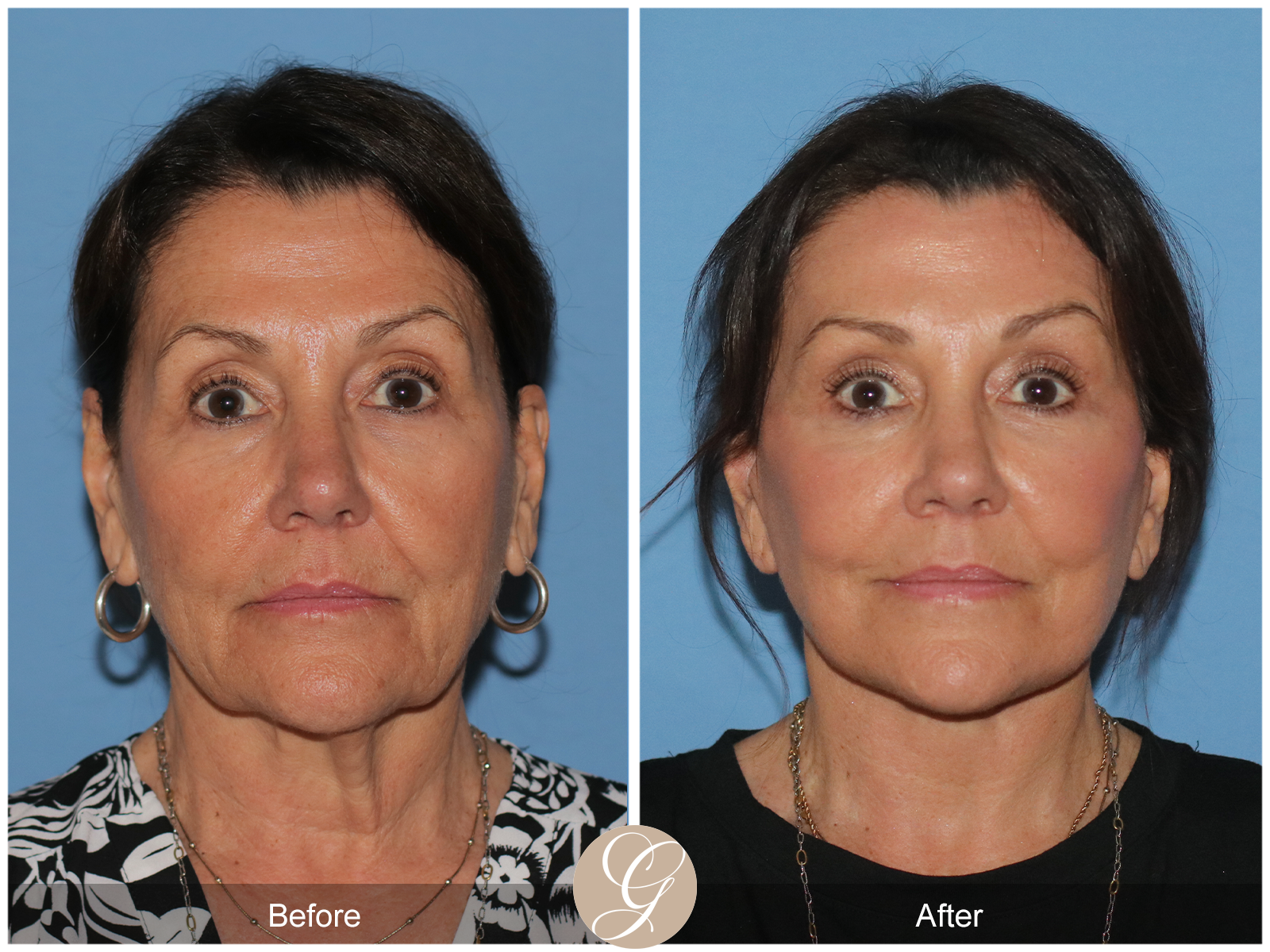
Expert Insights into Preservation Facelift
Behind the scenes with Dr. Sadati
Preservation Lift Facelift vs SMAS Facelift
A Combination of Advanced Techniques
The Preservation Lift is a combination of high SMAS and deep plane facelift techniques, aimed at preserving the natural appearance of the face while achieving a comprehensive rejuvenation. This technique involves releasing the facial retaining ligaments and lifting the midface, lower face, and neck tissue in a vertical fashion. By doing so, the Preservation Lift minimizes skin elevation and tension, resulting in a quicker recovery time and minimizing the need for drains.
Based on Facial Anatomy and Aging
The Preservation Lift technique is based on the understanding of facial anatomy and the changes that occur with aging. This technique allows for a more natural and harmonious rejuvenation by addressing the deep layers of facial muscles and preserving the natural fat compartments of the face. It has been shown to provide long-lasting results, as it preserves the integrity of the facial structures and avoids over-resecting soft tissue and skin undermining. Over time, the Preservation Lift has evolved to address the limitations of traditional facelift approaches.
The Evolution of Facelift Surgery
Limitations of Traditional Techniques
Traditionally, facelift surgery focused primarily on pulling the skin tight to reduce sagging and eliminate wrinkles. However, this often resulted in a stretched or tight appearance, giving the face an unnatural look.
Moving Beyond Skin Tightening
Recognizing these limitations, surgeons developed new techniques that go beyond superficial skin tightening and address the underlying structures of the face. This evolution led to the development of the Preservation Facelift, which aims to preserve the natural appearance and contours of the face while achieving a more comprehensive rejuvenation. By releasing the facial retaining ligaments and lifting the deep layers of facial muscles, the Preservation Facelift provides a more balanced and natural-looking result while minimizing the risk of complications and ensuring a quicker recovery time.
Why the Preservation Facelift Stands Out
Role of Retaining Ligaments and SMAS
The Preservation Facelift is based on the understanding of the facial retaining ligaments and their role in the aging process. By releasing and repositioning these ligaments, the facial tissues can be lifted in a more vertical fashion, creating a more youthful and natural appearance. This technique also involves a complete subplatysmal preparation and mobilization of the SMAS, allowing for a more comprehensive correction of the midface and lower face.
Addressing Fat Compartments and Volume
This approach also addresses the fat compartments of the face, ensuring that they are repositioned in a way that restores volume and contours. Maintaining these fat compartments is crucial for preserving a youthful appearance.
Long-Lasting and Patient-Friendly Results
The Preservation Facelift has gained popularity due to its ability to achieve long-lasting results. By addressing not only the skin but also the underlying structures, such as the SMAS and retaining ligaments, the results are both immediate and sustainable. Patients benefit from reduced risk of a stretched or tight appearance, preservation of natural contours, and a tailored approach to their unique needs. Furthermore, minimizing tissue dissection and skin undermining reduces post-operative swelling and bruising.
Your Private Consultation
Orange County Facelift surgeon Dr. Kevin Sadati is a top board-certified plastic surgeon in Newport Beach and has the expertise and experience needed to satisfy any concerns a patient may have. Most surgeons do not take the time to get to know their patients, or they will recommend procedures that they don’t need or even want. Dr. Sadati takes time for everyone and goes through an extensive consultation because he wants the very best for his patients. You can be sure that he will advise you honestly about which facial procedure is best for you and discuss the process with you in detail.
Schedule a Consultation