 Gallery of Cosmetic Surgery
 Aesthetic Lounge


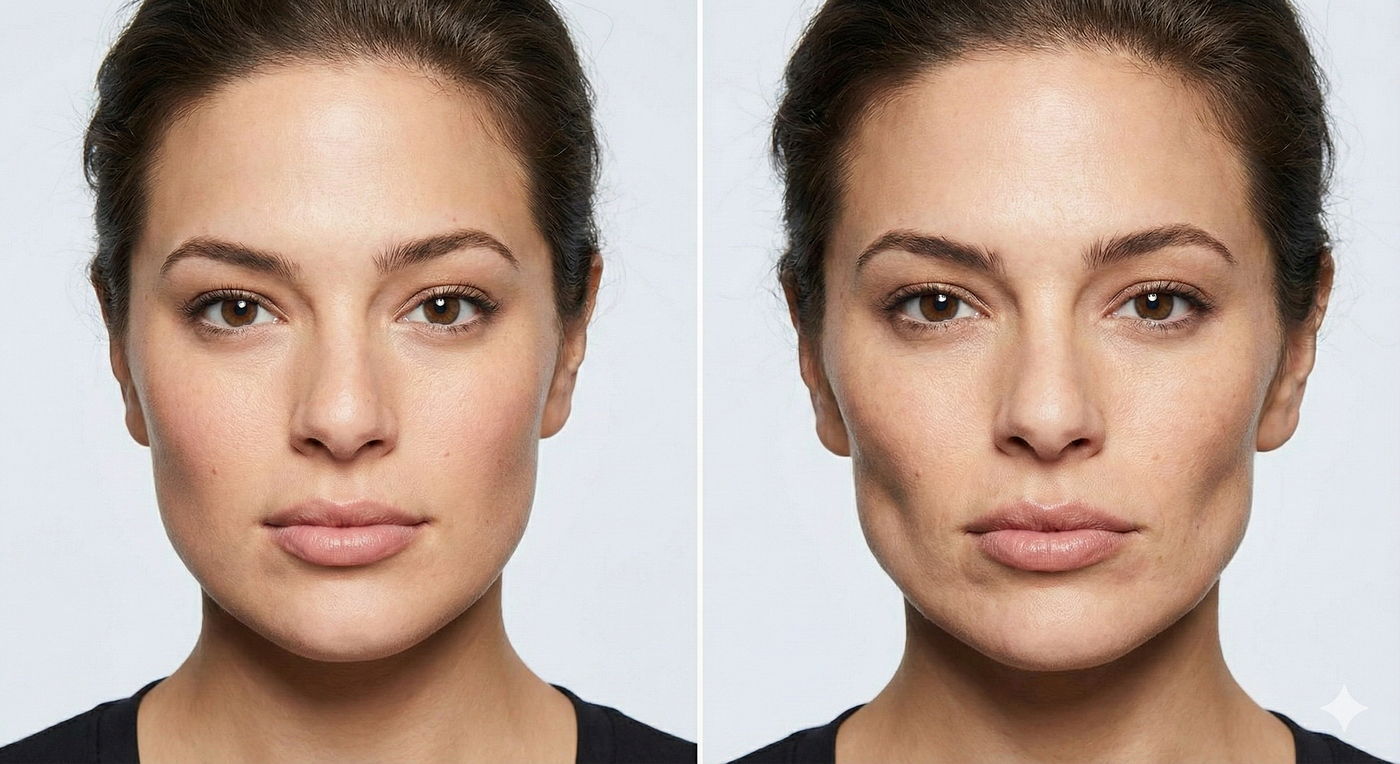
The term “Ozempic face” describes a specific pattern of facial aging that occurs after rapid and substantial weight loss, not as a result of drug effects, but of the speed of weight loss. Patients treated by Dr. Kevin Sadati, a double-board-certified facial plastic surgeon, represent a frequent experience with this condition after large reductions in body weight with medications such as Ozempic, Wegovy or Mounjaro, and increasingly after bariatric surgery or extreme modifications of lifestyle — a shift we cover in more depth in our own discussion of facelift and neck lift options after weight loss with GLP-1 medications. The face is one of the first areas to reflect significant weight loss because it has minimal fat stores to spare. Patients expect only to appear thinner but are surprised by the degree of facial aging.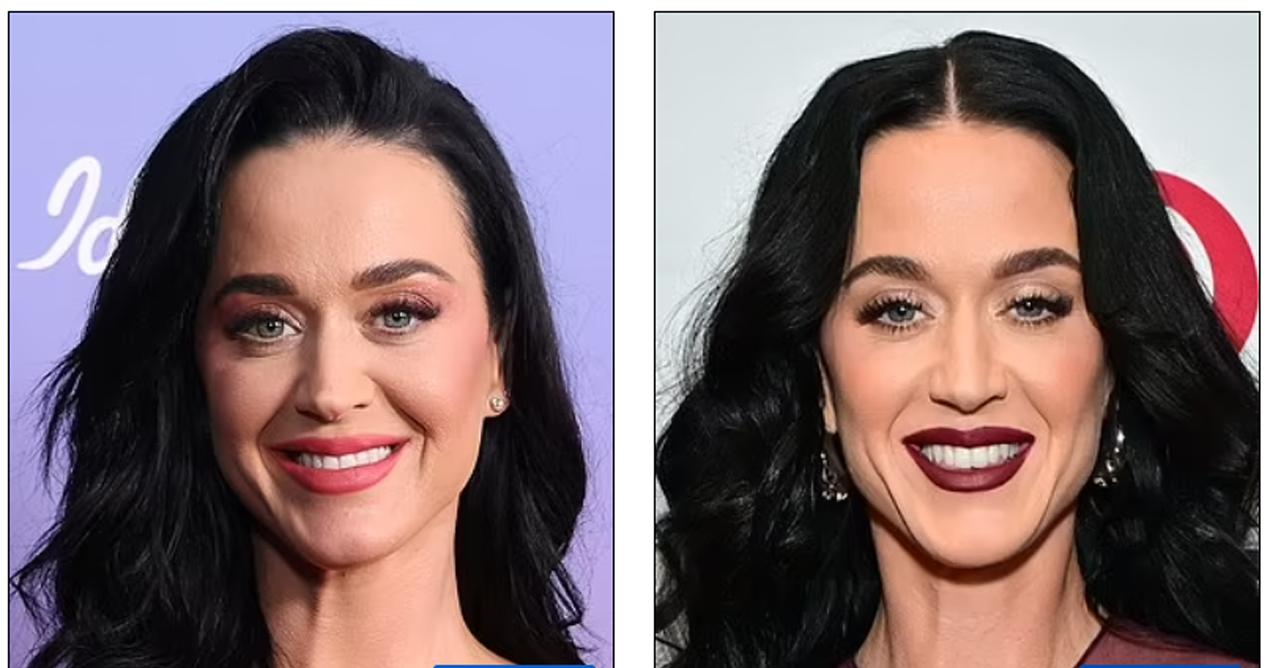
Why the Face Ages Faster with Rapid Weight Loss
Subcutaneous fat provides fullness of the cheeks, smooth contours around the eye area, and soft definition of the jaw. This is also the first part of body fat to be reduced with rapid weight loss. Loss of subcutaneous fat results in reduced volume of facial structures and absence of support for overlying skin. As accelerated weight loss occurs, there is a natural loss of collagen and elastin, which are responsible for the structural integrity and elasticity of the skin as well as deep facial structures. Because of that, the face can appear to look 5 to 10 years older within a few months.
What Ozempic Face Actually Looks Like
Rapid reductions in facial volume are most evident in patients who lose weight at the greatest rate, and are particularly prominent in elderly patients who had relatively little subdermal fat available at the onset of weight loss. The various signs of facial aging are largely additive, and include loss of fullness of the cheeks and temples, development of deep hollowing around the eyes, thinning of the lips, deep nasolabial folds, and extensive laxity of the skin along the jaw and neck that ultimately results in jowls. The underlying bony architecture becomes increasingly apparent as a result of reduced soft tissue cover. Unlike the body, which can generally “catch up” to weight loss through exercise and muscle tone, the face has no compensatory mechanism.
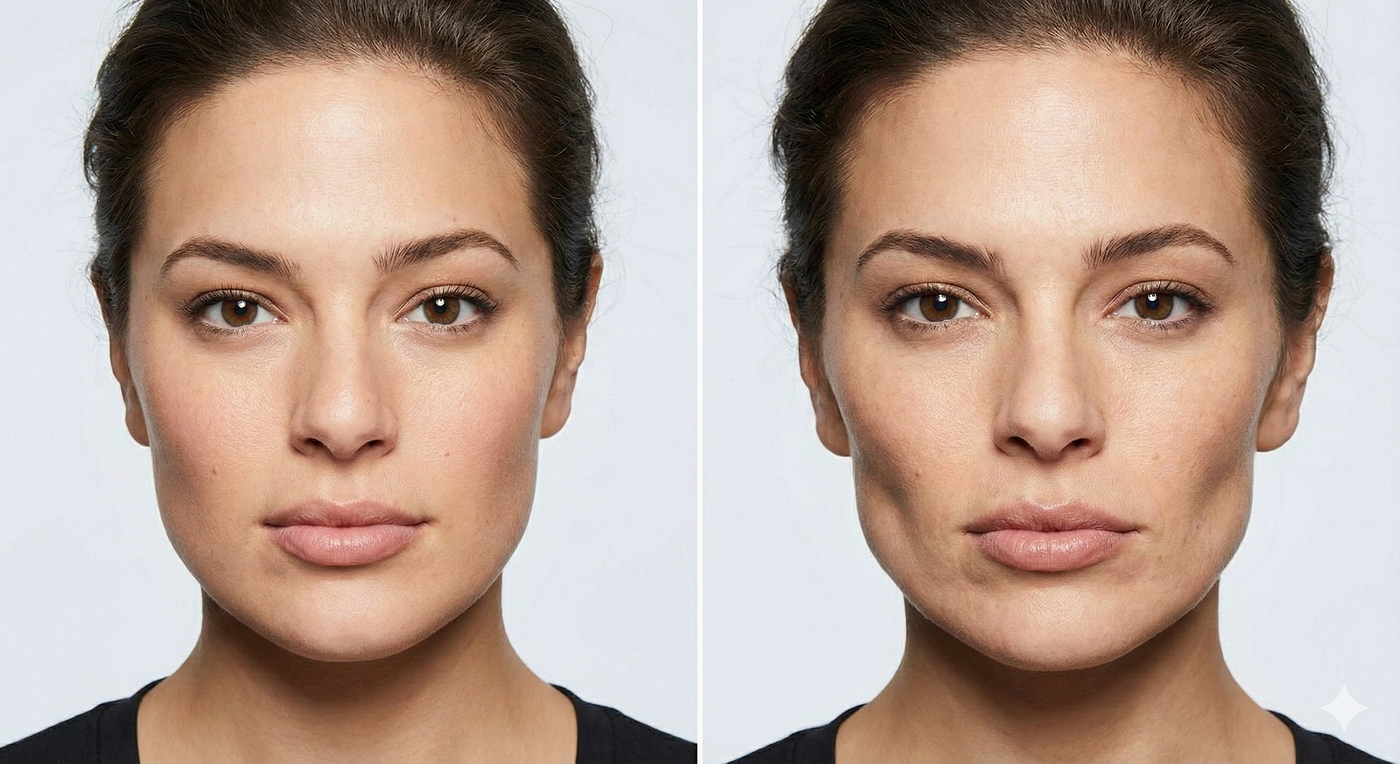
What Can Be Done About Ozempic Face
Appropriate therapy depends on the extent of structural change. Patients with predominantly volume loss and mild skin laxity achieve complete restoration of facial fullness with micro and nano fat grafting, often combined with TCA peels or laser resurfacing to improve skin quality.
Surface treatments alone are not enough for patients showing more advanced laxity of the deeper facial and neck tissues. In such cases, we generally recommend a deep plane facelift and neck lift, which corrects the downward displacement of the deeper tissue layer rather than simply tightening the overlying skin.
How to Prevent Ozempic Face
None of this reflects any criticism of weight loss medications; the health benefits of the weight loss they achieve outweigh any of the aesthetic considerations described here. Still, we encourage patients experiencing rapid weight loss to discuss pacing their weight loss with their physician, and to be aware that their facial tissues may ultimately require a separate treatment plan, whether that means volume restoration, correction of skin laxity, or, in more advanced cases, a facelift.
We recommend that patients already noticing early signs receive a consultation as soon as possible — the earlier the intervention, the more treatment options remain available, from something as simple as fat grafting to a full deep plane approach when significant descent of the deeper tissues has already occurred.
Call (949) 203-2699 or schedule your consultation at galleryofcosmeticsurgery.com.
View All Blogs